- BIST10011,117-0.92%
- USD49.63+0.05%
- EUR55.70+0.05%
- GOLD4,015.00-1.12%
- INTEREST36.00%-1.00
- BITCOIN81,402+0.11%
- October 23, 202615°
- BIST10011,117-0.92%
- USD49.63+0.05%
- EUR55.70+0.05%
- GOLD4,015.00-1.12%
- INTEREST36.00%-1.00
- BITCOIN81,402+0.11%
- October 23, 202615°
Coalition says it intercepted 11 drones and a missile bound for Saudi Arabia
Arab Coalition spokesperson Maj. Gen. Turki al-Maliki said 11 unmanned aerial vehicles and a ballistic missile heading toward Saudi Arabia had been intercepted. The Yemen Rights and Freedoms Network said 212 civilians had been killed and 319 injured in Taiz over the past 52 days.


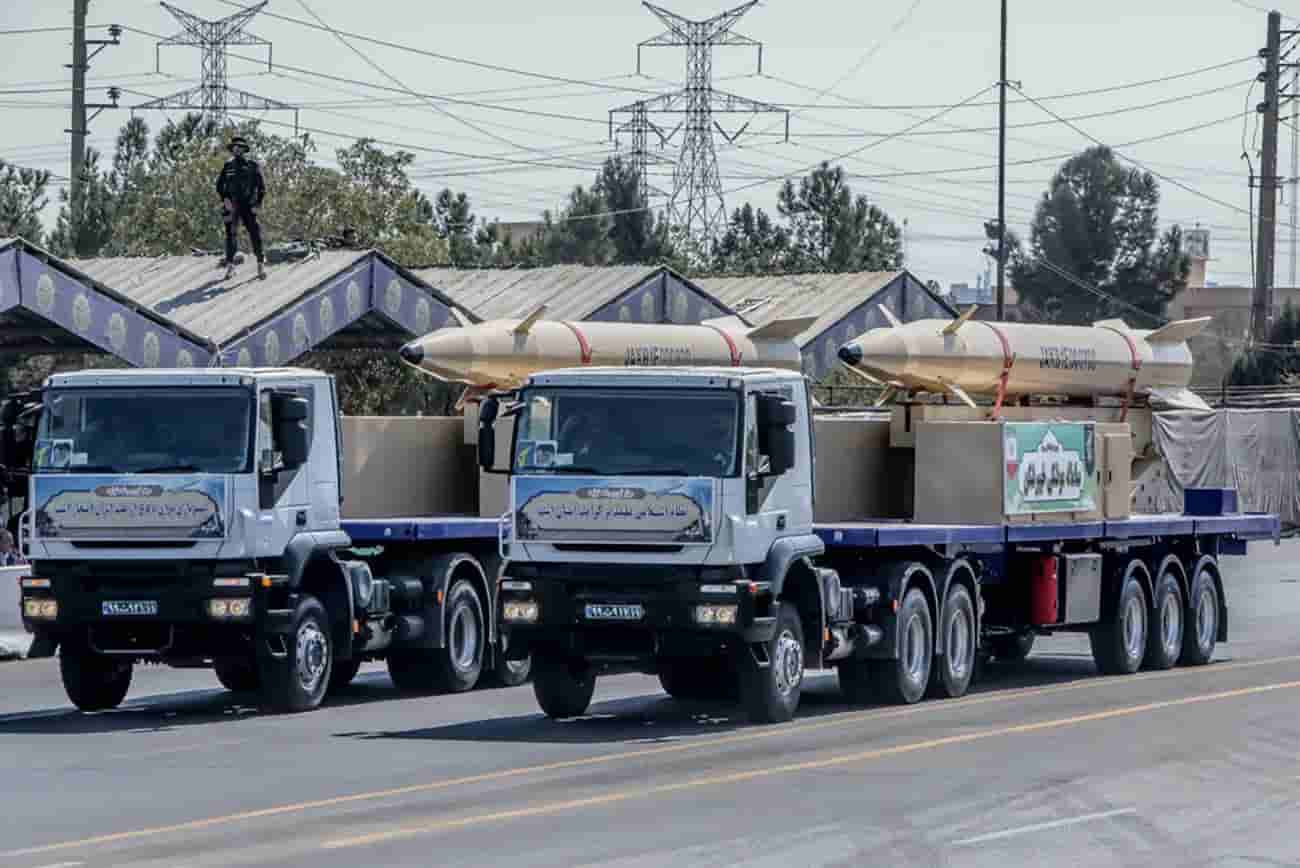
The Arab Coalition announced that it had intercepted unmanned aerial vehicles and a ballistic missile heading toward various regions of Saudi Arabia. Coalition spokesperson Maj. Gen. Turki al-Maliki said a total of 11 drones and one ballistic missile had been intercepted.
Al-Maliki said two drones sent by the Houthis toward southern Saudi Arabia had been intercepted and destroyed. He added that a ballistic missile heading toward Najran had also previously been destroyed.
Al-Maliki said four drones had been intercepted in the Riyadh and Medina regions, with another intercepted in Riyadh, and announced that four more drones had been destroyed in the east of the country before dawn. The coalition spokesperson said a ballistic missile launched by the Houthis toward Riyadh had also been intercepted and destroyed by air defense systems. No information was provided on whether the incidents caused casualties or damage.
Early warnings issued in Abha and Khamis Mushait
The Saudi Civil Defense Directorate announced that danger warnings had been issued through the National Emergency Early Warning Platform in the cities of Abha and Khamis Mushait. The danger later passed in both cities.
Civil Defense teams urged residents to continue following safety instructions, avoid gathering and refrain from filming. Saudi Arabia’s Interior Ministry also warned that filming or sharing footage of the interception of missiles and drones, or of the locations where they fell, would entail legal responsibility.
Taiz records 1,891 violations in 52 days
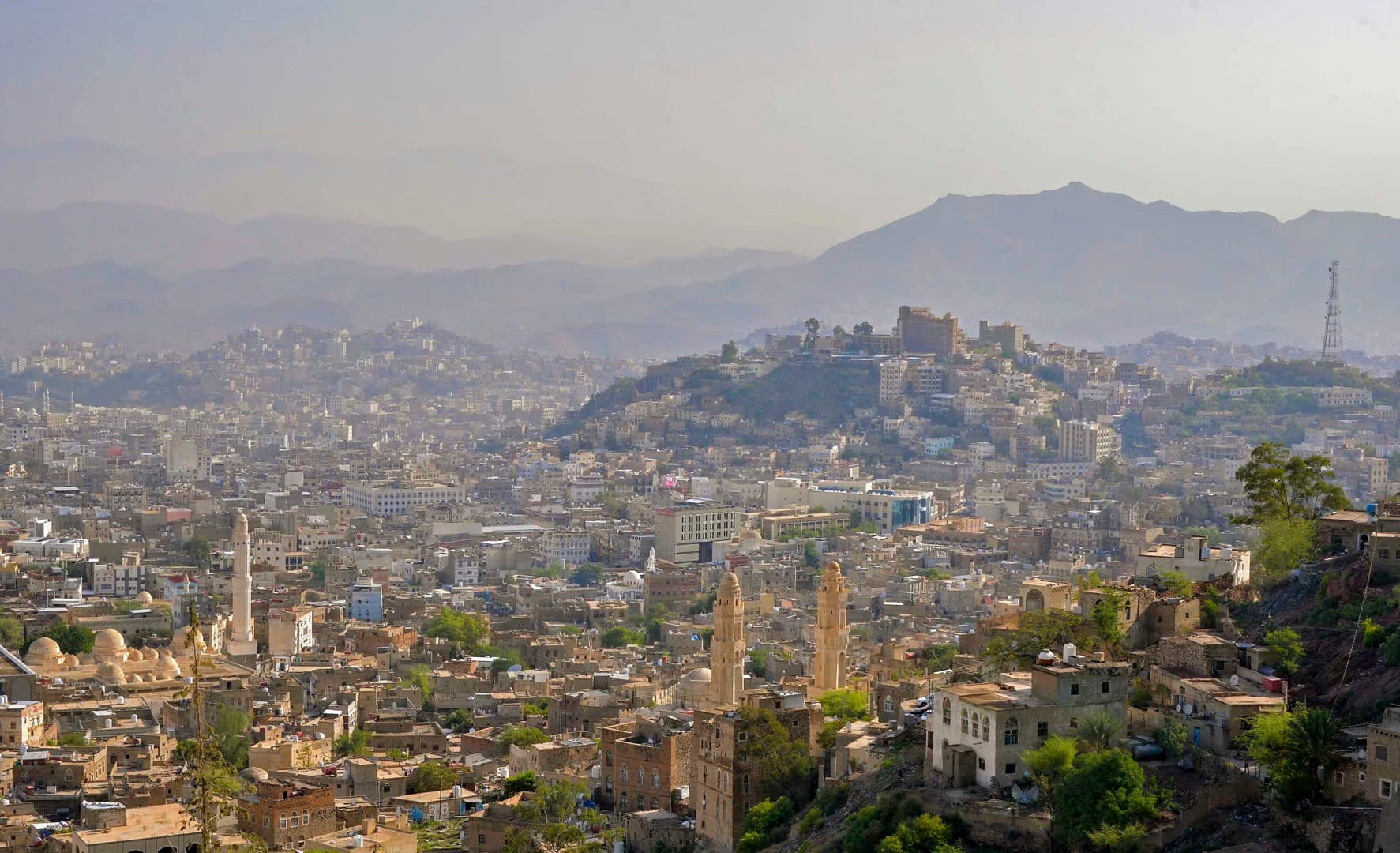
The Yemen Rights and Freedoms Network said in a report that the Iran-backed Houthis had committed 1,891 violations targeting civilians and civilian structures in Taiz over the past 52 days. The report said 9,876 munitions had been fired at the city and surrounding villages, and that attacks had been carried out using drones and ballistic missiles.
It said 212 civilians had been killed and 319 injured during the same period. Those killed included 27 women and 38 children, while those injured included 29 children and 46 women; seven of the children killed were infants.

The report recorded 23 cases of extrajudicial execution and five incidents described as “mass killings.” It said 134 people, including 37 children, 31 women and 16 elderly people, had been beaten, and that 314 cases of abduction and enforced disappearance had been documented.
Homes, vehicles and health facilities damaged
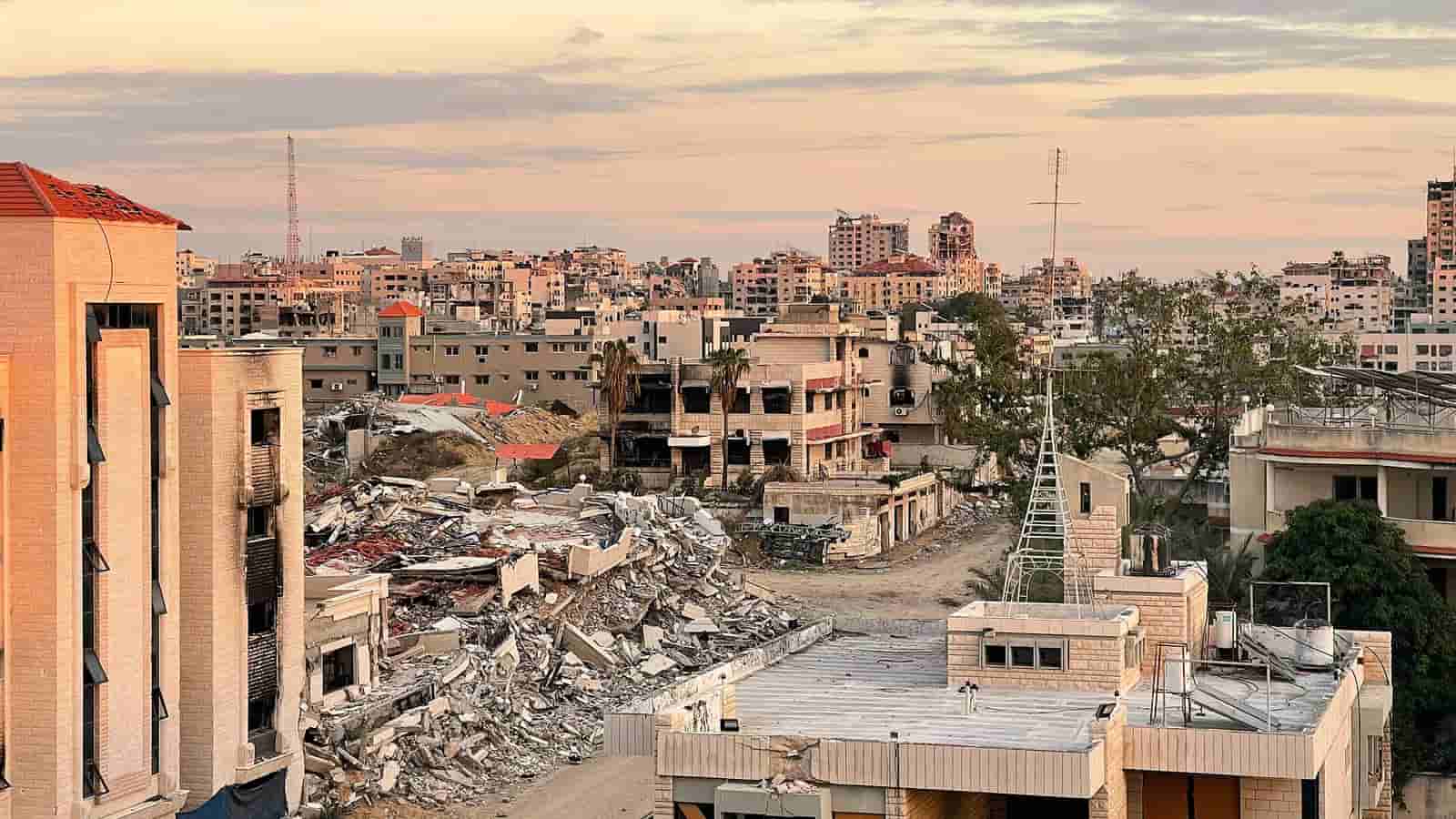
The report said 356 homes had been damaged, including 98 that were completely destroyed. It said three homes had been blown up with explosives, 516 homes had been raided and 75 had been forcibly entered and searched.
The report said 131 vehicles had been damaged, while 36 vehicles and 31 farms had been looted. It added that four farms had been completely destroyed and two partially destroyed.
Three health facilities and hospitals were targeted, while five health facilities were closed, the report said. It added that three ambulances had been targeted and five health workers had been killed.
Four public schools and one private school were used for military purposes, while five mosques and places of worship were damaged, the report said. It added that 23 commercial centers had been closed, 35 public buildings seized and 21 imams and preachers removed from their positions.
Nearly 2 million people face drinking water shortages
The Yemen Rights and Freedoms Network said in its report that approximately 280,000 people had been displaced and nearly 2 million were facing drinking water shortages. It said the Houthis had established 26 checkpoints and search points, blocked the entry of food, medicine, fuel and water, and disrupted education, electricity and communications services.
The report also listed the recruitment of children, the laying of mines and the looting of property as violations. The network called for Taiz to be declared a disaster zone, the siege to be lifted and civilians to be protected.
Stay Updated with Hilal Times
Subscribe to be informed about special news, developments and announcements. We will keep you informed.
By signing up, you agree to our Privacy Policy