- BIST10011,585-1.16%
- USD49.45+0.05%
- EUR55.62+0.37%
- GOLD4,183.60+0.06%
- INTEREST37.00%-1.00
- BITCOIN82,537+0.64%
- October 19, 202617°
- BIST10011,585-1.16%
- USD49.45+0.05%
- EUR55.62+0.37%
- GOLD4,183.60+0.06%
- INTEREST37.00%-1.00
- BITCOIN82,537+0.64%
- October 19, 202617°
Commission reports 14 attacks on Palestinians in West Bank
The Commission of Wall and Settlement Resistance said 14 attacks were carried out against Palestinians and their property in four governorates of the West Bank. The Jerusalem Governorate also said heavy security measures had been imposed around the Al-Buraq Wall and that Israeli groups had entered the area.


The Commission of Wall and Settlement Resistance detailed attacks against Palestinians and their property in the West Bank, saying that a total of 14 incidents had occurred in four governorates. Six of the attacks were recorded in Ramallah and Al-Bireh, three in Hebron, three in Nablus and two in Bethlehem.
Homes targeted and ambulance damaged
The incidents in Ramallah and Al-Bireh included gunfire directed at Palestinian homes in the village of Al-Mughayyir, the use of tear gas against residents and damage to an ambulance.
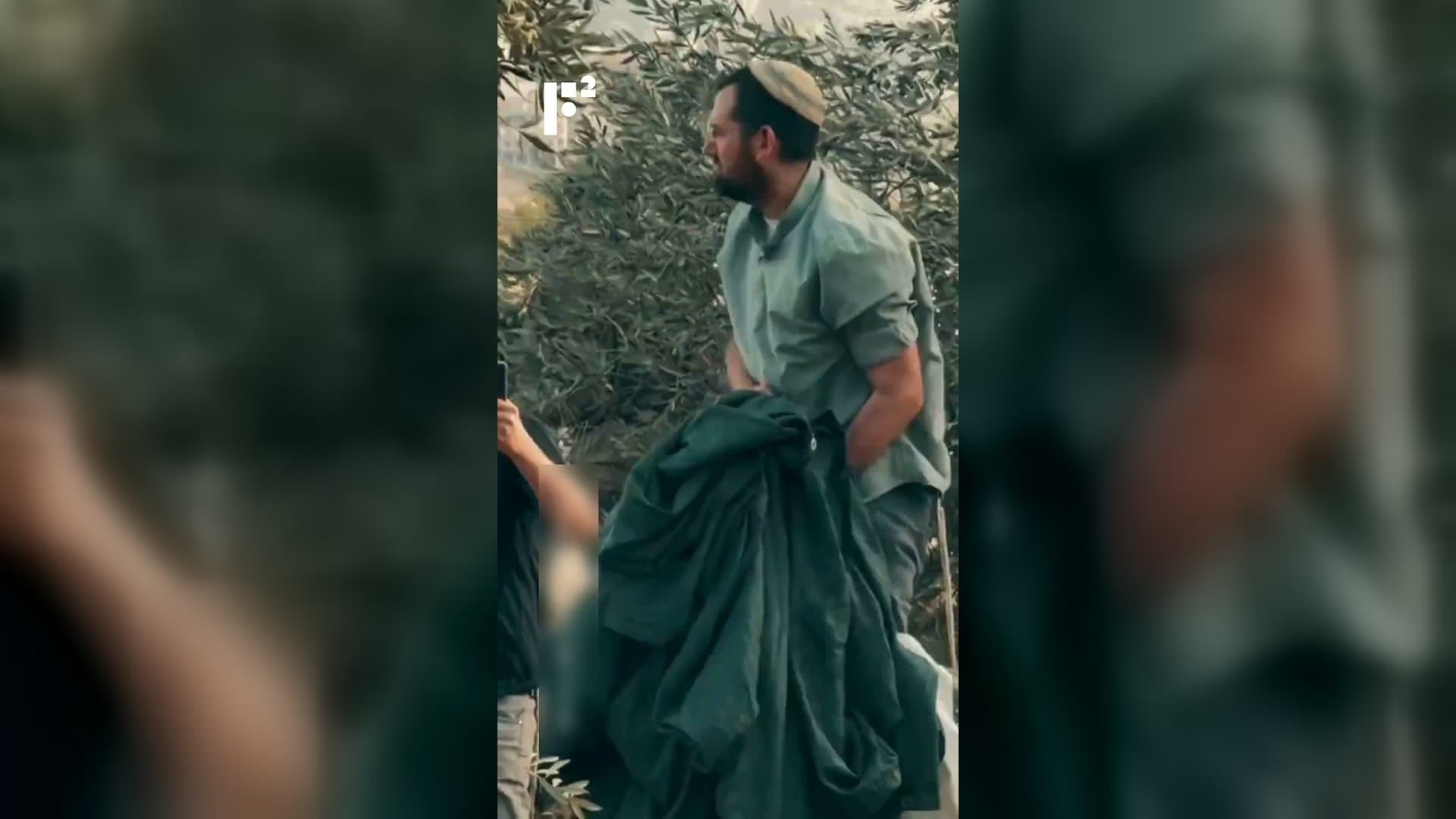
The commission also said that a Palestinian man was attacked in the same village and that his olive harvest was taken. In the Al-Hayyan area of Deir Dibwan, approximately 300 sheep belonging to Palestinians were taken, it said.
Nearly 700 people left without water in Hebron
Approximately 700 people lost access to water after the main pipeline supplying the village of Al-Daqiqa in Hebron’s Badia area was cut. A structure used for agricultural purposes was also set on fire, the commission said.
The commission said that the family of Fadel al-Haddad was attacked in the Hallet al-Homs area of Hebron. The family was forced to move a tent they had erected over the rubble of their demolished home to another location.
Property and livestock targeted in Nablus and Bethlehem
In Nablus’s Lubban al-Sharqiya town, people moved among Palestinian homes, while agricultural tools were taken from land in the village of An-Naqura.
In Bethlehem, shepherds tending sheep in the village of Za’tara were followed, and the animals were released onto land belonging to Palestinians. Groups also gathered near Palestinian homes in the Wadi Abu Najim area.
Commission calls for effective protection
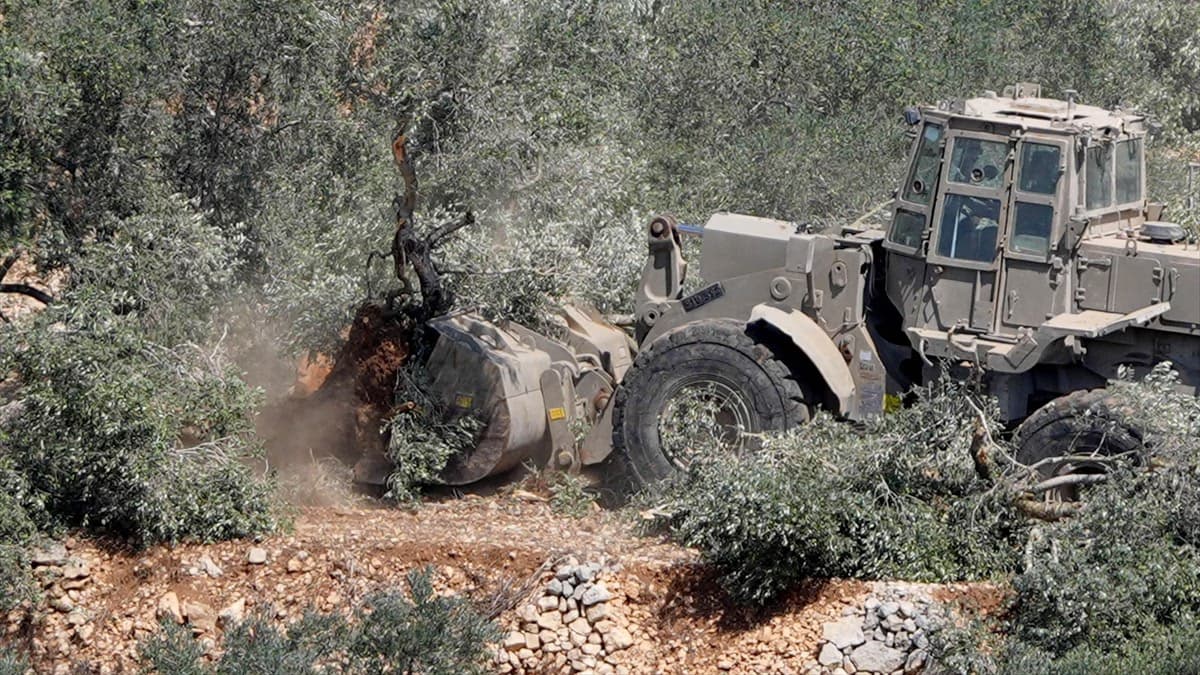
The commission said the attacks were part of practices targeting Palestinians’ safety, property, water sources and livelihoods. It argued that the actions aimed to force Palestinians to leave their land.
The commission said the perpetrators could not gain rights to the land through these actions or sever Palestinians’ ties to their land. It called on the international community to provide effective protection and accountability rather than limiting its response to condemnation.
Security measures around Al-Buraq Wall in Jerusalem
The Jerusalem Governorate of Palestine said Israeli Prime Minister Benjamin Netanyahu and several ministers in his government had visited the Al-Buraq Wall. Israeli forces imposed heavy security measures around the Al-Buraq Wall, also known as the Western Wall.
According to the governorate, thousands of Israelis who have seized Palestinian land passed through Wadi Street in Jerusalem’s Old City and entered Al-Buraq Wall Square. The governorate said the entries took place after calls for prayers and religious rituals to be held near the Gate of Mercy at Al-Aqsa Mosque.
Meanwhile, large numbers of Palestinians came to Al-Aqsa Mosque to pray and shop in the Old City. The Jerusalem Governorate called on Palestinians to come to Al-Aqsa Mosque to counter the entry of Israeli groups as Yom Kippur, an important Jewish religious observance, approaches.
Call to the Gate of Mercy ahead of Yom Kippur
Israeli groups called for people to gather outside the Gate of Mercy at Al-Aqsa Mosque to perform prayers known as Selichot ahead of Yom Kippur, which begins on September 21.
Jewish religious observances begin with the Hebrew New Year on September 12-13, followed by Yom Kippur on September 21, Sukkot from September 26 to October 2, and Simchat Torah on October 3.
Israel considers the Al-Buraq Wall sacred to Jews, while the Jerusalem Islamic Waqf Administration and the Jerusalem Governorate say that the wall is part of Islam’s holy sites. Religious ceremonies, prayers and official ceremonies are held in the square, where security checks and searches are conducted at the entrances.
Since 2003, the Israeli police have allowed Israelis who have seized Palestinian land to enter Al-Aqsa Mosque under a unilateral decision. Attacks by the Israeli army and Israelis who have seized Palestinian land against Palestinians and their property in the West Bank and East Jerusalem have increased since Israel began its attacks on the Gaza Strip in October 2023.
Stay Updated with Hilal Times
Subscribe to be informed about special news, developments and announcements. We will keep you informed.
By signing up, you agree to our Privacy Policy