- BIST10011,843+1.51%
- USD50.28+0.05%
- EUR55.60-0.24%
- GOLD3,886.30+0.03%
- INTEREST36.00%-1.00
- BITCOIN65,356+1.93%
- November 15, 202612°
- BIST10011,843+1.51%
- USD50.28+0.05%
- EUR55.60-0.24%
- GOLD3,886.30+0.03%
- INTEREST36.00%-1.00
- BITCOIN65,356+1.93%
- November 15, 202612°
Developing-country finance and Gaza top COP31’s decisive week
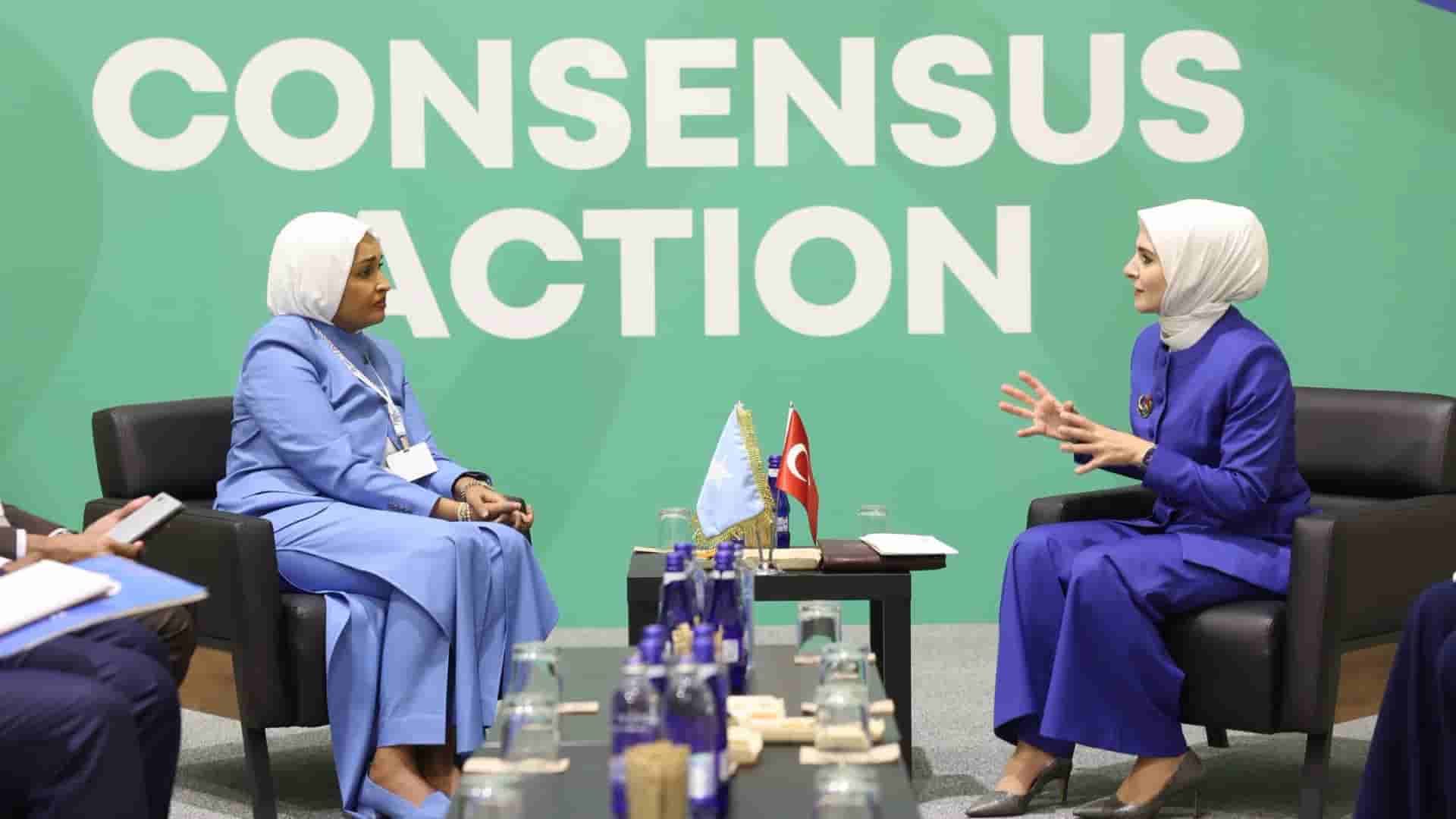
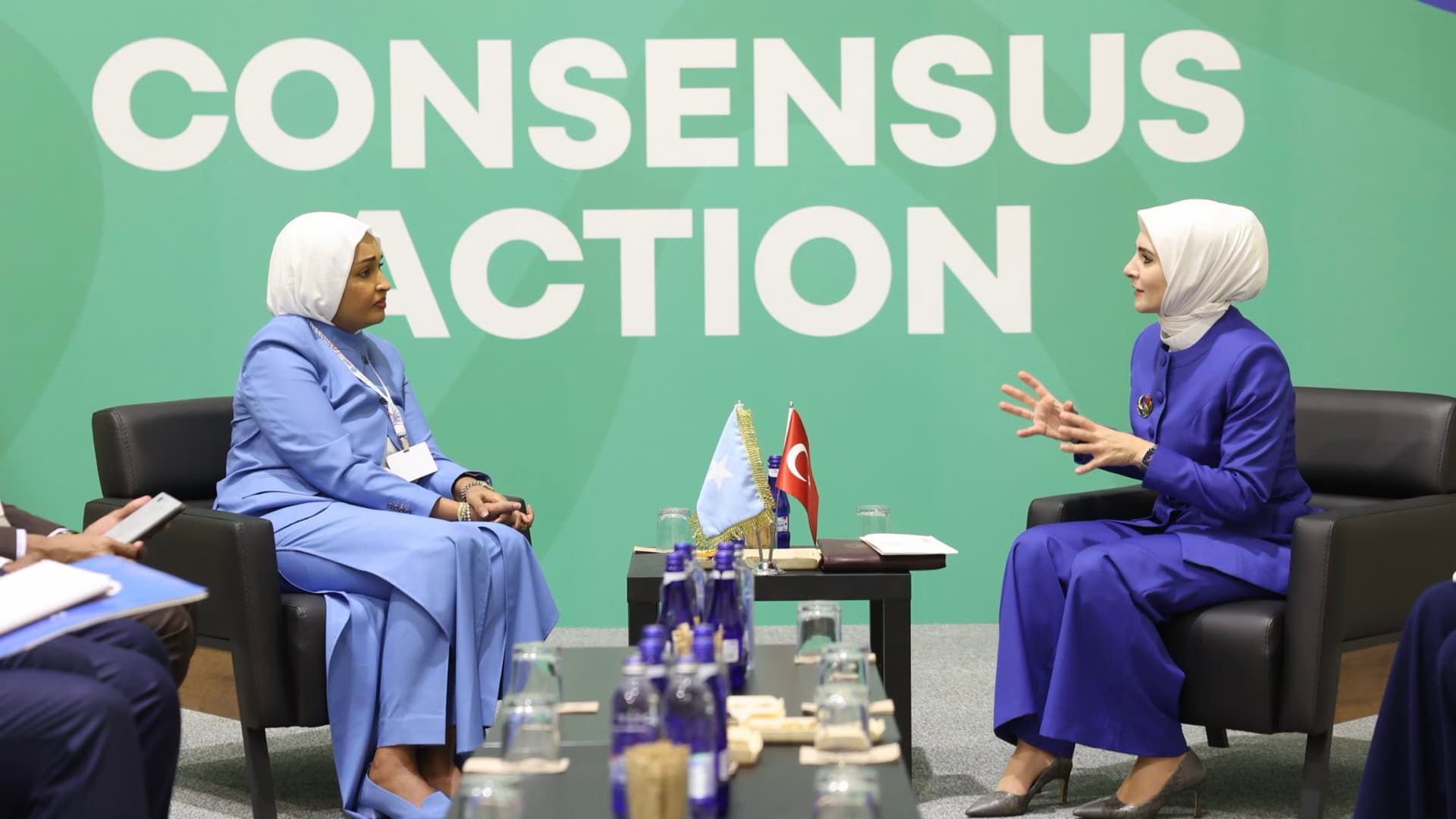
The UN climate conference in Antalya enters its second and final week as developing countries demand that funding pledges be honored, while the Arab Group remains cautious about a mandate for a “comprehensive decision.” A conference-side seminar highlighted the environmental catastrophe in Gaza.
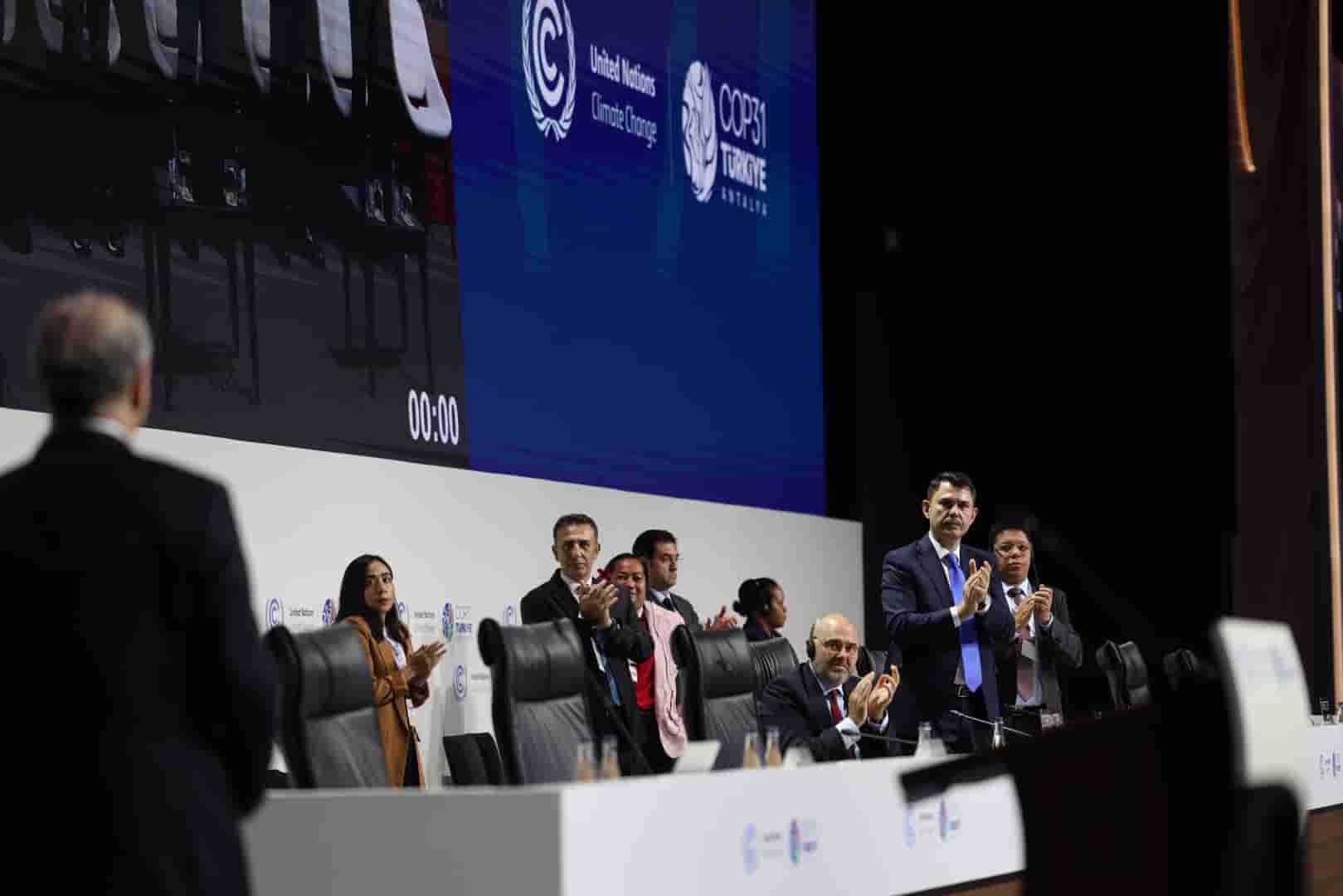
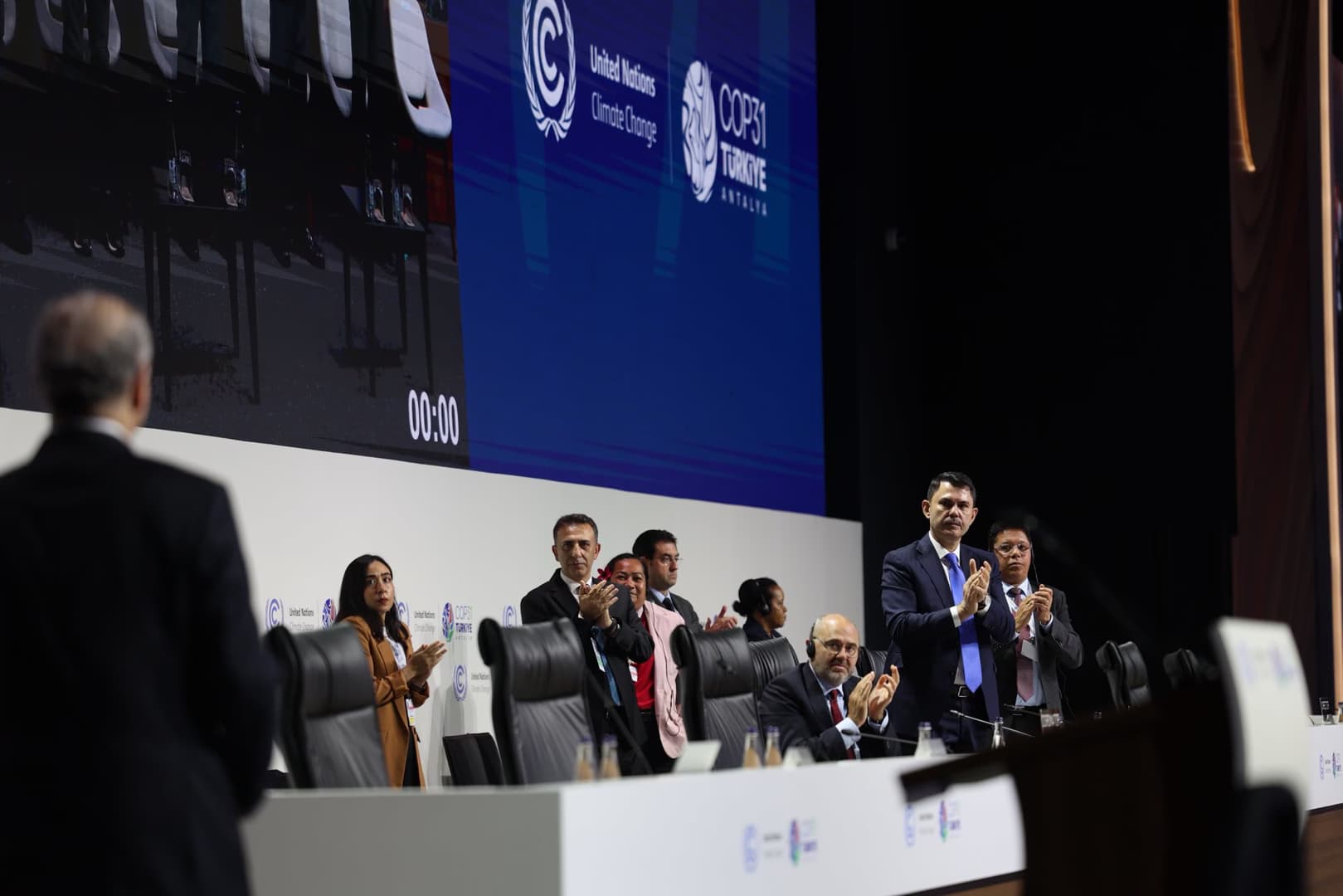
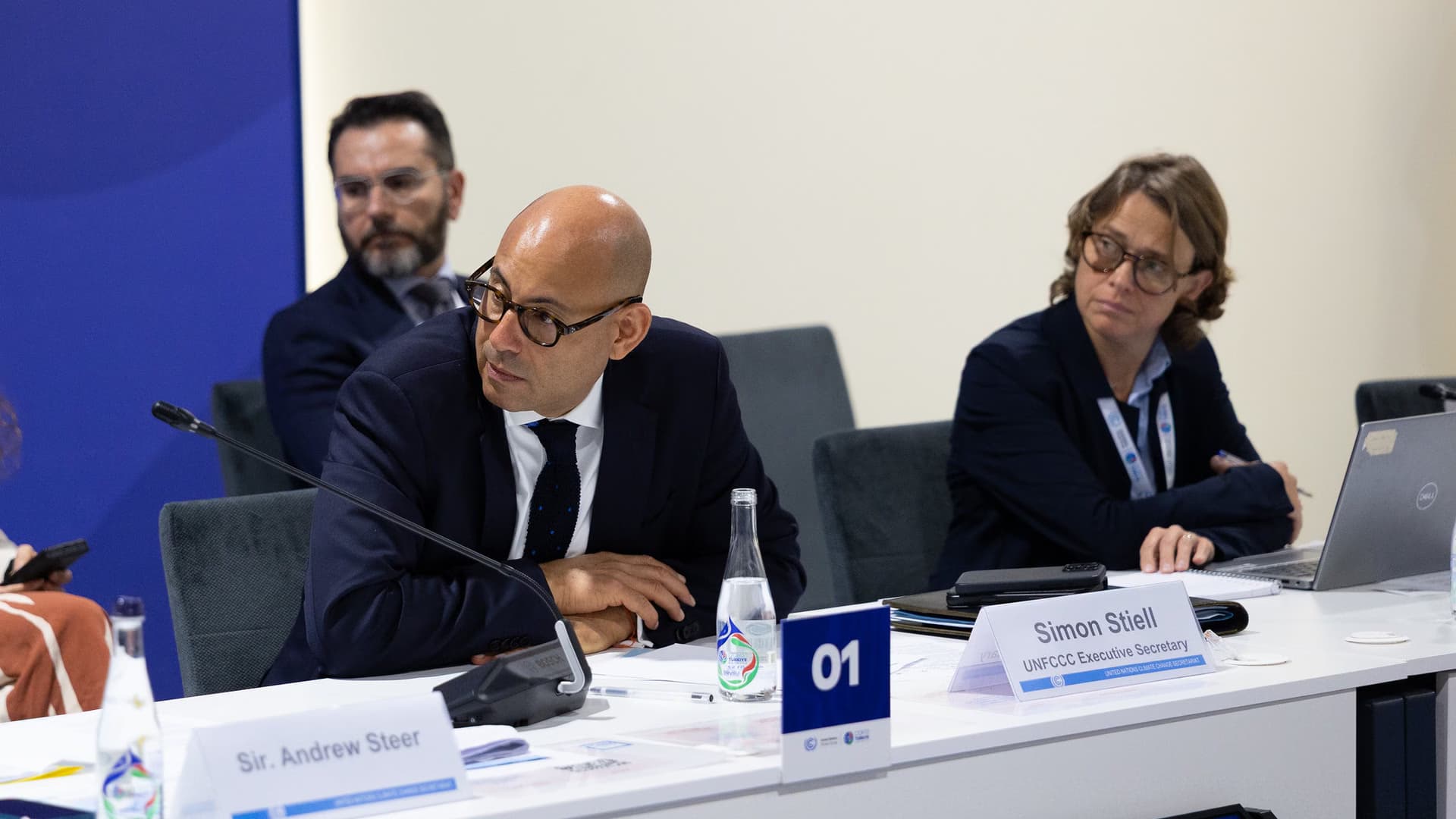
The UN Climate Change Conference, COP31, in the Turkish city of Antalya is entering its second and decisive week after conference president Murat Kurum said the first week ended with “strong progress” spanning electrification, climate finance, adaptation and a just transition. On the seventh day of the conference, Sunday, the Blue Zone is closing its doors to visitors, with ministerial-level consultations set to intensify at the start of the week.
Kurum, Türkiye’s minister of environment, urbanization and climate change, said: “Our goal is clear: a strong political outcome from Antalya and tangible climate action.”
“We are not waiting for new pledges”
Finance remains the most difficult issue facing negotiators. At a press conference on Saturday, Kurum said international resources estimated at around $1.3 trillion a year were insufficient to address climate challenges, noting that this amount had not yet been raised. He added: “We are not waiting for new pledges, but we want existing pledges to be implemented,” stressing that meeting climate commitments “is a necessity, not an option.”
African countries are calling for adaptation finance to be tripled to at least $120 billion a year by 2035, Climate Home News reported. Tasneem Essop, executive director of the Climate Action Network, said climate finance was “the biggest barrier to climate action in the Global South.” Australian lead negotiator Chris Bowen said only 0.2 percent of global climate finance goes to small island developing states for adaptation.
The Arab Group and the “comprehensive decision”
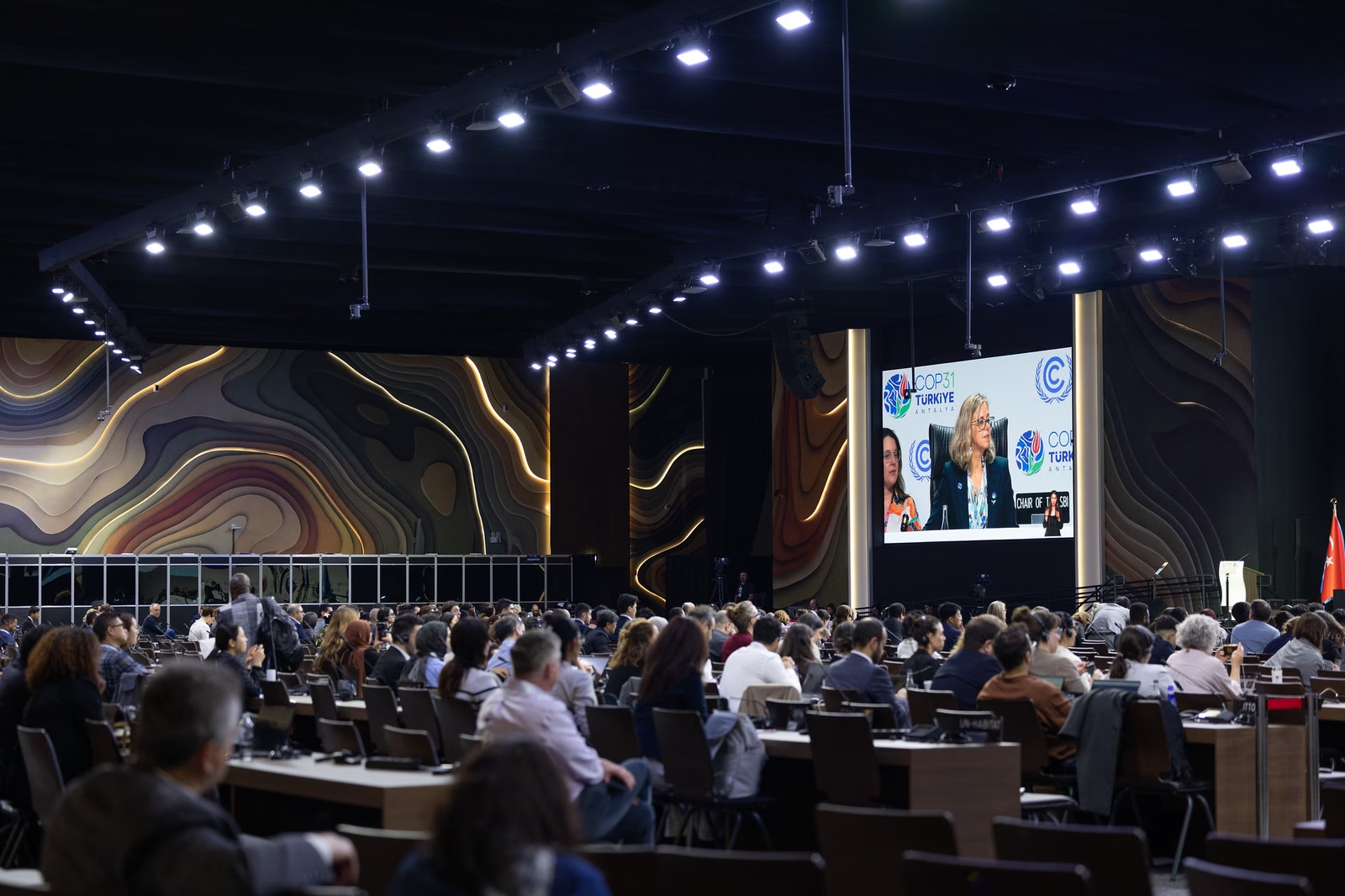
The first draft of the agreement is expected to be presented at the start of next week, Bowen said. The Australian negotiation presidency is working on a “comprehensive decision” to be adopted by consensus, but the Arab Group and Russia are among the parties that believe there is no mandate for such an overarching agreement, AFP reported, quoting Alden Meyer, an expert at the E3G think tank.
Saudi Arabia, India and China also called for more time to include research and data from developing countries in the Intergovernmental Panel on Climate Change’s next assessment, favoring its publication in 2029. Arab countries, along with Mexico, South Korea and Switzerland, proposed holding conferences of the parties every two years instead of annually, Climate Home News reported.
Gaza present in Antalya
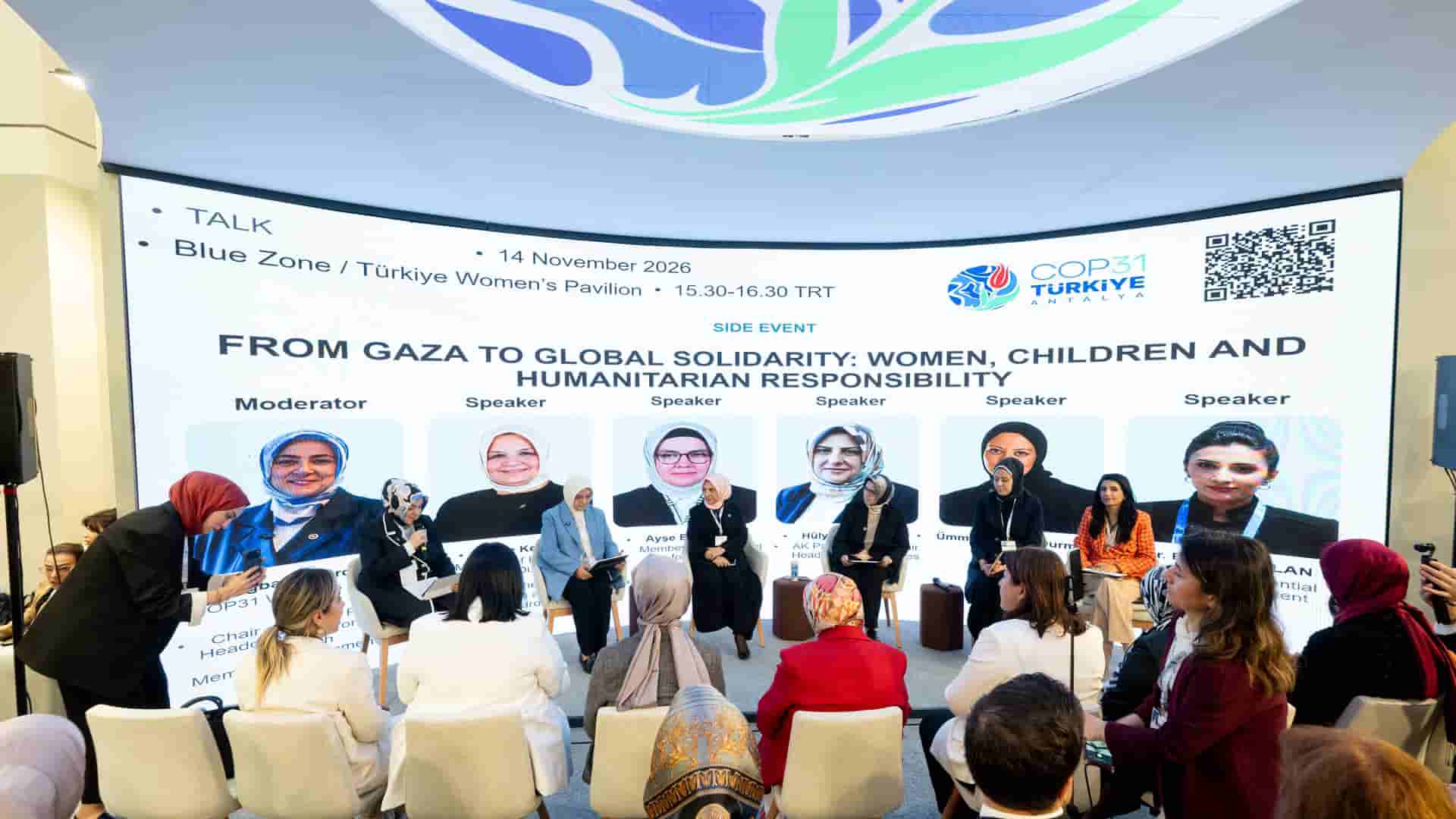
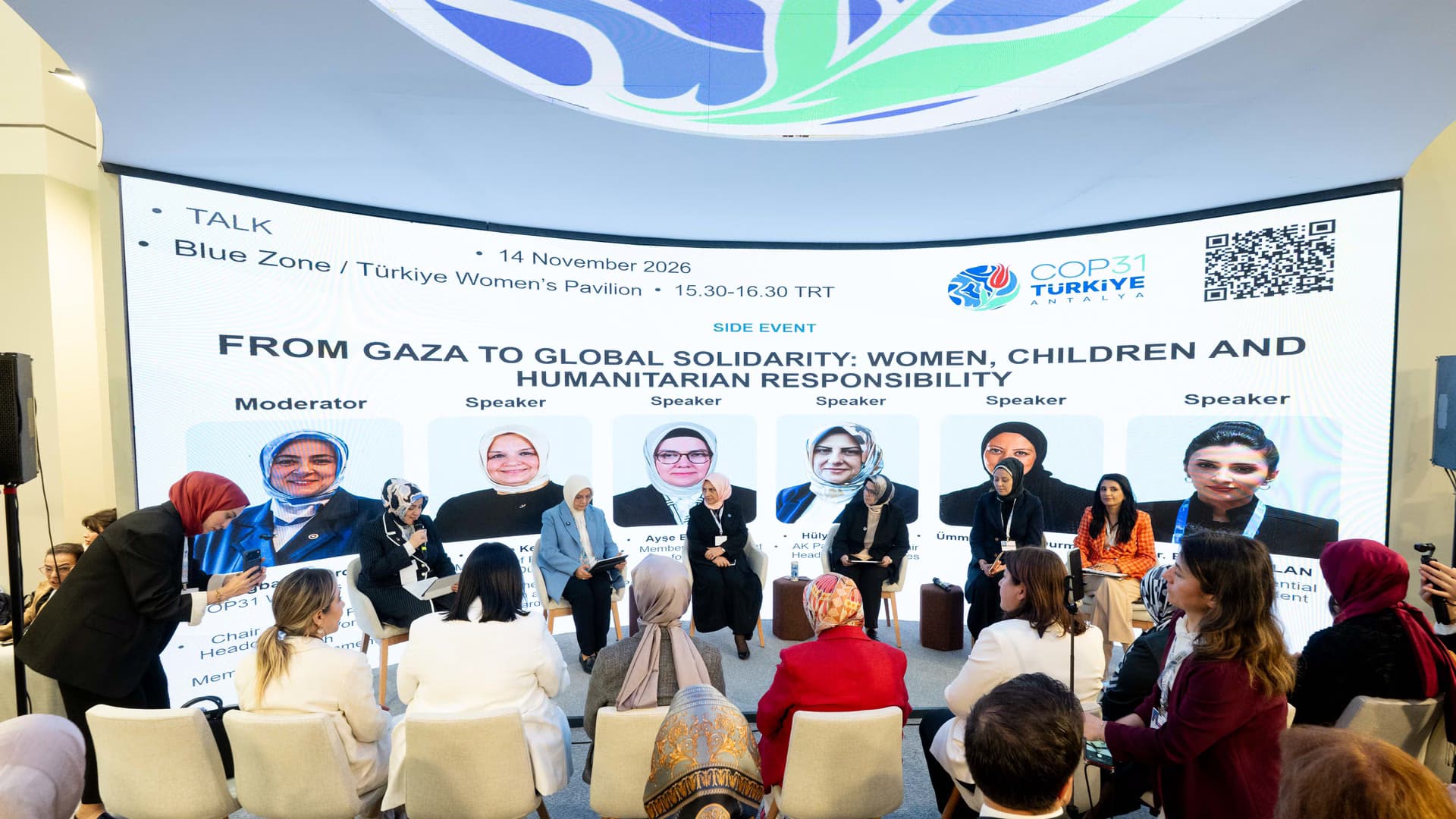
On the sidelines of the conference, Turkish officials warned during a seminar titled “From Gaza to Global Solidarity: Women, Children and Humanitarian Responsibility” at the Turkish Women’s Pavilion of a long-term environmental catastrophe in the enclave. Tuba Işık Ercan, the conference’s climate ambassador for women, said Israeli bombardment had left more than 14 times as much rubble as conflicts worldwide over the past 16 years, and that 97 percent of Gaza’s groundwater had become undrinkable, while women and children account for more than 75 percent of those killed since October 7, 2023.
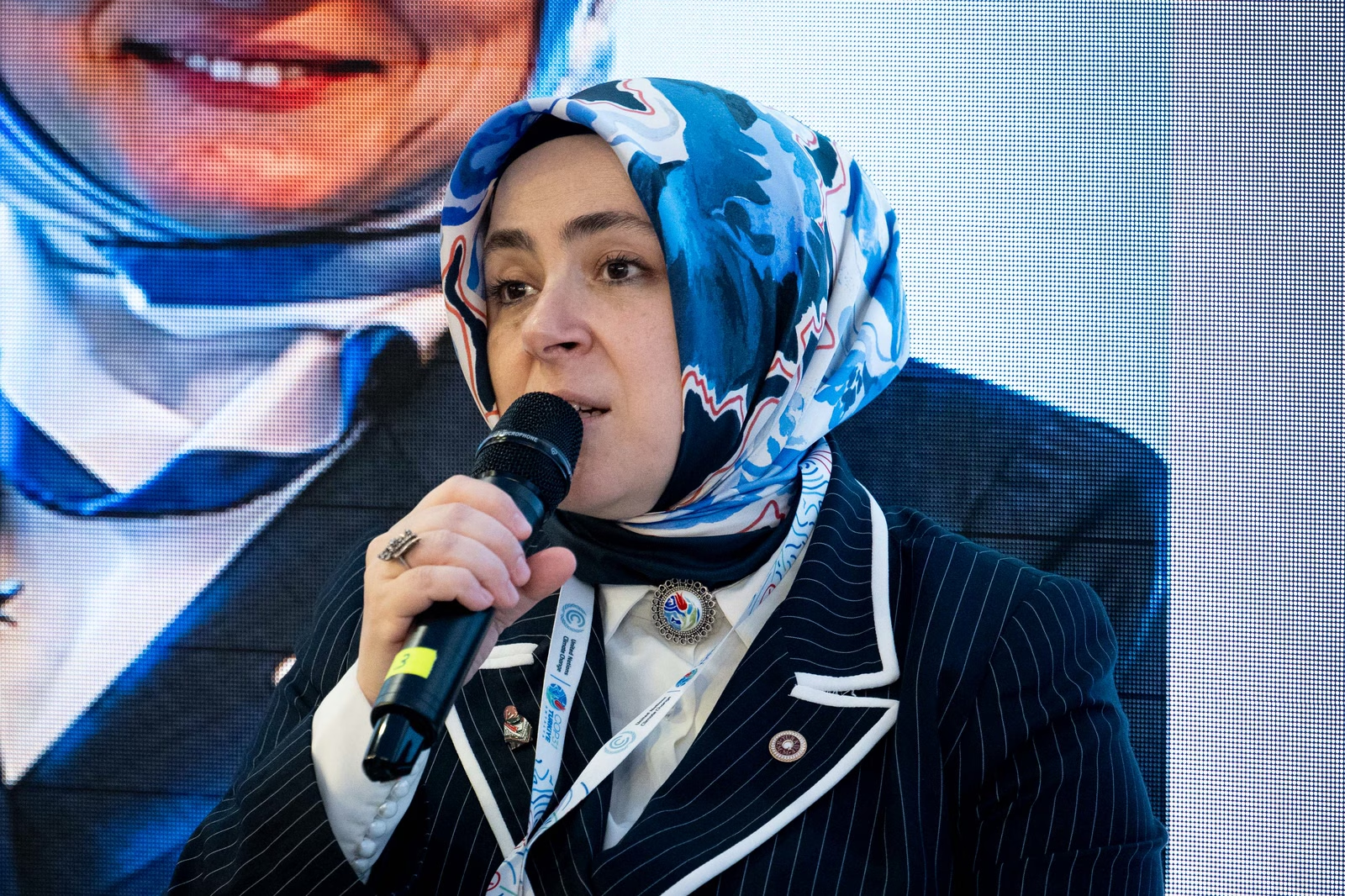
Lawmaker Ayşe Böhürler said 97 percent of vegetation and fruit trees and 82 percent of agricultural land had been destroyed, warning that the soil would not regain its fertility over the next 10 years. Kurum had affirmed that Türkiye would continue to stand with Palestine, commenting on the standing ovation for Palestinian Prime Minister Mohammad Mustafa during the conference.
Monday will focus on science, industry and technology, while the final negotiations will conclude on November 20.
Photos: Anadolu, UN Climate Change
Stay Updated with Hilal Times
Subscribe to be informed about special news, developments and announcements. We will keep you informed.
By signing up, you agree to our Privacy Policy