- BIST10011,843+1.51%
- USD50.28+0.05%
- EUR55.60-0.24%
- GOLD3,886.30+0.03%
- INTEREST36.00%-1.00
- BITCOIN63,830-0.45%
- November 15, 202612°
- BIST10011,843+1.51%
- USD50.28+0.05%
- EUR55.60-0.24%
- GOLD3,886.30+0.03%
- INTEREST36.00%-1.00
- BITCOIN63,830-0.45%
- November 15, 202612°
Half-burnt olive tree tells COP31 visitors in Antalya Gaza's story of destruction
The “Hope of Return – The Story of the Olive Tree” exhibition in the Green Zone of COP31 is attracting visitors from various countries with items brought from Gaza and photographs by Anadolu Agency photographers. Memur-Sen Chairman Ali Yalçın said the destruction in the enclave caused emissions equivalent to 33.2 million tons of carbon dioxide.

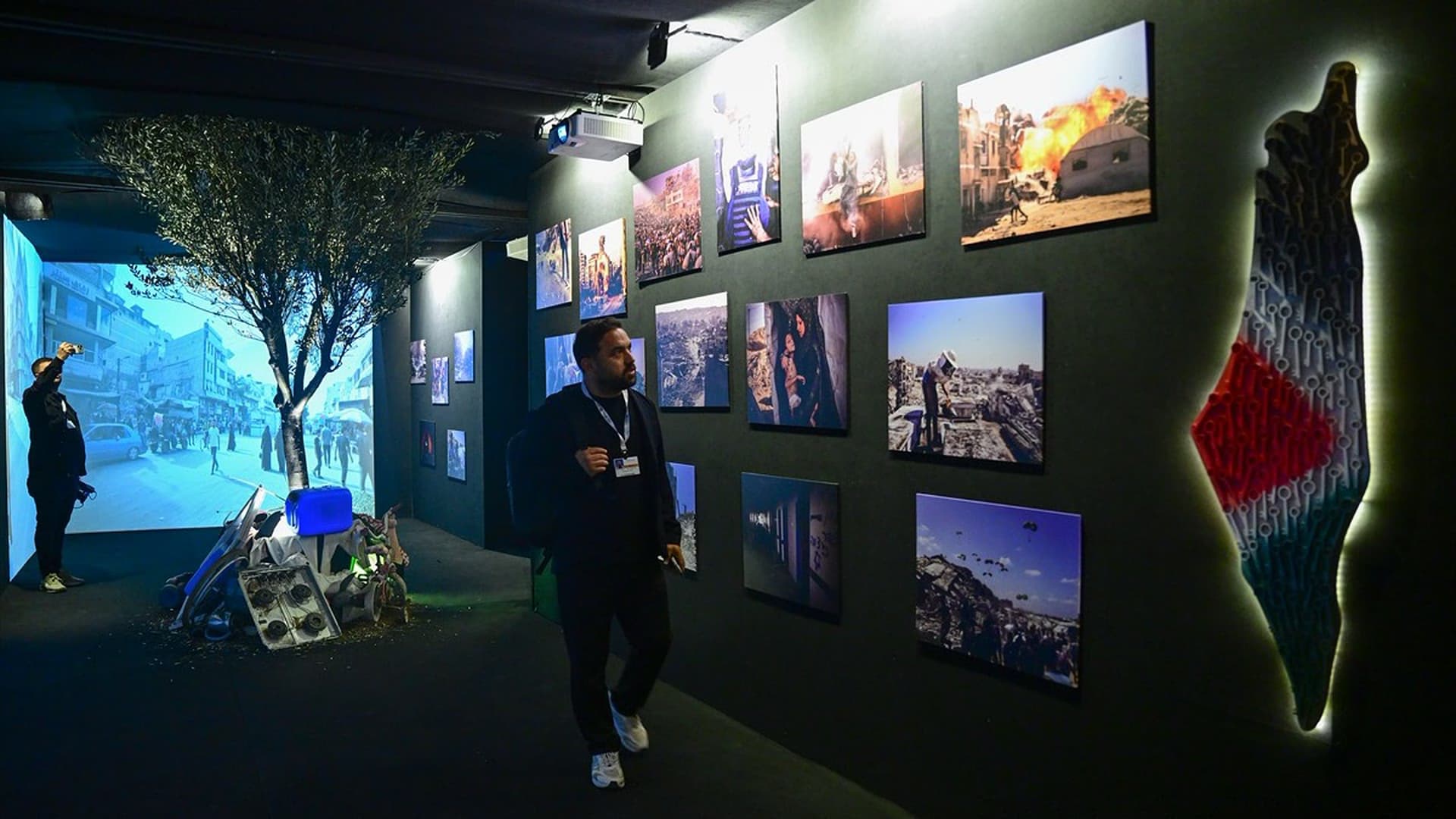
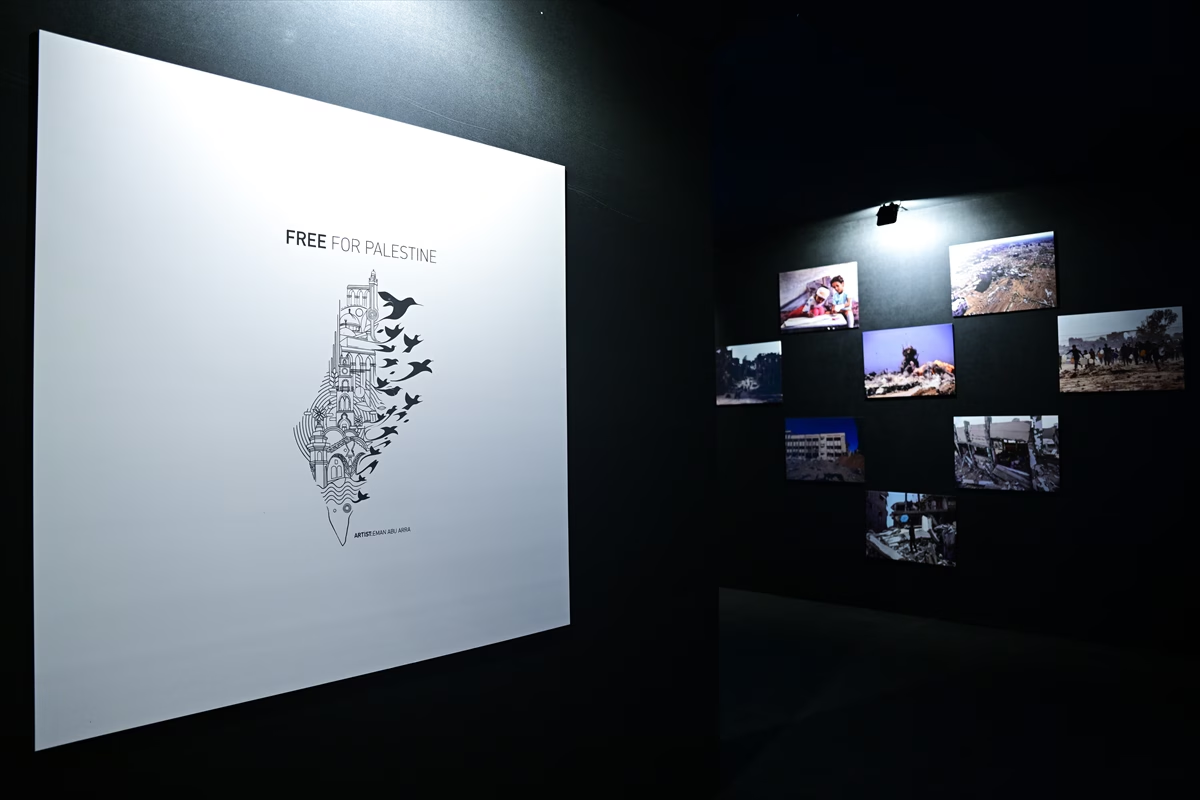
A corner of the foyer at the United Nations COP31 climate conference's Green Zone in Antalya, Türkiye, has become a window onto Gaza. The interactive “Hope of Return – The Story of the Olive Tree” exhibition presents the human and environmental impact of the war on the enclave and is drawing significant interest from Turkish and foreign participants at the conference hosted by Türkiye.
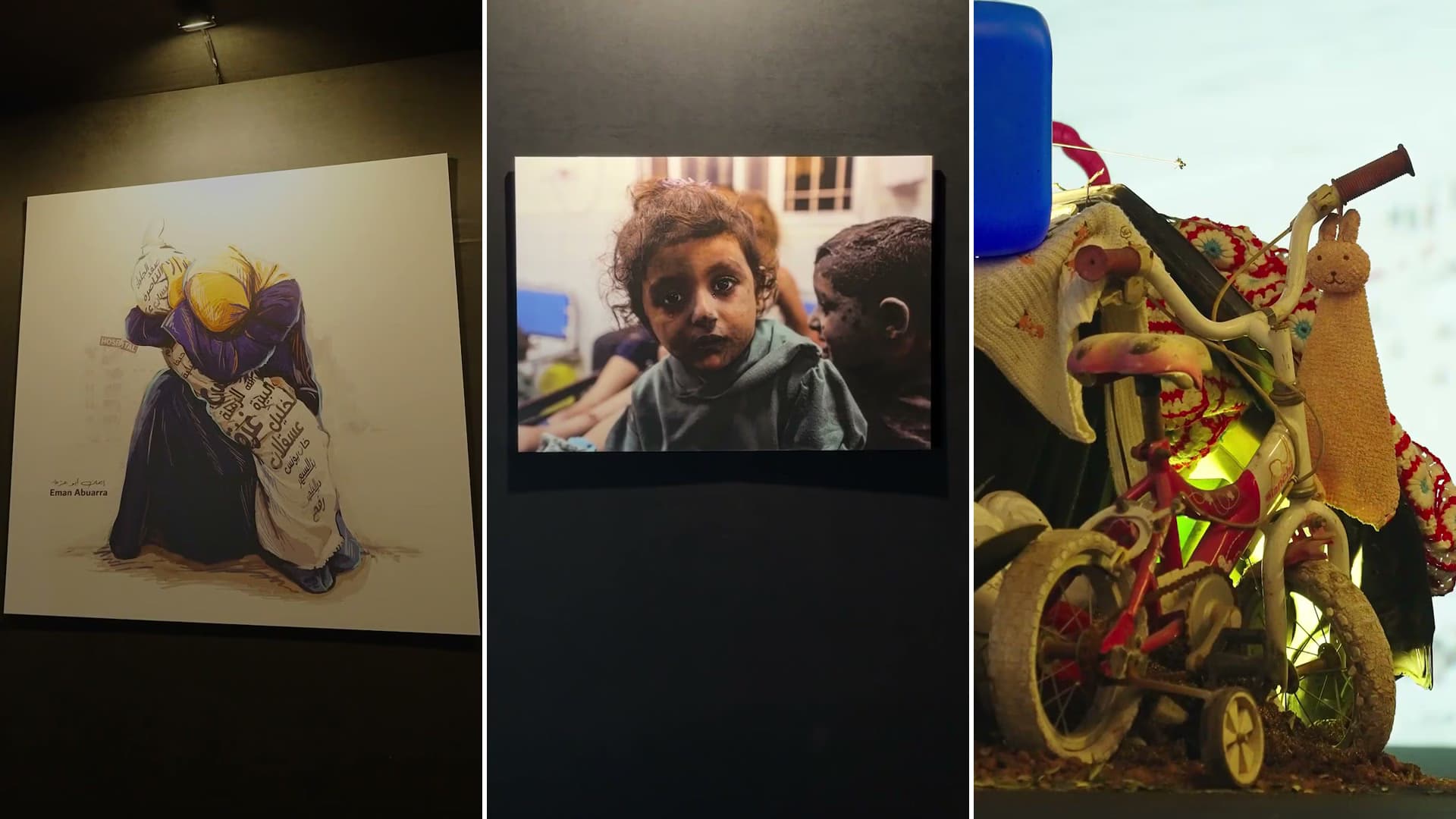
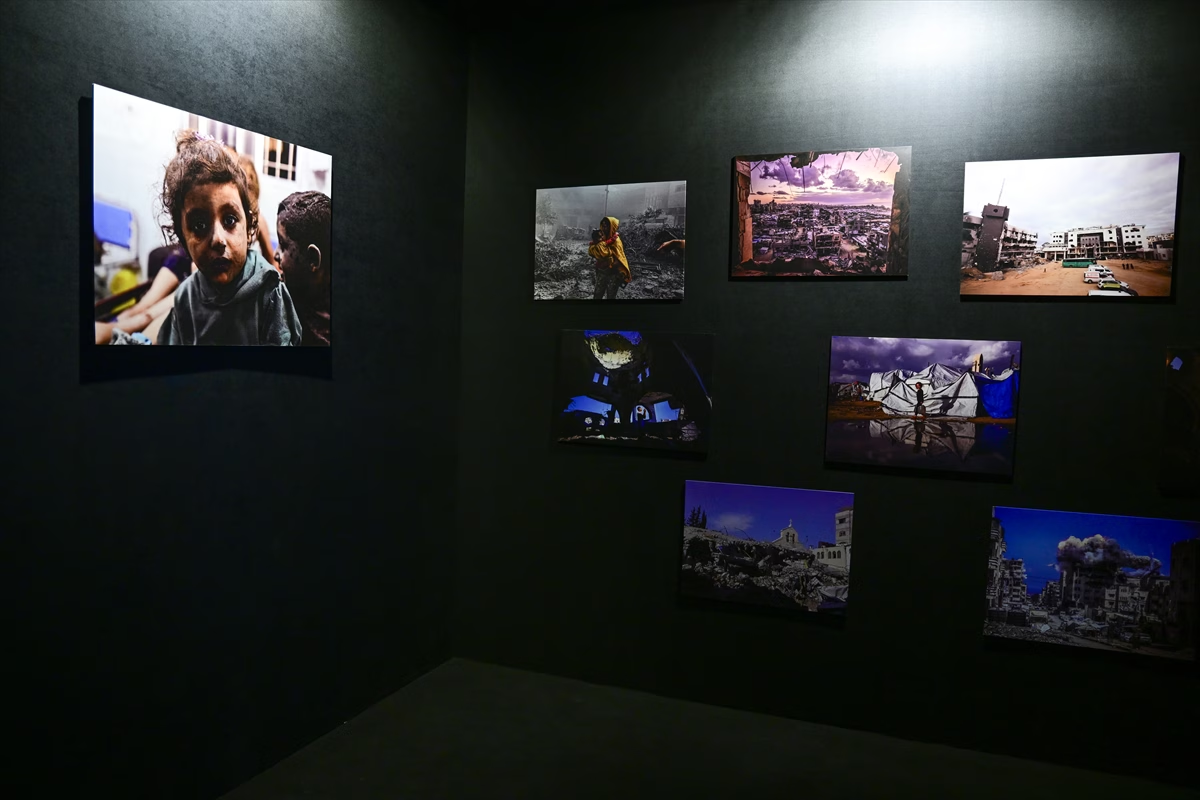
The exhibition was organized by Türkiye's Confederation of Public Employees' Unions, Memur-Sen, and the International Labour Confederation (ILC), with contributions from Anadolu Agency. It features 63 photographs taken by the agency's photographers documenting the human and environmental destruction in Gaza, alongside works by Palestinian artists.
Items from the heart of the enclave
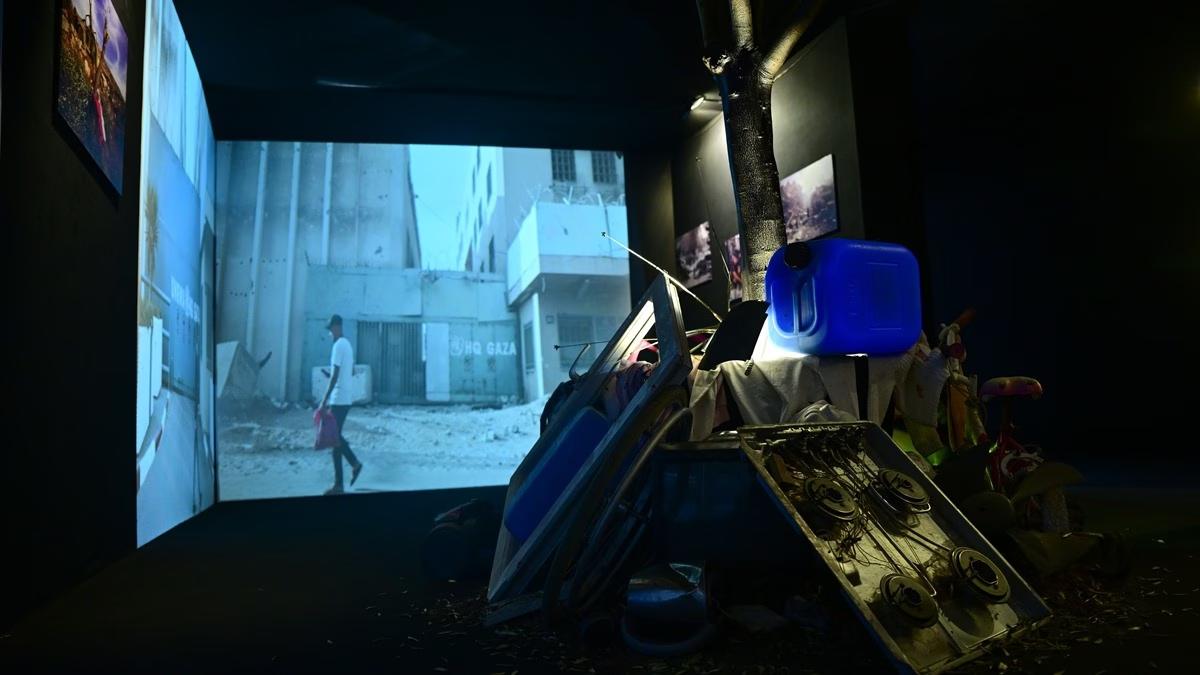
The exhibition includes objects from daily life brought from Gaza, including children's clothes and toys. At its center stands an olive tree, partly burned while the rest remains green, symbolizing Palestinians' connection to their past and land, as well as hope that remains undimmed despite the scale of the devastation.
One wall displays a map of Palestine made from keys symbolizing homes in Gaza, evoking displaced families' wait for the day of return. The exhibition takes visitors on an interactive journey that begins with life in Gaza before the war, passes through the destruction it endured and ends with hope for the future, making it one of the conference's most visited stops.
33.2 million tons of emissions and 64 million tons of rubble
Ali Yalçın, chairman of Memur-Sen and the International Labour Confederation, told Anadolu Agency that the conference, which addresses climate change and environmental problems, had also placed the human and environmental destruction in Gaza on its agenda. He said the destruction in the enclave caused greenhouse gas emissions equivalent to 33.2 million tons of carbon dioxide, while the amount of rubble in Gaza reached 64 million tons.
“The war affects not only buildings but also people's lives, their future and the environment. At a conference discussing greenhouse gas and carbon emissions, no one should forget that the greatest destruction, both human and environmental, has occurred in Gaza,” he said.
Yalçın said the items in the exhibition had been brought directly from Gaza. “For the Palestinian people, the olive tree burned on one side is not merely a tree; it represents families' past, their hard work and the future of their children. Gaza will not be remembered for its rubble and will not remain beneath it. Gaza will rise again because its people have not lost hope,” he said.
“One school, thousands of hopes”
Yalçın highlighted the worsening humanitarian conditions in the enclave. “The rain is increasing the suffering of those living in tents, children are deprived of education, and problems with health services and securing food continue,” he said. He explained that Memur-Sen had launched a campaign under the slogan “One school, thousands of hopes” and was now able to fund 10 schools.
He said the exhibition was receiving attention from visitors and international media and aimed to convey what is happening in Gaza to the international participants at the conference.
Photos: Anadolu Agency
Stay Updated with Hilal Times
Subscribe to be informed about special news, developments and announcements. We will keep you informed.
By signing up, you agree to our Privacy Policy