- BIST10010,977+2.18%
- USD50.70+0.04%
- EUR55.61+0.02%
- GOLD3,668.50+2.91%
- INTEREST36.00%-1.00
- BITCOIN58,804-0.87%
- November 29, 20269°
- BIST10010,977+2.18%
- USD50.70+0.04%
- EUR55.61+0.02%
- GOLD3,668.50+2.91%
- INTEREST36.00%-1.00
- BITCOIN58,804-0.87%
- November 29, 20269°
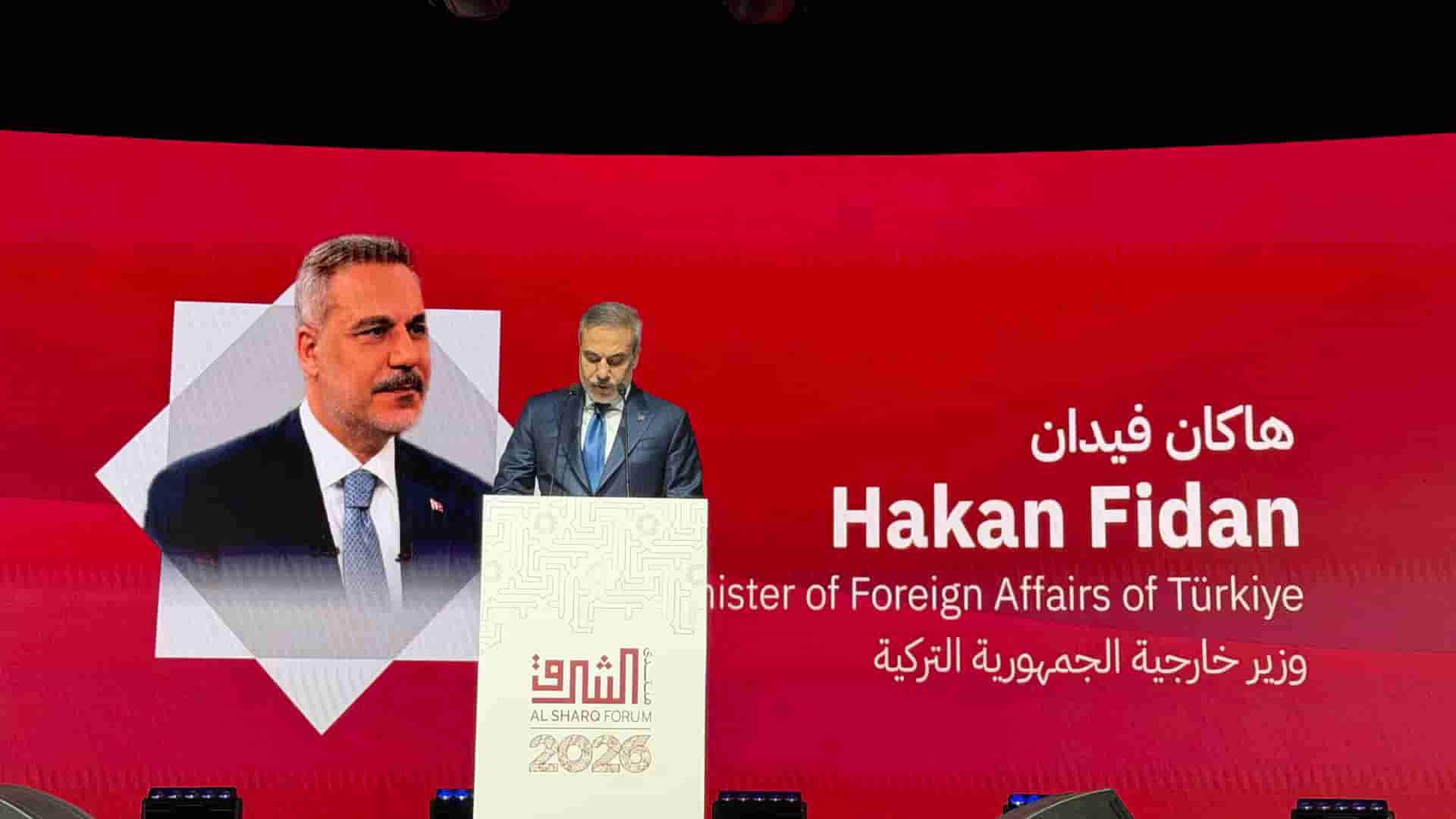
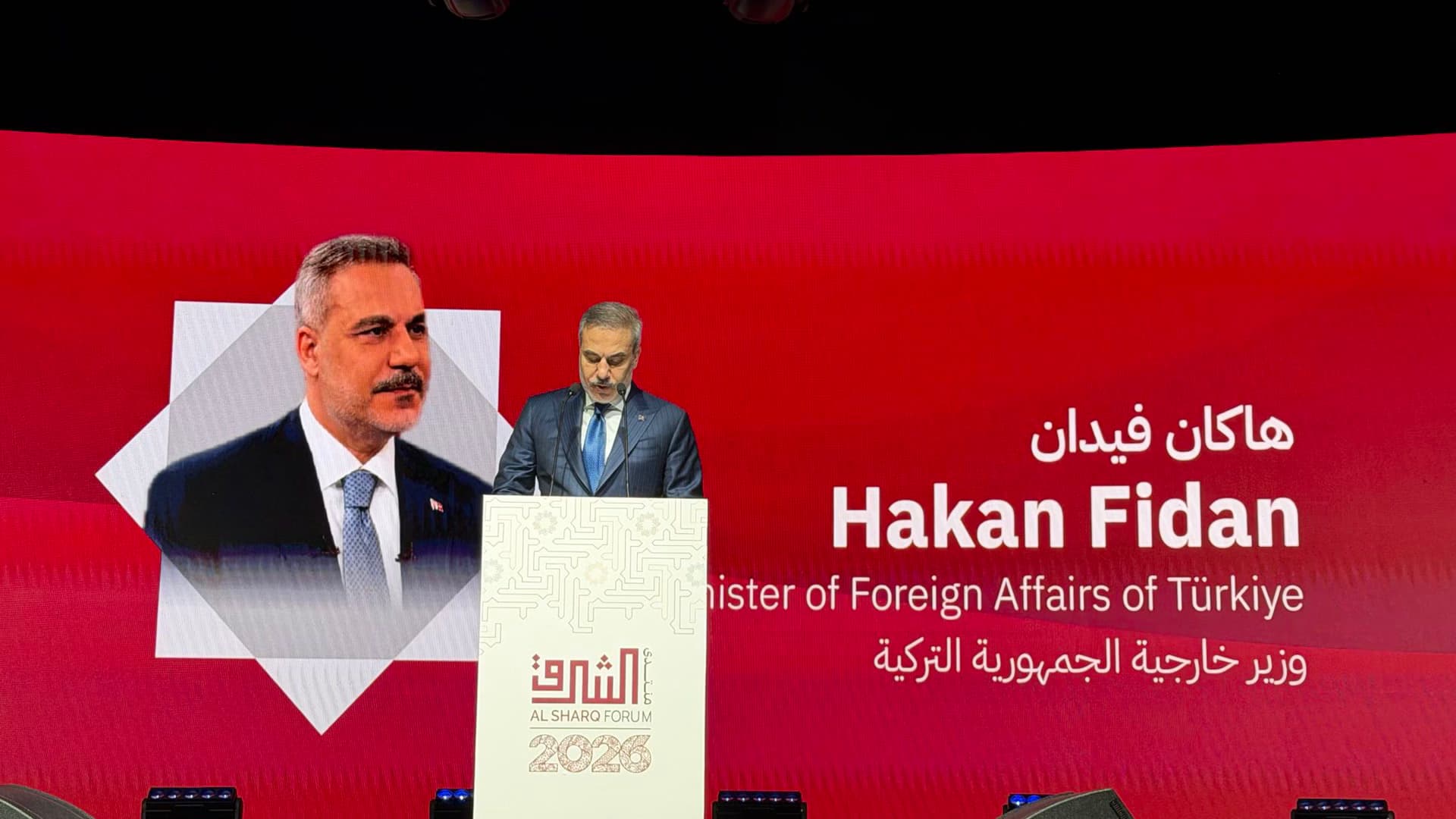
East Forum urges regional security system; Omani researcher calls Israel common enemy
Diplomats and experts at the East Forum 2026 session “Toward a More Integrated East” in Istanbul called for building a shared regional security system. They said the war had demonstrated the inability of external powers to guarantee the region’s security.
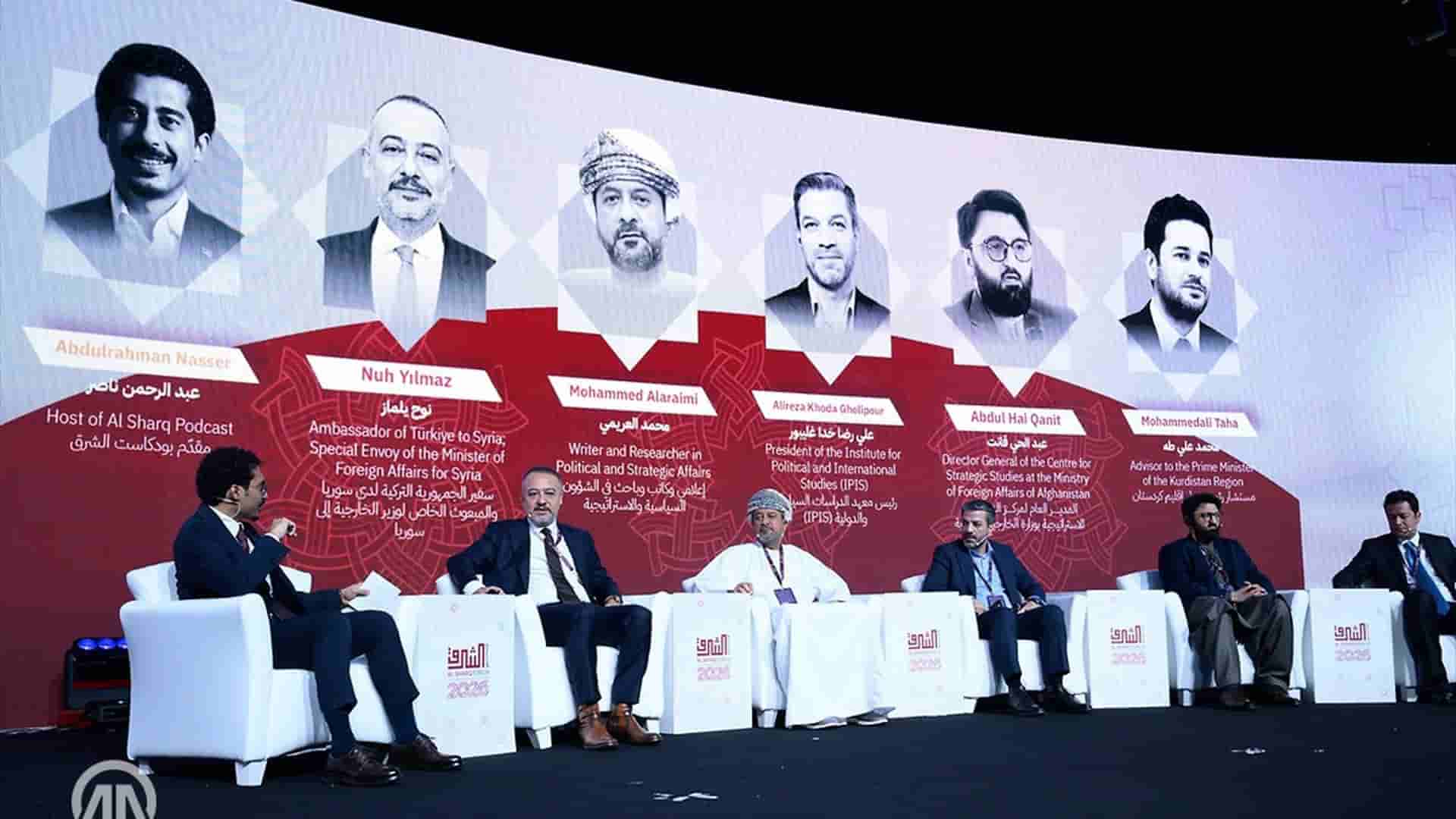
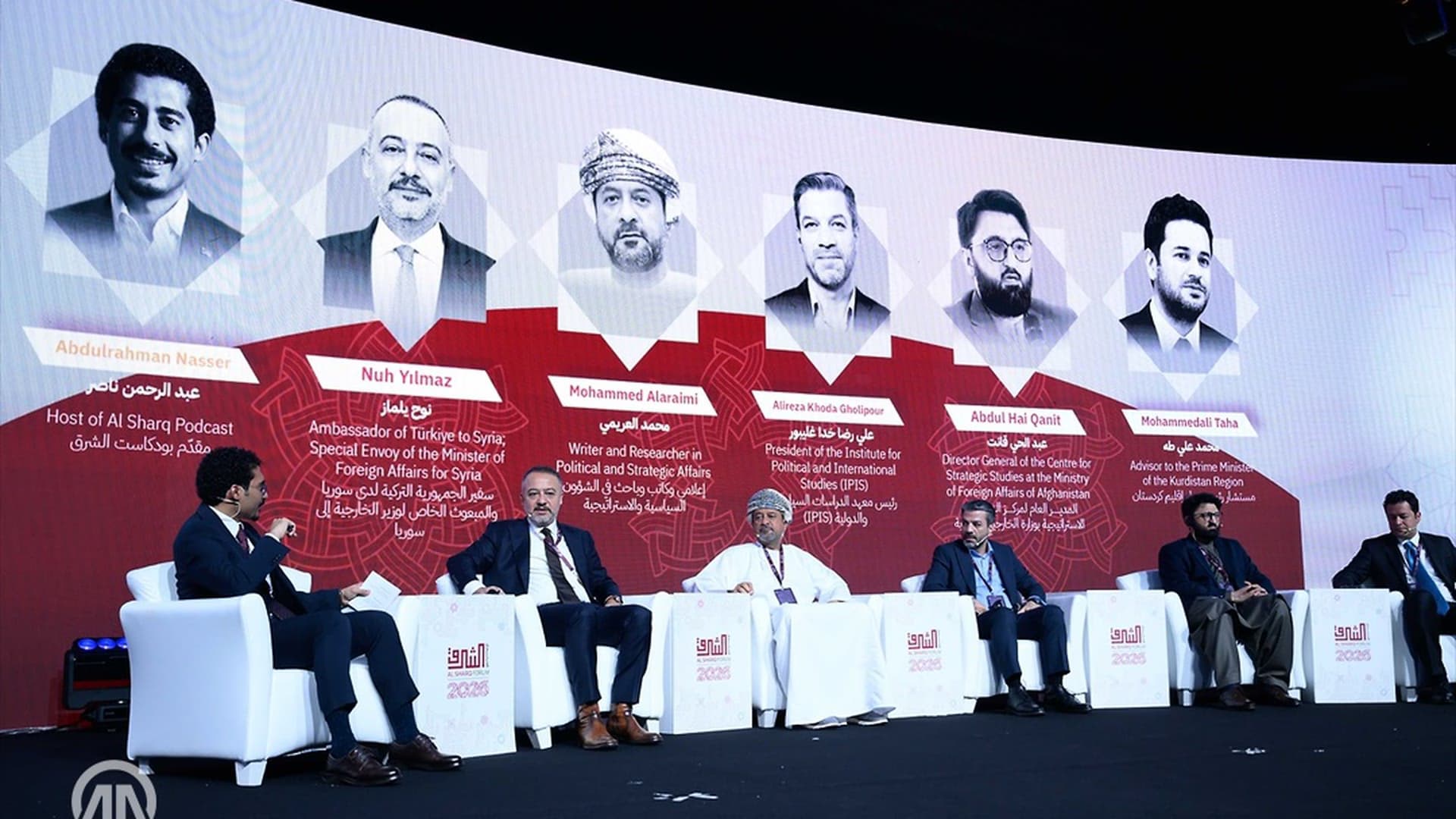
Diplomats and experts from Türkiye, Iran, Oman, Iraq and Afghanistan called for building a shared regional security system and strengthening cooperation among the region’s countries during the “Toward a More Integrated East” session at the East Forum 2026, “The East’s Moment,” in Istanbul.
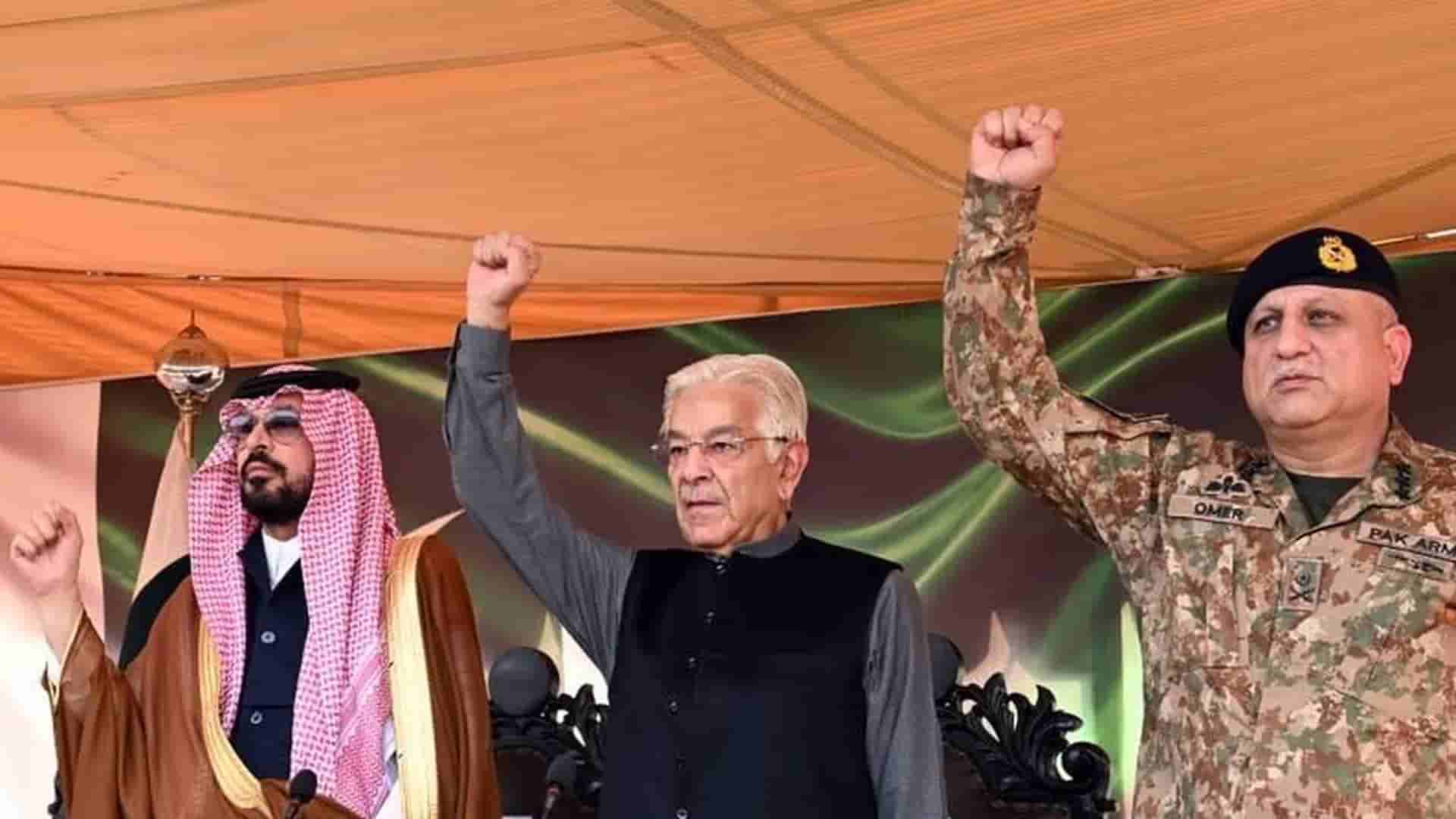
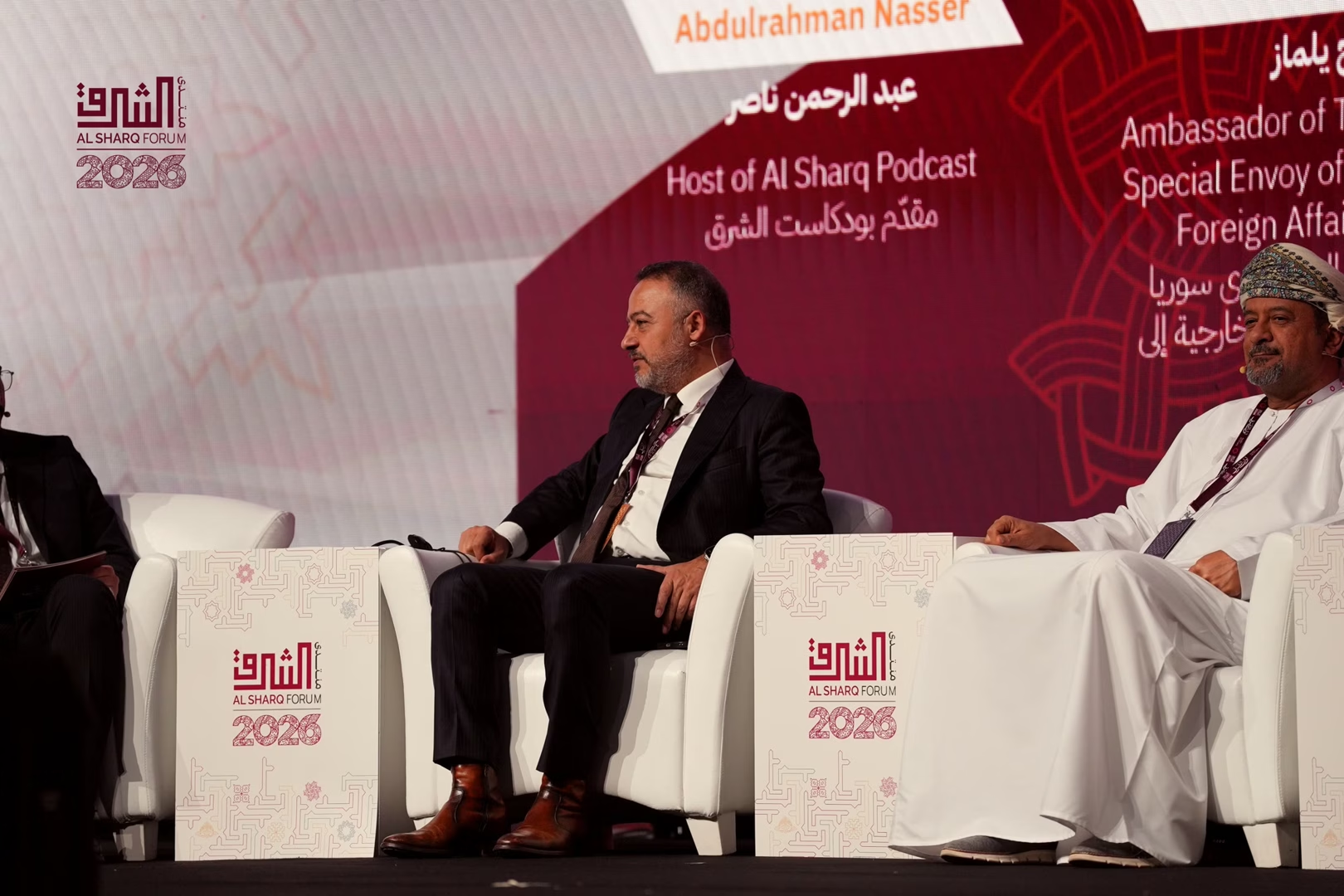
Nuh Yilmaz, Türkiye’s ambassador to Damascus and the foreign minister’s special envoy to Syria, said France and Germany established Europe’s longest period of peace after joining the NATO alliance despite their long history of wars. He called for viewing the Mecca Agreement for joint defense from this perspective and stressed that global powers had demonstrated their inability to guarantee the region’s security.
Iran: No return to the prewar order
Ali Reza Khodagholibour, head of Iran’s Institute for Political and International Studies, said Tehran had long called for building a comprehensive regional security system, adding that the war had shown that the region’s countries could not rely on external powers for their security.
Khodagholibour stressed that returning to the system that existed before the war was no longer possible. He called for a new regional security system based on inclusiveness, noninterference in internal affairs and nonaggression, as well as preventing competition among the region’s countries from turning into conflict.
Al-Araimi: Gulf states realized Hormuz’s importance too late
Omani writer and political and strategic affairs researcher Mohammed Al-Araimi said about 22 million barrels of oil crossed the Strait of Hormuz each day before the war, adding: “Unfortunately, the Gulf states did not realize the importance of this strait until the war began.” He urged the Gulf Cooperation Council states to learn lessons from past mistakes, saying: “I believe Israel is the common enemy of Iran and the Arab Gulf states,” and stressing that “a shared security pact for the region is essential.”
Mohammed Ali Taha, adviser to the president of the Kurdistan Regional Government of Iraq, stressed that any regional integration must be based on trust. Abdul-Hay Qant, director of the Strategic Studies Center at Afghanistan’s Foreign Ministry, said Afghanistan, with its location along the historic Silk Road, could regain an important role in regional trade and energy corridors.
Stay Updated with Hilal Times
Subscribe to be informed about special news, developments and announcements. We will keep you informed.
By signing up, you agree to our Privacy Policy