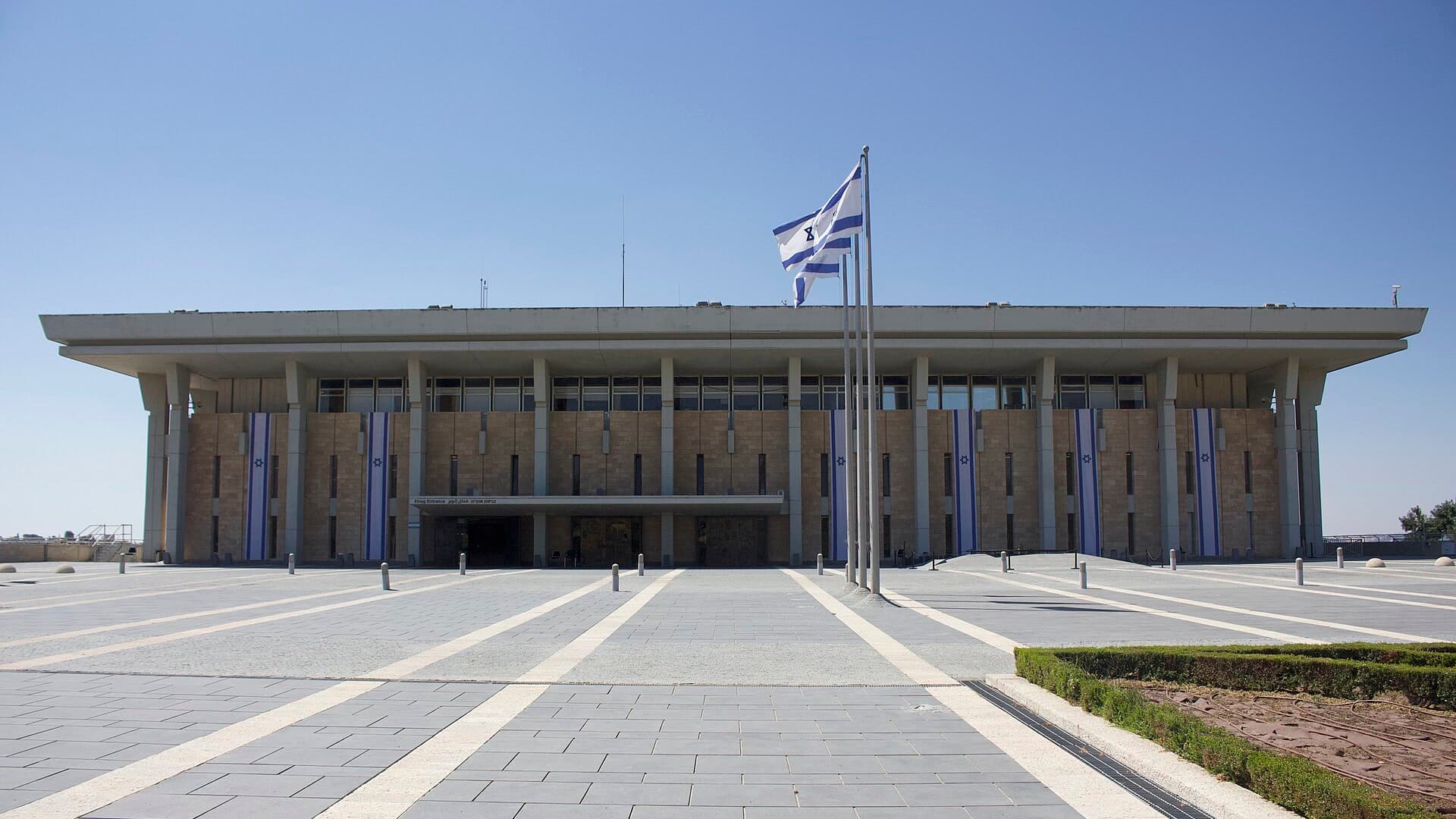
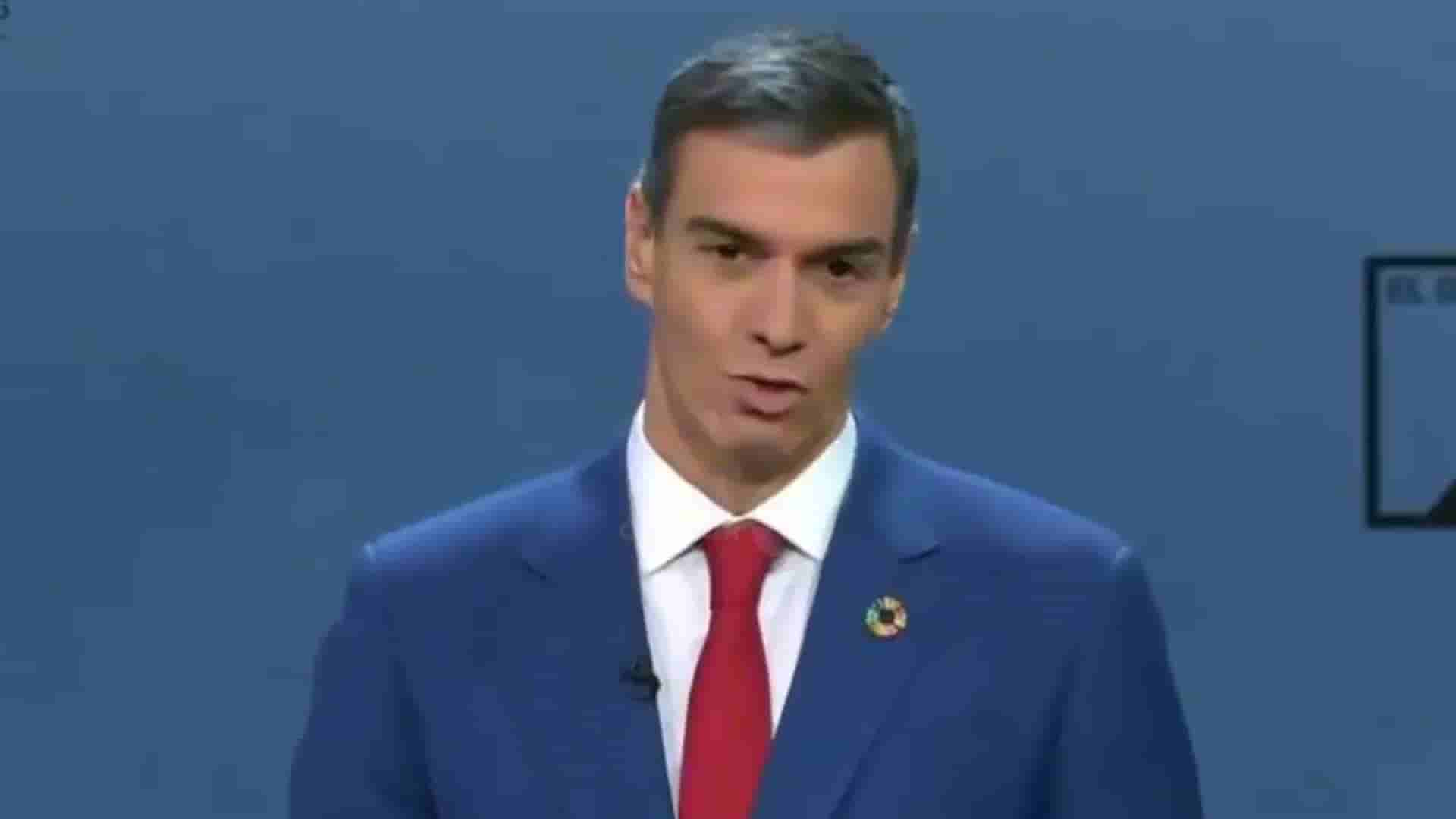
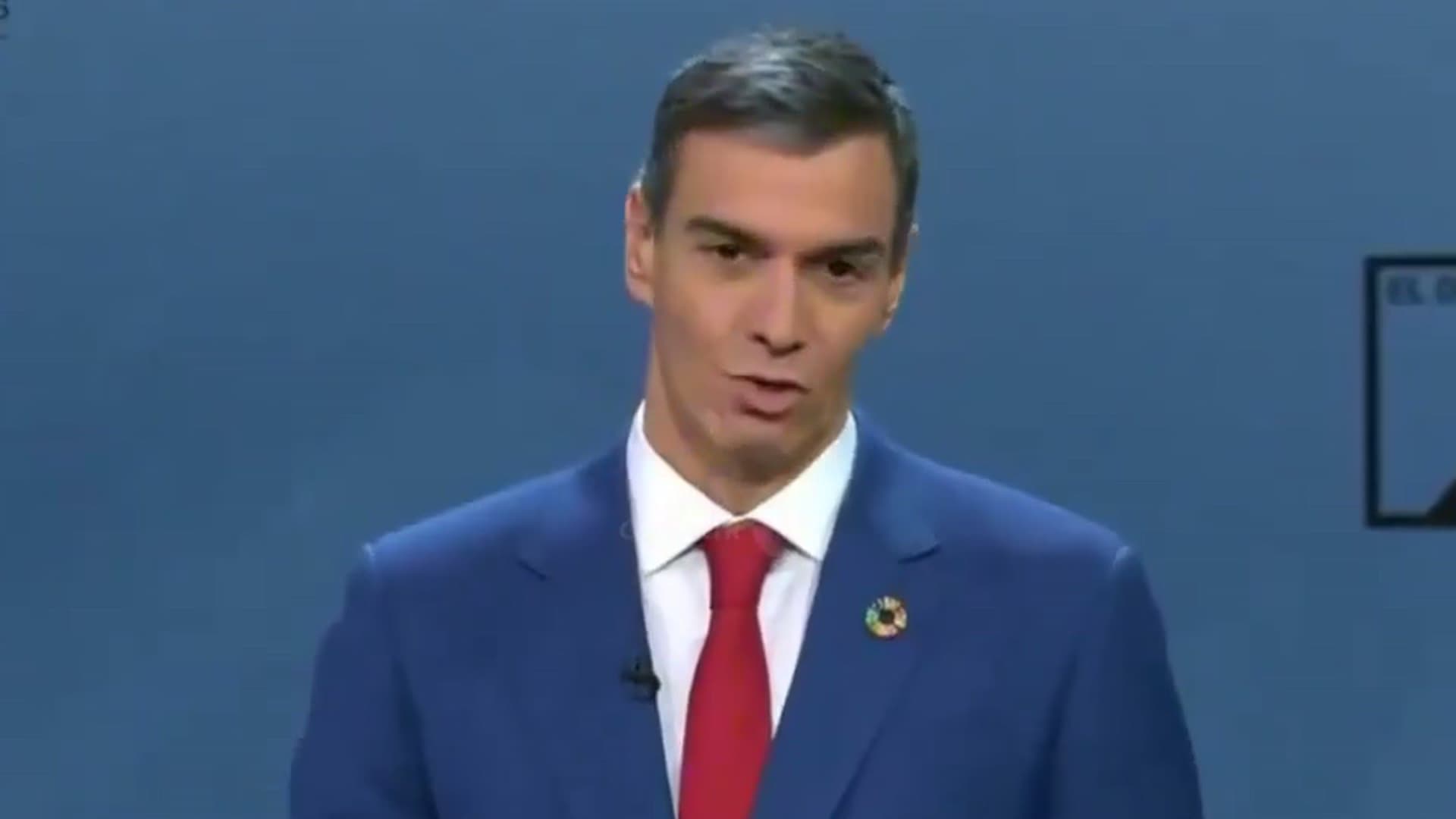
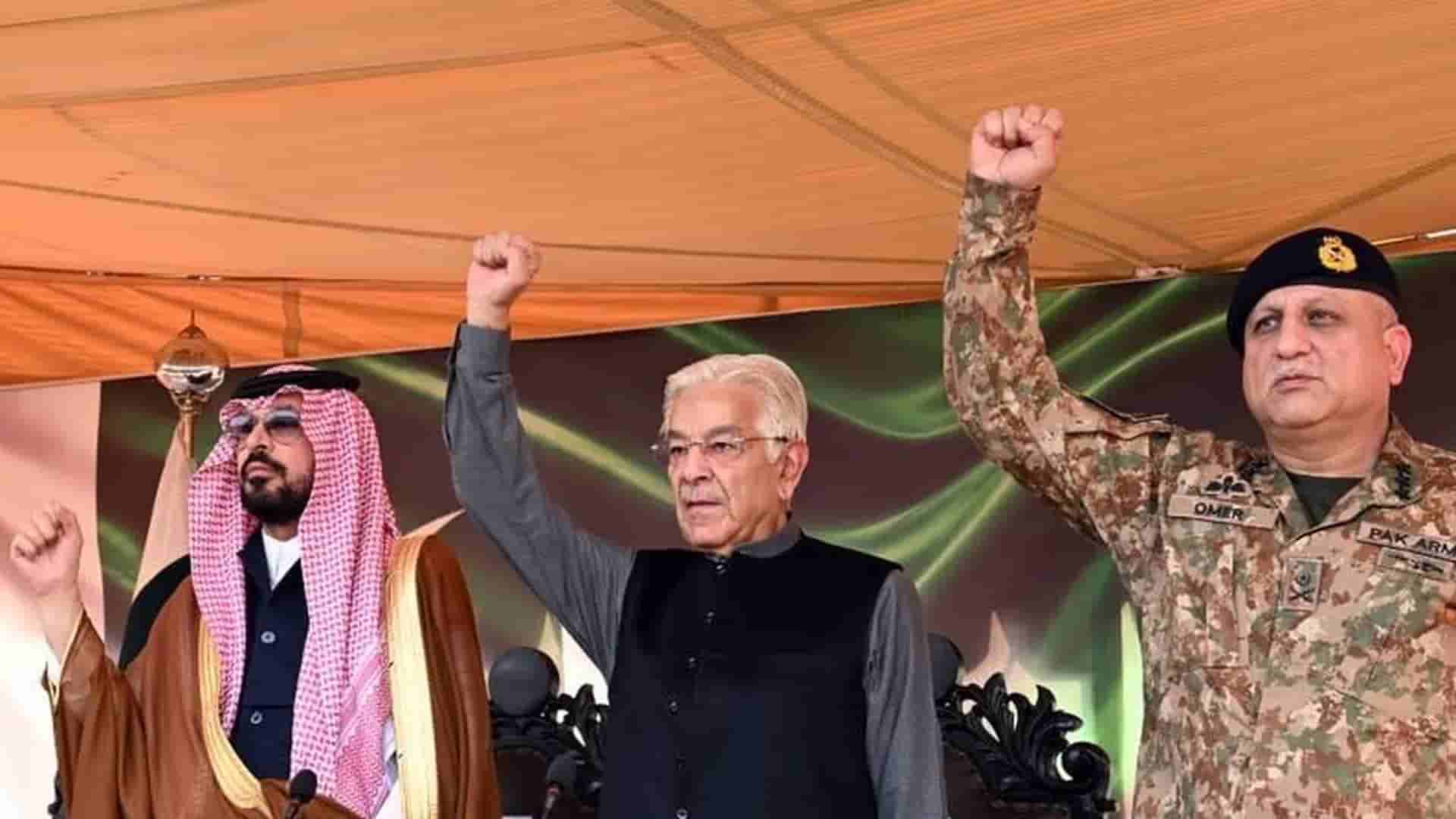
Israeli Prime Minister Benjamin Netanyahu has agreed to form a national unity government in which Gadi Eisenkot, leader of the "Yashar" party, would serve as prime minister, while Netanyahu would become deputy prime minister at the start of the term. The move follows an election in which neither bloc secured a majority.
Hours after Netanyahu made the offer, Eisenkot invited him to talks on Saturday evening. In a statement, he said that he and his negotiating team were at the Dan Accadia Hotel in Herzliya, inviting Netanyahu and his team to join them for "serious and accelerated negotiations on the broad outlines and policy issues," according to Yedioth Ahronoth.
Eisenkot said: "If Likud is ready for genuine unity, I am prepared to test the seriousness of its intentions over the next 24 hours."

"We have received no response"
Eisenkot said he had presented Netanyahu with a detailed coalition proposal last Sunday through a "secret channel" established at Netanyahu's own request, before his party signed any other coalition agreement. He added: "To this moment, we have received no response on these issues."
He stressed that the broad outlines he had prepared for the government he intends to swear in over the coming days would form the basis of any government he leads.
Doubts over the offer's seriousness
Netanyahu's offer was met with skepticism from several parties. Yair Golan, leader of the "Democrats" party, described it as a "political trick," while Avigdor Lieberman, leader of Yisrael Beiteinu, warned that it was merely a maneuver. Former Prime Minister Naftali Bennett welcomed the announcement, saying that the burden of proof now rested with Netanyahu.
Eisenkot's initial mandate to form a government expires on December 6. He can request a one-time extension of 14 days from President Isaac Herzog, although he has pledged to announce the formation of the government before the official deadline without seeking an extension.