- BIST10010,977+2.18%
- USD50.70+0.04%
- EUR55.61+0.02%
- GOLD3,668.50+2.91%
- INTEREST36.00%-1.00
- BITCOIN58,594-1.23%
- November 29, 202610°
- BIST10010,977+2.18%
- USD50.70+0.04%
- EUR55.61+0.02%
- GOLD3,668.50+2.91%
- INTEREST36.00%-1.00
- BITCOIN58,594-1.23%
- November 29, 202610°
Netanyahu offers Eisenkot first turn as prime minister in rotation deal
Israeli Prime Minister Benjamin Netanyahu announced his readiness for Gadi Eisenkot to serve as prime minister first under a rotation agreement, while he would serve as alternate prime minister at the start of the term, in an attempt to form a unity government after an election in which no bloc won a majority.

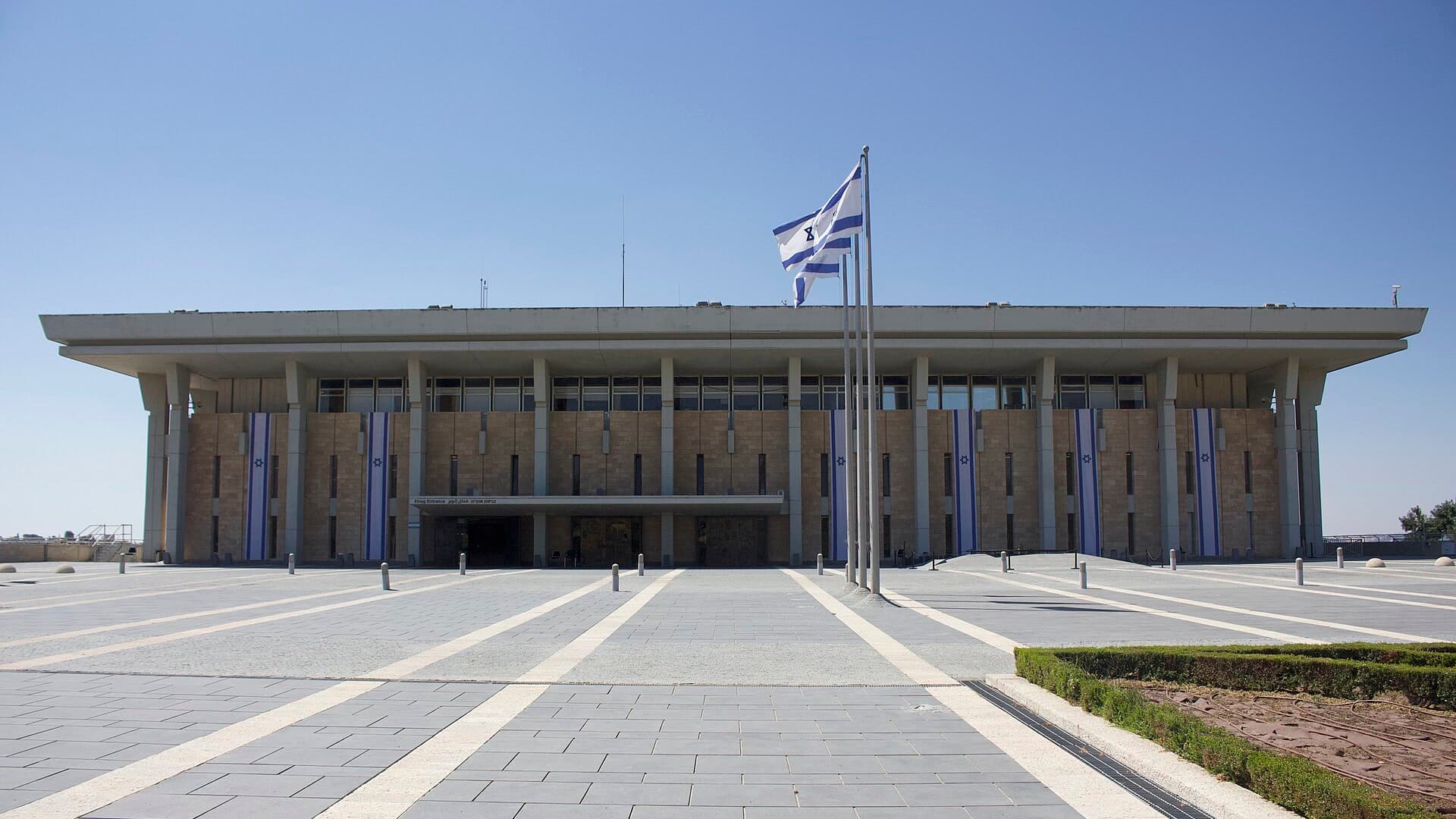
Israeli Prime Minister Benjamin Netanyahu announced on Saturday evening that he was prepared to give up the premiership in the first phase to Gadi Eisenkot, leader of the "Yashar" party, under a rotation agreement, while serving as alternate prime minister at the start of the term.
"I agree that Gadi Eisenkot should serve as prime minister first, while I serve as alternate prime minister at the start of the term," Netanyahu said in a statement, arguing that an "existential threat" required him to abandon the principle of the "largest party."
Netanyahu said that the Likud, under his leadership, was the largest party "by a wide margin, with a quarter of a million more voters than Eisenkot's party." He called for immediate, serious and accelerated negotiations to form a unity government and urged the other side to show a similar willingness to make concessions.
Warning against a government dependent on Arab parties
Netanyahu said a unity government was "the need of the hour" and should bring together parties that view Israel as "the nation-state of the Jewish people." He warned against forming a government dependent on Arab parties and pointed to the possibility of reaching understandings with Haredi partners on military enlistment and Torah study.
Yair Golan, leader of the "Democrats" party, rejected the offer and called it a "political trick," while Bezalel Smotrich, leader of the "Religious Zionism" party, described the offer as sincere.
Eisenkot's mandate ends on December 6
The elections held on October 27 did not give either bloc a majority of 61 seats in the 120-member Knesset. Israeli President Isaac Herzog tasked Eisenkot with forming the government, and his initial mandate expires on December 6.
A rotation agreement under which Eisenkot would begin as prime minister would keep Netanyahu in the government despite his failure to receive the initial mandate to form it.
Stay Updated with Hilal Times
Subscribe to be informed about special news, developments and announcements. We will keep you informed.
By signing up, you agree to our Privacy Policy