- BIST10011,593-1.10%
- USD49.45+0.05%
- EUR55.62+0.37%
- GOLD4,191.40+0.25%
- INTEREST37.00%-1.00
- BITCOIN82,130+0.14%
- October 19, 202617°
- BIST10011,593-1.10%
- USD49.45+0.05%
- EUR55.62+0.37%
- GOLD4,191.40+0.25%
- INTEREST37.00%-1.00
- BITCOIN82,130+0.14%
- October 19, 202617°
Erdoğan backs Eker for FAO chief amid hunger in Gaza and Sudan
President Erdoğan urged support for former agriculture minister Mehdi Eker’s bid to become FAO director-general, in a race decided by member states in summer 2027 in which every Arab country has a vote.
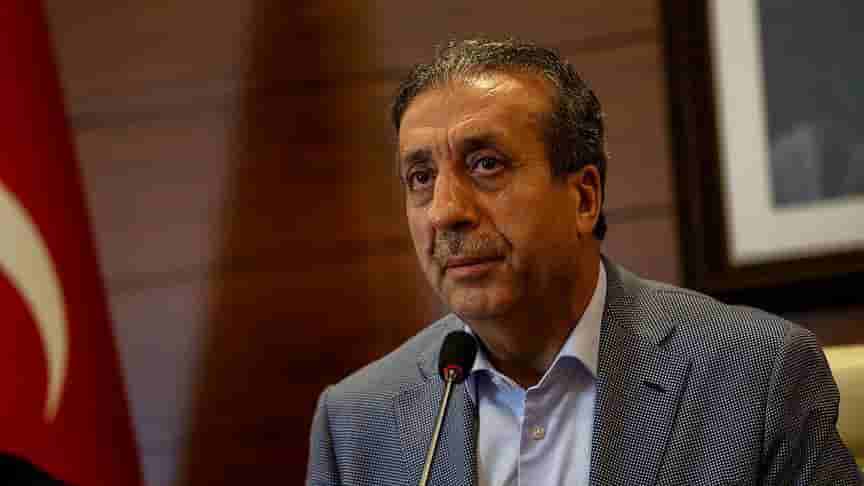
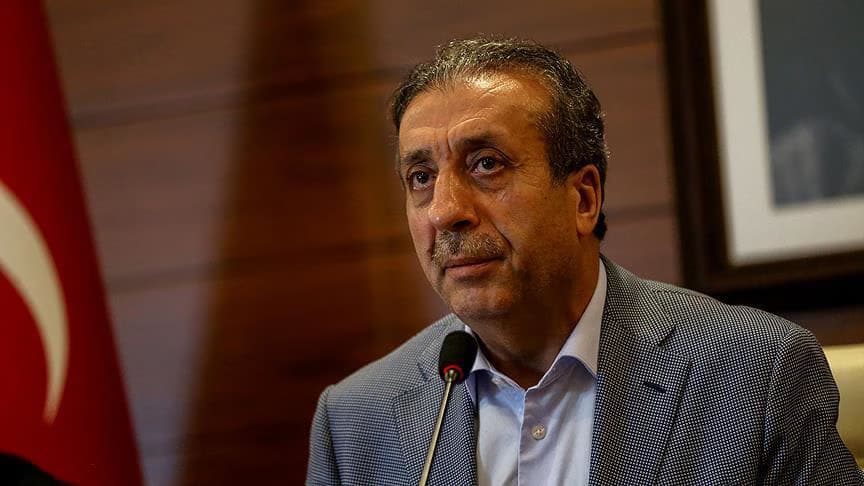
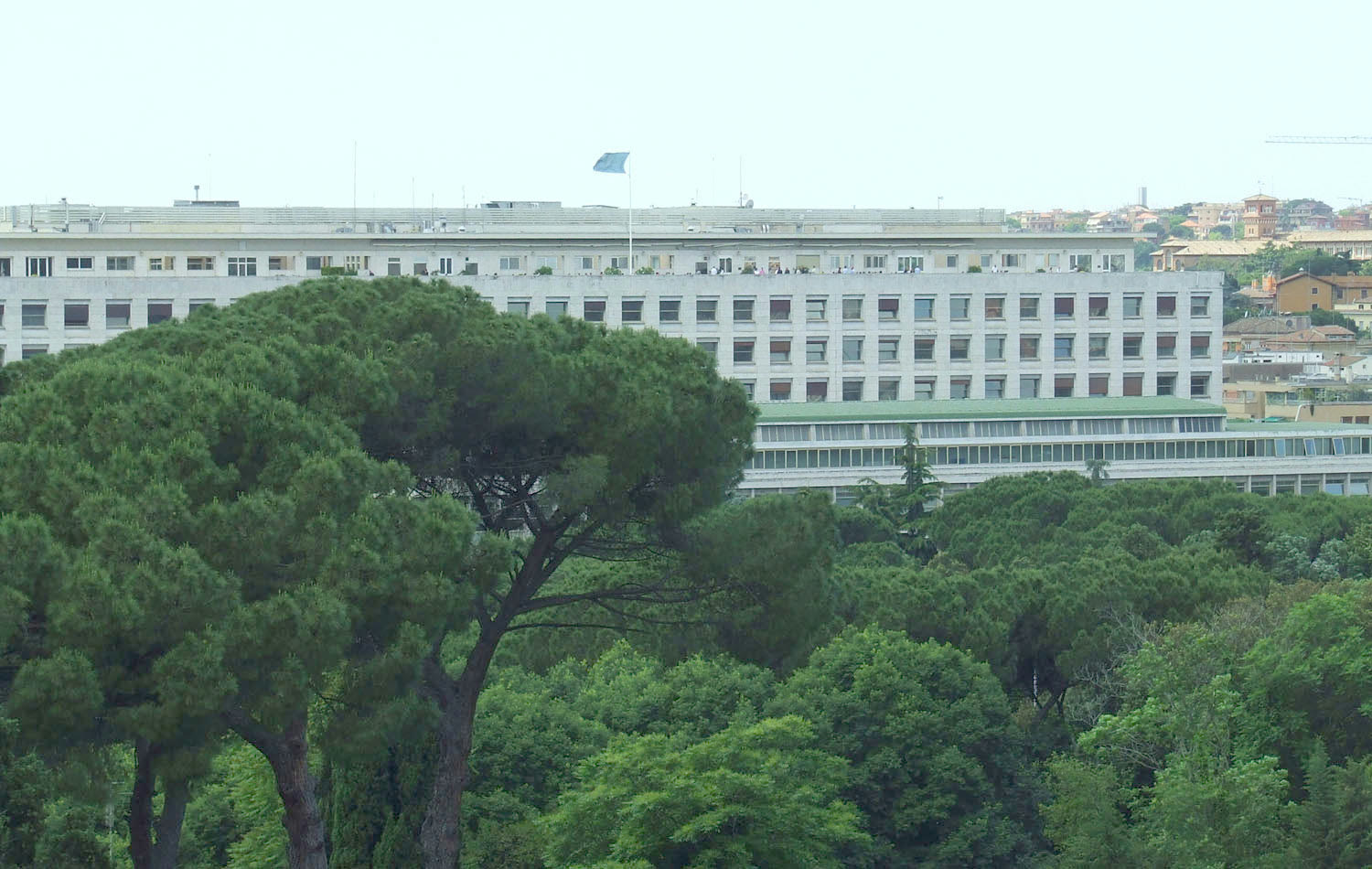
Turkish President Recep Tayyip Erdoğan has appealed for international backing for former agriculture minister Mehdi Eker’s bid to become director-general of the UN Food and Agriculture Organization (FAO). In a video message played at the opening of the World Food Forum at FAO headquarters in Rome on Oct. 12, Erdoğan said: “We hope you will support Dr. Mehdi Eker, who ran our country’s agriculture ministry successfully for many years.” He also stressed that Türkiye regards access to safe food as a core element of national security.
Eker, a veterinarian born in Diyarbakır in 1956, was Türkiye’s agriculture minister from 2005 to 2015 and is the first Turkish candidate ever to run for the agency’s top post. In late September he said about 100 member states had pledged to support him.
The Arab vote
The FAO director-general is elected by secret ballot at the organization’s conference in Rome, and every member state casts one vote regardless of how much it contributes, giving Arab countries a significant bloc when they act together. The election is expected in summer 2027, as the second term of Director-General Qu Dongyu of China ends on July 31 of that year.
The 2019 race was settled in the first round, with Qu winning 108 of 191 votes against 71 for the French candidate and 12 for the Georgian contender. In 2023, Qu was the only candidate and was re-elected with 168 of 182 votes. This time, Eker’s declared rivals include Ireland’s Phil Hogan, Italy’s Maurizio Martina and Spain’s Luis Planas.
Gaza and Sudan at the center
Eker has put food security and the region’s hunger crises at the heart of his campaign. “Food is weaponized against people in Gaza, against children,” he told Anadolu Agency in September, adding that the right to food must not be violated and that food security is a matter of global security.
His campaign follows a period in which famine was formally confirmed in the region. In August 2025, the Integrated Food Security Phase Classification (IPC) confirmed famine in Gaza Governorate, the first famine confirmed in the Middle East. In Sudan, the Famine Review Committee confirmed famine conditions in 2024 in the Zamzam camp for displaced people in North Darfur.
Stay Updated with Hilal Times
Subscribe to be informed about special news, developments and announcements. We will keep you informed.
By signing up, you agree to our Privacy Policy