- BIST10011,661-1.54%
- USD50.39+0.22%
- EUR55.50-0.19%
- GOLD3,868.00+0.39%
- INTEREST36.00%-1.00
- BITCOIN63,739-1.68%
- November 17, 202615°
- BIST10011,661-1.54%
- USD50.39+0.22%
- EUR55.50-0.19%
- GOLD3,868.00+0.39%
- INTEREST36.00%-1.00
- BITCOIN63,739-1.68%
- November 17, 202615°
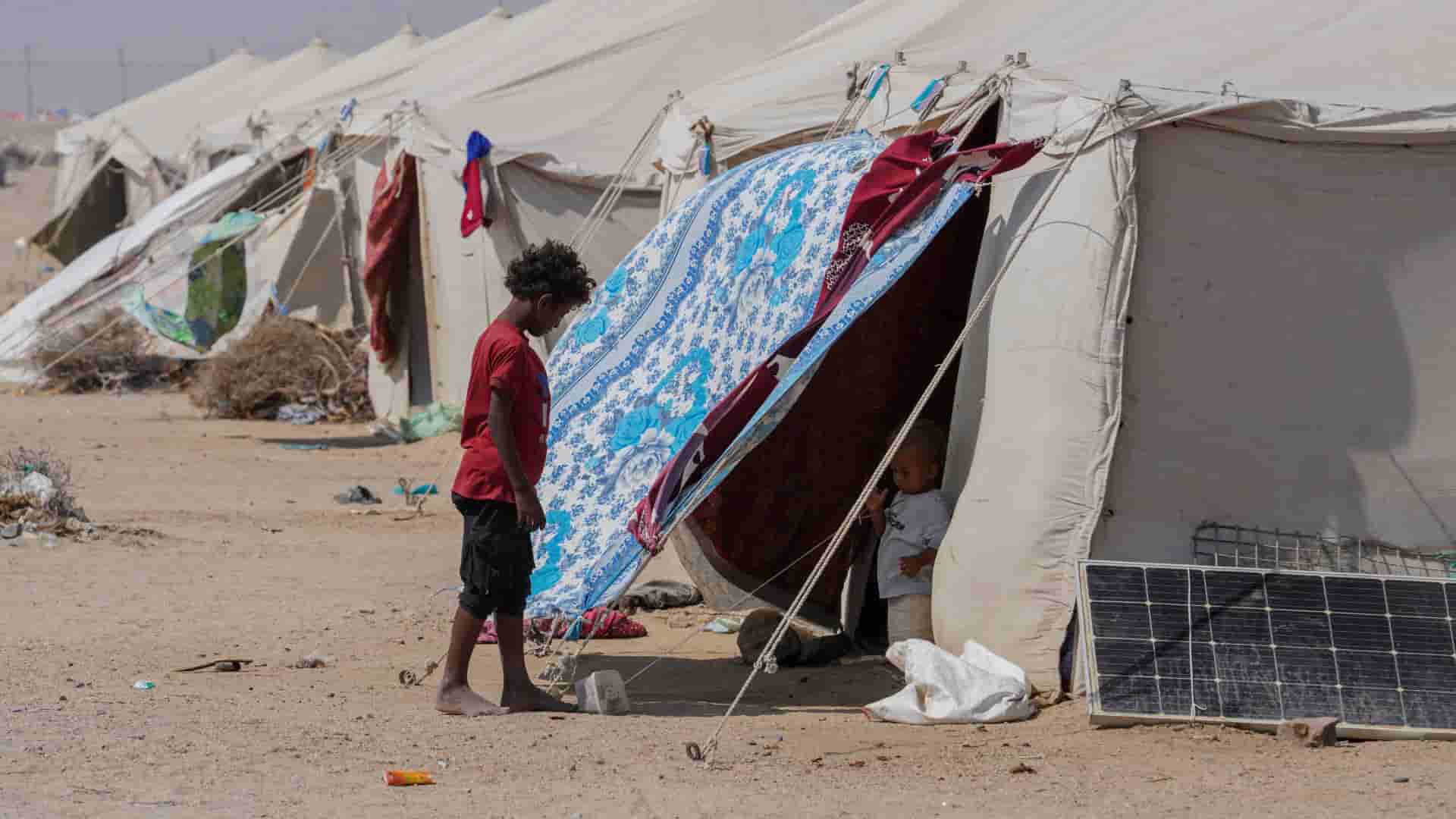
Fighting in Lahj reaches Kharaz camp, putting 9,600 African refugees at risk
The UN Refugee Agency expressed grave concern over clashes spreading to Yemen’s largest refugee camp, while the International Organization for Migration said the number of people displaced since June had exceeded 348,000, including about 18,800 in a single week.
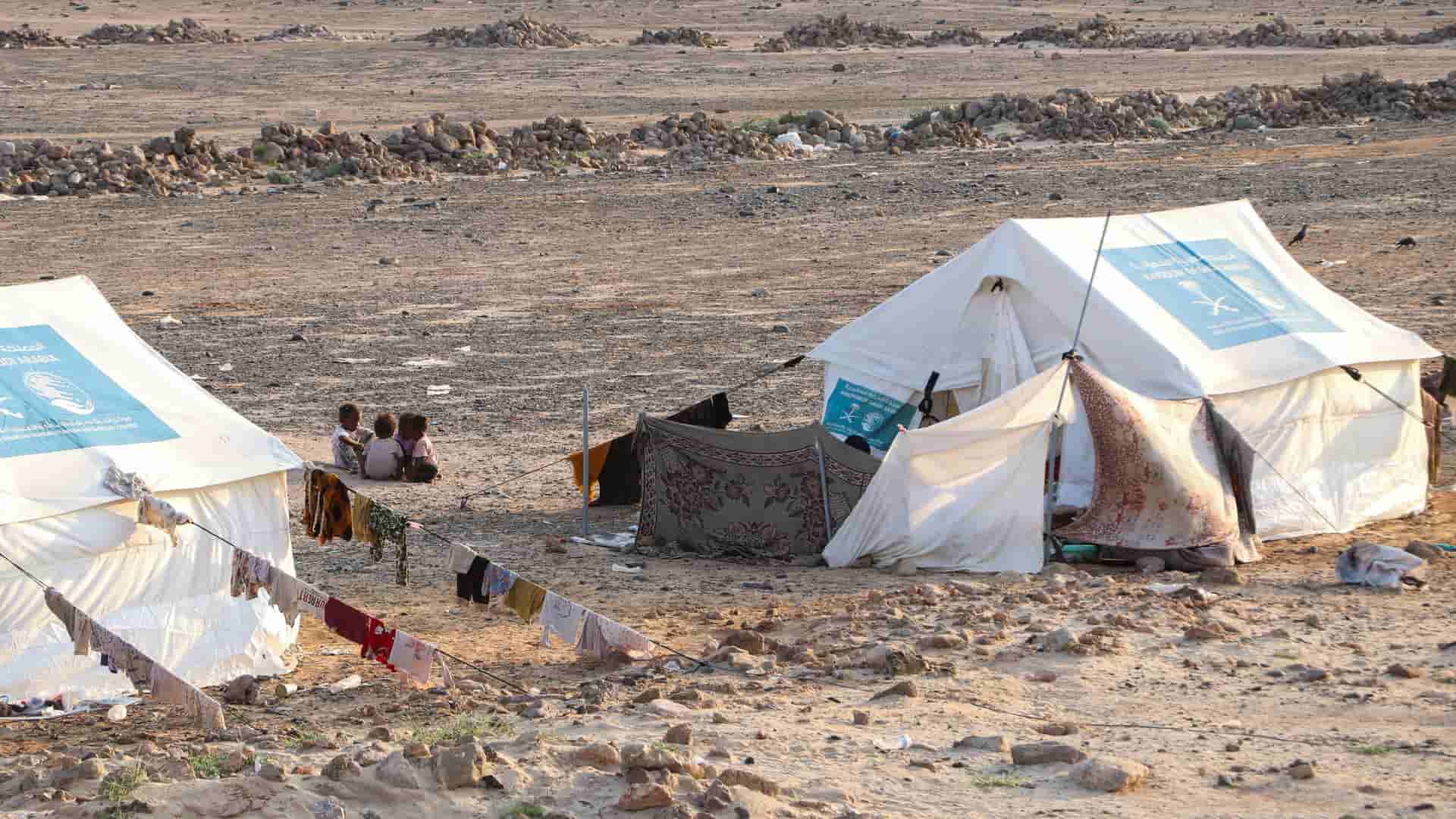
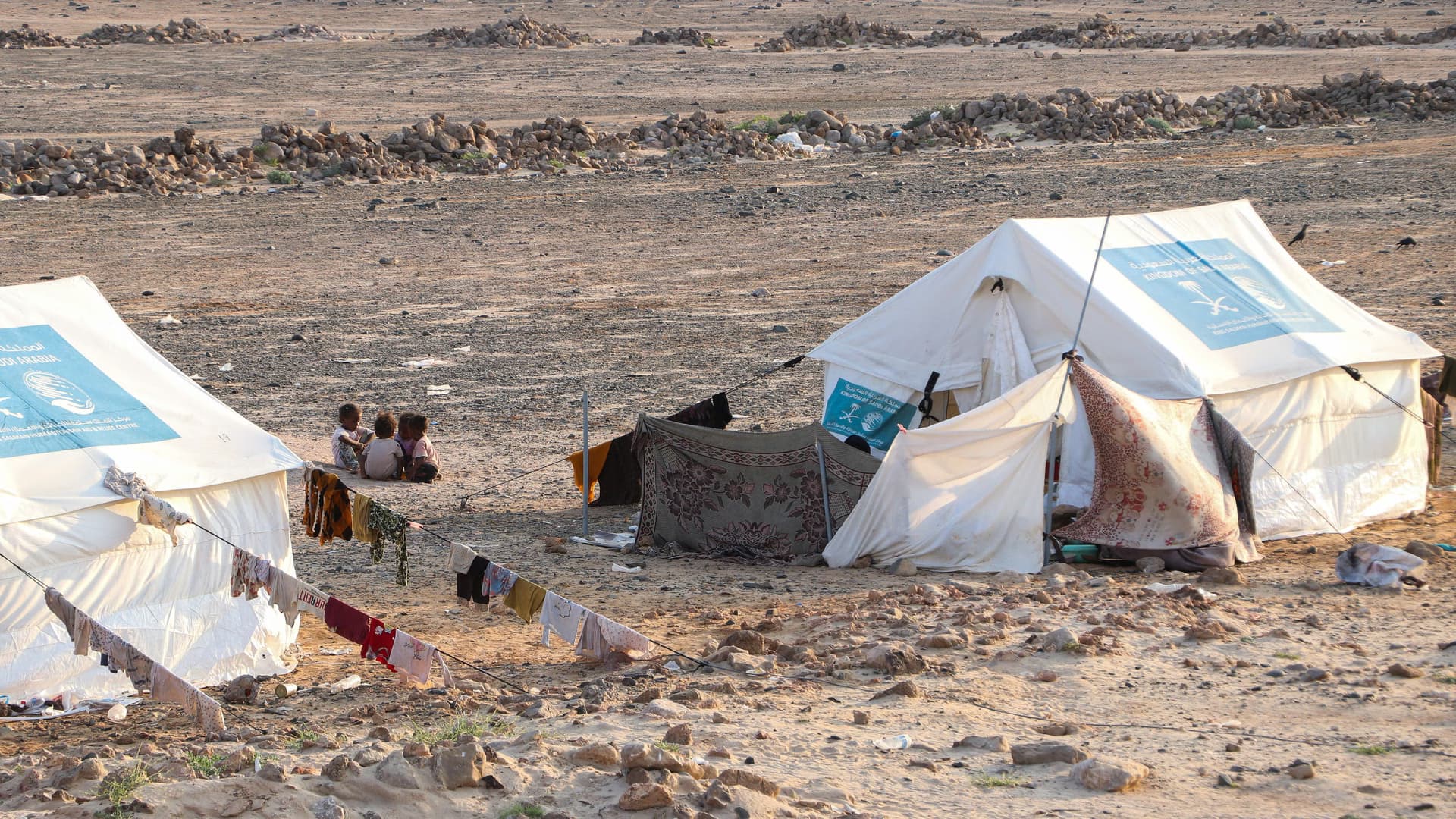
The United Nations High Commissioner for Refugees on Sunday, November 15, expressed “grave concern” over reports that clashes between Yemeni government forces and the Houthi group had reached Kharaz refugee camp in the Mudiyah and Ras al-Ara district west of Lahj province, warning that around 9,600 refugees and asylum-seekers were facing growing risks.
The camp, the largest refugee settlement in Yemen, is home mostly to Somali and Ethiopian refugees. The agency said in a statement that the deteriorating security situation had already forced hundreds of refugee families to flee, while the fighting was further restricting its ability and that of its partners to provide protection and assistance.
The agency called on all parties to take every necessary measure to ensure the safety of refugees, asylum-seekers and civilians, respect the camp’s civilian and humanitarian character, and comply with international humanitarian law. It also called for safe, unimpeded humanitarian access and safe passage for refugees forced to leave the camp for other areas.
18,000 newly displaced in one week
Meanwhile, the International Organization for Migration’s Displacement Tracking Matrix recorded the displacement of 18,780 people, or 3,130 families, between November 8 and 14. The number of people displaced since August 1 reached 347,321, while the cumulative figure since the escalation began in June stood at 348,377 people, or 58,056 families.
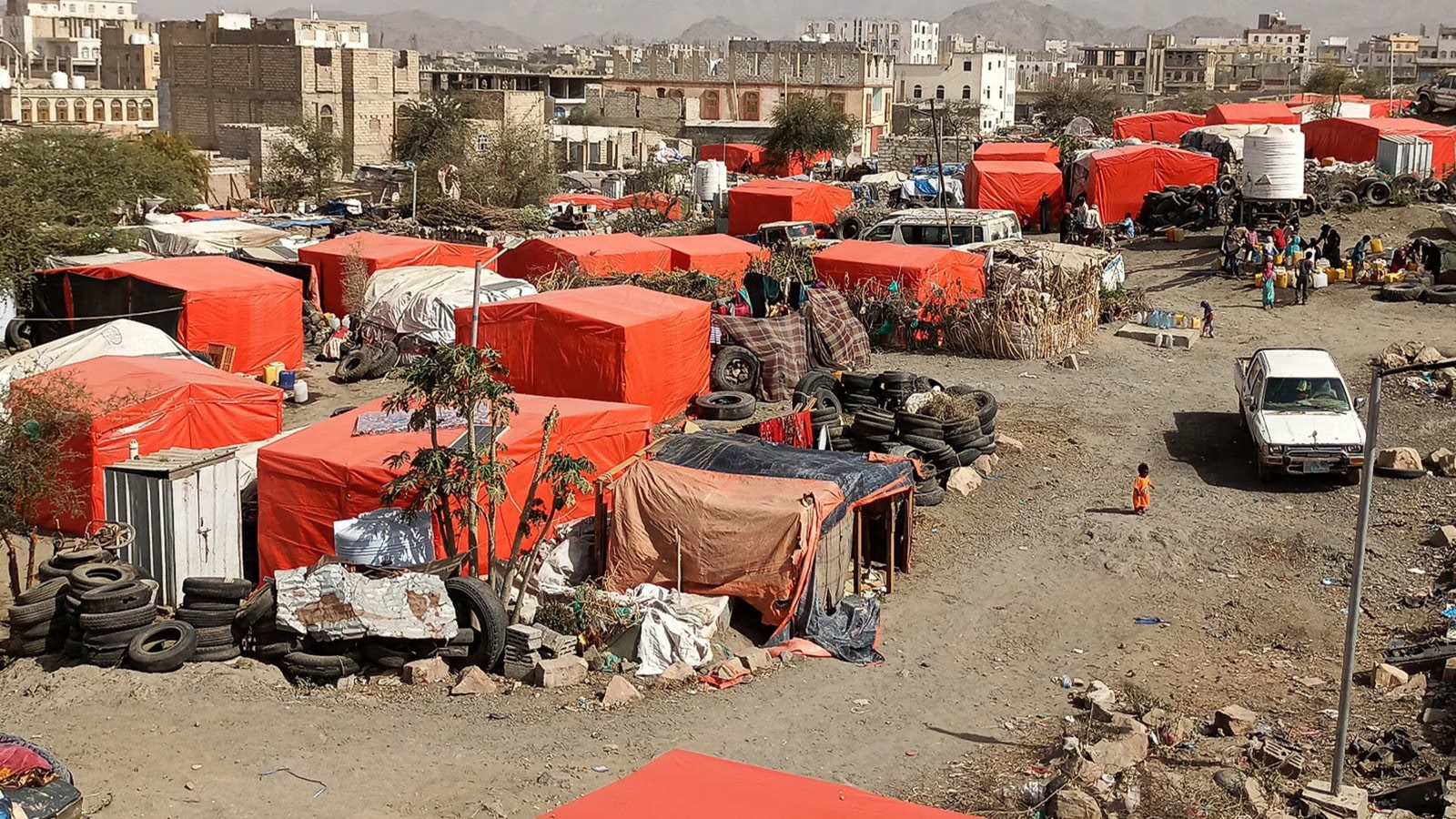
The displaced people are spread across 10 provinces. Taiz hosts the largest number, with 143,130 people, or 41 percent, followed by Lahj with 91,314 people, or 26 percent. Aden has received 70,404 people, while Abyan hosts 16,218. According to the UN refugee agency, the number of internally displaced people in Yemen had exceeded 5.2 million before the latest escalation, meaning it has now surpassed 5.5 million.
The new figure raises the total announced by the organization several days ago, when it estimated that about 330,000 people had been displaced since August.
A camp under fire
Yemen’s Ministry of Human Rights announced last Thursday that a Somali refugee had been killed in Houthi shelling that targeted Kharaz camp. The Middle East newspaper quoted government sources as saying that the Houthis had fired two ballistic missiles toward the camp, which was established at the beginning of the millennium to accommodate refugees arriving from the Horn of Africa. The spread of fighting to villages and farmland forced hundreds of civilians to flee the Mudiyah district.
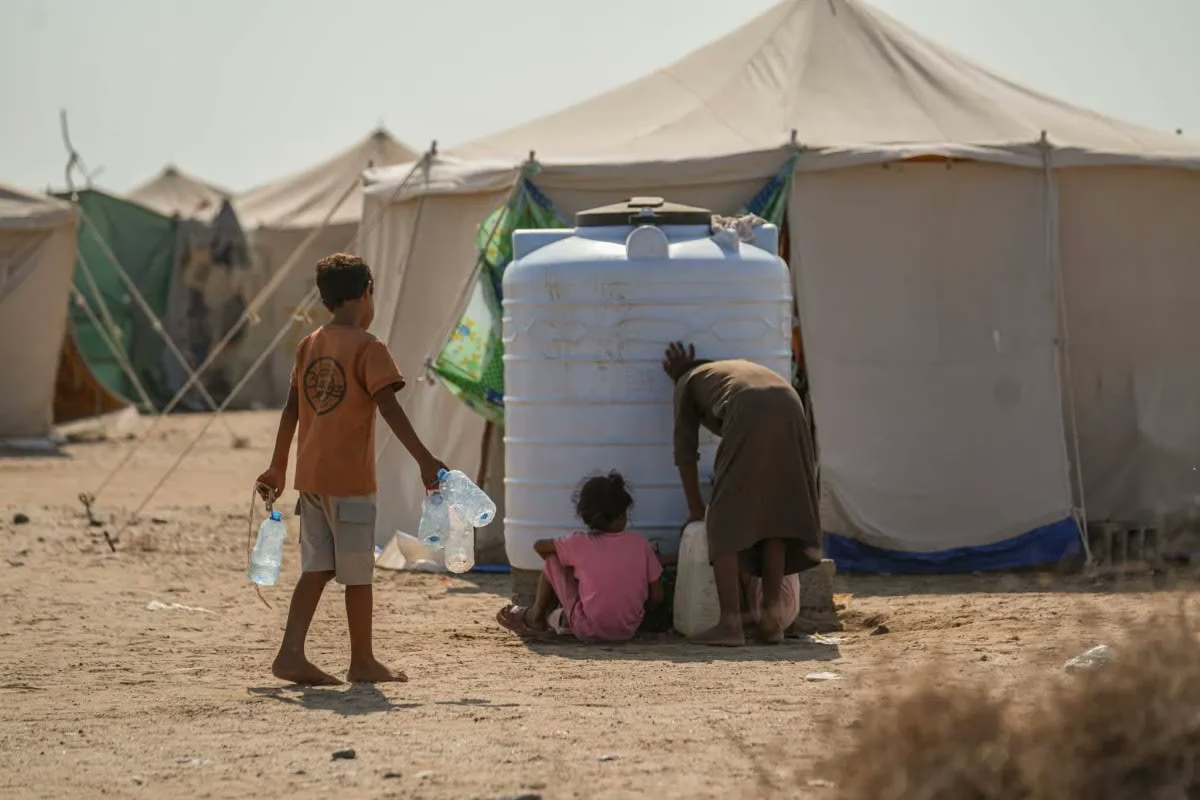
The Ministry of Social Affairs and Labor issued an urgent appeal to UN agencies, organizations and the private sector, warning of deteriorating conditions in the al-Sabihah areas, particularly in the Mudiyah and Ras al-Ara districts, where displaced people are unable to secure food, water and basic services.
Since late June, fighting between the Houthis and Saudi-backed government forces has intensified after years of truce. In recent days, government forces redeployed from Bab al-Mandab to protect Aden, while Houthi missiles targeted al-Qawwah camp west of the city. Despite the war, Yemen remains a route for thousands of African migrants each month as they make their way to Gulf countries, according to the International Organization for Migration.
Cover photo: Reuters. Photos: Al Jazeera Net, Asharq Al-Awsat (local media). Sources: UN Refugee Agency, International Organization for Migration, Al Jazeera Net, Xinhua, Asharq Al-Awsat.
Stay Updated with Hilal Times
Subscribe to be informed about special news, developments and announcements. We will keep you informed.
By signing up, you agree to our Privacy Policy