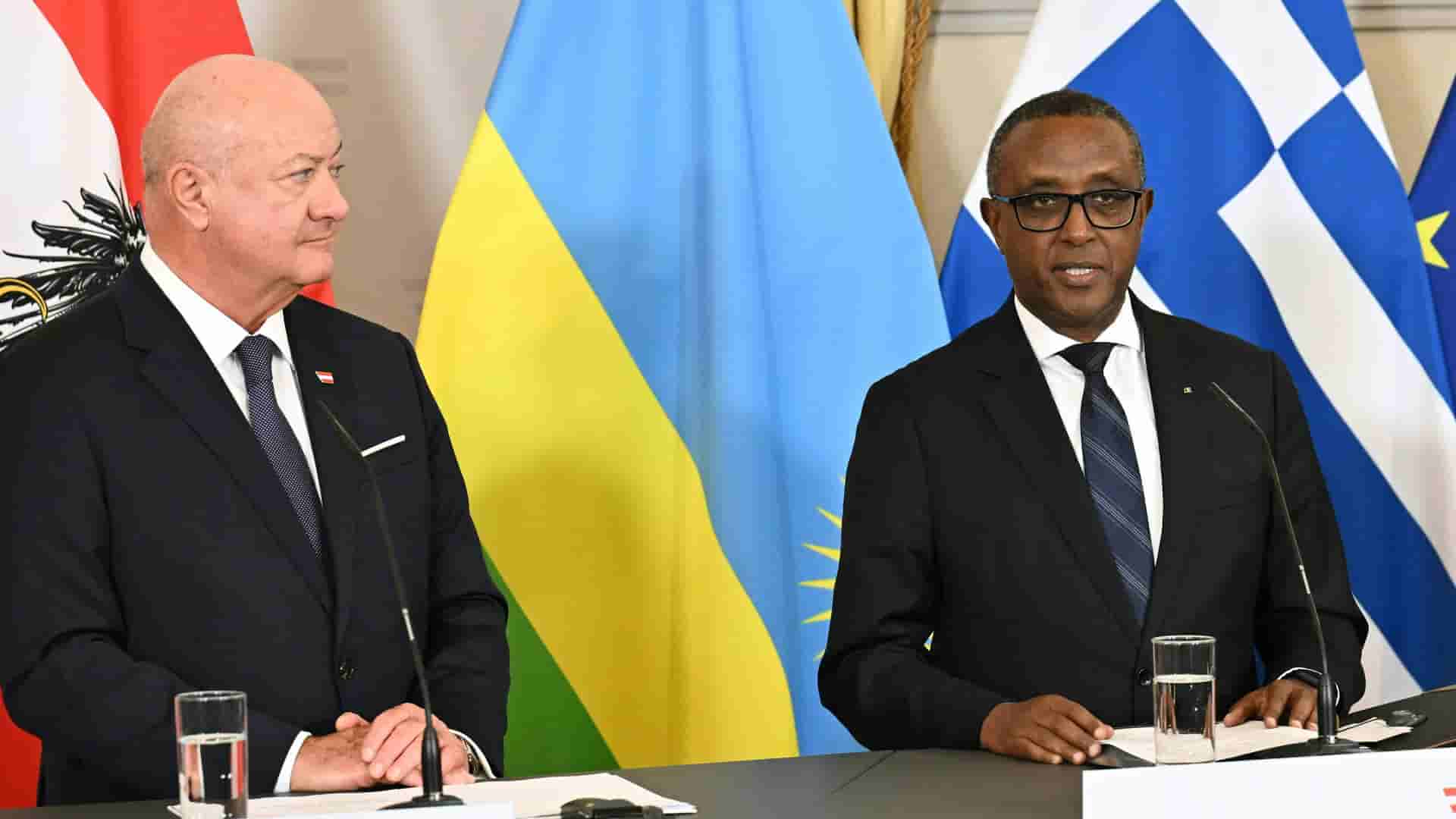
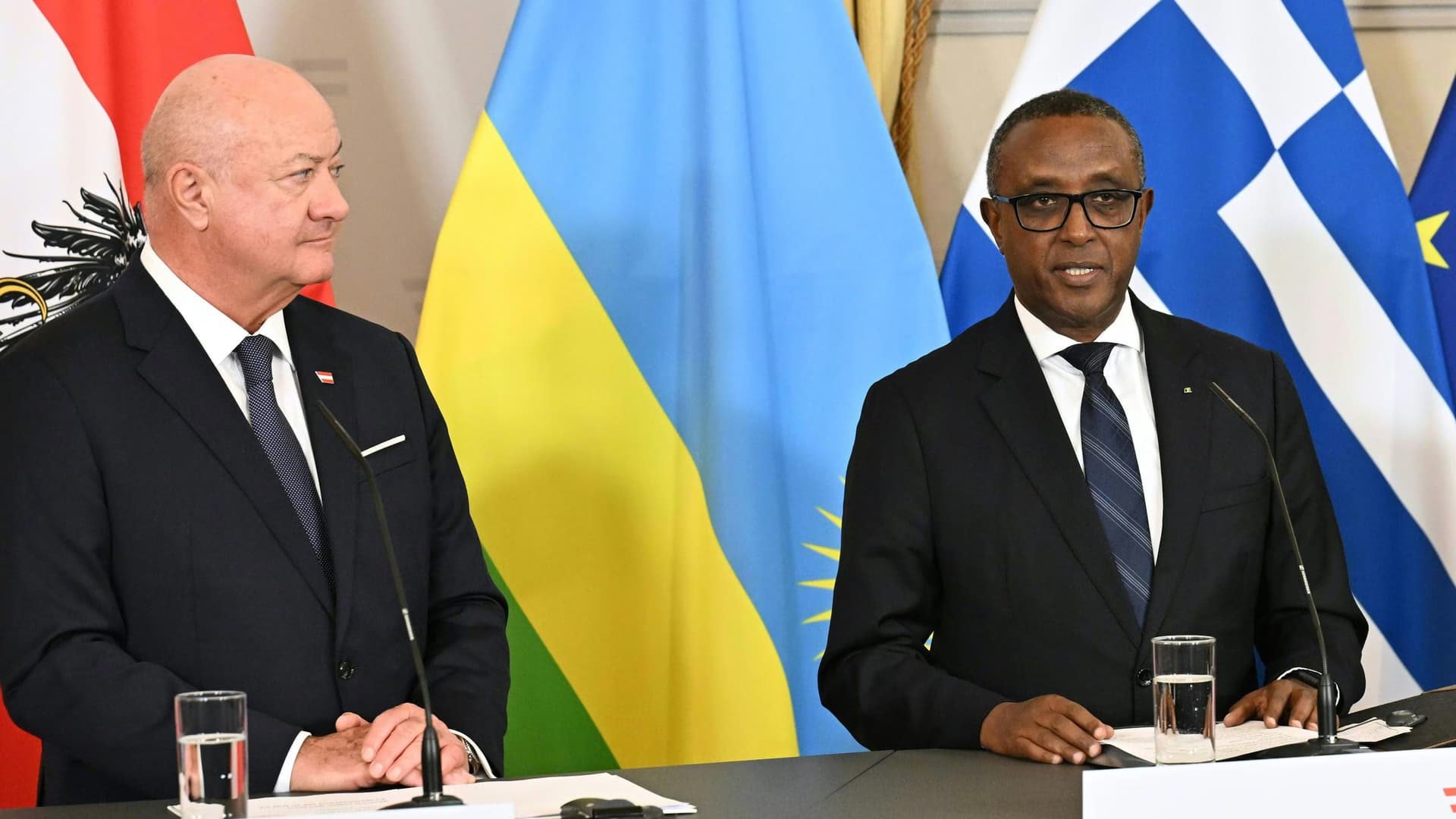
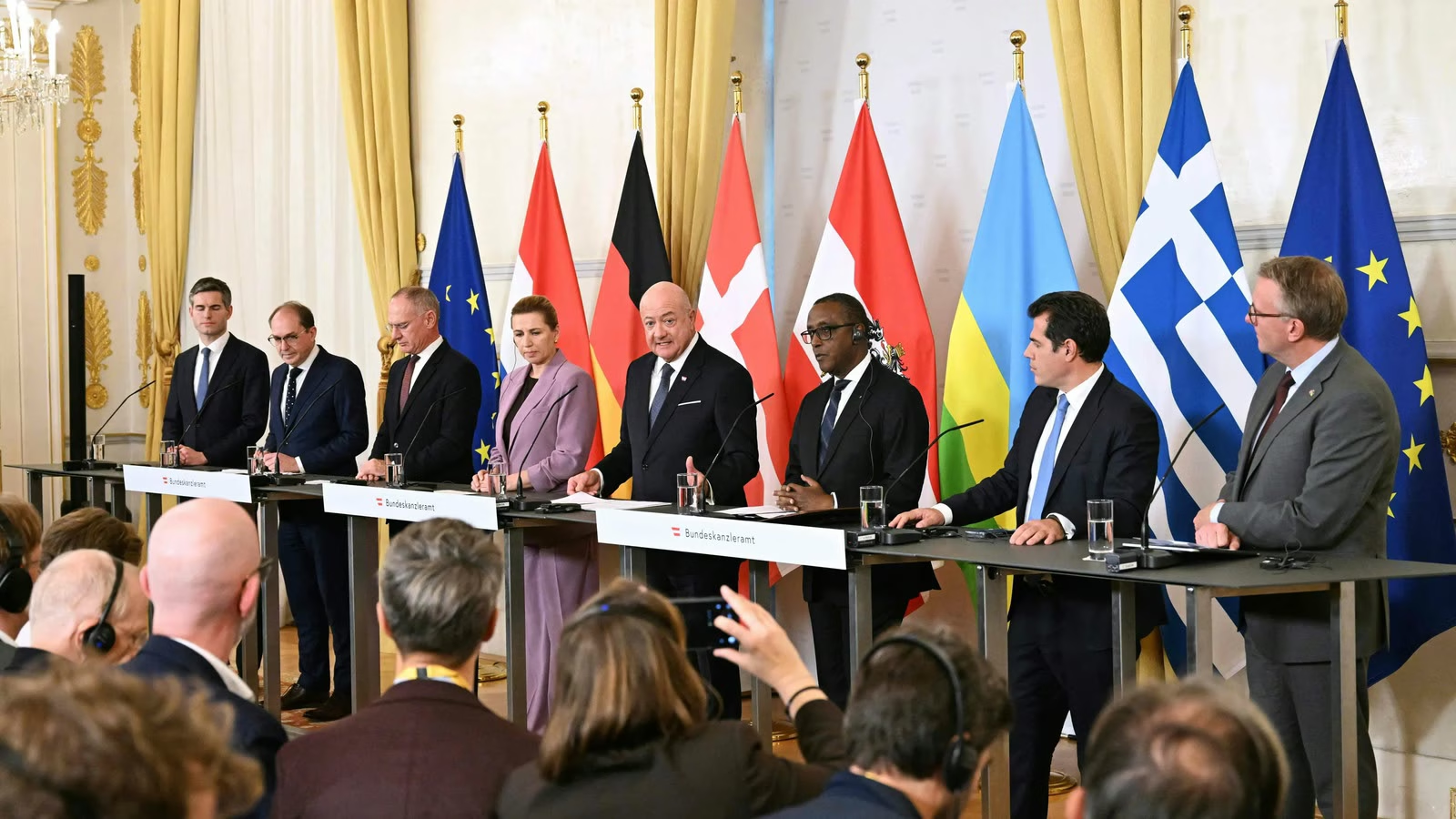
Austrian Chancellor Christian Stocker announced on Monday, November 16, at a press conference at the Chancellery in Vienna that Germany, Austria, Denmark, Greece and the Netherlands had chosen Rwanda to host the first European “return center” outside the European Union, with operations set to begin in 2027. Stocker described the move as “a genuinely historic shift in migration policy,” adding: “If people who have no right to remain in the European Union cannot be deported, the asylum system as a whole becomes meaningless. We will not allow that.”
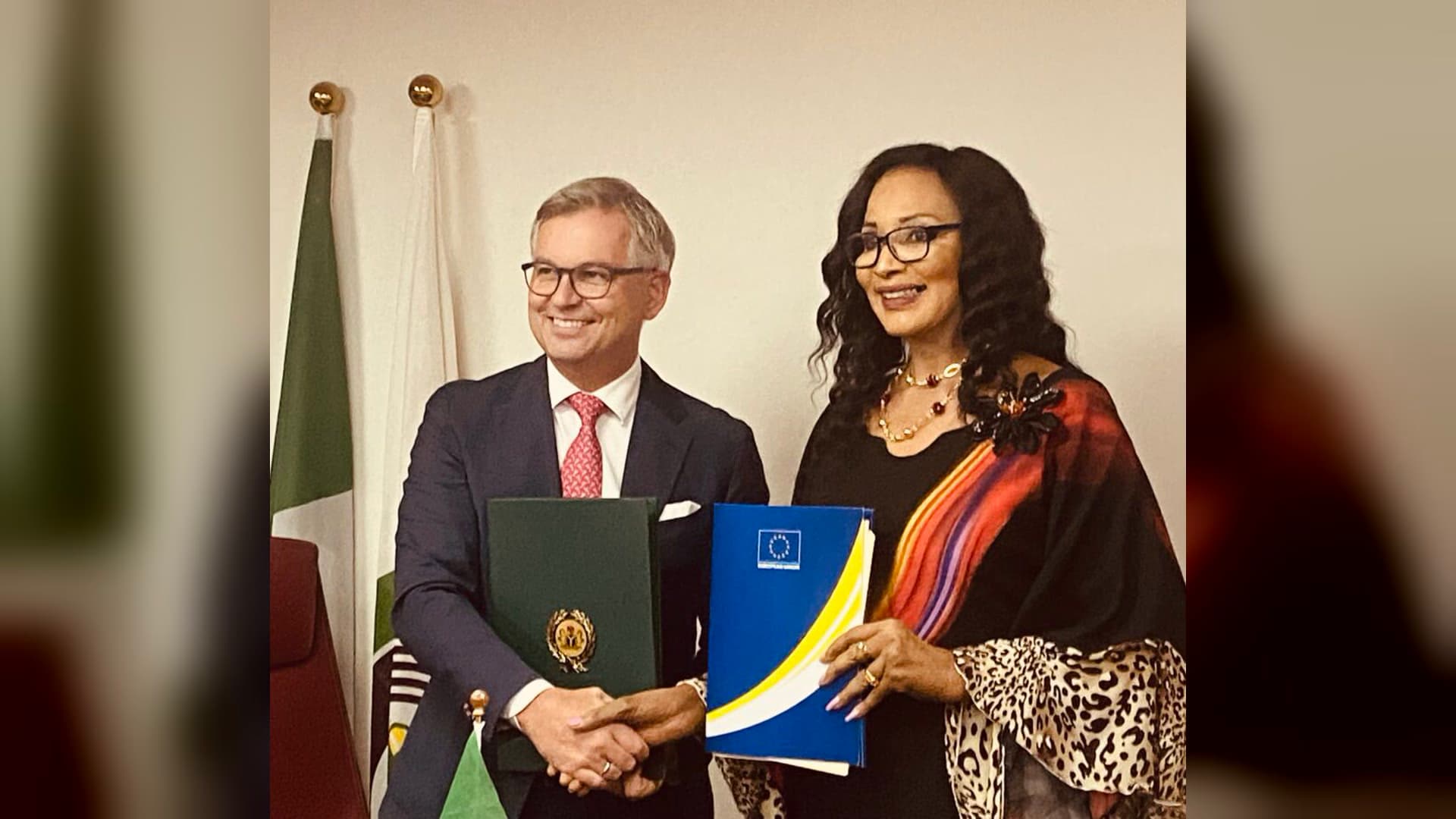
Danish Prime Minister Mette Frederiksen and ministers from the five countries attended the conference, along with Rwandan Interior Minister Vincent Biruta. According to a statement by the Austrian government cited by Reuters, the five countries will begin immediate talks with Kigali, which are expected to conclude quickly so that the first transfers of rejected asylum seekers who cannot be returned to their countries can take place in 2027. Frederiksen said the agreement “will be a game changer,” adding: “We will regain control and remove the incentive for irregular migration.”
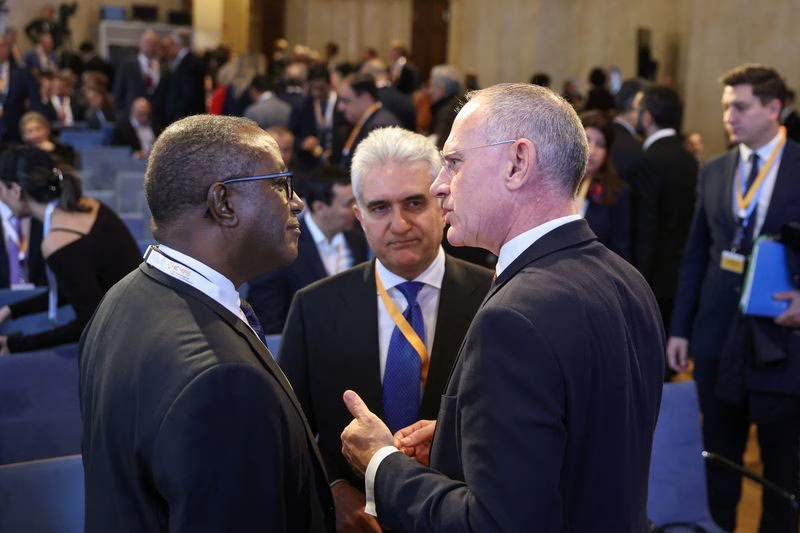
The announcement came on the sidelines of the Vienna Migration Conference, held annually by the International Centre for Migration Policy Development. According to Austria’s Der Standard newspaper, ministers from several countries, including Jordan, were among this year’s invitees. German Interior Minister Alexander Dobrindt said after the meeting that “return centers offer a positive approach for people who have no right to remain and no prospects in Europe, and whose countries of origin do not cooperate in taking them back,” stressing that the model “bears no resemblance whatsoever” to what Britain attempted.
Who will the center cover?
The project is limited to asylum seekers whose applications have been rejected and who have been issued enforceable removal orders but cannot be deported, for example because their countries refuse to receive them. It does not include people whose applications are still under review. The plan is based on the new European return regulation, which the member states finally approved last month and which allows such people to be transferred to third countries with which they have no connection. According to sources familiar with the negotiations, the center will begin as a pilot project with capacity for around 100 people, approximately 20 from each country.
For migrants arriving from Arab and African countries, the main question remains who will be selected for transfer. Der Standard said deportation is often impossible because countries of origin refuse to issue travel documents in the absence of readmission agreements. Euronews, citing people familiar with the negotiations, reported that minors are excluded and that each country will set its own criteria. The Netherlands will focus on adult men from countries in Rwanda’s vicinity, while Germany is targeting people who refuse to cooperate in establishing their identities and come from countries that decline to take back their nationals.
According to Der Standard, around 850 people in Austria alone could be covered by the measure, while the number of people required to leave Germany exceeds 250,000, according to Frankfurter Allgemeine. The facility will not be a closed detention center. Those transferred will be able to integrate in Rwanda or voluntarily travel to their countries or other countries, according to the announcement in Vienna, with the European Commission, the United Nations High Commissioner for Refugees and the International Organization for Migration involved. Eurostat data show that around 492,000 people from outside the European Union were issued removal orders in 2025, but only approximately 135,000 were deported.
Rwanda: “We want to give them a chance”
Rwanda’s interior minister said at the press conference: “Rwanda is a country with economic ambitions, and we want to build an inclusive society. We want to give rejected asylum seekers a chance in our country, and Rwanda is ready to work with its European partners.” Biruta added that he did not believe “thousands will come to Rwanda and stay there,” suggesting that many would continue on to other destinations. In August, Rwandan government spokesperson Yolande Makolo confirmed that “preliminary discussions” had begun with several European countries.
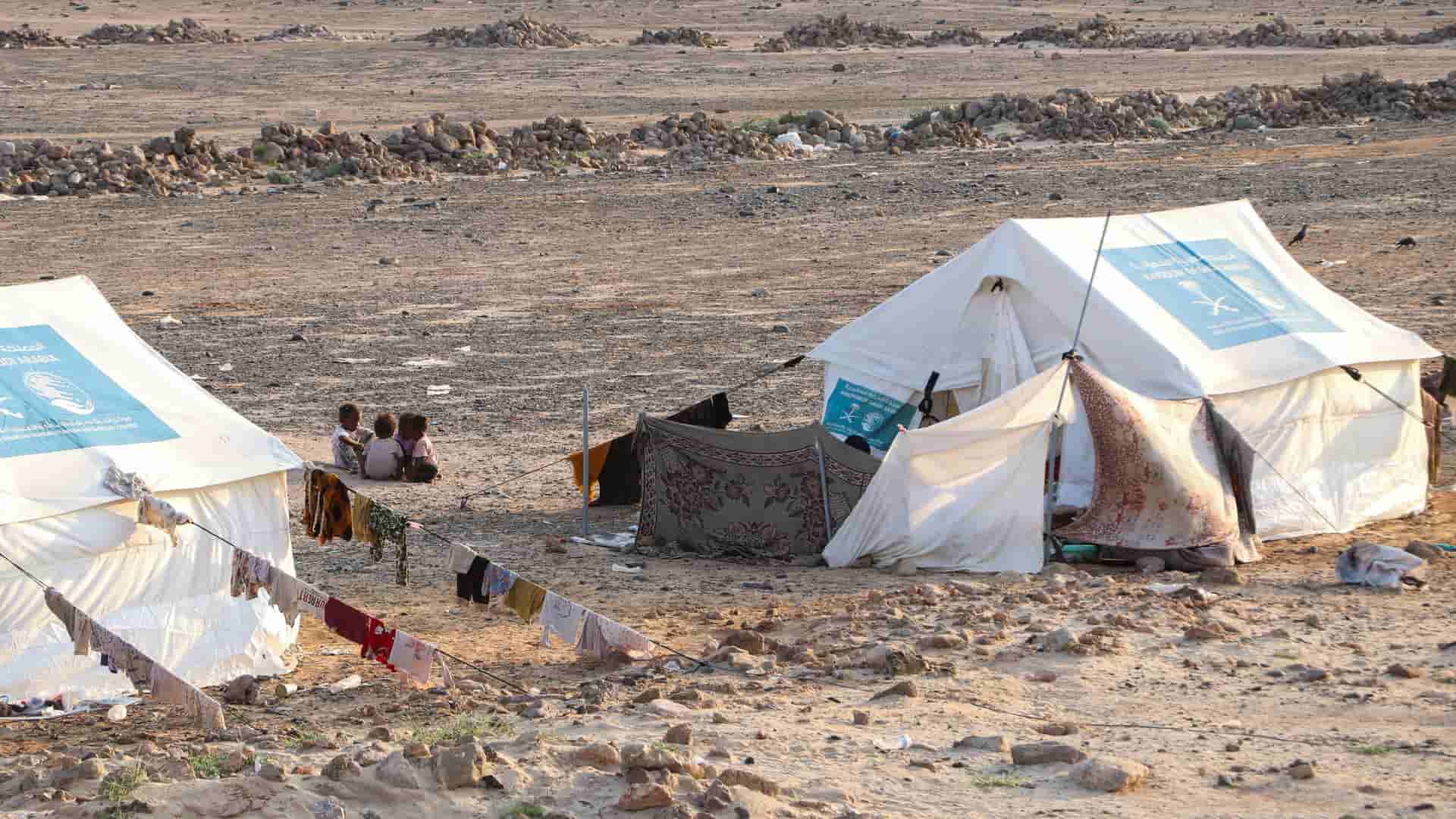
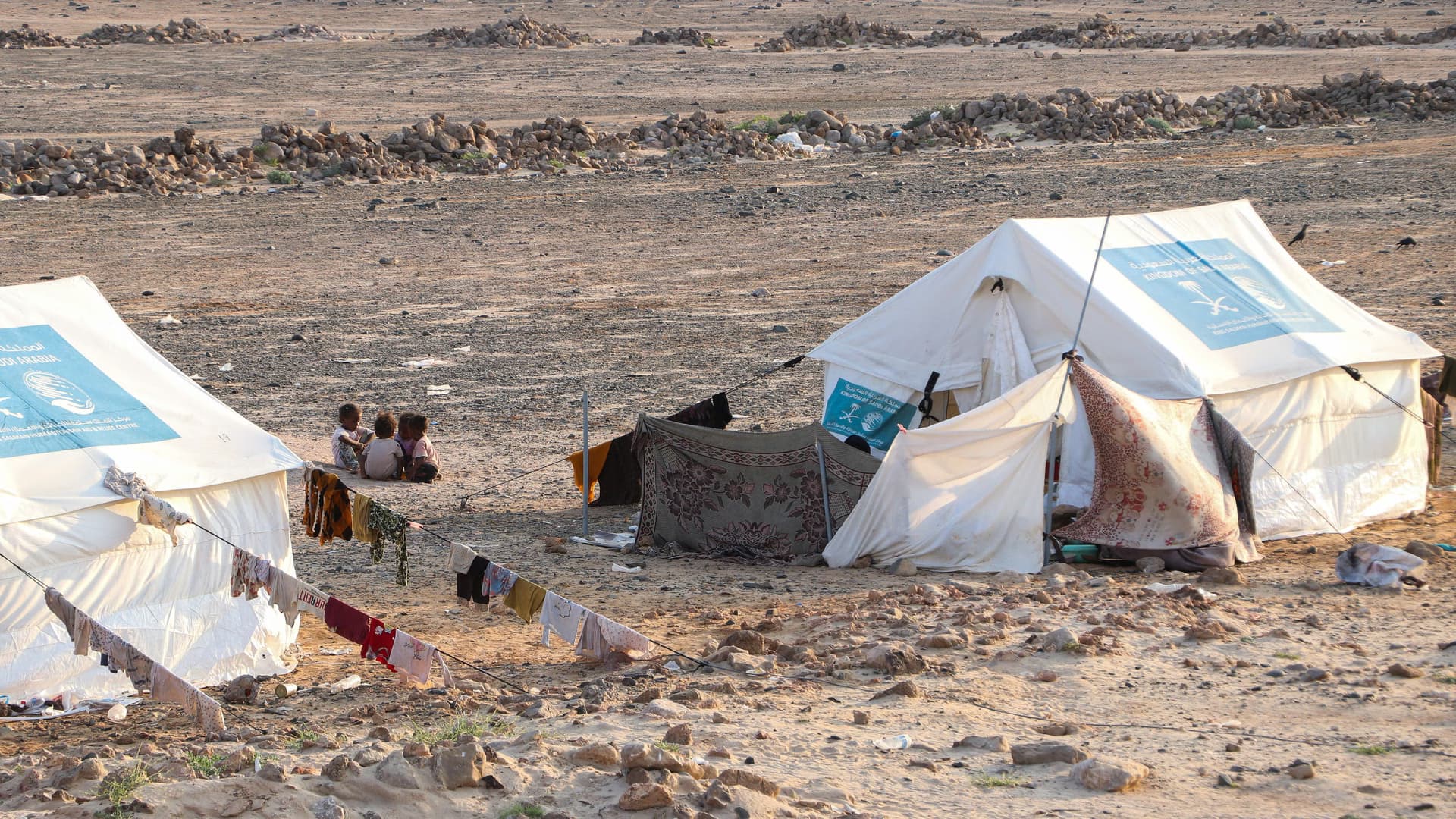
Rwanda has previous experience with African refugees stranded in Libya. The transit center in Gashora, about 50 kilometers south of Kigali, receives refugees evacuated from Libya by the UN High Commissioner for Refugees. According to Germany’s Taz newspaper, more than 3,000 refugees have passed through the center since 2019, with around 2,600 resettled in safe countries. Rwanda also hosts nearly 100,000 refugees, most of them from the Democratic Republic of the Congo and Burundi, and has previously agreed to receive migrants deported from the United States.
UN High Commissioner for Refugees Barham Salih attended a meeting in Vienna with representatives of the five countries and Rwanda. According to a statement by the agency, he stressed the integrity of asylum systems, respect for international refugee law and human rights, and international responsibility-sharing. “These issues are complex, but dialogue is indispensable,” Salih said, adding that the agency would continue to engage constructively within its mandate.
Rights criticism and Britain’s canceled plan
Clementine de Montjoye, a researcher at Human Rights Watch, said that paying Kigali to host a deportation program “would not only cause suffering and harm to those deported, but would also fund and grant political influence to a government responsible for serious human rights abuses.” Amnesty International’s Austria branch described the agreement as “shameful” and a repetition of “the mistakes of the past,” warning that return centers could become a “black box” for human rights. Around 100 people demonstrated against the project in Vienna.
In Germany, Sebastian Fiedler, the interior affairs expert for the Social Democratic Party, a partner in the governing coalition, called for clarification regarding the human rights situation in Rwanda, saying: “If the interior minister commits Germany in Vienna, we will examine closely in the Bundestag what Germany has pledged.” Frankfurter Allgemeine quoted Fiedler as saying that €20 million had been allocated for 40 German places in Rwanda, which he considered disproportionate.

Hope Hostel in Kigali, which was prepared with British funds in 2022 to receive migrants, remains empty, according to Taz. The agreement between Britain and Rwanda cost London around £700 million, but only four migrants were transferred voluntarily under the arrangement. Britain’s Supreme Court ruled it unlawful in 2023, before the Labour government abandoned it in 2024. Unlike the British plan, which would have transferred asylum procedures themselves to Rwanda, the European model covers only people who have exhausted their legal avenues to remain. If the trial succeeds, the five countries intend to expand it to other countries such as Uganda and Uzbekistan, according to Agence France-Presse.
Photos: APA/Helmut Fohringer (cover), Agence France-Presse, Reuters. Sources: Reuters, Agence France-Presse, dpa, Austrian Broadcasting Corporation, Der Standard, Euronews, Bild, Taz, UN High Commissioner for Refugees, Amnesty International.