- BIST10011,661-1.54%
- USD50.39+0.22%
- EUR55.50-0.19%
- GOLD3,865.80+0.33%
- INTEREST36.00%-1.00
- BITCOIN63,602-1.89%
- November 17, 202615°
- BIST10011,661-1.54%
- USD50.39+0.22%
- EUR55.50-0.19%
- GOLD3,865.80+0.33%
- INTEREST36.00%-1.00
- BITCOIN63,602-1.89%
- November 17, 202615°
Canary Islands record 1,500 migrant arrivals in a single day
About 1,500 migrants arrived aboard 14 boats on Saturday, the highest daily total since monitoring began on the Atlantic route. The small island of El Hierro, which is under a migration emergency, has received more than 9,000 arrivals since the beginning of November.
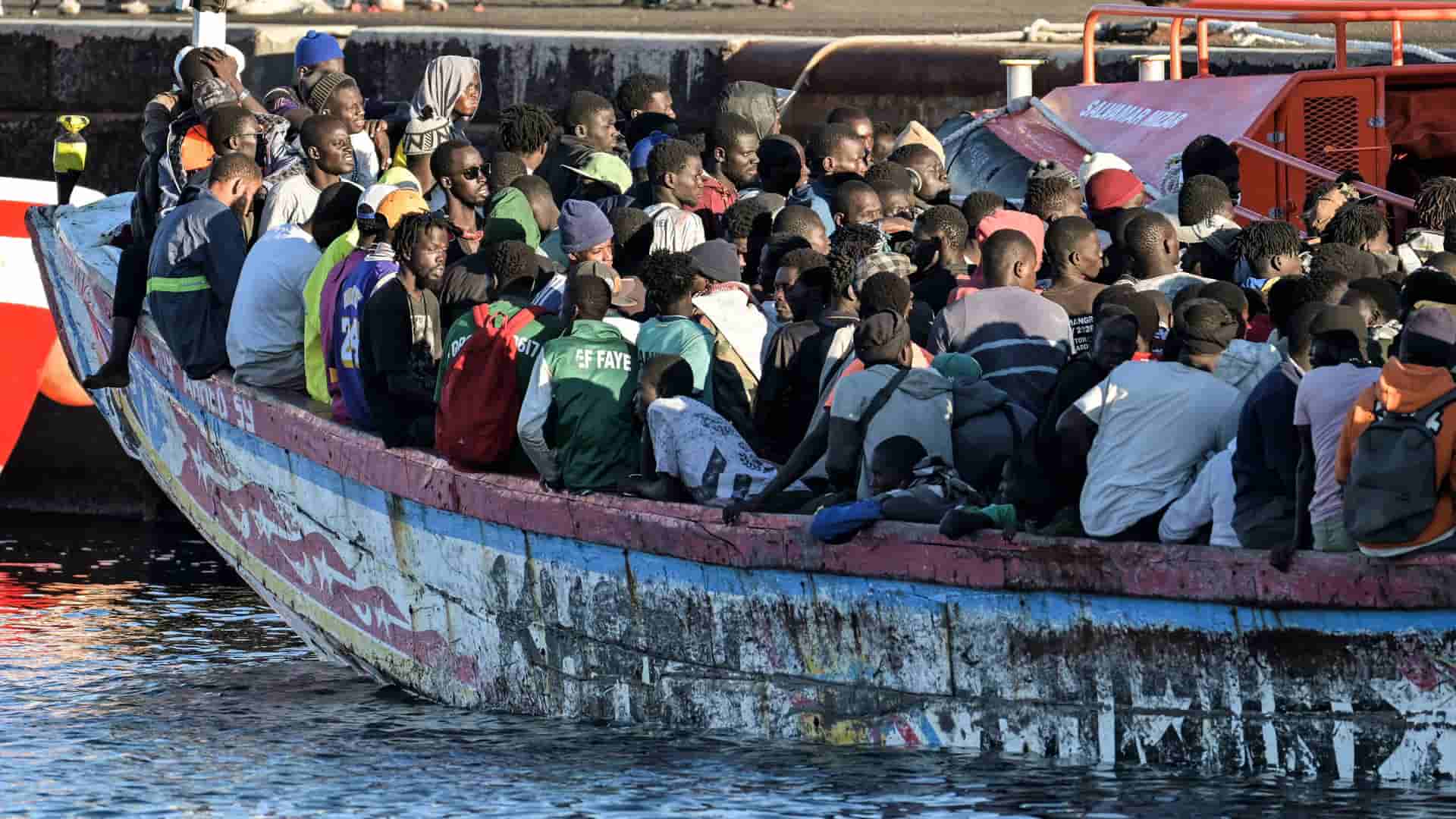
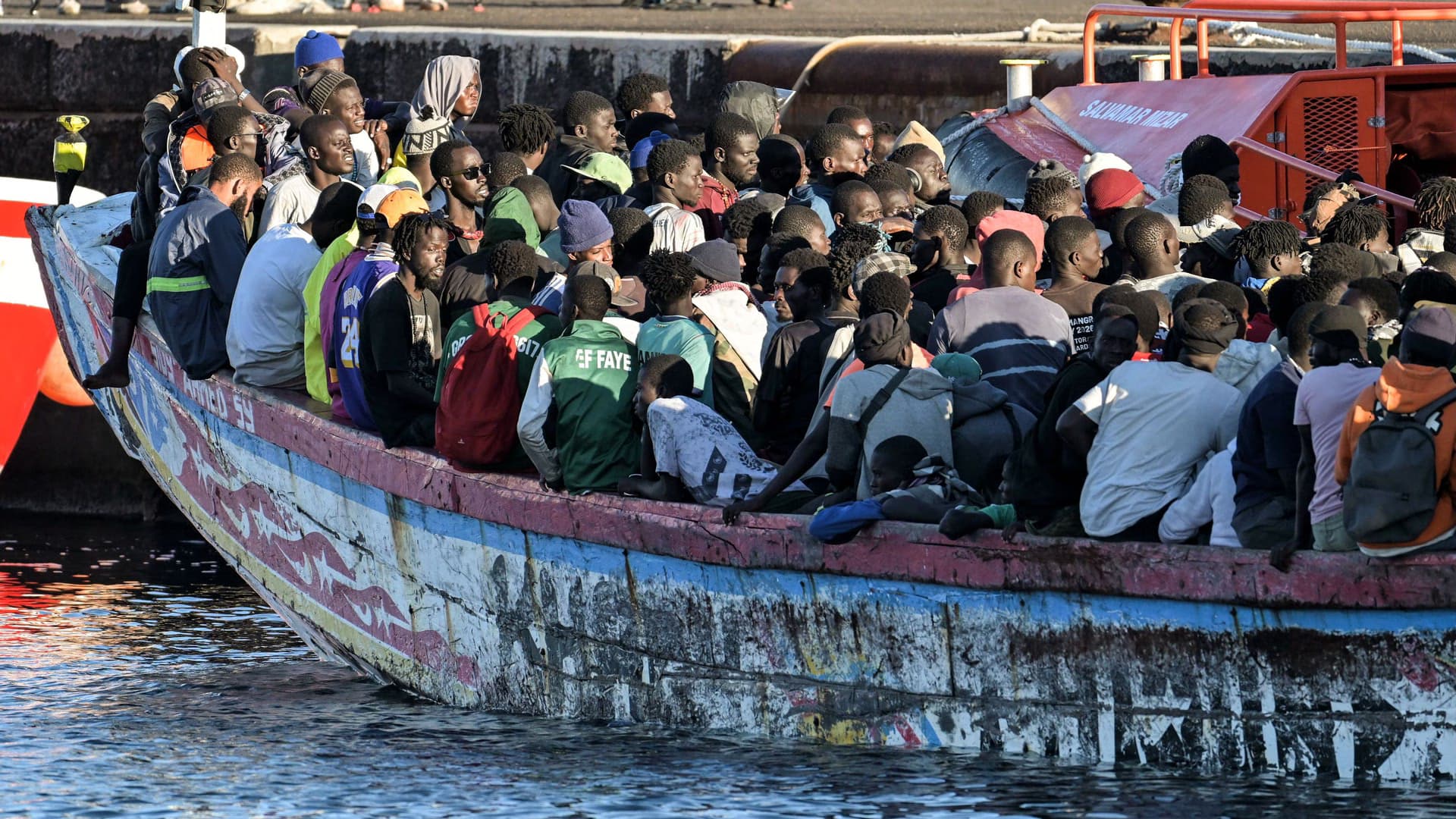
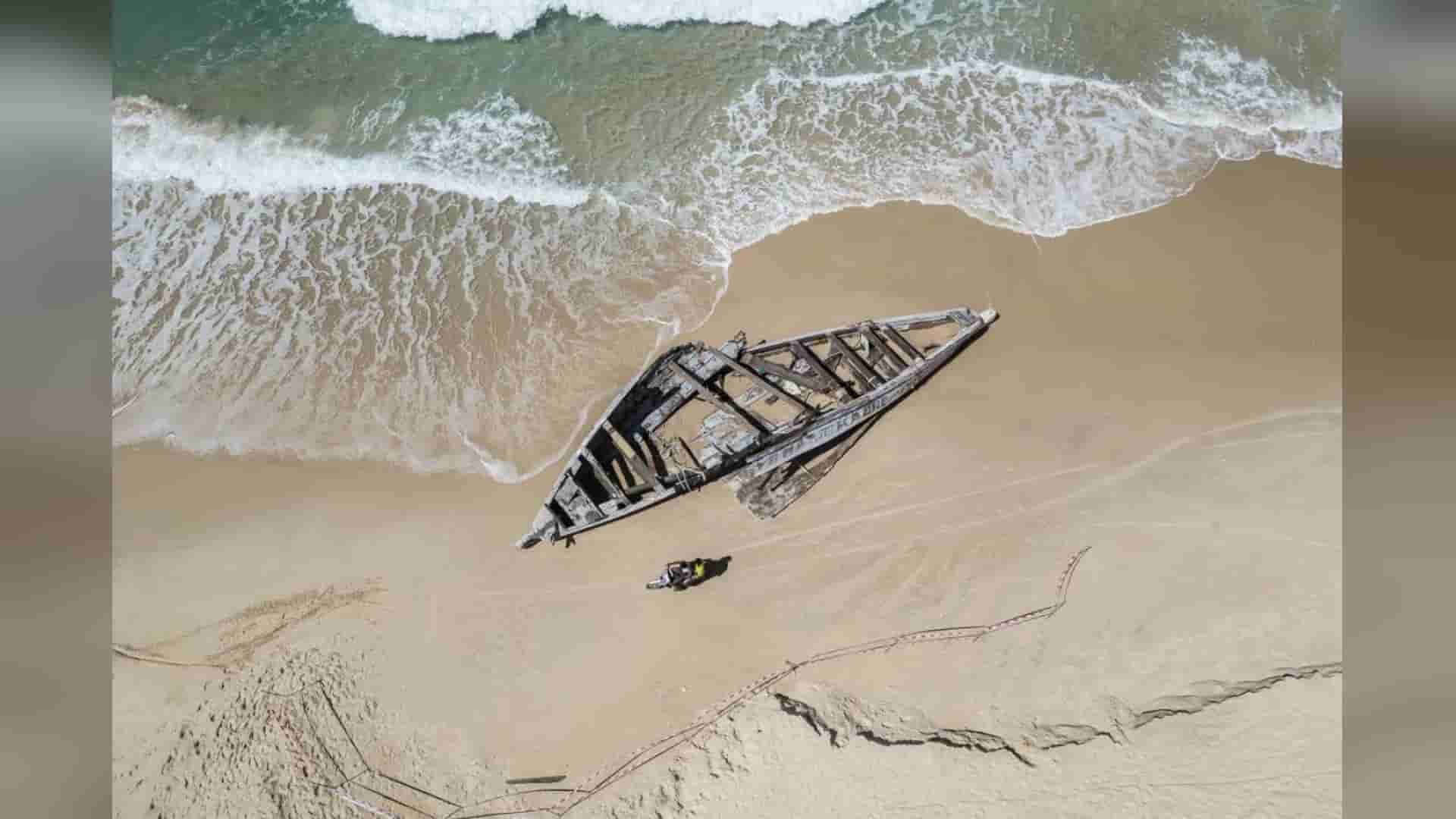
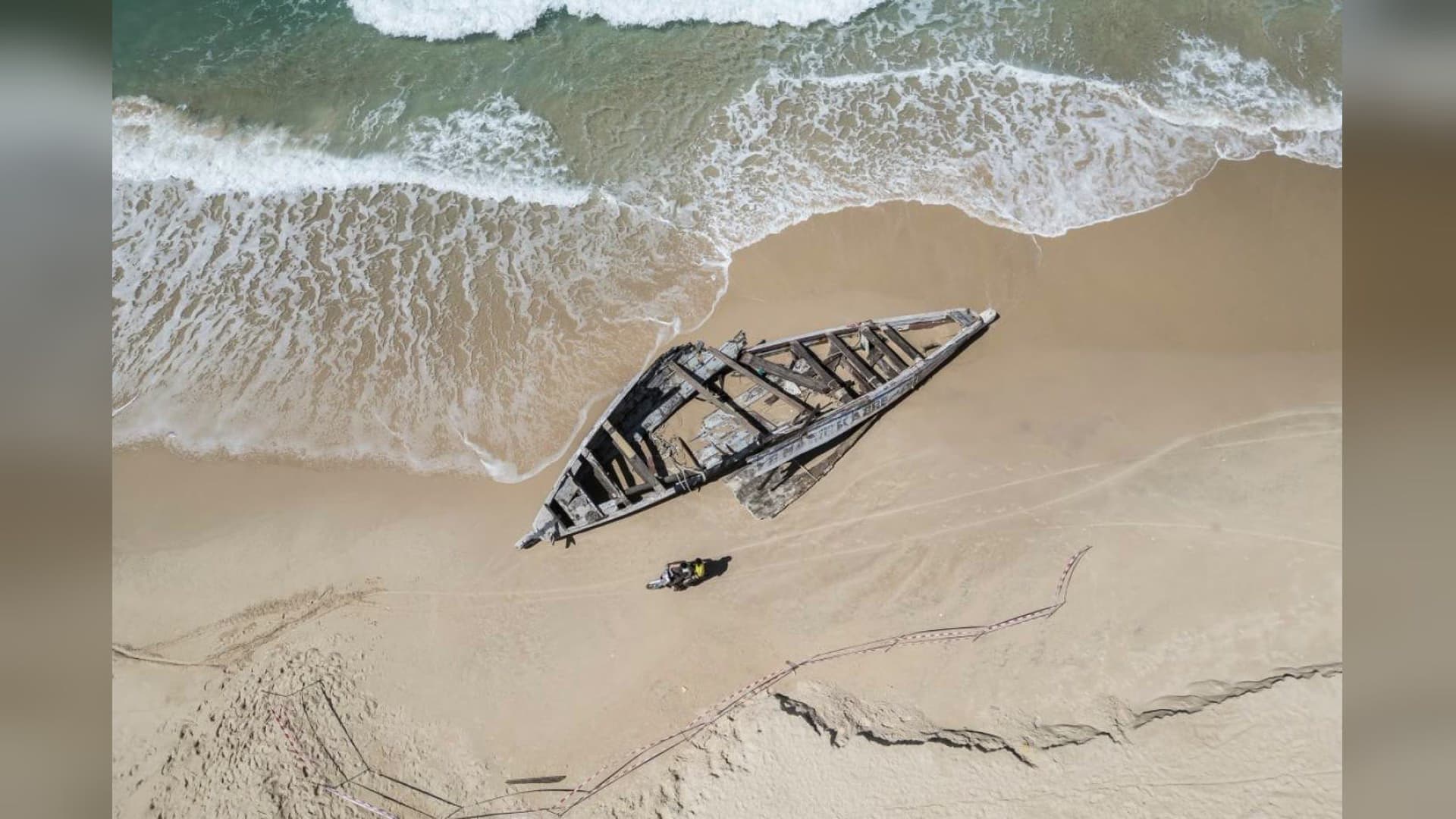
The Spanish Canary Islands recorded their highest number of migrant arrivals in a single day on Saturday, November 14, since monitoring of the Atlantic route began 32 years ago. Maritime rescue teams rescued 1,488 people aboard 14 wooden boats, according to preliminary figures reported by Cadena SER, before EFE raised the number to 1,580.
The new figure surpassed the previous record, set on November 7, 2020, when 1,461 people arrived. At the time, the Arguineguín dock on Gran Canaria was the main arrival point.
El Hierro bears the heaviest burden
El Hierro, the smallest island in the archipelago, bore most of the pressure, with 1,235 migrants disembarking at its two ports from 12 boats on Saturday alone. Another boat carrying 203 people arrived in Gran Canaria, while a third carrying 50 people reached Tenerife. The day's total included at least 108 women and 167 minors.
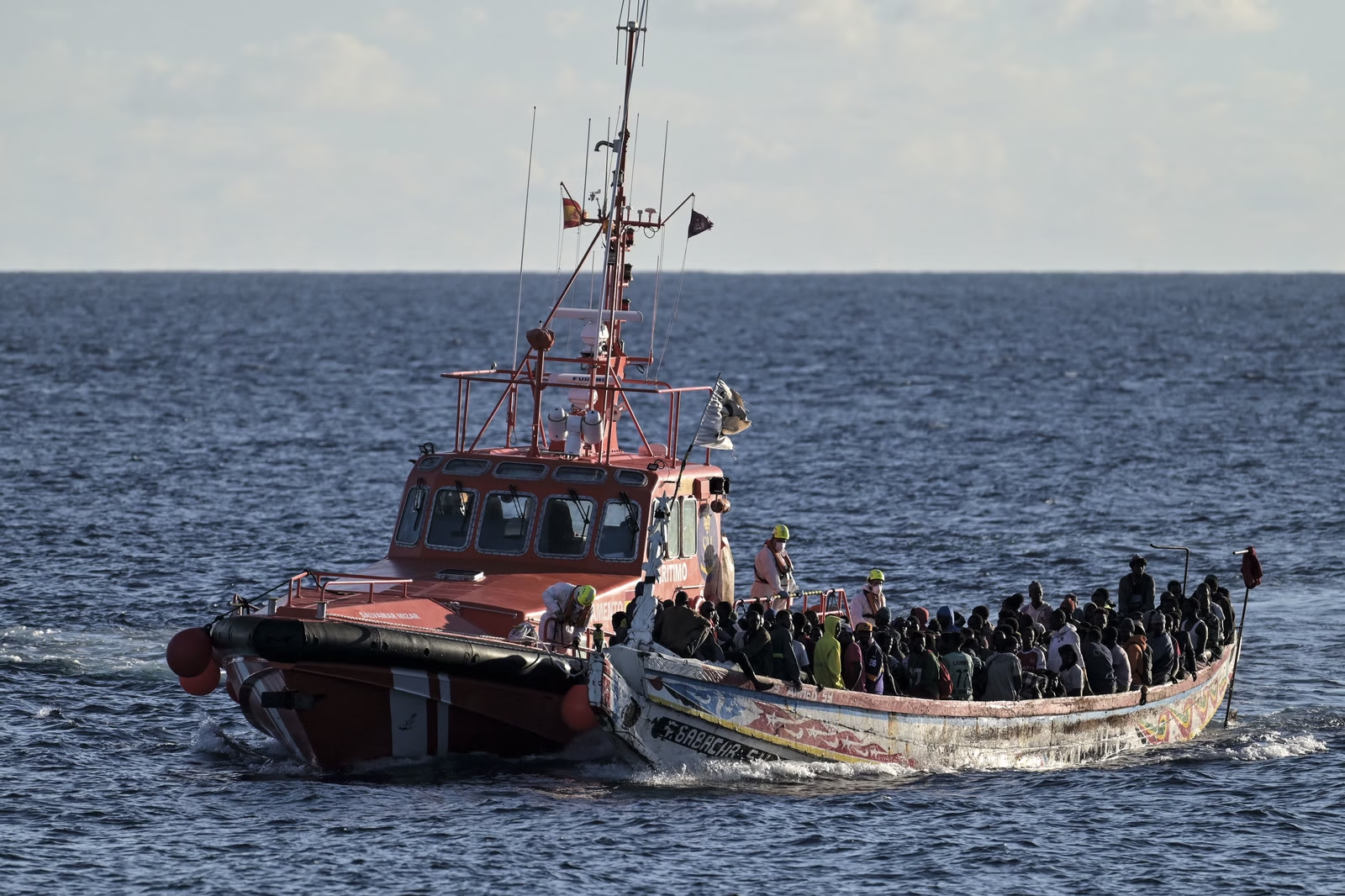
The boats spent between four and seven days at sea after departing from the coasts of Senegal, Gambia and Mauritania. The largest carried 240 people, including 12 women and 36 minors, from Gambia, Senegal and Guinea-Conakry. It had spent six days at sea after leaving the Gambian town of Gunjur before the Mizar rescue boat escorted it to the port of La Restinga.
The arrivals continued on Sunday, when El Hierro received another 1,261 migrants aboard seven boats, exceeding 1,000 arrivals for the second consecutive day. At least three of them were taken to hospital. The number of people arriving in the archipelago since Friday thus reached 3,684 aboard 29 boats, according to emergency service figures reported by EFE, including nearly 3,000 during the weekend alone.
The island, which has a population of 12,173, received 96 boats since the beginning of November, compared with 66 boats during the previous 10 months of the year. El Imparcial reported that 9,090 migrants arrived there during the first half of the month, representing 83.7% of all arrivals in the Canary Islands during the same period.
Migration emergency and exceptional funding for the island
Spain's Joint Ministerial Committee on Migration approved the declaration of a migration emergency on El Hierro several days ago and allocated 15.18 million euros to strengthen humanitarian assistance and increase reception capacity. The island council also declared a social emergency. The declaration applies only to the island and does not cover all of Spain.
Regional Policy Minister Ángel Víctor Torres visited the port of La Restinga on Saturday and told reporters: “We approved the migration emergency several days ago with funding of 15.2 million euros, part of which will go toward accommodation in the Canary Islands and across the country.” He added that the government was working on social and economic measures concerning unaccompanied minors. The government is scheduled to hold a second meeting of the ministerial committee on Tuesday to update the measures.
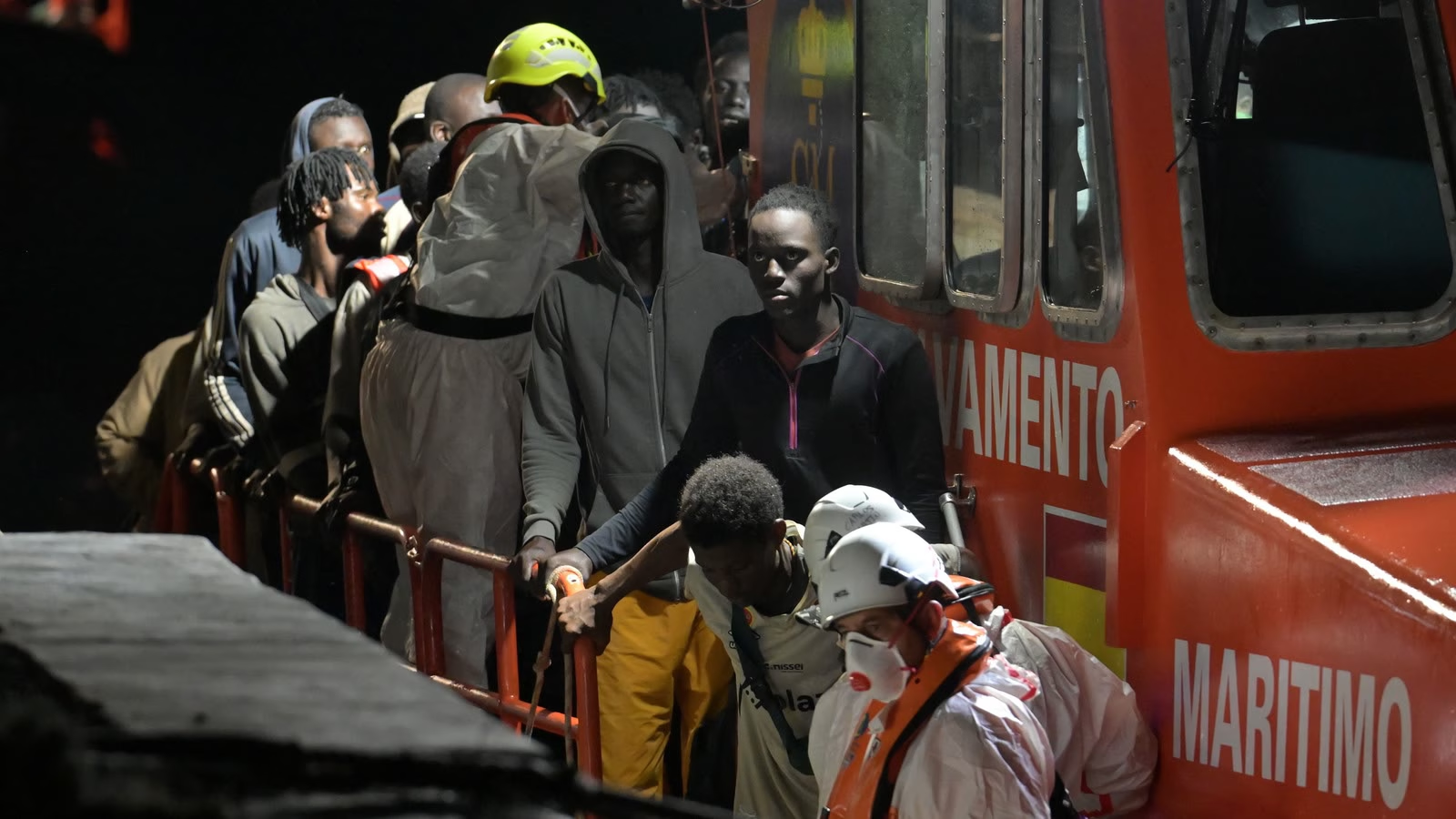
The authorities are working to transfer the arrivals to other islands and to mainland Spain to ease overcrowding in temporary reception centers and clinics. La Provincia reported that hundreds had spent the night on the island's port quays. Canary Islands President Fernando Clavijo called on Madrid to immediately fulfill its agreed support commitments, including additional accommodation, improved medical care and faster transfers.
Spanish media have linked the increase to the worsening social and economic crisis in Senegal, rising youth unemployment and calm seas lasting for weeks. The surge came days after Interior Minister Fernando Grande-Marlaska visited Dakar on November 11, where Madrid pledged 500,000 euros to strengthen surveillance of Senegalese waters.
The Atlantic route is considered one of the most dangerous migration routes to Europe. According to the Spanish organization Caminando Fronteras, at least 635 people died during the first five months of the year while attempting to reach the islands, while the death toll from a boat bound for the Canaries that sank off Senegal at the beginning of this month rose to 42.
Photos: EFE, Spanish television. Sources: Cadena SER, EFE, El Español, El Imparcial, La Provincia, dpa.
Stay Updated with Hilal Times
Subscribe to be informed about special news, developments and announcements. We will keep you informed.
By signing up, you agree to our Privacy Policy