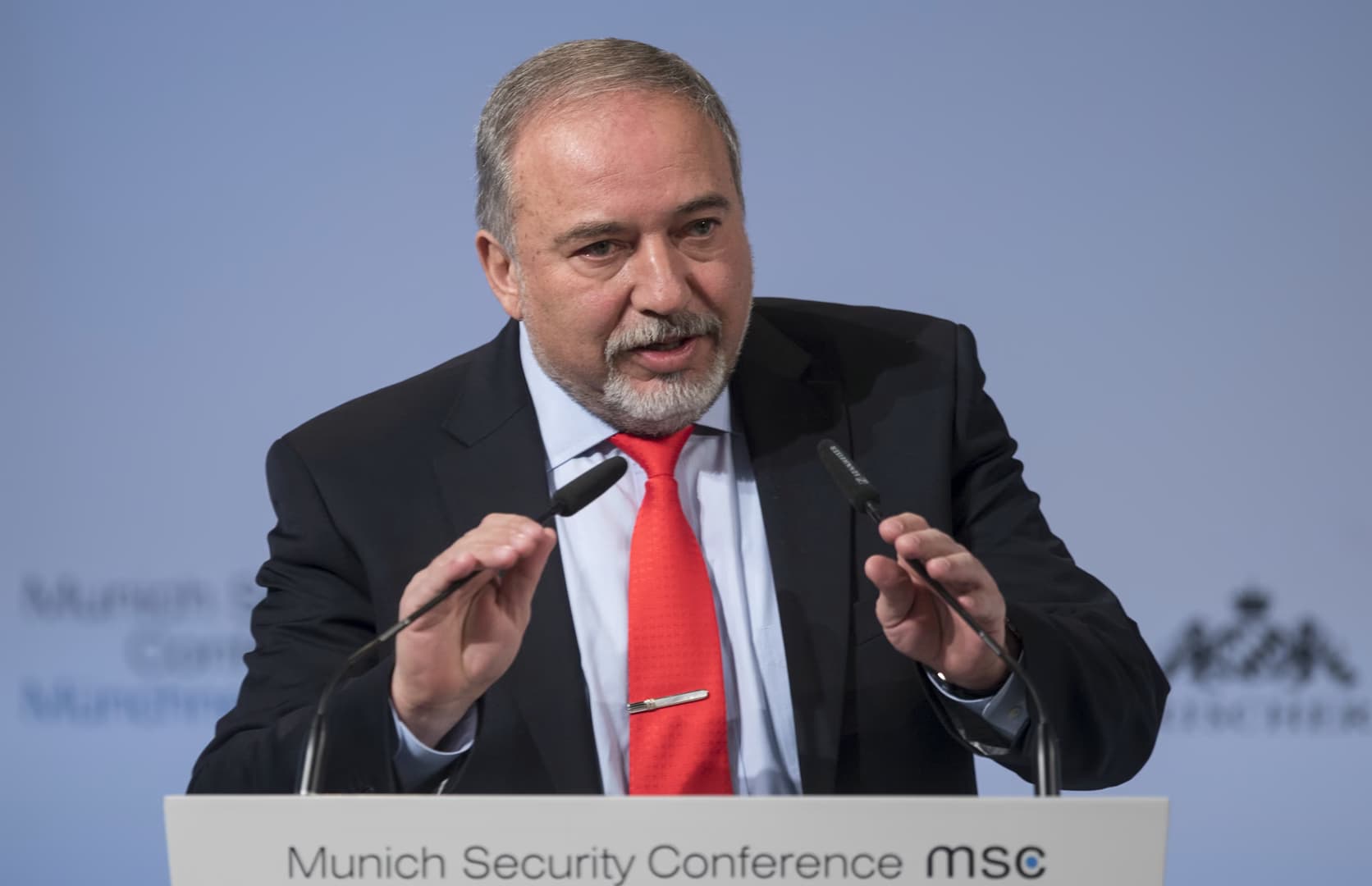
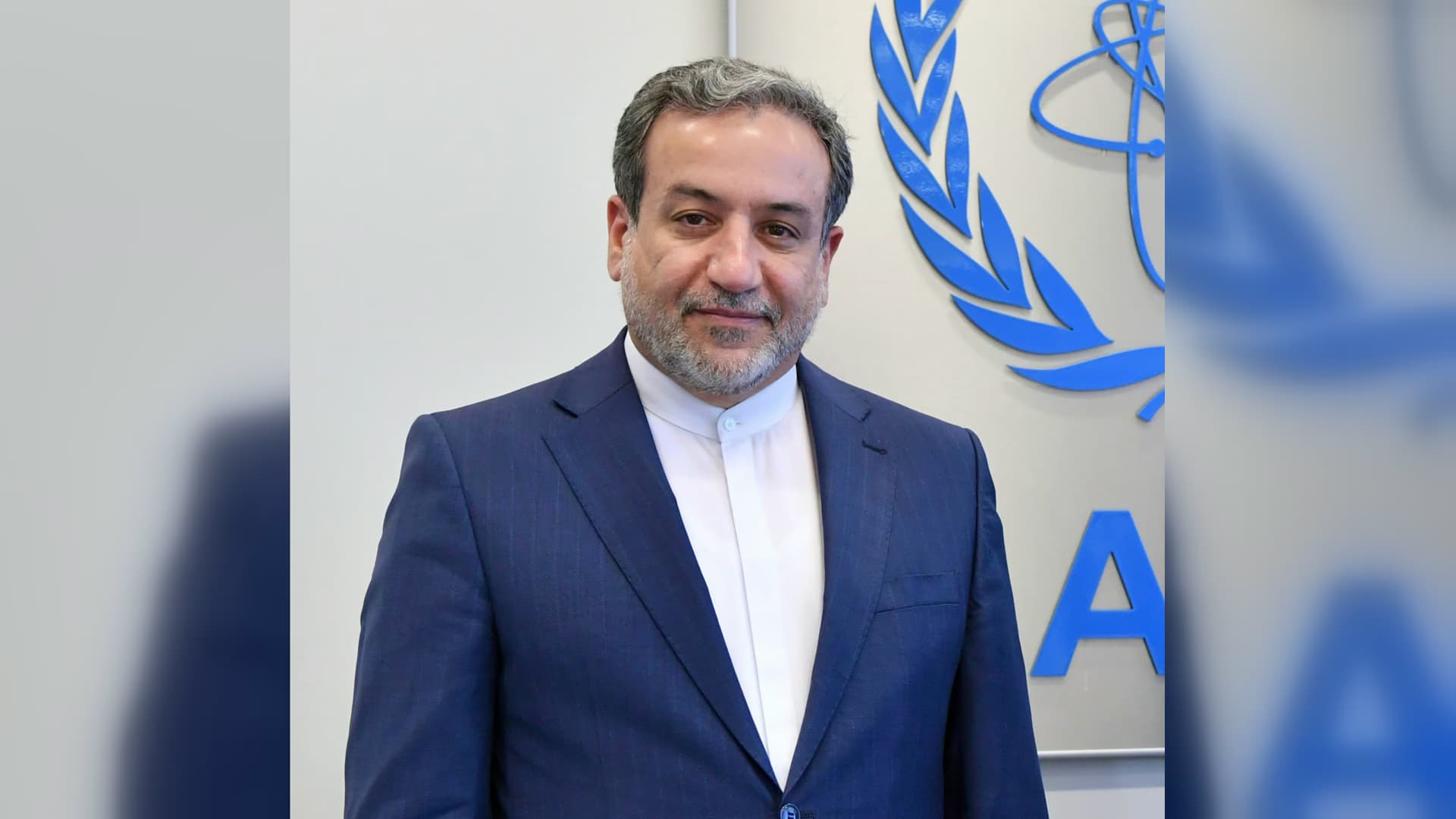
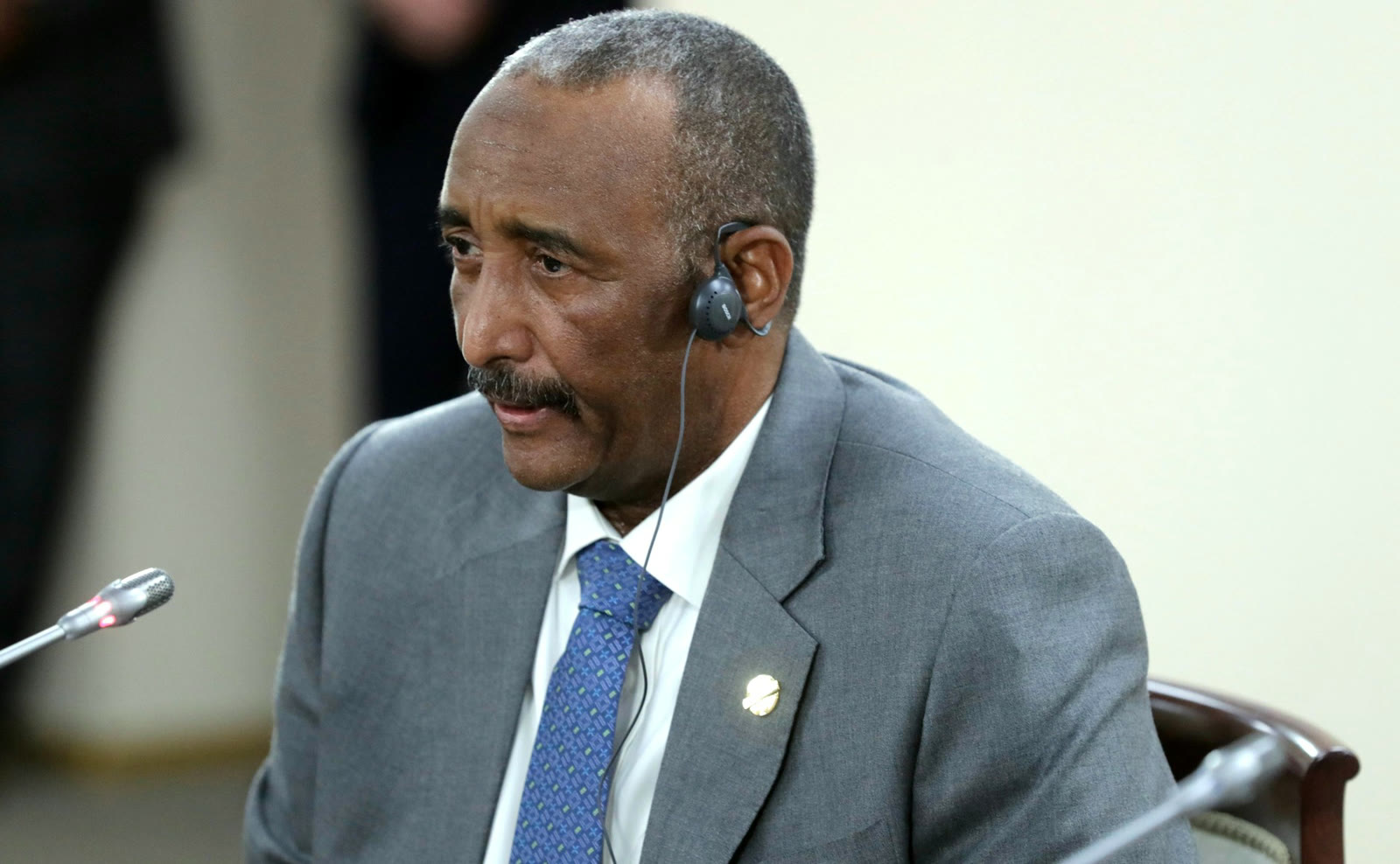
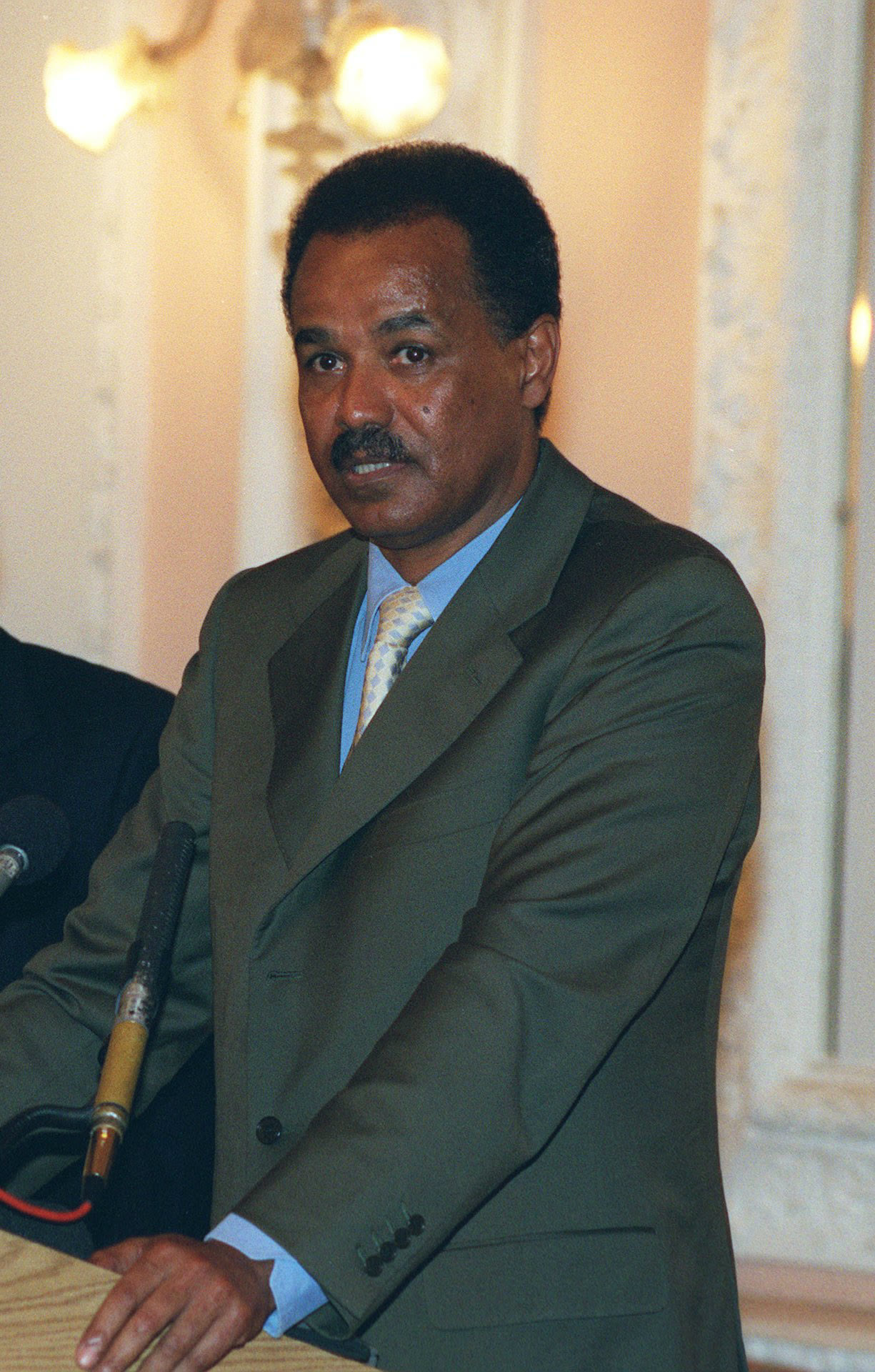
The leaders of Egypt, Sudan, Eritrea and Somalia adopted a common position on Sunday at a summit in Egypt’s coastal city of El Alamein over disputes surrounding Ethiopia’s dam project and its efforts to secure access to the Red Sea. The leaders rejected unilateral steps that could undermine the water rights of Egypt and Sudan, the Nile’s downstream riparian countries.
Egyptian President Abdel Fattah el-Sisi, Sudan Sovereignty Council Transitional President General Abdel Fattah al-Burhan, Eritrean President Isaias Afwerki and Somali President Hassan Sheikh Mohamud opposed interference in the internal affairs of regional countries for any reason in the El Alamein Joint Statement issued after the summit.
Emphasis on sovereignty for Sudan and Somalia
The joint statement reiterated support for Sudan’s sovereignty, territorial integrity and state institutions. It rejected the establishment of parallel structures in the country and called for the relaunch of a political process owned and led by the Sudanese people.
The leaders advocated support for Sudan’s national institutions and declared their opposition to all forms of support for mercenaries. Somalia’s unity and sovereignty were also reaffirmed, while interventions threatening the country’s territorial integrity were rejected.
The statement also opposed the recognition or support of the entity referred to as “Somaliland.”
Responsibility of Red Sea littoral states
The four countries supported the principle of freedom of navigation in the Red Sea. The leaders said that only the littoral states were responsible for the management of the sea and reiterated their opposition to unilateral initiatives that could affect Egypt and Sudan’s existing rights to use Nile waters.
Egypt and Sudan, as the Nile’s downstream riparian countries, are embroiled in a dispute with Ethiopia over the Grand Ethiopian Renaissance Dam, which Ethiopia is building on the river. Cairo and Khartoum want a binding agreement on the filling and operation of the dam, while Ethiopia is continuing the process without such an agreement being reached.
Egypt is concerned that the dam project could affect its annual water allocation. Egypt’s annual share is stated to be 55.5 billion cubic meters.
Ethiopia’s efforts to secure access to the Red Sea
Egypt has opposed Ethiopia gaining access to the Red Sea throughout this year. Ethiopia became a landlocked country after Eritrea gained independence in 1993.
Ethiopian Prime Minister Abiy Ahmed has kept the issue of access to the Red Sea on the agenda since taking office in 2018. Ethiopia shares land borders with Eritrea, Djibouti, Somalia, Kenya, Sudan and South Sudan.
On January 1, 2024, Ethiopia signed a memorandum of understanding with Somaliland that would enable the establishment of a military base and the development of a port on the Red Sea. Somali President Mohamud later described the memorandum in a statement to parliament as illegal and a clear violation of international law, saying that the agreement could not be implemented.
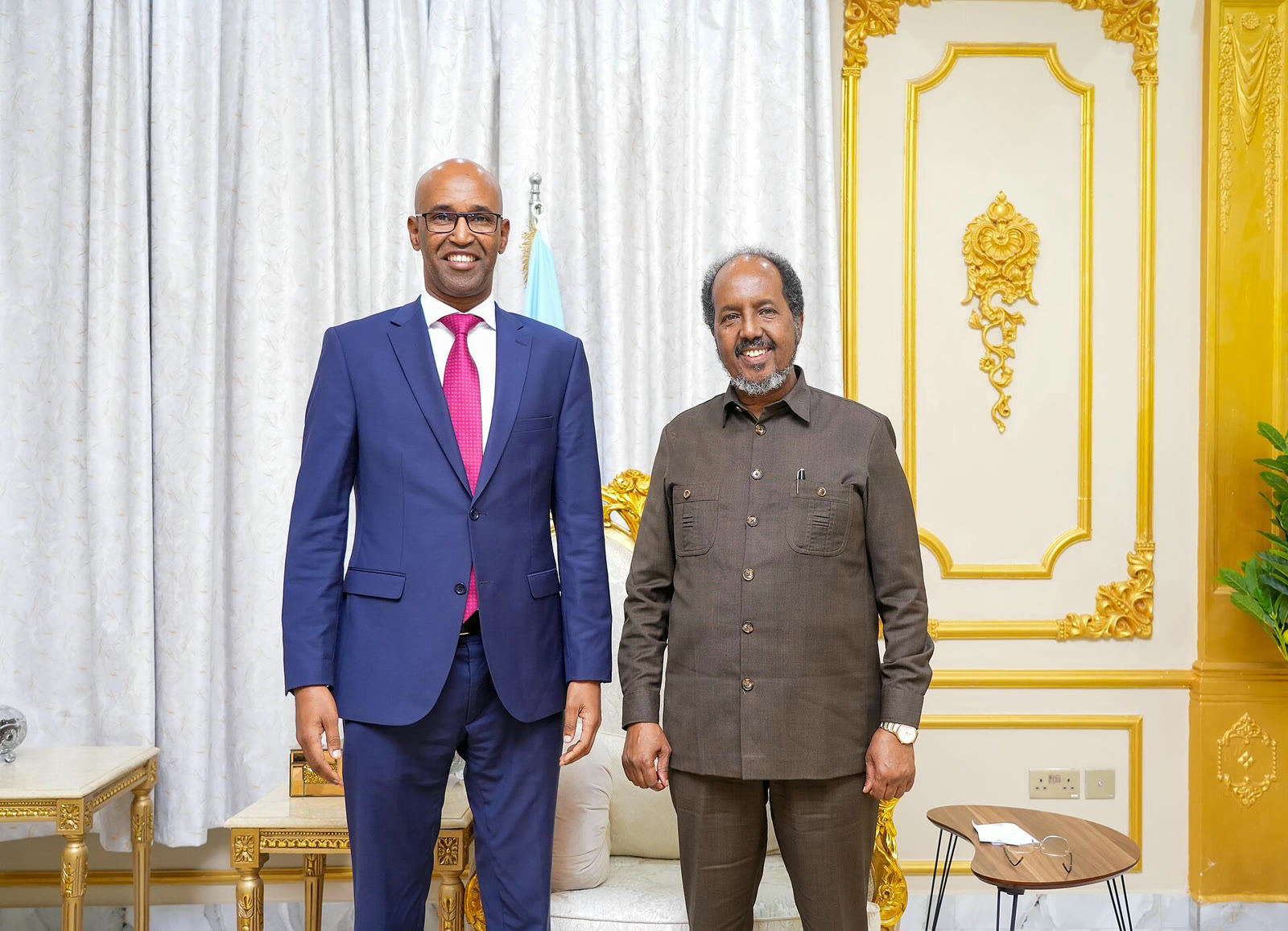
Tensions between Eritrea and Ethiopia
As part of the summit decisions, the leaders of the four countries agreed to meet at regular intervals and when necessary to strengthen consultation and coordination.
Ethiopia severed relations with Eritrea and expelled an Egyptian diplomat on Thursday, before the summit. Eritrea and Egypt took similar steps in response.
These developments took place as the Tigray People’s Liberation Front, which opposes Abiy Ahmed’s government in Ethiopia, intensified its attacks in late September and seized airports. The Addis Ababa administration accused Eritrea and Egypt of supporting the group. Eritrea and Egypt rejected accusations that they had interfered in the internal affairs of other countries.