- BIST10011,661-1.54%
- USD50.39+0.22%
- EUR55.50-0.19%
- GOLD3,865.80+0.33%
- INTEREST36.00%-1.00
- BITCOIN63,602-1.89%
- November 17, 202615°
- BIST10011,661-1.54%
- USD50.39+0.22%
- EUR55.50-0.19%
- GOLD3,865.80+0.33%
- INTEREST36.00%-1.00
- BITCOIN63,602-1.89%
- November 17, 202615°
Haaretz: Türkiye offers Gulf military capabilities Abraham Accords could not
Zvi Bar'el, Haaretz’s Middle East affairs analyst, argued that Ankara has become a key player in the Gulf states’ defense arrangements after the war with Iran. The analysis came two days after Türkiye and Qatar signed a joint defense agreement in Istanbul.
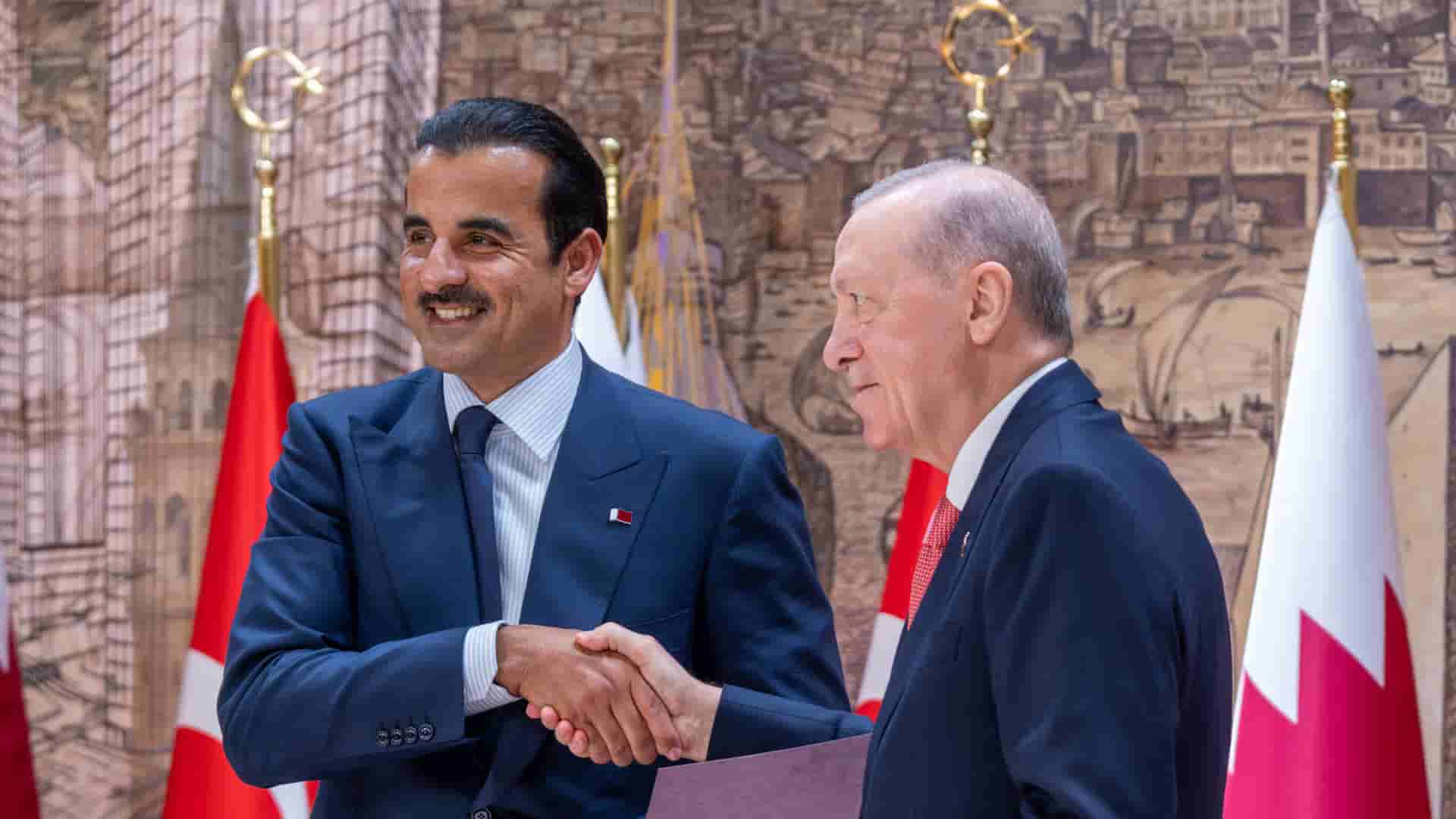
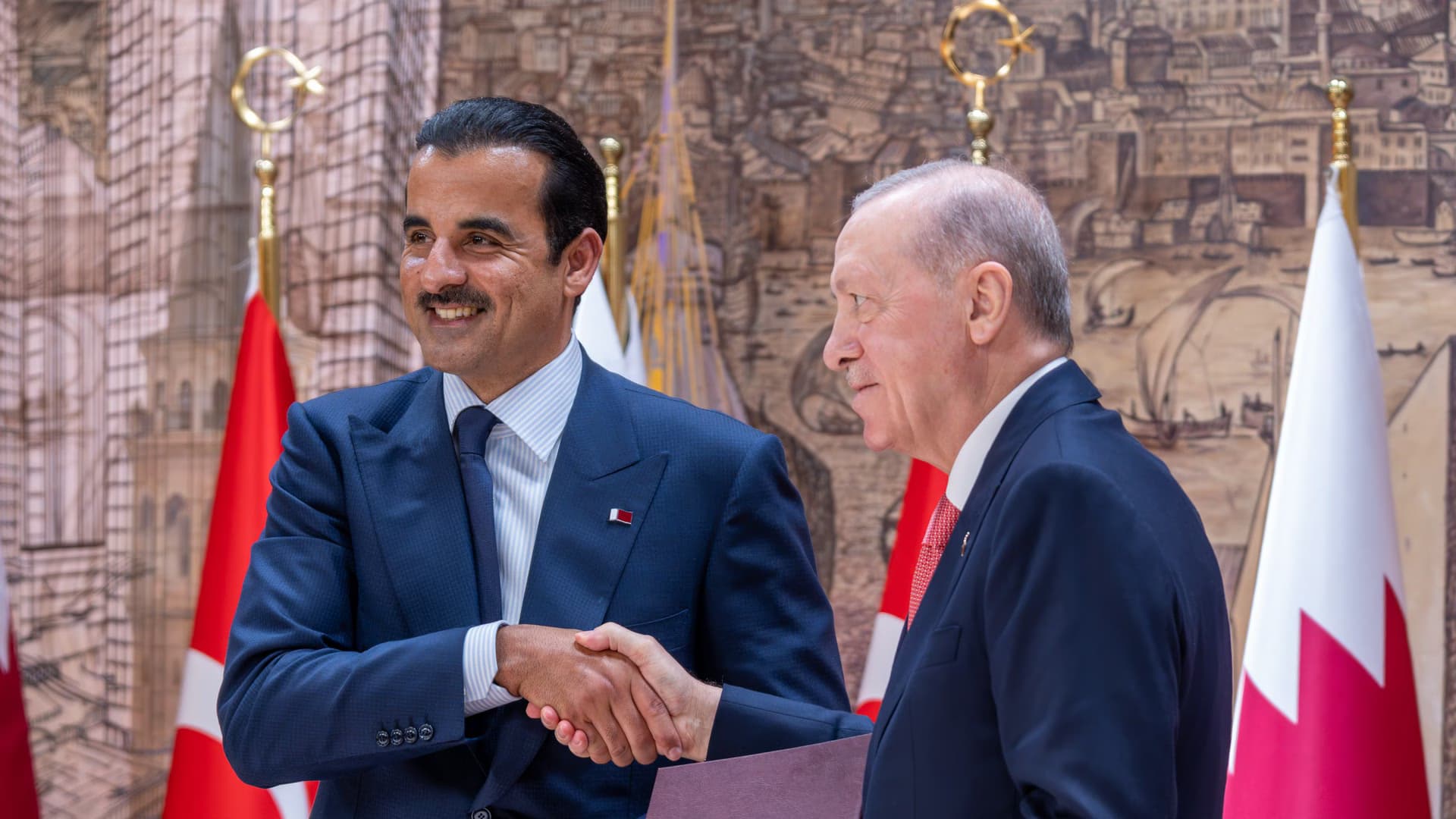
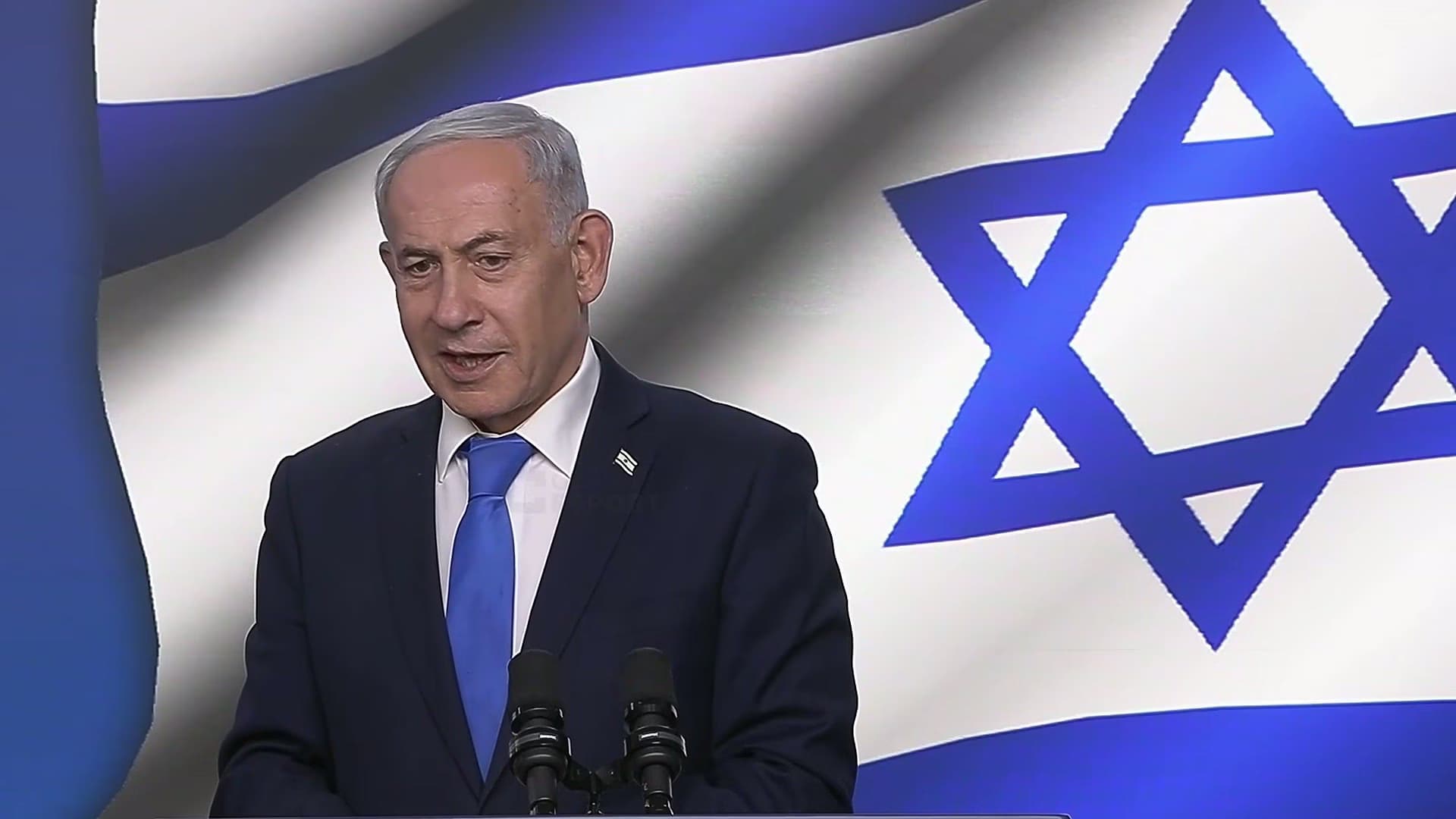
Israeli newspaper Haaretz said Türkiye could provide the Gulf states with military capabilities that Israel cannot offer, arguing that the Abraham Accords had secured diplomatic, economic and intelligence gains for Israel but had failed to build a joint defense system with its regional partners.
The assessment appeared in an analysis by the newspaper’s Middle East affairs analyst, Zvi Bar'el, published on November 15 under the headline “Türkiye offers the Gulf what the Abraham Accords could not.” Bar'el wrote that Türkiye, which had remained distant from the Arab Middle East for years, has now become the region’s “new power broker,” prompting Israel to reconsider its strategy and what it can offer Gulf states turning to Ankara in search of regional deterrence.
The Qatar-Türkiye agreement as a starting point
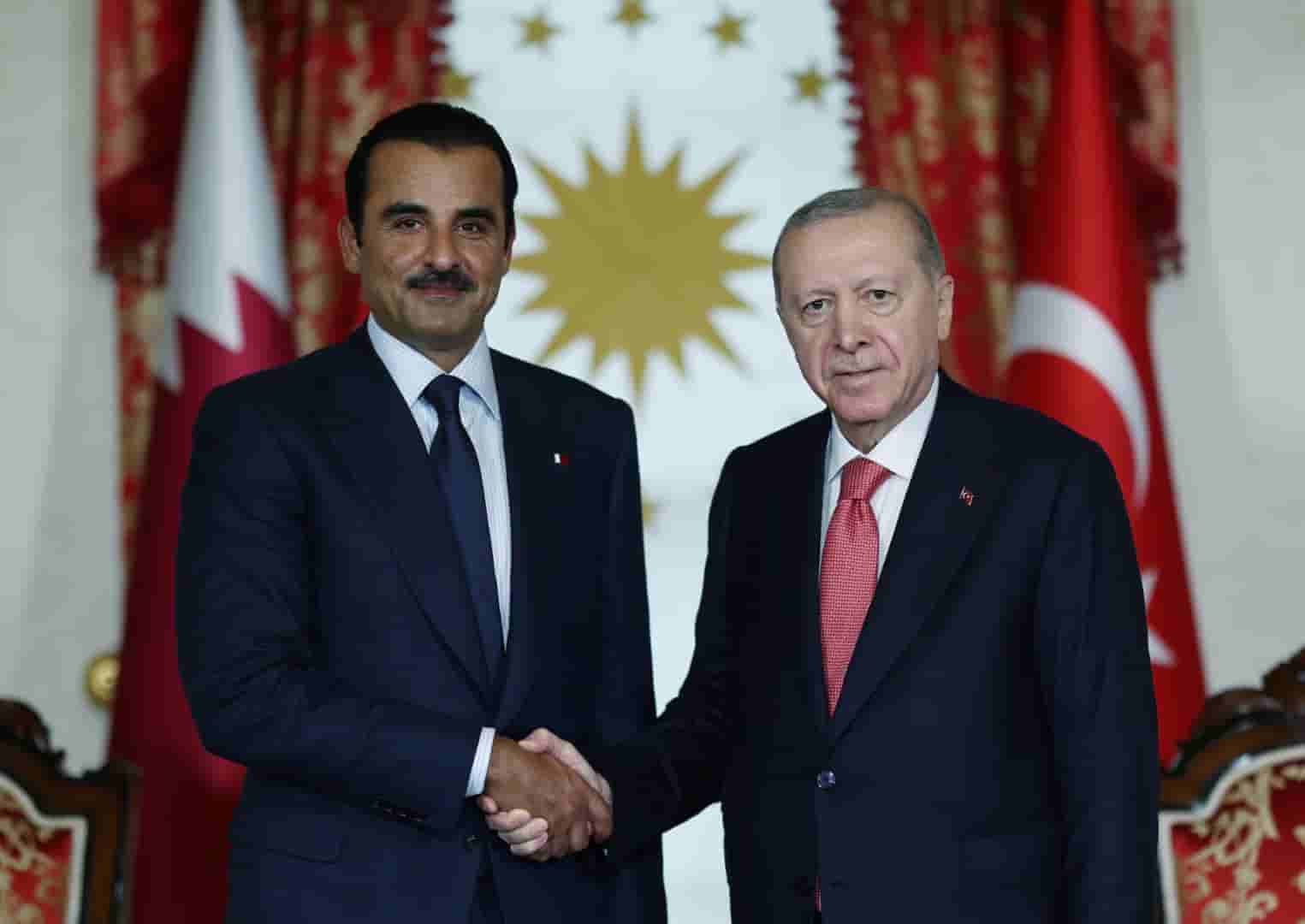
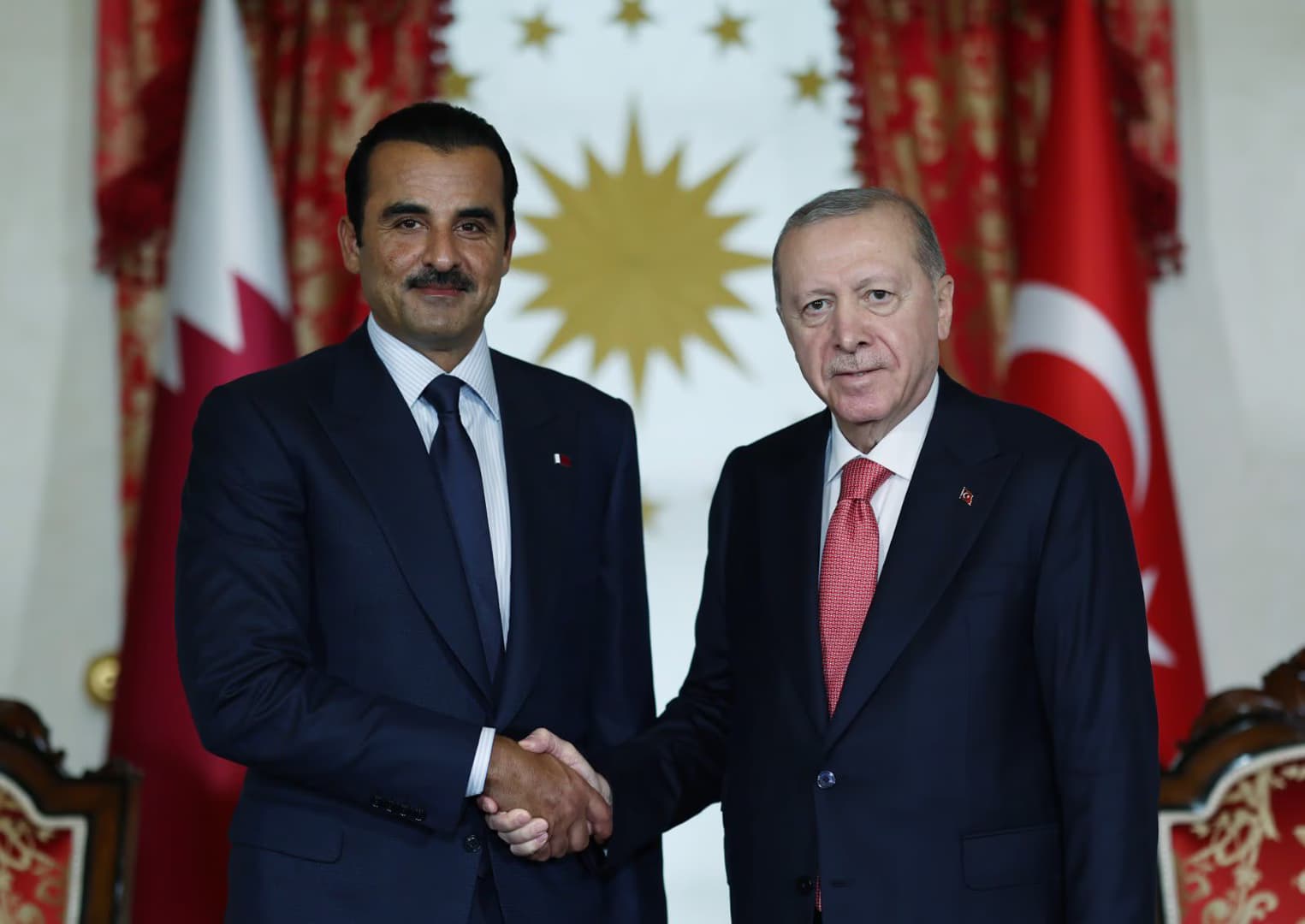
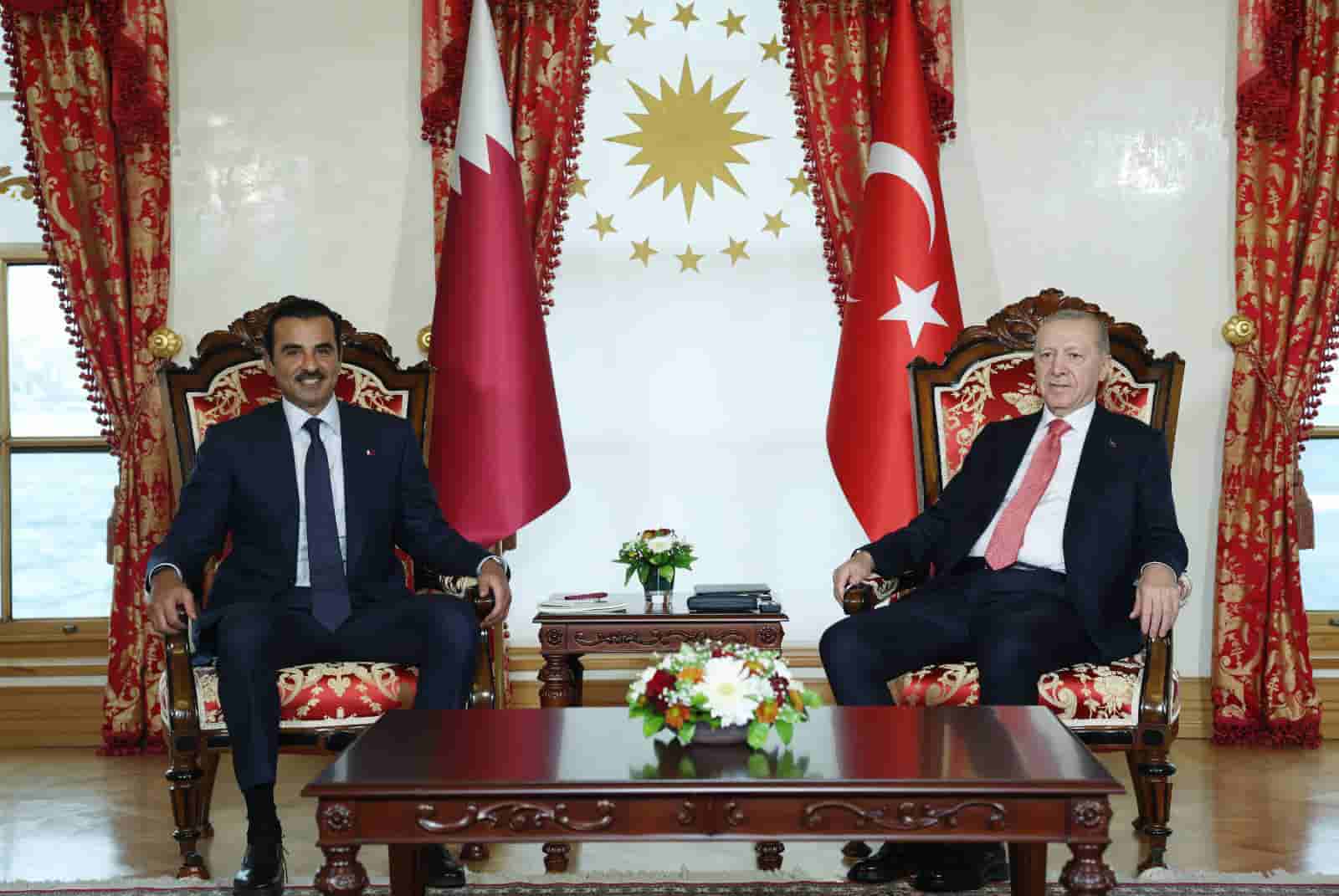
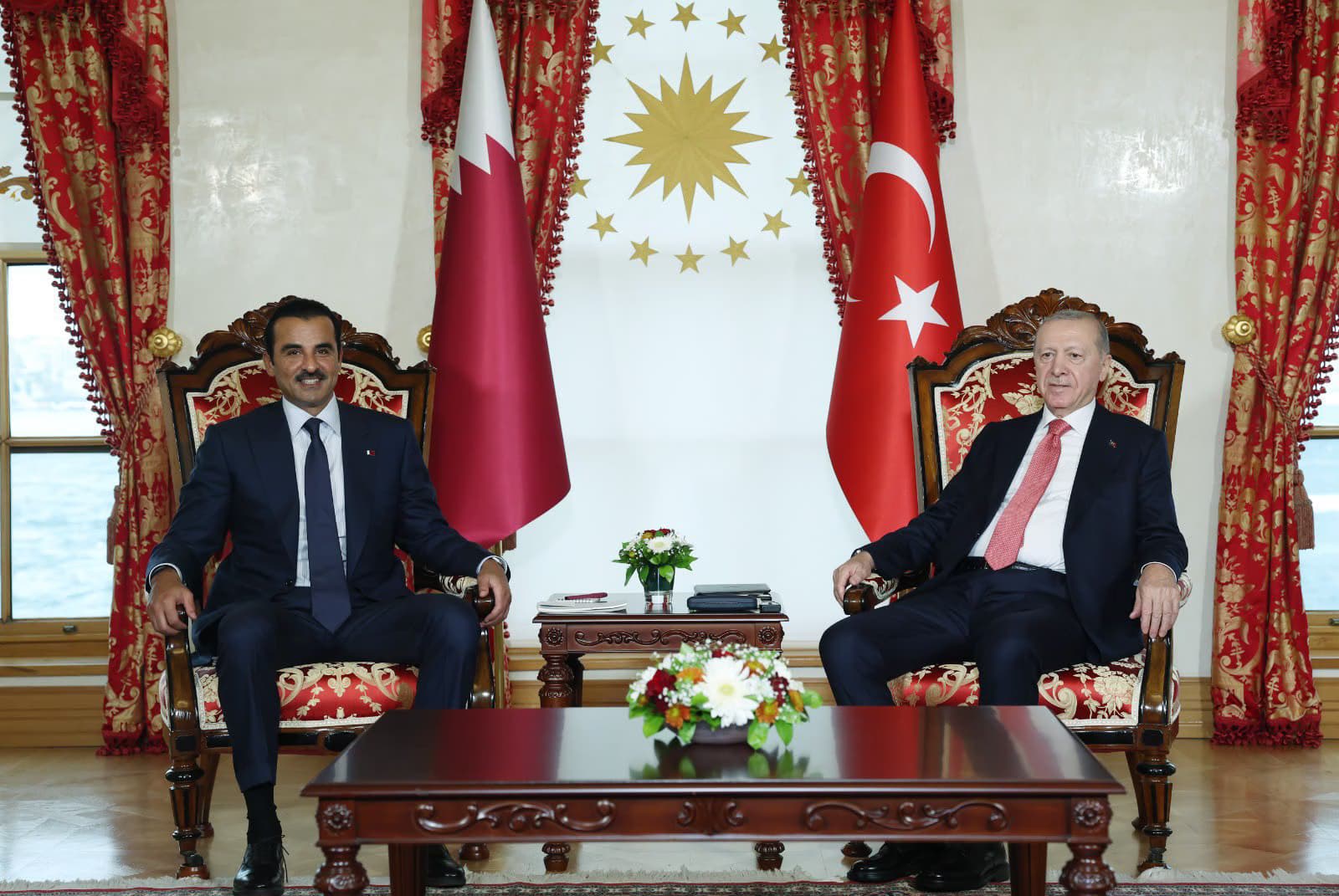
The analysis began with the joint defense agreement signed by President Recep Tayyip Erdoğan and Qatar’s Emir Sheikh Tamim bin Hamad Al Thani on Friday, November 13, at the Turkish presidency’s office in Istanbul’s Dolmabahçe Palace, during the 12th meeting of the countries’ High-Level Strategic Committee. Bar'el wrote that the agreement did not represent a new strategic shift or a major change in the region’s balance of power, explaining that its full text had not yet been published. However, joint announcements and published summaries of its main provisions indicate that the two countries committed to a common position and consultations on potential threats.
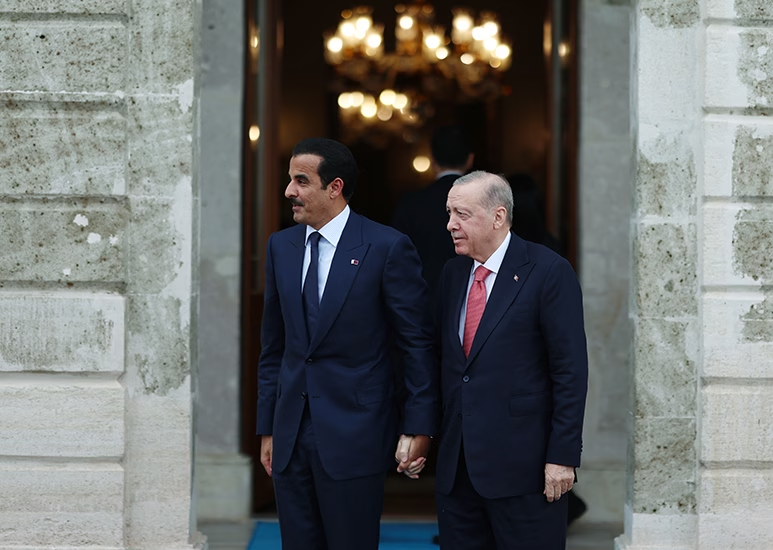
The joint statement issued after the talks said the two countries would stand together against any external armed attack targeting either or both of them, while maintaining continuous consultations on threats and expanding cooperation through joint military exercises, defense-industry cooperation and personnel training exchanges. The two sides signed four other documents that day covering trade, education and diplomacy.
From arms supplier to regional security partner
The analysis said Türkiye is becoming a central force in the Gulf states’ new defense strategy after the war with Iran, drawing on its expanding defense industry and growing ties with the region’s capitals as the states seek to strengthen deterrence capabilities and protect maritime routes.
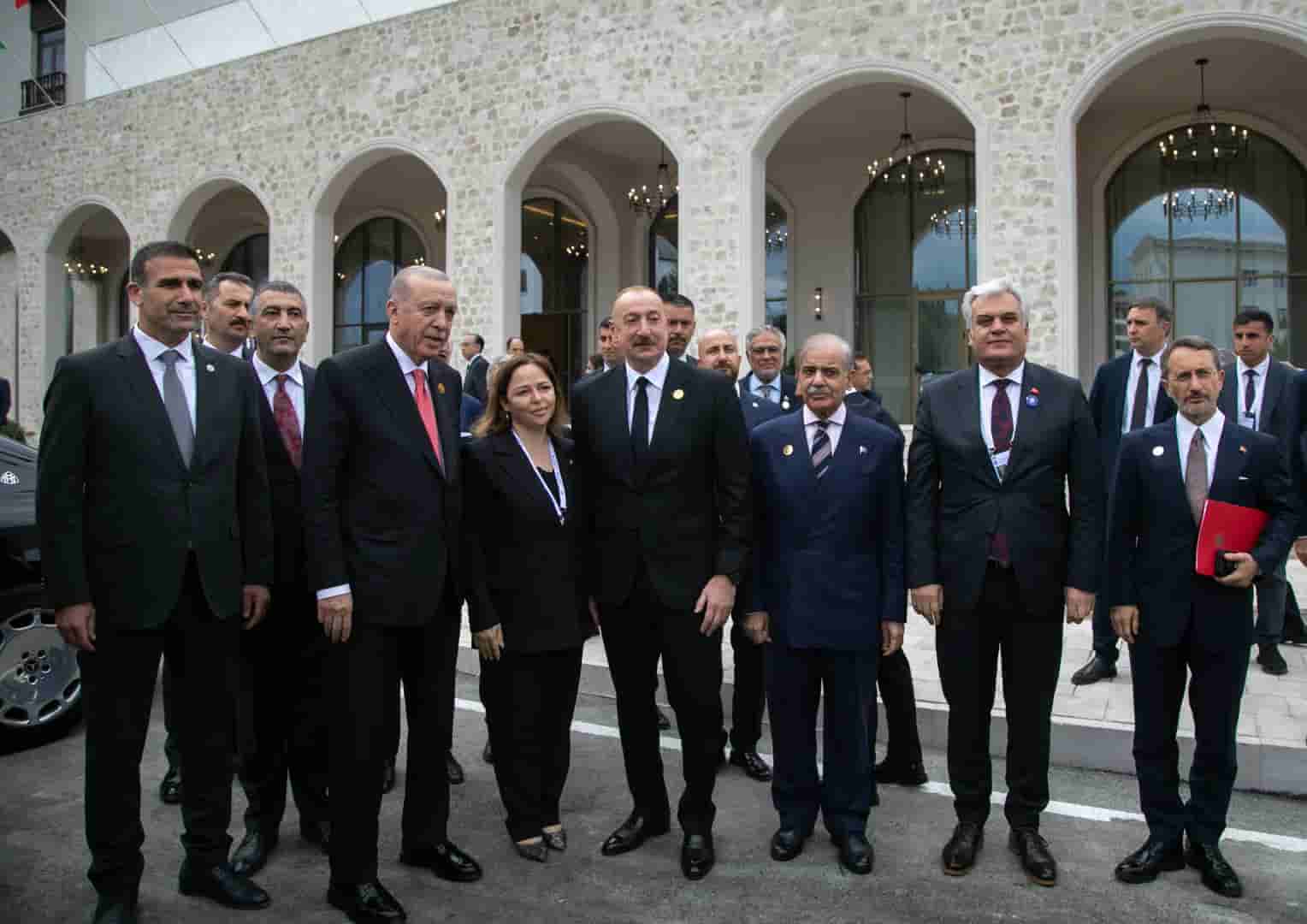
Türkiye’s new defense partnerships are not limited to Qatar. On August 7, Türkiye, Saudi Arabia and Pakistan signed the “Mecca Joint Defense Agreement” in Mecca, which treats any external armed attack on one of the three countries as an attack on all of them. After the Turkish Parliament approved the agreement, Türkiye’s Official Gazette published the ratification law on November 14, one day after the agreement with Doha was signed.
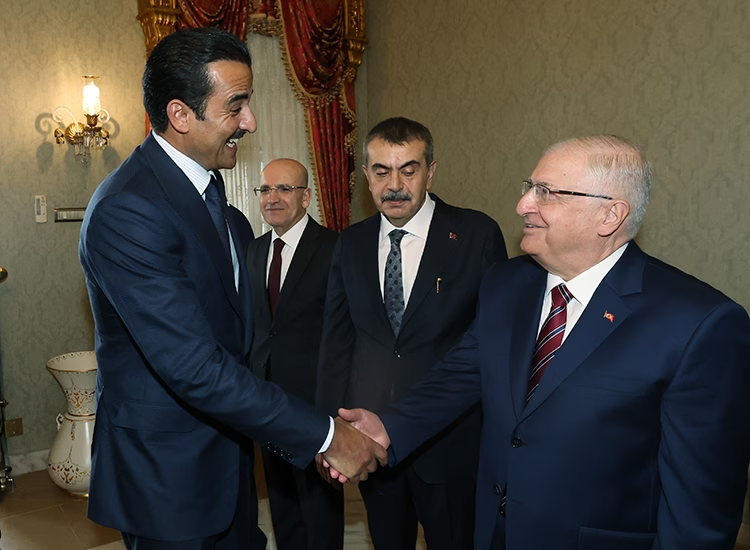
Bar'el concluded that this shift requires Israel to review its regional calculations. The gains it achieved through the Abraham Accords have not become a joint defense system, while Ankara is offering the Gulf states military capabilities that Israel cannot provide.
Photos: Qatar’s Amiri Diwan, the Turkish presidency. Sources: Haaretz, Reuters via Al-Shabiba newspaper, Cairo 24.