- BIST10011,661-1.54%
- USD50.39+0.22%
- EUR55.50-0.19%
- GOLD3,868.00+0.39%
- INTEREST36.00%-1.00
- BITCOIN63,739-1.68%
- November 17, 202615°
- BIST10011,661-1.54%
- USD50.39+0.22%
- EUR55.50-0.19%
- GOLD3,868.00+0.39%
- INTEREST36.00%-1.00
- BITCOIN63,739-1.68%
- November 17, 202615°
Taliban's education ban leaves Afghan women facing residency curbs in Iran and Pakistan
Hundreds of Afghan girls and women migrated to the two neighboring countries to continue their education, but tighter residency requirements and waves of deportations have also closed the doors of schools and universities to them there.

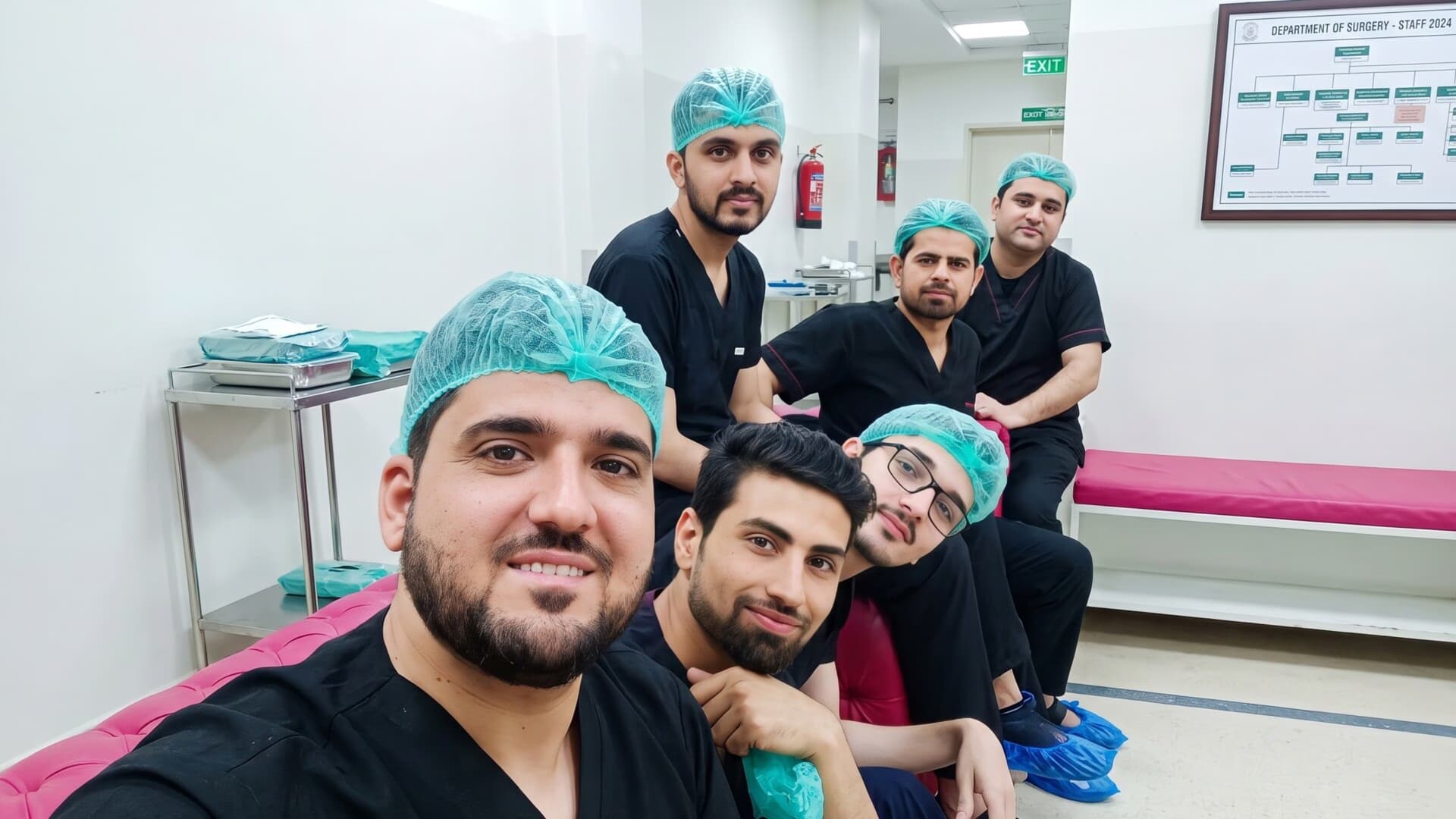
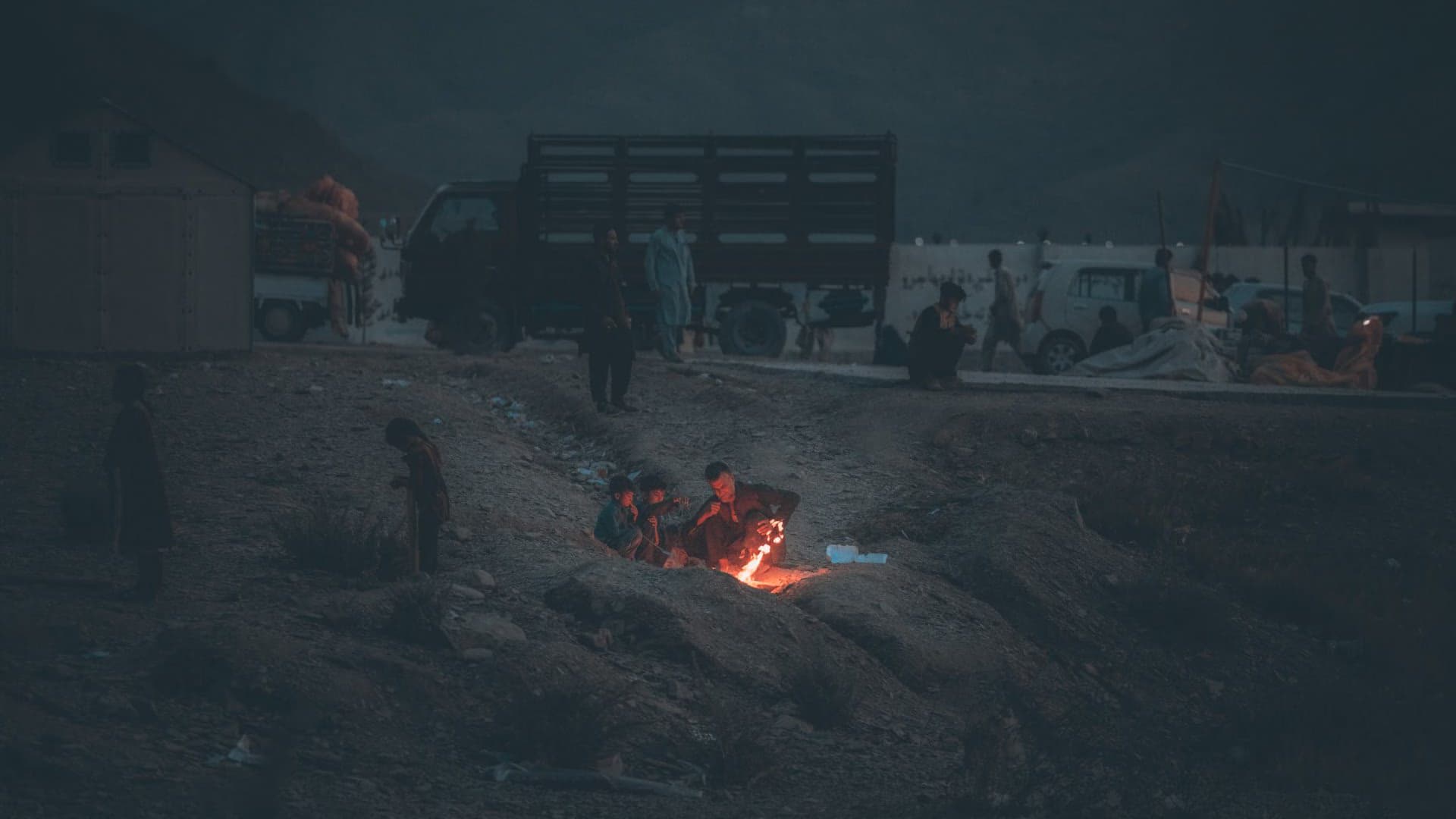
Zahra had only a few months left to earn her medical degree in Kabul when the Taliban authorities banned women from entering universities. Her family moved to Iran so that she and her sister could continue their studies, but four years later the sisters found themselves excluded from education once again.
Zahra told Radio Free Europe/Radio Liberty, in a report published on November 15: “Our visas expired quickly, and without legal residency we were denied education... Wherever we applied, we received no positive response. I am not alone; many Afghan girls here are facing the same problem.” The broadcaster withheld the women's real names for security reasons.
According to the report, hundreds of girls who fled to Iran and Pakistan to continue their education are now being denied access to it there as well, as Tehran and Islamabad have tightened residency rules and deported Afghans in large numbers.
2.4 million girls out of secondary school
The Taliban halted girls' education beyond the sixth grade in March 2022 and banned women from universities in December of the same year, followed by a ban on medical training institutes in December 2024. The United Nations says about 2.4 million girls have been denied secondary education since the movement returned to power in August 2021, making Afghanistan the only country that officially bans secondary and higher education for females.
Huda Jabryan, UNESCO's coordinator for education in emergencies, warned in an interview with Voice of America last week that “Afghanistan cannot afford to lose another generation of learners.” A UN report issued this month said that no girls had been enrolled in Afghan universities during 2026.
Iran: No study without residency
Roya, another Afghan woman in Tehran, says she left her country about four years ago because she did not want to give up her education. Despite holding a bachelor's degree, she applied to several Iranian universities to pursue a master's degree, but was rejected because she did not have legal residency.
In March 2025, the registration documents that had granted about two million Afghans temporary legal status in Iran expired. From March 21, 2025, Iranian authorities limited access to services, including education, to holders of valid residency documents. Nader Yarahmadi, head of the Center for Foreign Nationals and Immigrants Affairs at Iran's Interior Ministry, told Tasnim on September 27 that Afghan children can enroll in schools without documents if their parents hold valid residency permits.
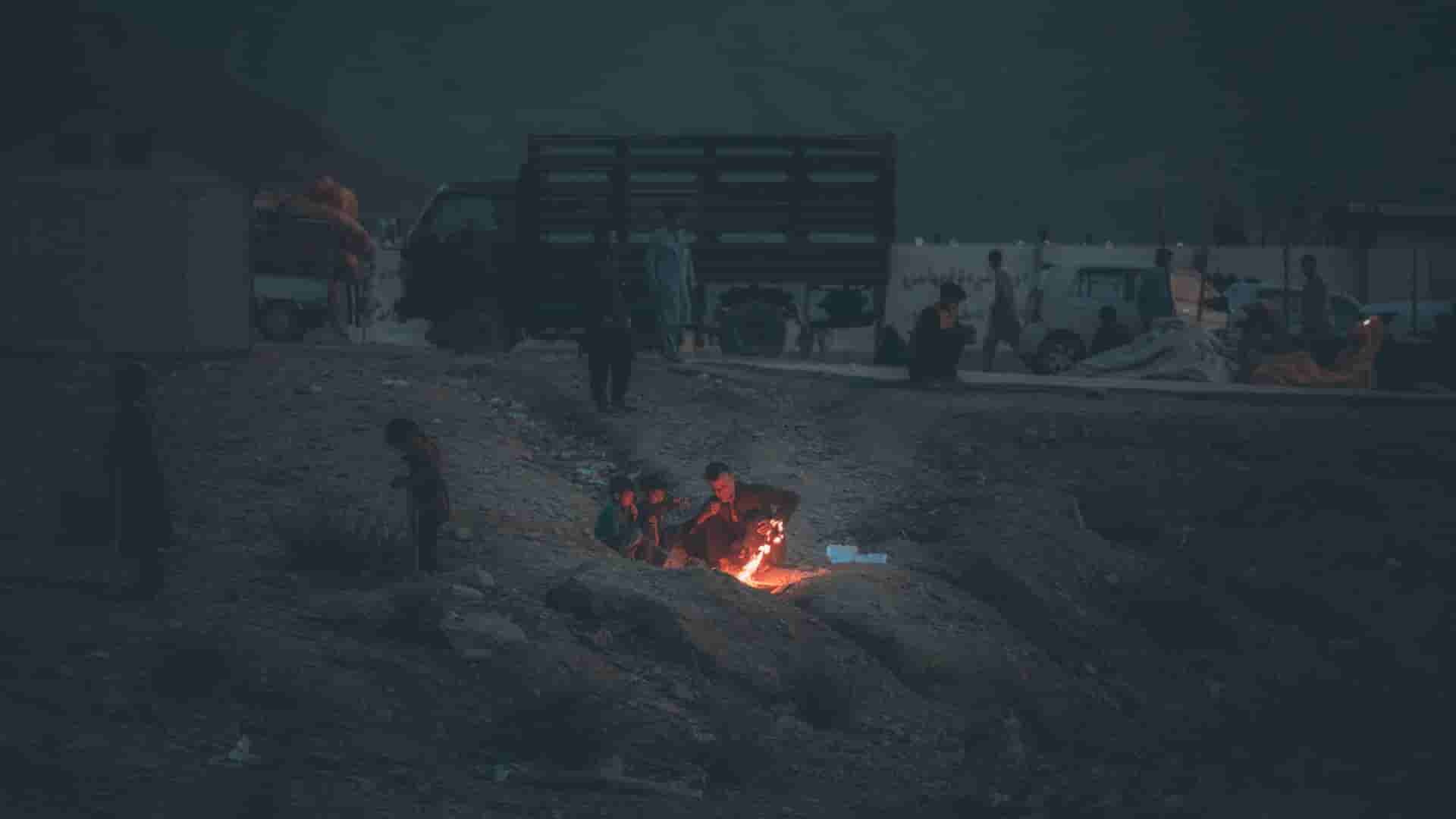
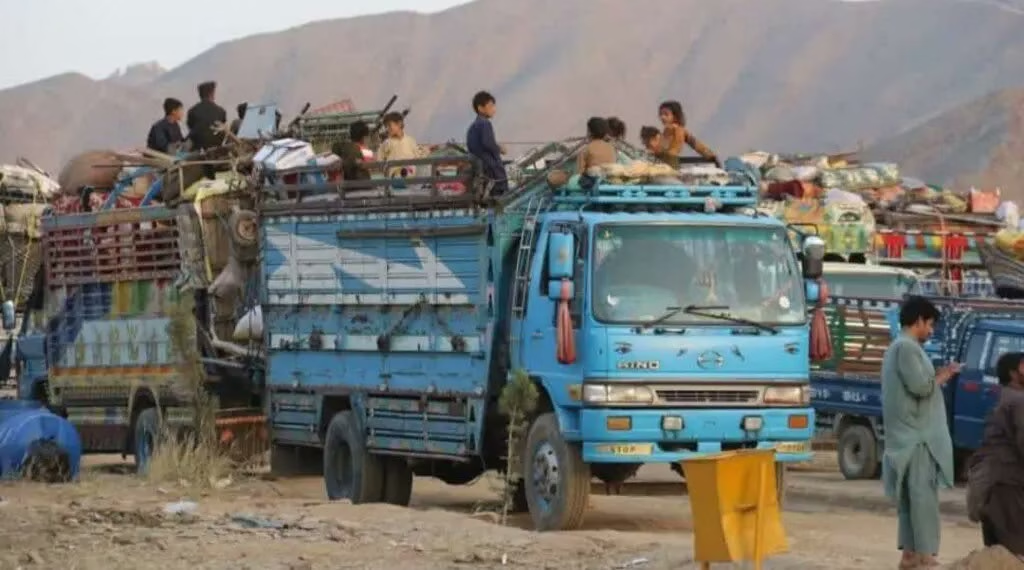
But many people who entered Iran in recent years hold expired visas and say obtaining legal residency has become nearly impossible. About 1.9 million Afghans returned from Iran in 2025, including 1.26 million who were deported. The number of deportees during 2026 reached about 492,300 by October 12, according to UN figures.
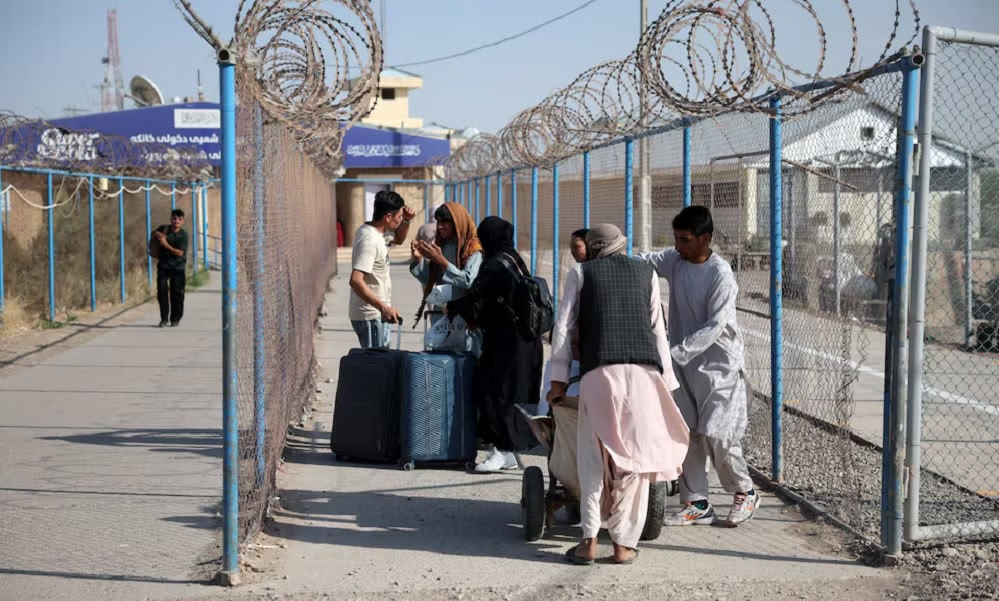
Pakistan: Language courses instead of school
Niloofar was in her final year of secondary school when the Taliban's restrictions ended her education. She went to Pakistan with relatives, but could not enroll in any school because she was unable to obtain a residency permit. She now attends an English-language course that does not require an identity card and lives in Quetta's Hazara Town neighborhood. “If I had continued studying over these past four or five years, I would now be in my fourth semester at university,” she says, adding that the course “cannot be a substitute for school.”
The restrictions also affect Afghans enrolled in higher education in Pakistan. Hundreds of Afghan medical students, many of them women, are engaged in a legal battle after the Pakistan Medical and Dental Council ordered them to return to their country. Courts have issued interim orders protecting them from immediate deportation. Pakistani officials say Afghans with valid visas and residency permits can study, while rights advocates argue that this does not address the situation of those who lost their documents because of processing delays or the cancellation of their refugee status. More than 2.39 million Afghans returned from Pakistan between September 2023 and May 16, 2026, according to the UN refugee agency and the International Organization for Migration.
Cover photo: Radio Free Europe/Radio Liberty. Photos: Pajhwok Afghan News, Ariana News. Sources: Radio Free Europe/Radio Liberty, Voice of America.