The Hijri year 1448 has begun with the start of the month of Muharram. Considered the first month of the year in the Islamic world, Muharram is not only the beginning of a new calendar period; it also brings back to the agenda the historical memory of the Hijra, the culture of social solidarity, and a call for spiritual self-accounting.
According to the time calculations of the High Board of Religious Affairs of the Presidency of Religious Affairs, the first day of Muharram began on Monday, June 15, 2026. Thus, the Hijri calendar entered the year 1448. Since the Hijri calendar is a lunar calendar determined by the movements of the moon, there is a shift of approximately 10-11 days each year relative to the Gregorian calendar. Therefore, Muharram, Ramadan, and other religious days fall on different dates each year in the Gregorian calendar.
The beginning of the Hijri calendar is accepted based on the migration (Hijra) of Prophet Muhammad and the accompanying Muslims from Mecca to Medina. In Islamic history, this event is considered a turning point not only as a migration from one city to another but also in terms of protecting freedom of belief, establishing a new social order, and shaping the political-social existence of Muslims.
With the Hijra, the oppressive conditions of the Mecca period gave way to a new, institutionalized social life in Medina. The bond of brotherhood established between the Muhajirun (migrants) and the Ansar (helpers) in Medina is described as one of the most important examples of solidarity in Islamic history. During this process, regulations determining the rights and responsibilities of different religious and social groups in Medina society also came to the fore.
The month of Muharram is considered one of the respected months in Muslim societies. Traditions such as fasting, increasing sharing with family and neighbors, and preparing and distributing ashura stand out during this month. At the same time, the martyrdom of Prophet Muhammad's grandson Husayn and his companions in Karbala lends a deep dimension of sorrow and remembrance to the month of Muharram.
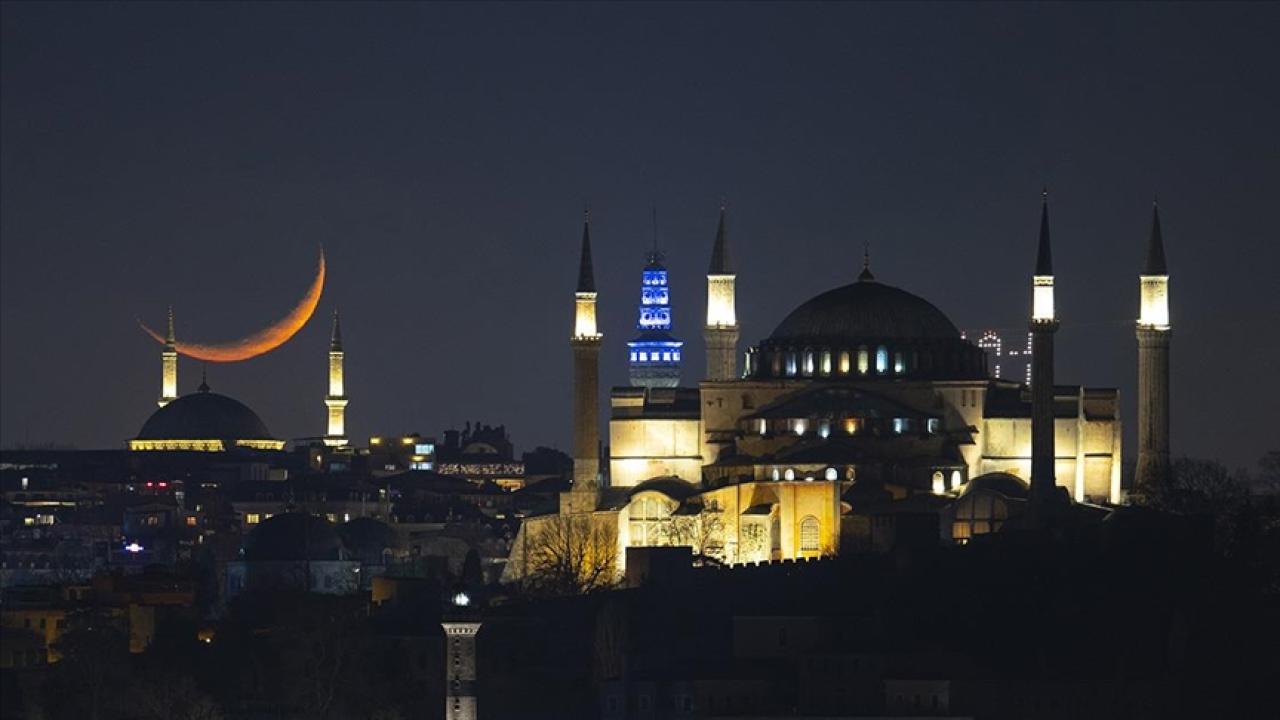
This year, Ashura Day, corresponding to the 10th day of Muharram, will be observed on Thursday, June 25, 2026. Ashura, a symbolic shared dish prepared by combining different ingredients in the same pot, holds a place in the collective memory of society. Traditionally shared with families, neighbors, and those in need, ashura strengthens the emphasis on unity and solidarity.
According to the assessments of experts from the High Board of Religious Affairs, the new Hijri year is important for evaluating the past year and demonstrating the will for spiritual renewal for the upcoming period. The message of the Hijra is interpreted as a call to keep alive the consciousness of justice, brotherhood, responsibility, sharing, and coexistence in social relations as well as in individual life.
With the beginning of the Hijri year 1448, the meaning of the month of Muharram, the place of the Hijra in Islamic history, and the social dimension of Ashura Day will be discussed in mosques, religious publications, and various programs. Experts state that this period should be seen not only as a calendar renewal but also as an opportunity to remember common values and strengthen social solidarity.