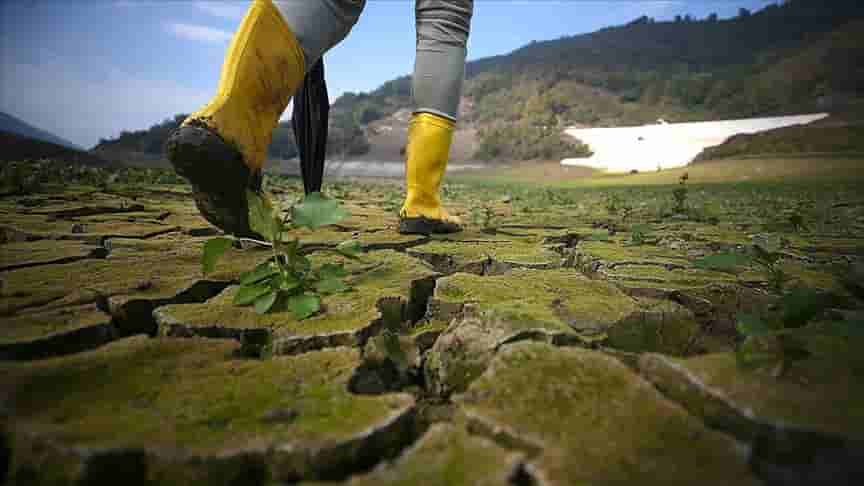
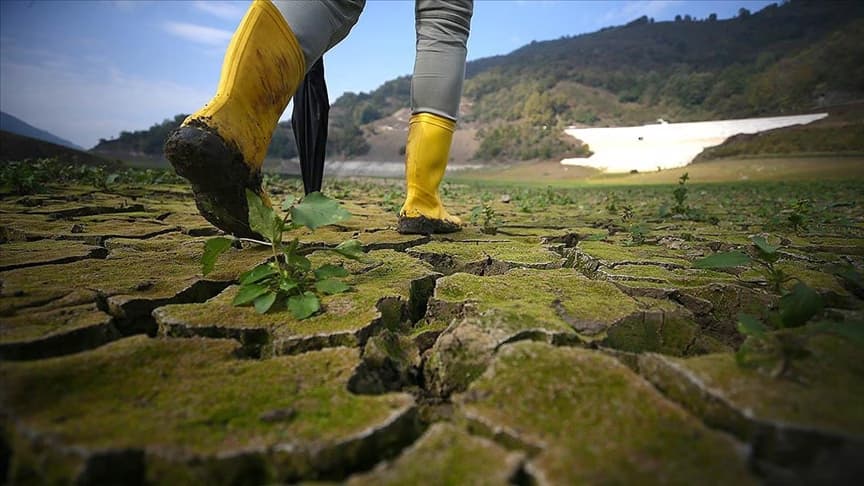
This year's focus for World Day to Combat Desertification and Drought was rangelands. The theme highlights the restoration of degraded rangelands and the preservation of their economic, ecological and cultural value.
Iran's Natural Resources and Watershed Management Organization aims to restore 23 million hectares of rangeland under the seventh national development plan for the 2023-2027 period. Organization officials announced that restoration work has been carried out on more than 7 million hectares so far.
Why are rangelands coming to the fore?
Rangeland ecosystems cover more than half of the world's surface. Yet these areas often remain in the background; they play a critical role in food security, the water cycle, biodiversity and climate resilience.
These areas also affect the lives of around 2 billion people worldwide. In particular, nomadic communities and indigenous peoples have long played a decisive role in protecting these landscapes.
This year, the World Day to Combat Desertification and Drought brought to the agenda the stronger recognition of the economic, ecological and cultural value of rangelands, respect for their traditional custodians, and greater investment in the restoration of degraded areas.
Efforts in Iran
Officials reported that nearly 14 million hectares of land in the country are prone to wind erosion, and that artificial forest areas have been created and mulching practices implemented to address the problem.
Iranian officials also drew attention to transboundary dust and sand storms, emphasizing that active dust sources in neighboring countries need to be addressed through regional cooperation. Eight active dust hotspots in Iraq, Afghanistan, Pakistan, Kuwait and Qatar were highlighted in this context.
According to the organization, the main factors aggravating desertification include overexploitation of nature, excessive water consumption and the impacts of some development projects. Officials noted that sustainable land and water management and community-based restoration efforts could be part of the solution.
The target announced by Iran is seen not only as an environmental rehabilitation plan but also as an important step for agricultural production, water security and rural livelihoods.