Deir Samaan Castle, located on Mount Simeon in western Aleppo province, began welcoming visitors again on Monday after more than 14 years. Syrian authorities held the reopening as part of an event organized for World Tourism Day.
The castle suffered various types of damage during the years of conflict in Syria while it remained closed. The historic site was later also damaged for various reasons, including airstrikes and the February 6, 2023 earthquake.
Historic site to be revived
Ephram Malouli, the Greek Orthodox Metropolitan of Aleppo, described the stones of the castle as an important symbol of Syria's historical and cultural heritage. Malouli said the stones carry stories connected to history, culture and religion.
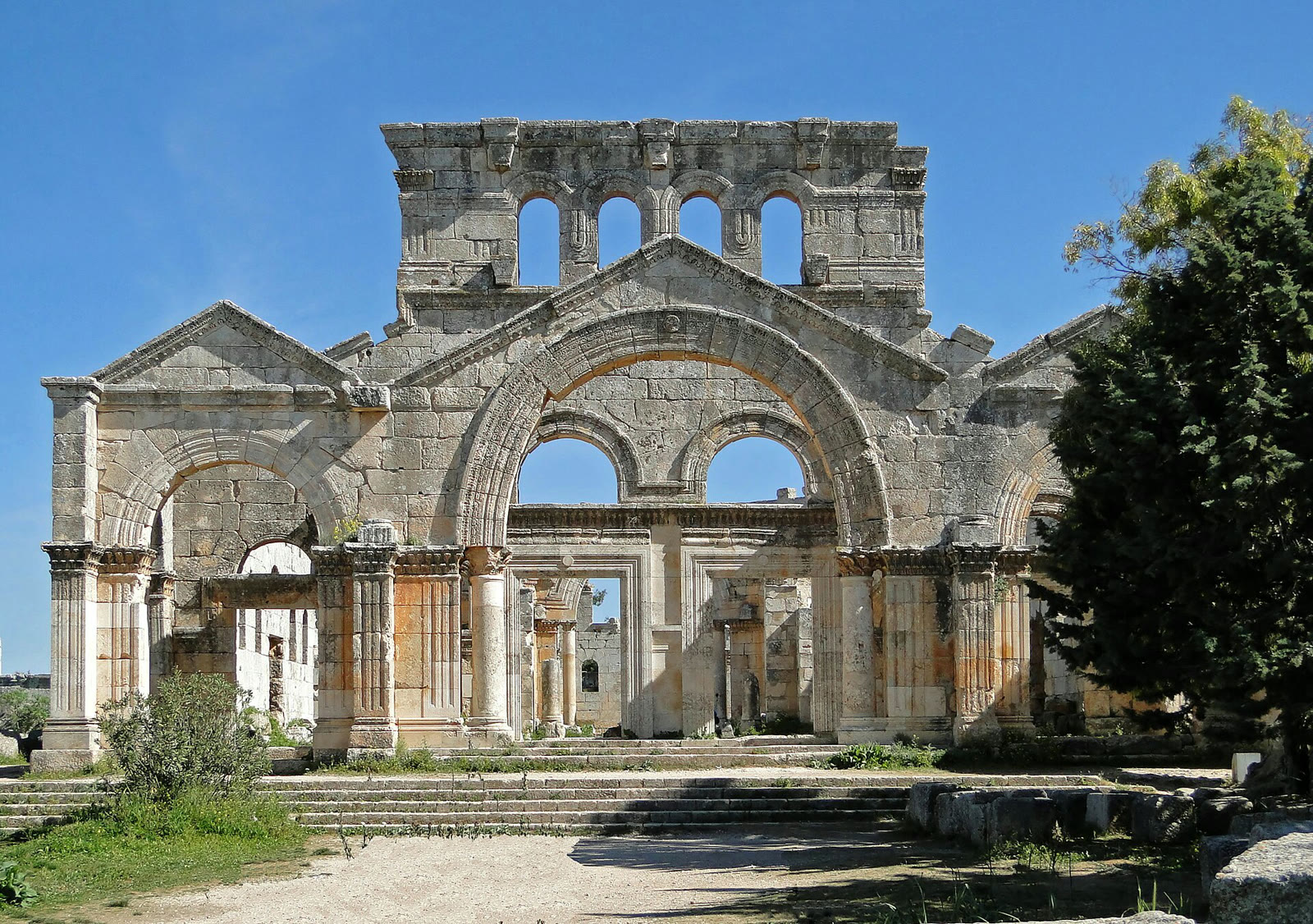
Malouli said the reopening could revive tourism routes in Syria and expressed hope that people would be able to visit the area for pilgrimage and worship.
Mansour Adis, the Maronite Archbishop of Aleppo who coordinates restoration work at Deir Samaan Castle and its monastery, said the reopening symbolized Syria's return to its roots and the beginning of a new life. Adis said, "Today we are rebuilding the human being, because Syria can rise again and live again only through its people."
Used as a pilgrimage center for Christians
Amal Hussein, who is responsible for managing World Heritage sites, said the Deir Samaan Church was built in the late fifth century AD to preserve the memory of Saint Simeon Stylites, who spent 40 years of his life atop a column.
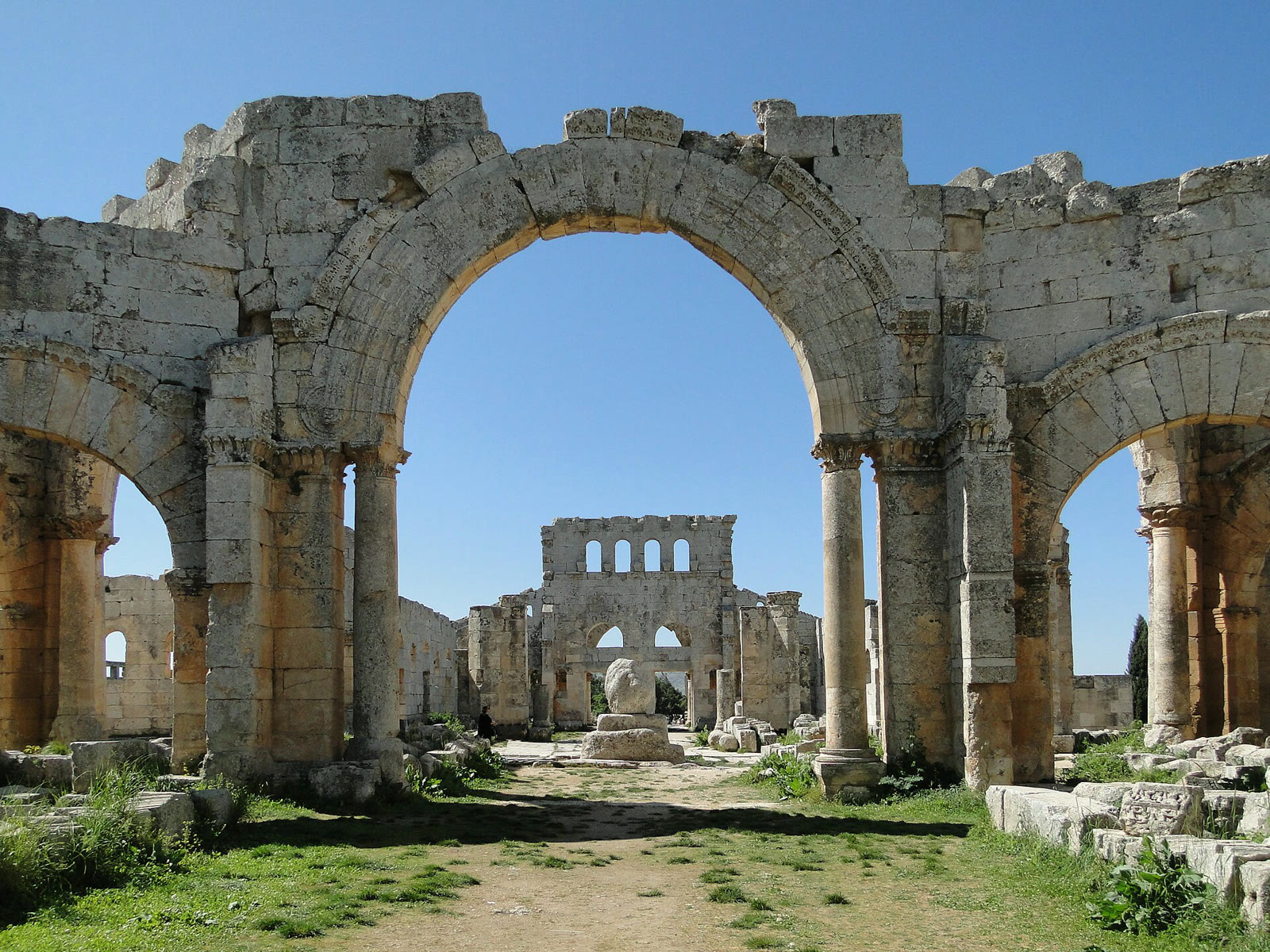
The church was used as an important pilgrimage center for Christians in the fifth and sixth centuries. Hussein said the structure has distinctive architectural features, including an octagonal plan, a geometric dome and floral ornamentation.
The historic site was converted into a military fortress in the 10th century AD. Hussein expressed hope that the castle would be visited by researchers working in history and archaeology as well as by tourists.
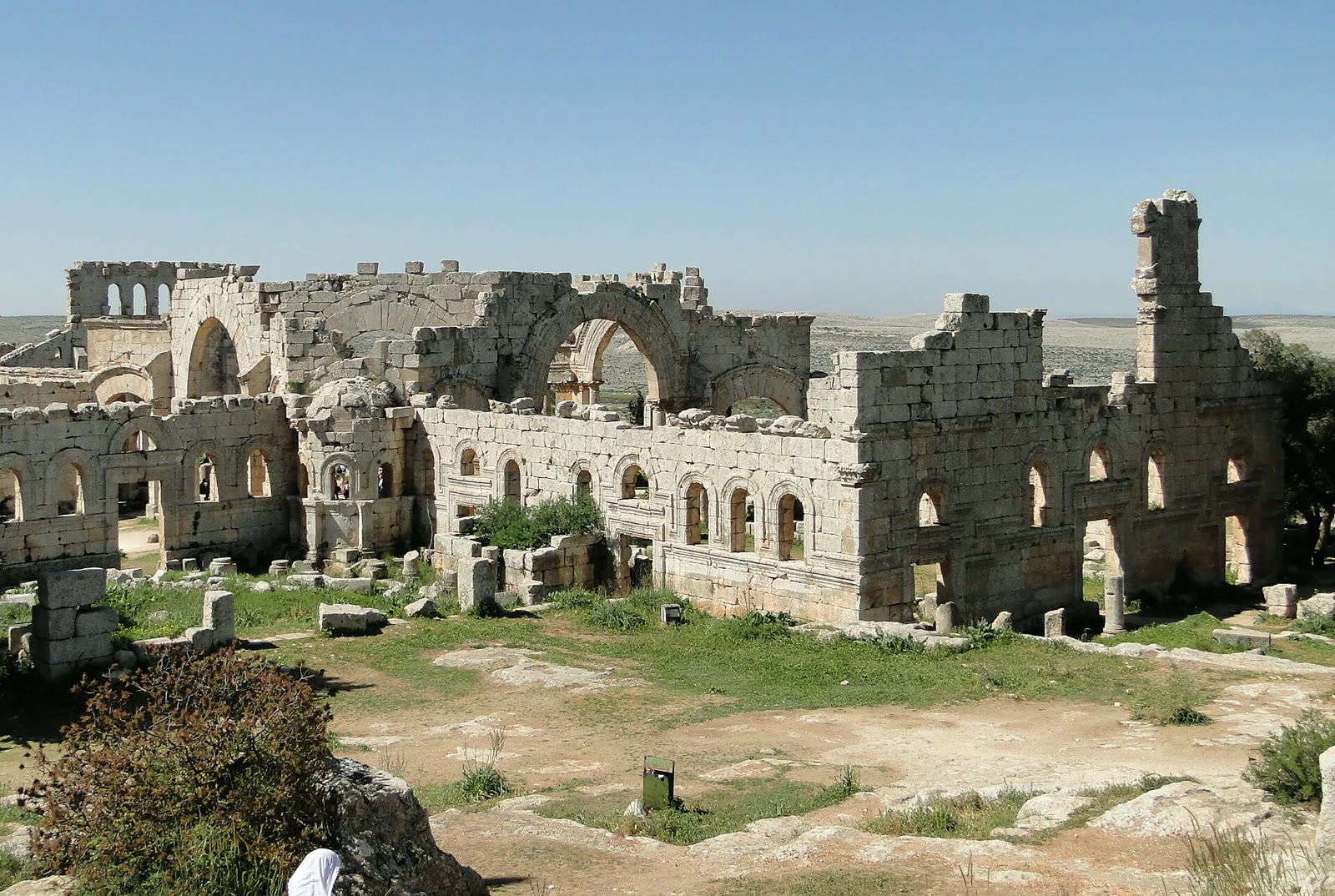
Comprises a church, monastery and religious buildings
Deir Samaan Castle takes its name from Saint Simeon Stylites, who lived atop a column for approximately 40 years in the fifth century. The complex comprises a church, a monastery and other religious buildings.
Known as one of the important pilgrimage centers of early Christianity, the site has enabled visitors to tour the historic structure again following its reopening.