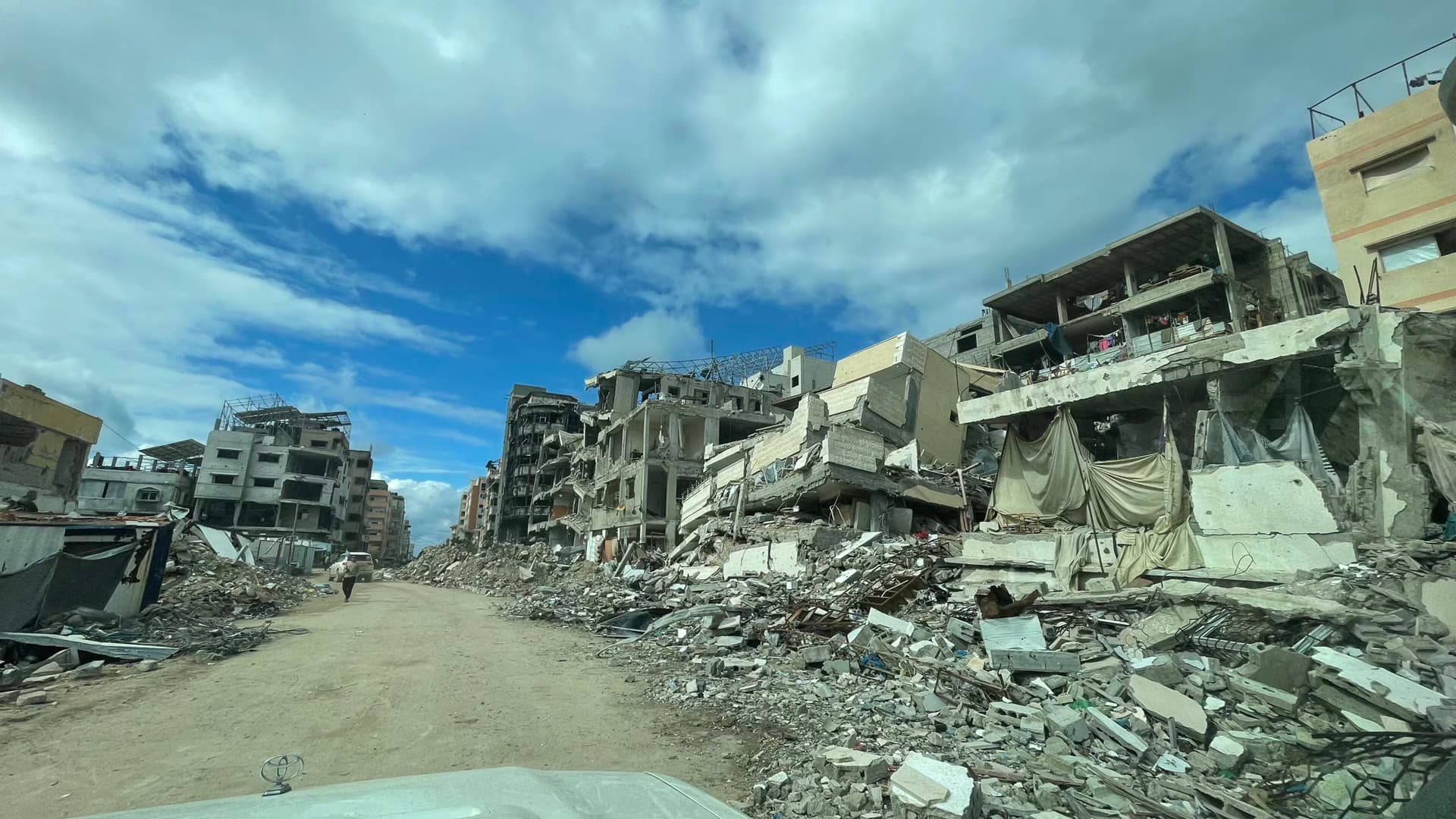
The ongoing war and destruction in Gaza are forcing people to cling to their ancient crafts to survive. Jafer Atallah, who lost his home and his centuries-old family pottery workshop in Israeli attacks, is now building shelter rooms with clay bricks, keeping his craft alive and offering hope to displaced families.
After his home and factory in the Derc neighborhood of Gaza City were destroyed, Atallah sought refuge with his family in the central town of Zawaydeh. There, the master potter began producing pottery for basic needs, and upon request, turned to making clay bricks and shelter rooms.
A craft reborn from the rubble
Jafer Atallah, who learned pottery at age 7 and says the craft has been in his family for about 100 years, says: 'We lost the factory, the house, the machines, molds, kilns, and stock; we started from scratch where we were displaced.' His hands, once covered in mud as a child, are now building a new life amid the rubble.
How is a clay room made?
In Atallah's workshop, soil is first collected and moistened with water, then mixed with straw to make it durable. The prepared mud is poured into wooden molds to form bricks and left to dry in the sun for 4-5 days.
With the dried bricks, a foundation is dug and plastered with mud, then the walls are built. An old car tire is used for the window arch; the tire is placed in the opening and secured with bricks and mud. After about 10 days of work, a room measuring 4 by 4 meters (16 square meters) and 2.5 meters high is completed.
Atallah says, 'If you can make jugs and pots from mud, you can also make a room to protect people,' noting that the room stays cool in summer, warm in winter, and is much sturdier than a tent.
Power outages halt production
The workshop receives electricity for only 2 hours a day. Although he starts work at 6 a.m., Atallah has to wait for electricity to run the machine, saying, 'The machine waits for electricity more than my hands.' He says power outages halt production and cause financial losses because they cannot fulfill orders.
Prices have multiplied, demand has risen
Before the war, a truckload of about 12 tons of clay cost 500 shekels (about $166), but now it has risen to over $1,000. Transportation costs have also multiplied due to fuel and access difficulties. This increase is reflected in every piece produced; the price of pottery items has risen by more than 50 percent compared to before the war.
Nevertheless, a clay room has become a major need for families living in tents. While a bathroom stool that cost around $200 before the war now goes for up to $466, the clay models produced by Atallah offer a more affordable alternative. The cost of a clay room is about $3,000.
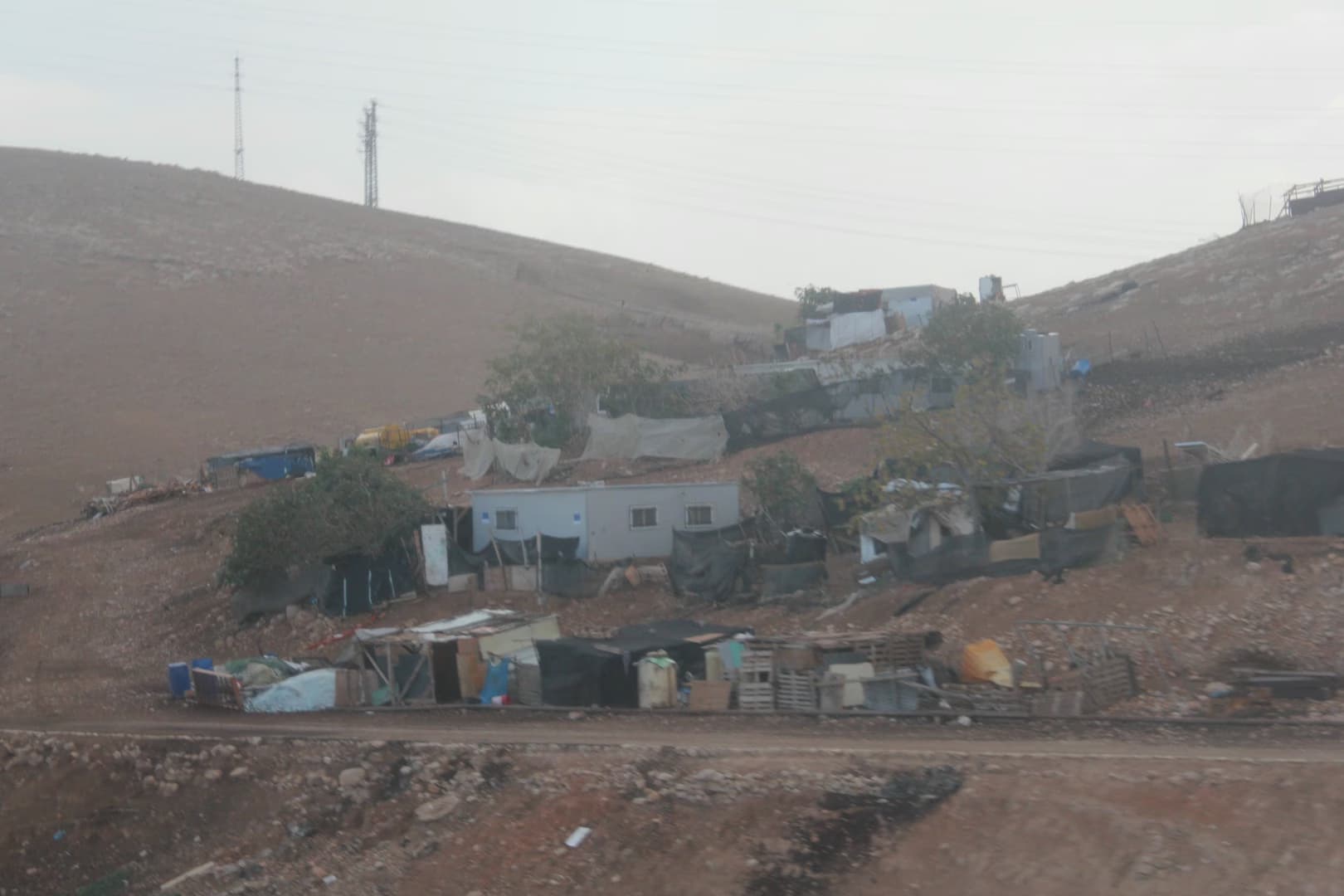
Atallah says that recently many displaced people have contacted him wanting to have similar rooms built next to their tents. 'After years of living in tents, people are looking for an enclosed space, a wall to protect themselves and their children from dust, cold, and rodents,' he says.
Goal: A completely clay house
After completing the first model, Jafer Atallah set his sights on a bigger dream: building a completely clay house with two rooms, a kitchen, and a bathroom. The water containers, plates, and sanitary ware inside the house will also be made of mud. 'A clay room has become a necessity; after years of tent life, people are looking for a wall to protect the family's privacy and dignity,' he concludes.