- BIST10011,661-1.54%
- USD50.39+0.22%
- EUR55.50-0.19%
- GOLD3,865.80+0.33%
- INTEREST36.00%-1.00
- BITCOIN63,602-1.89%
- November 17, 202615°
- BIST10011,661-1.54%
- USD50.39+0.22%
- EUR55.50-0.19%
- GOLD3,865.80+0.33%
- INTEREST36.00%-1.00
- BITCOIN63,602-1.89%
- November 17, 202615°
Jordan sentences three men to hang over Karak church attack that killed nine
Jordan’s State Security Court sentenced three men to death by hanging after convicting them of carrying out the armed attack on the Greek Orthodox Church of Saint Georgios in the town of Hamoud on October 23. The ruling is subject to cassation and will be automatically referred to the Court of Cassation before becoming final.
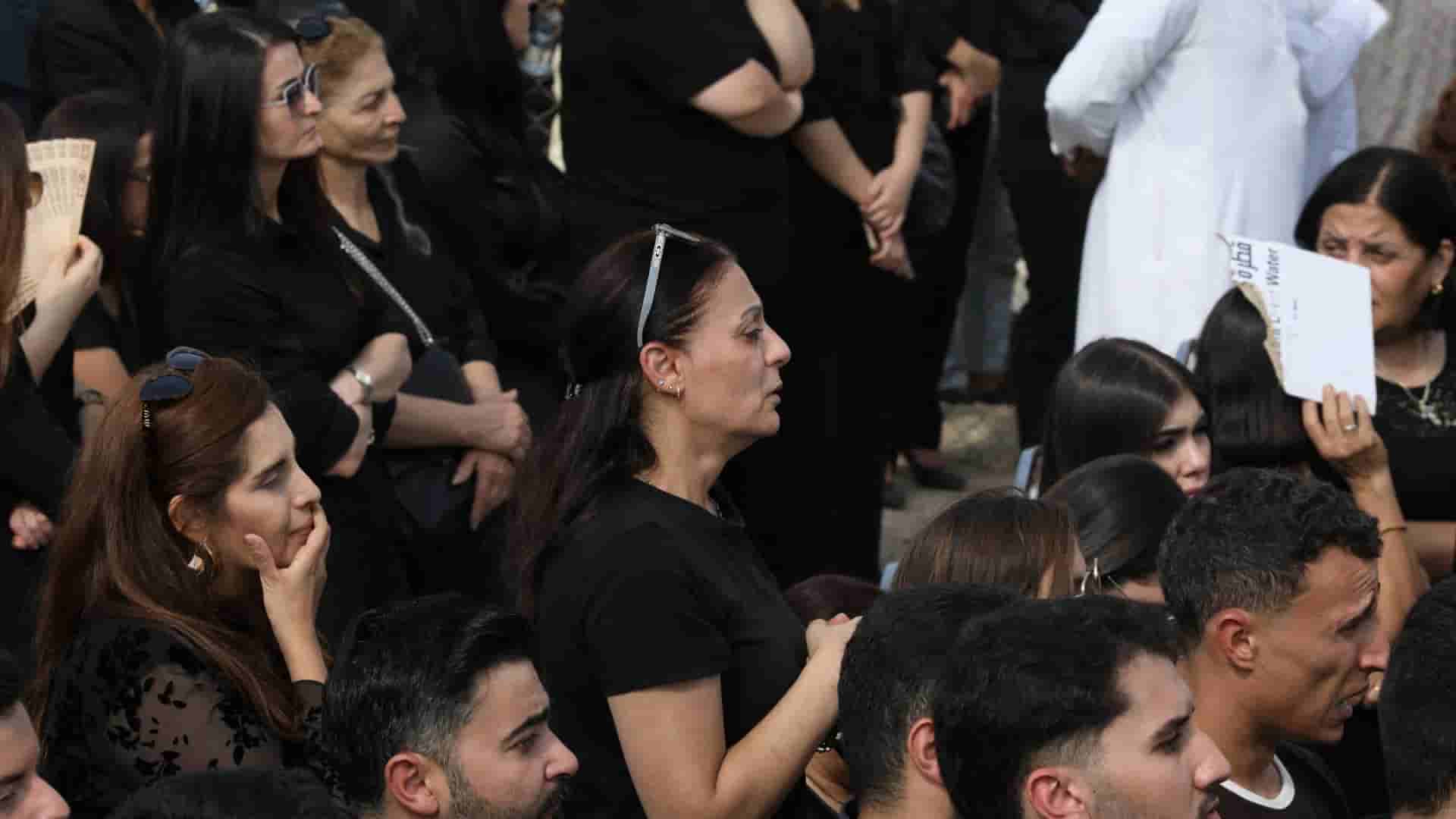
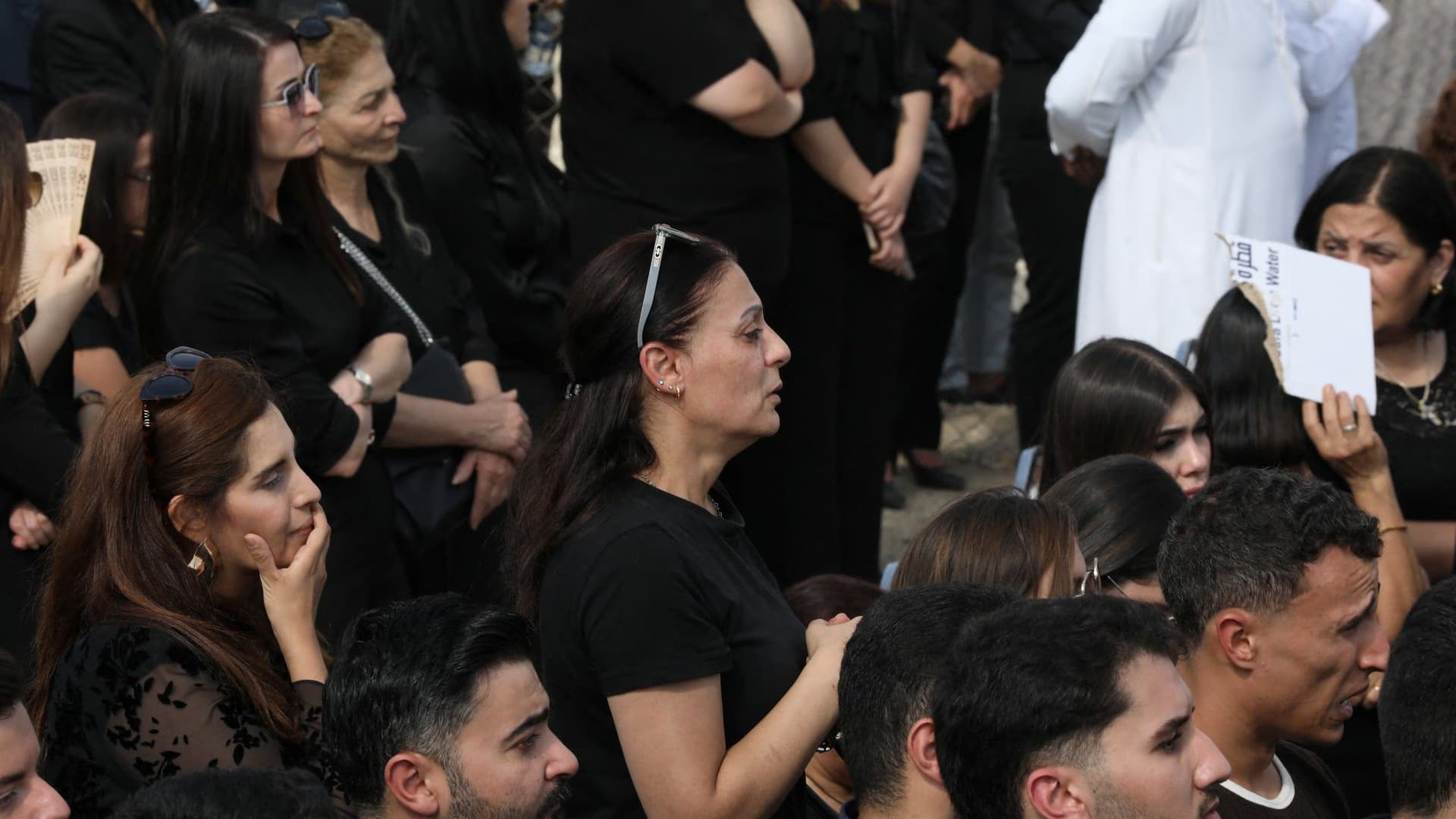
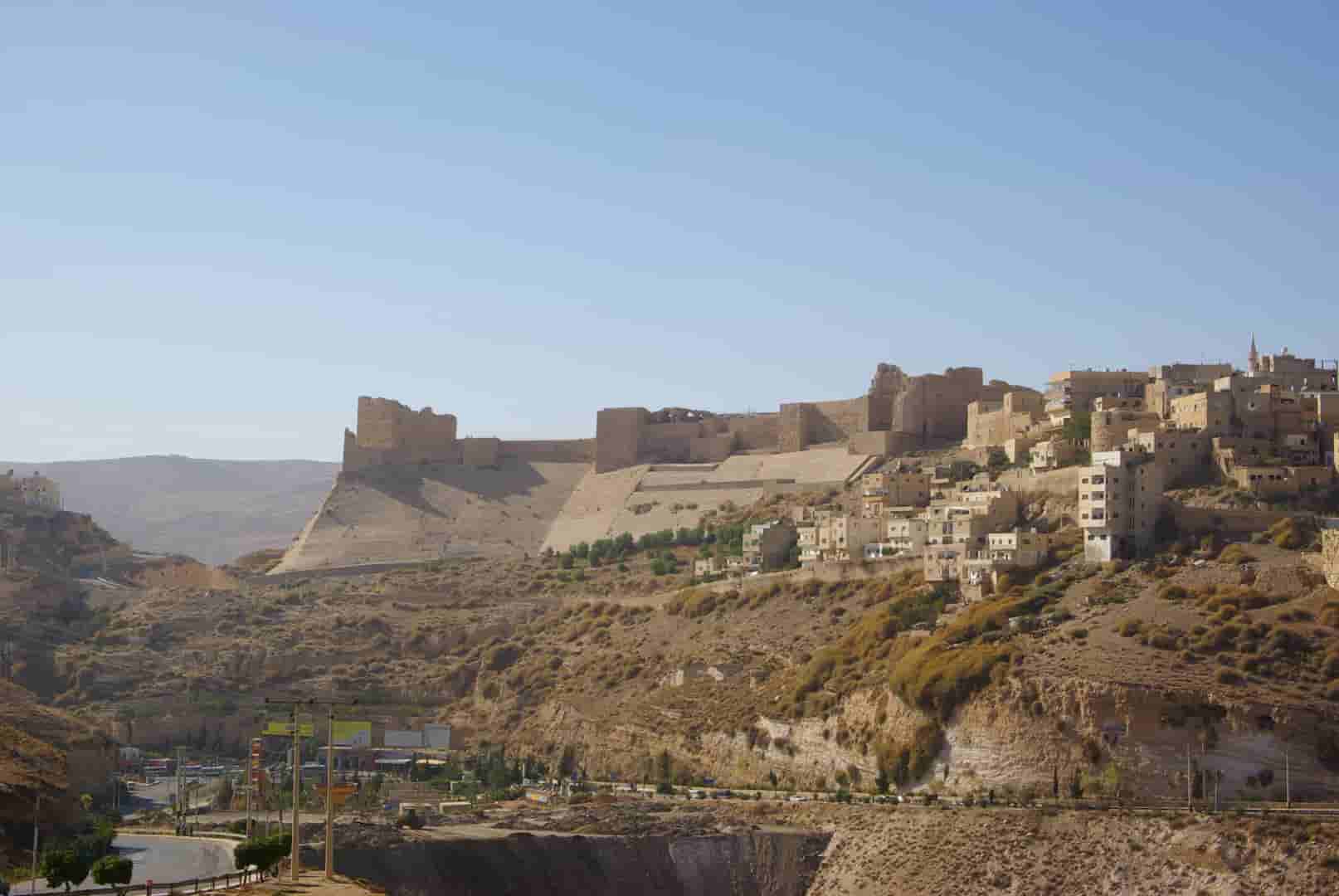
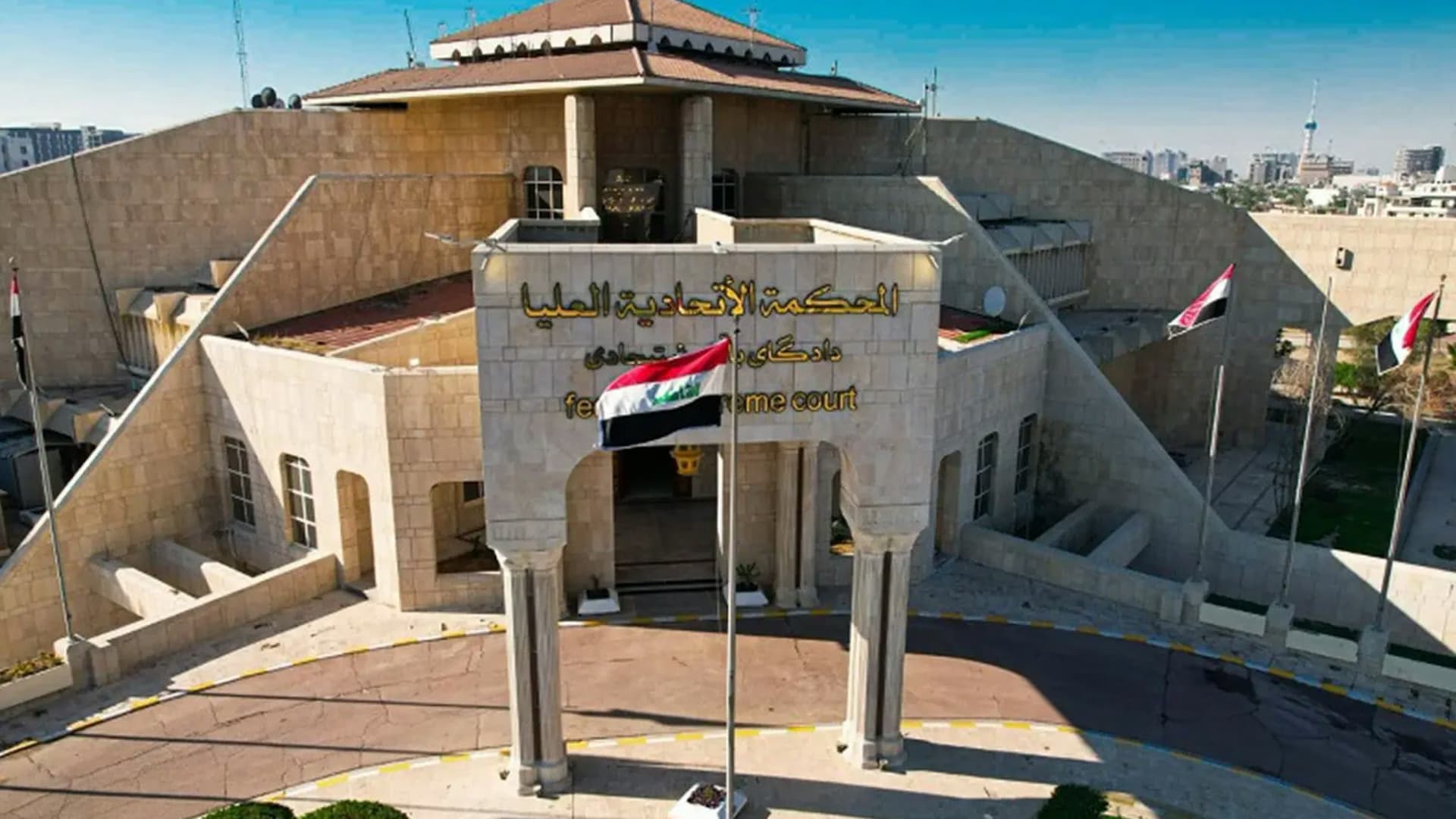
Jordan’s State Security Court on Sunday, November 15, sentenced three men to death by hanging after convicting them of carrying out the armed attack on the Greek Orthodox Church of Saint Georgios in the town of Hamoud in the Karak Governorate in the south of the kingdom. The attack, on October 23, killed nine people and injured 34 others attending a funeral ceremony.
The Jordan News Agency (Petra) said the court convicted the three men of jointly carrying out terrorist acts resulting in the death of a person, repeated nine times under the Counter-Terrorism Law, as well as carrying out terrorist acts using weapons and ammunition, possessing weapons with the intent of using them in terrorist acts, conspiracy and promoting the ideas of a terrorist group. One of them was also convicted of providing money to finance terrorist acts. The BBC identified the convicts as two Jordanian brothers and their brother-in-law.
Lawyer Amer Al-Halsa, representing the victims’ families, said the court sentenced two other defendants to six years in prison each after changing the description of one of the charges against them to possession of a firearm, in connection with selling weapons to the attackers.
“No room for leniency”
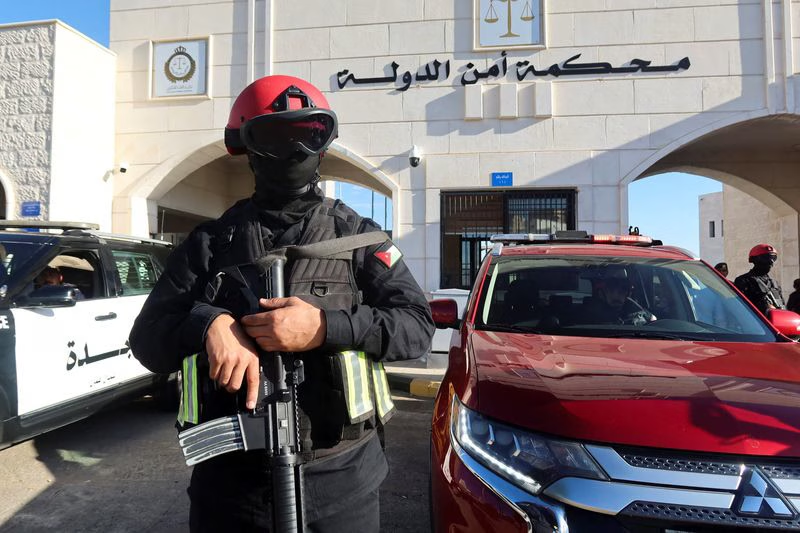
In its reasoning, the court said the gravity of the acts and the severity of their consequences required applying the law in proportion to the seriousness of the crime, adding that there was no basis for mitigation and no justification for leniency. The ruling is subject to cassation and is automatically referred by law to the Court of Cassation, meaning it is not yet final.
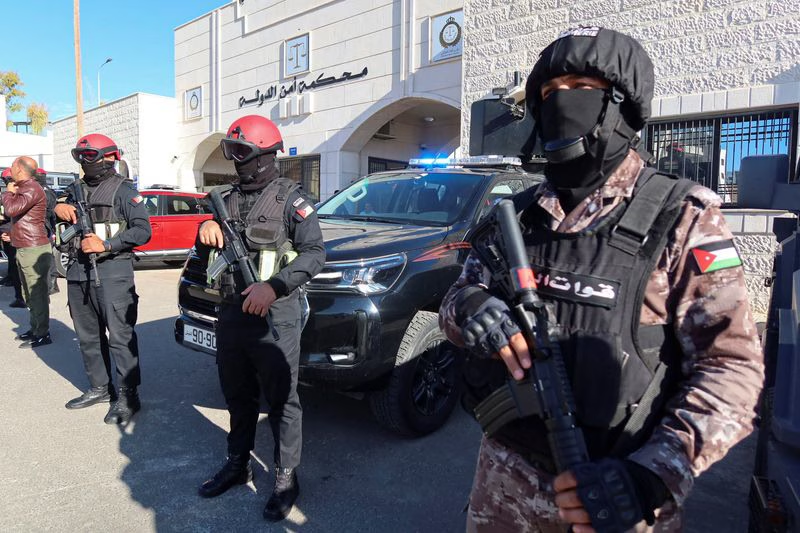
Several victims’ relatives attended the verdict hearing amid a heavy security presence outside the court in Amman. Maisoun Burqan, the sister of university professor Asim Burqan, who was killed in the attack, told Alhurra that hearing the verdict made her feel as though her brother had been killed again, adding that the entire community had stood by the families. Church bells rang in Hamoud minutes after the verdict was issued.
From the attack to the verdict in three weeks
Security camera footage from the day of the attack showed three gunmen approaching the church and opening fire on mourners. On October 26, the Public Security Directorate announced the arrest of the perpetrators after locating them inside an abandoned house in Karak, where they refused to surrender and opened fire on security forces. The operation ended with all of them injured and no security personnel wounded. The prosecution referred the case to the State Security Court, which held its first hearing on November 4.
Following the attack, Jordan carried out airstrikes in southern Syria that it said targeted groups linked to it, later acknowledging that civilians had been killed. The two countries agreed to form a joint security committee to review the incident. Executions in Jordan are carried out by hanging, and the kingdom resumed carrying them out last June after a suspension that began in 2017.
Separately, the Council of Heads of Churches in Jordan announced the cancellation of all celebrations associated with Christmas this year in solidarity with the families of 10 victims, including the nine people killed in the church attack and a security officer killed in a stabbing incident outside the Sri Lankan Embassy in Amman on November 5. Regular prayers and religious services will continue.
Cover photo and photos: Reuters. Sources: Jordan News Agency (Petra), Reuters, BBC, Alhurra, The New York Times, ACI Mena.
Stay Updated with Hilal Times
Subscribe to be informed about special news, developments and announcements. We will keep you informed.
By signing up, you agree to our Privacy Policy