Assessing the environmental and material losses caused by attacks in Gaza, Omar Mohammed Matar, director of the Health and Environment Department of Khan Younis Municipality, said water resources, agricultural areas and infrastructure had suffered extensive damage. Matar said total material losses, including environmental damage, were estimated to have exceeded $77 billion.
Water and sewage infrastructure destroyed
According to Matar’s statement, Gaza has more than 60 million tons of rubble. Matar said the large amounts of waste accumulated at disposal sites posed a threat to public health, adding that much of the infrastructure and superstructure had become unusable.
Matar said more than 80 percent of the water and sewage networks and main water reservoirs had been destroyed, adding that damage to sewage lines and pumping stations had also reached 80 percent. He said widespread destruction had occurred in water networks and agricultural areas.
Risk of unexploded ordnance in the rubble
Matar said hundreds of tons of explosive materials had been used in the attacks on Gaza, arguing that, according to estimates by international organizations and United Nations agencies, these materials could contain various radioactive elements capable of contaminating soil and water.
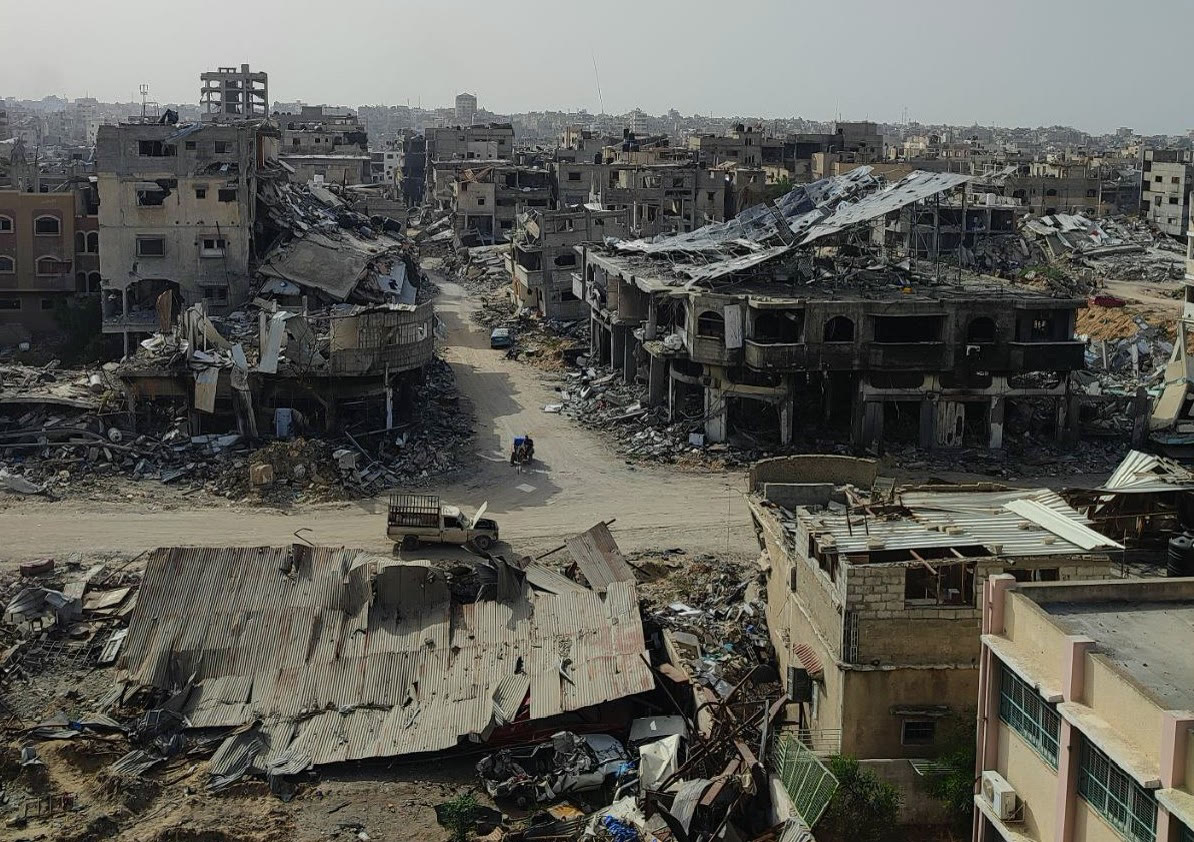
Matar said the extent of water pollution could not be measured precisely because laboratories capable of conducting the necessary tests had been destroyed. He said unexploded ordnance could be present in the rubble, warning that it might contain radioactive elements as well as substances such as lead and cadmium.
Matar called for comprehensive examinations of the rubble and tests to determine its effects on human health and soil.
Agricultural production halted
Matar said more than 160,000 dunams of agricultural land in the Gaza Strip had been completely damaged, adding that the destruction had affected many people’s access to food obtained from agricultural products.
Matar said all agricultural land covering 36,000 dunams of the 54-square-kilometer area in Khan Younis had been damaged, adding that the construction of tents on these lands by displaced Gazans had also reduced production. He listed the destruction of water resources, wells and reservoirs among the other factors that had rendered agricultural land unusable.
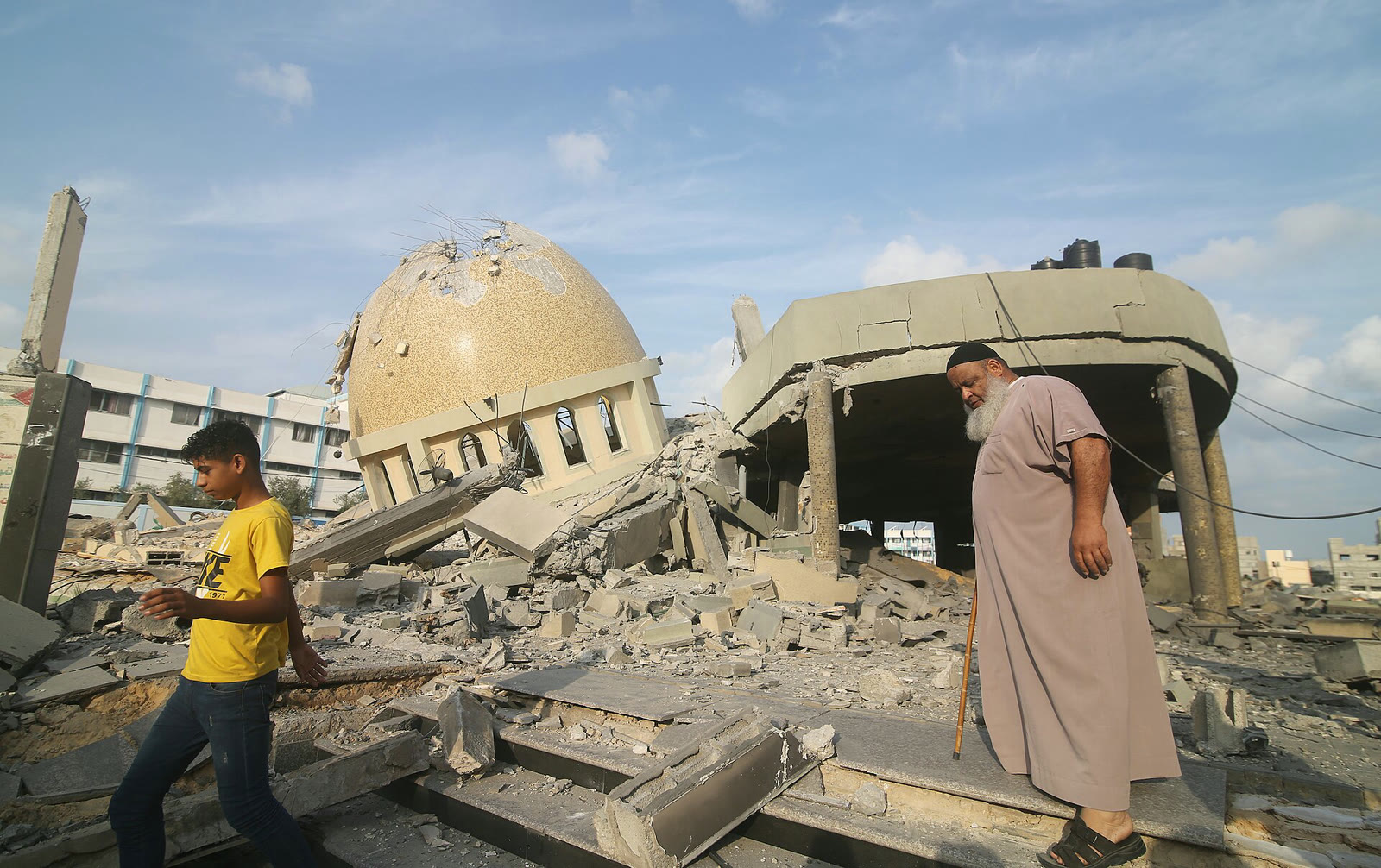
Matar said fishing and livestock resources had also suffered extensive damage, drawing attention to the impact of Gaza’s environmental destruction on food supplies.
Claims about health and marine pollution
Matar claimed that new respiratory illnesses had emerged in hospitals in Gaza and that there had been a sharp increase in cancer cases. Basing his assessment on reports from the Health Ministry and healthcare institutions in the Gaza Strip, Matar said there had also been an increase in fetal abnormalities and miscarriages.
Matar said millions of cubic meters of sewage flowed into the sea every day because of damage to sewage networks, adding that pollution had formed along the shores and that civilians who came into contact with the water had developed skin diseases. Matar said the opening of septic pits had also contaminated groundwater, adding that this could affect the sustainability of water for drinking and domestic use.
Matar said large quantities of equipment and vehicles were needed for Gaza’s recovery, and called on international organizations, donors and supporters to assist the people and institutions in the region.