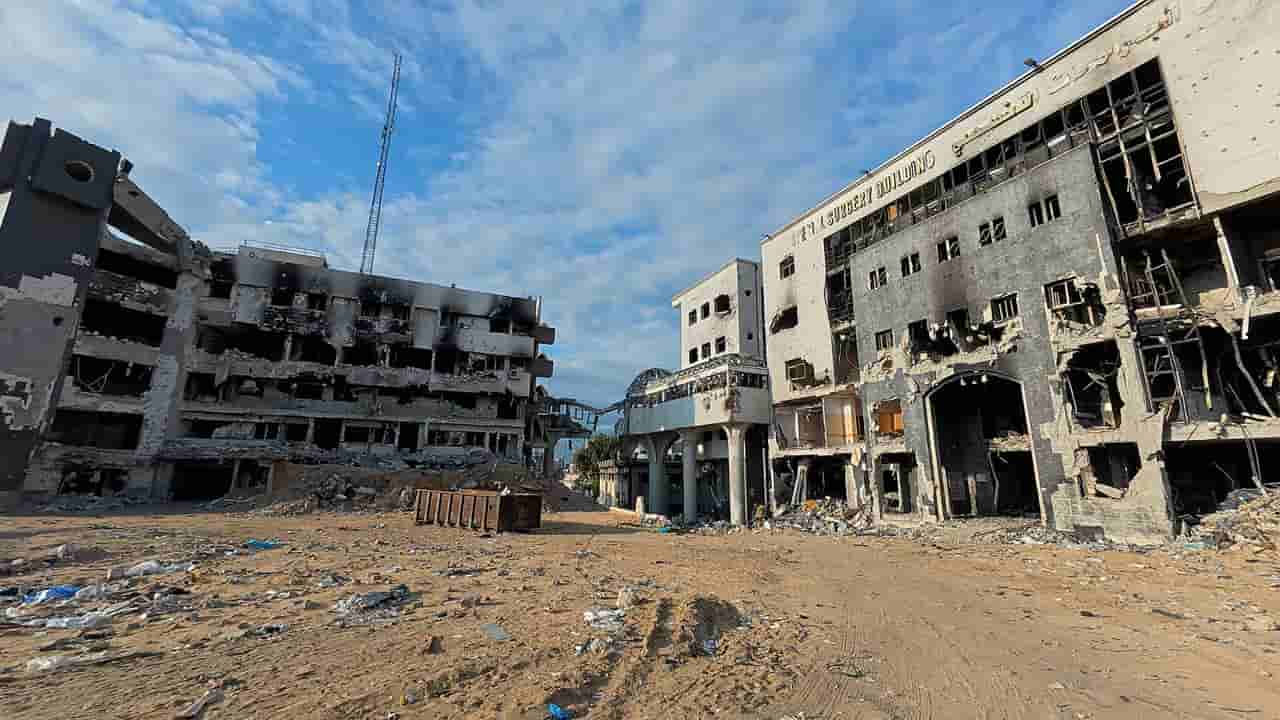
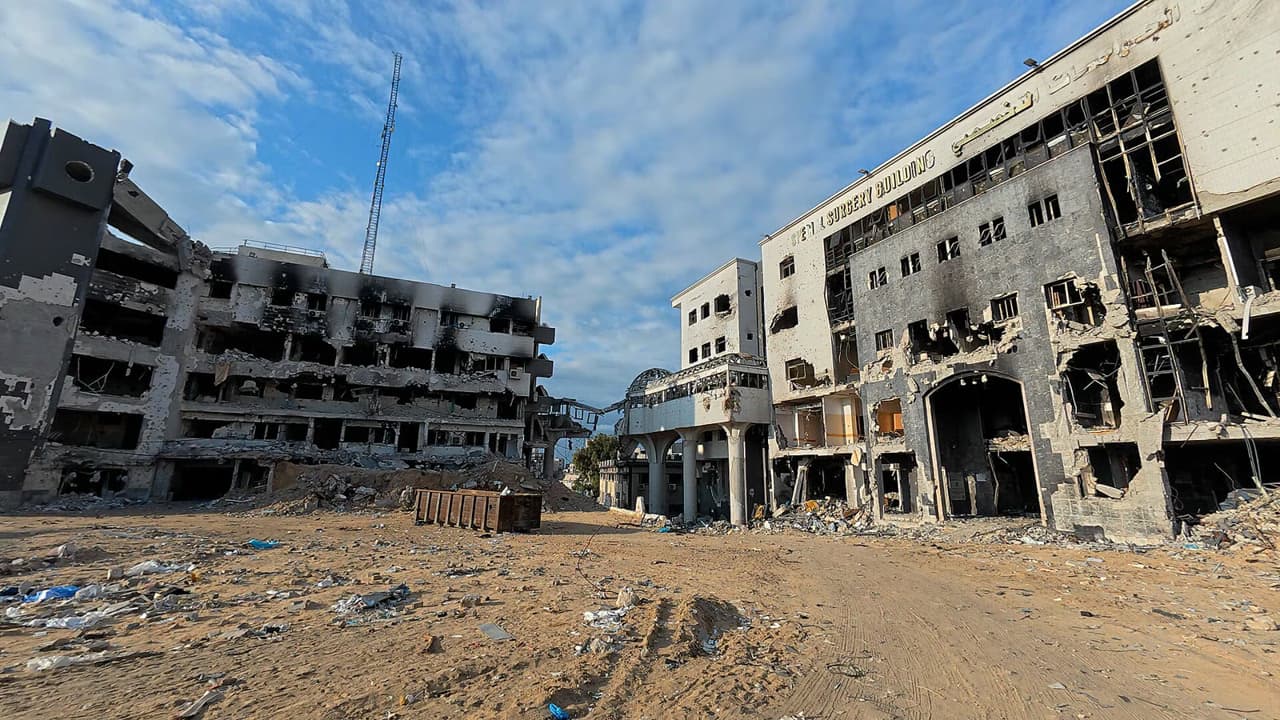
World Health Organization (WHO) spokesperson Christian Lindmeier described the state of the healthcare system in the Gaza Strip amid Israel’s attacks and blockade since October 2023.
Lindmeier said only 19 of the 36 hospitals can provide partial services, while the others are completely out of operation. As a result, no hospital in Gaza is fully operational.
Gaza’s healthcare capacity is insufficient
Lindmeier said around 2.1 million people need assistance in the region and that there are slightly more than 3,000 beds available. He said usable intensive-care capacity is limited to around 100 beds, while maternity-care capacity is limited to approximately 120 beds.
Lindmeier said Gaza previously had a healthcare system with numerous trained nurses and doctors, widely available educational services and vaccination rates above 90 percent. He said the system has essentially collapsed under current conditions.
The WHO spokesperson said they are unable to provide patients, children, mothers and fathers with the healthcare services they need.
Shipment approvals can take months
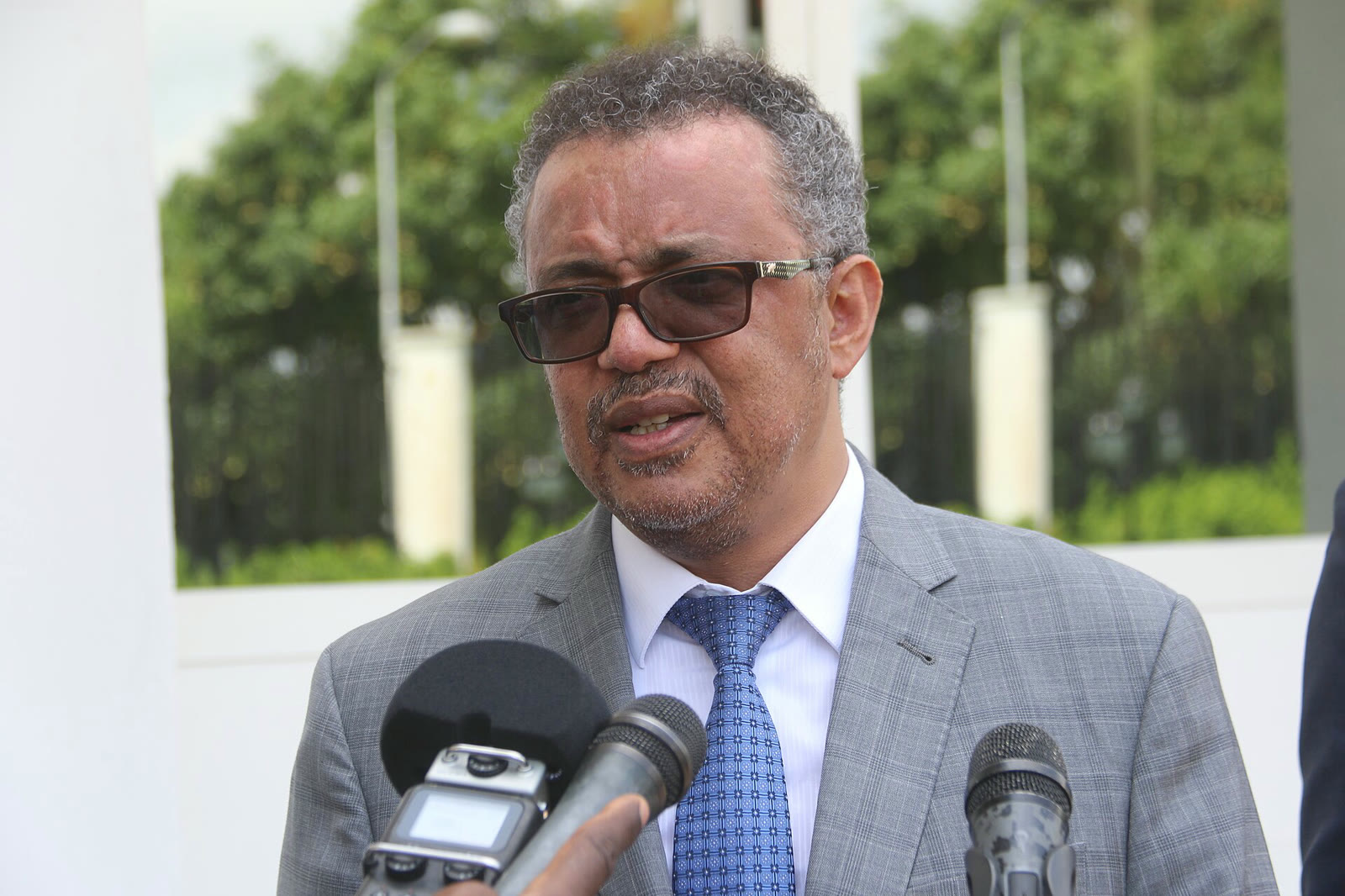
Lindmeier said disruptions to healthcare services were not limited to the destruction of the system and roads, adding that bottlenecks in shipment approvals were also having an impact. He said it takes an average of 74 days, or approximately 2.5 months, for a shipment to be approved.
After approval, the cargo must be prepared, transported across the border, delivered to Gaza and transferred to the areas where it is needed. Lindmeier said that when a shipment is rejected, a new application must be submitted for the same approval, adding that the second attempt can also take an average of 74 days.
Lindmeier said small medicine packages are approved more quickly and have a lower rejection rate, while the entry of large medical devices and laboratory equipment is rarely approved or is subjected to lengthy procedures.
Lindmeier said diseases and potential outbreaks cannot be detected without laboratory equipment. He said nonfunctioning imaging devices make it difficult to diagnose conditions such as broken bones and internal bleeding, while problems that could be resolved with a simple intervention outside Gaza can worsen.
Lindmeier said the number of trucks and containers entering Gaza alone does not show whether aid is reaching the people who need it most, adding that delays in medical devices and spare parts are causing hundreds of people to die unnecessarily.
Fuel shortages disrupt hospitals and ambulances
Lindmeier said aid vehicles also struggle to reach their final destinations after entering the region because of destroyed roads, checkpoints and ongoing attacks. He said aid entering Gaza does not mean it has reached patients.
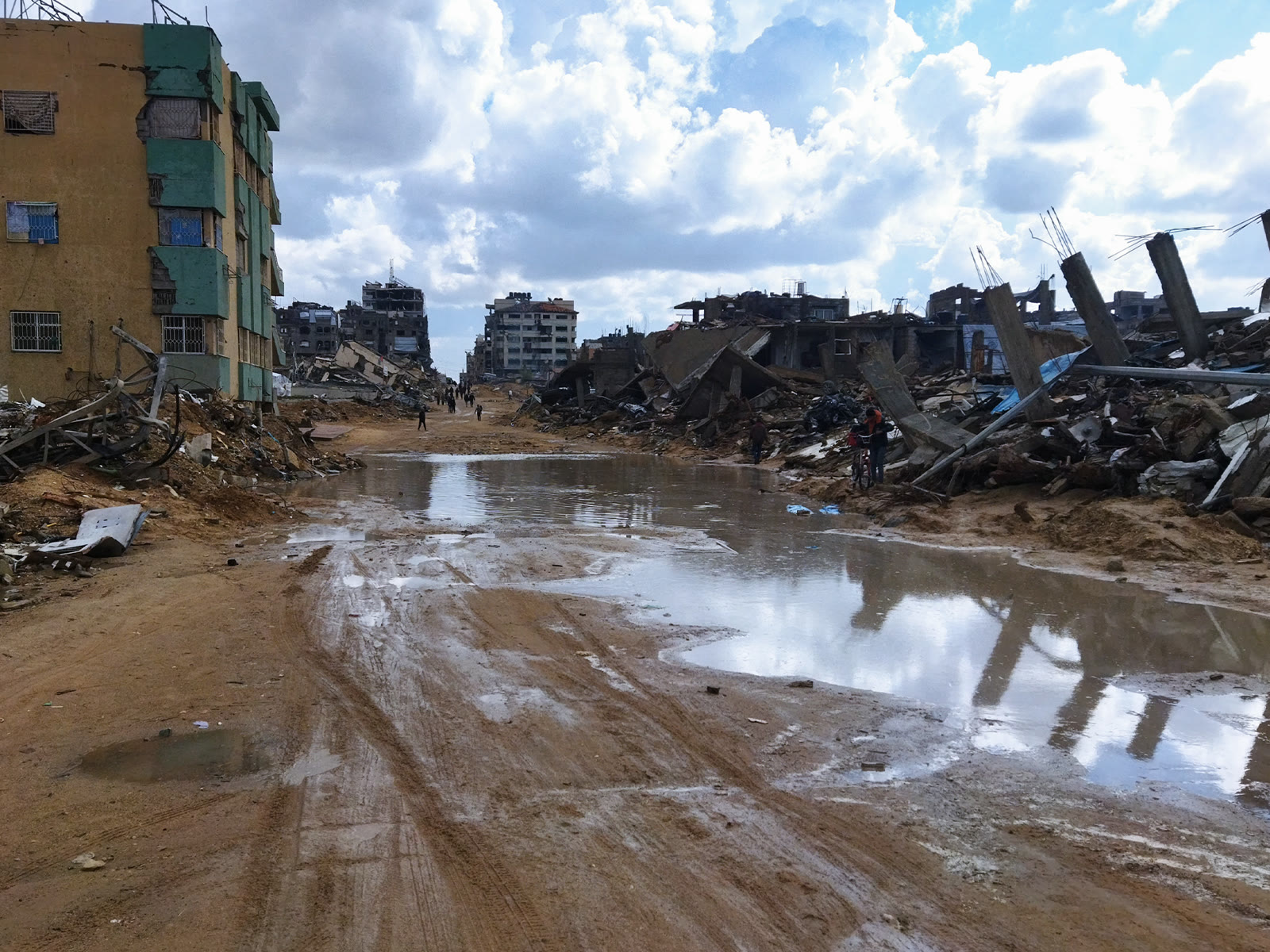
Lindmeier said fuel shortages directly affect the healthcare system and that ambulances need fuel to operate. He said power lines were cut in the early stages of the conflict and that Gaza is trying to meet all of its energy needs through generators and other backup power sources.
Lindmeier said large amounts of fuel are needed to operate operating rooms, maternity wards and imaging devices in hospitals, illuminate buildings and enable medical personnel to provide care under suitable conditions. He said that when fuel is unavailable, access to clean water and the use of many medical devices are also disrupted.
Thousands of patients await evacuation
Lindmeier said around 14,000 patients have been evacuated from Gaza since October 2023. However, he said thousands of people are waiting for evacuation and that some critically ill patients have been unable to leave.
Lindmeier said rebuilding Gaza’s healthcare system will take a long time, adding that even if the conflict ends and work begins immediately, it will take years for the system to become operational again.