As Israel’s election date approaches, a poll published by KAN put opposition parties one seat ahead of Netanyahu’s coalition. The projection for the elections planned for October 27 gave the opposition 52 seats and Prime Minister Benjamin Netanyahu’s coalition 51.
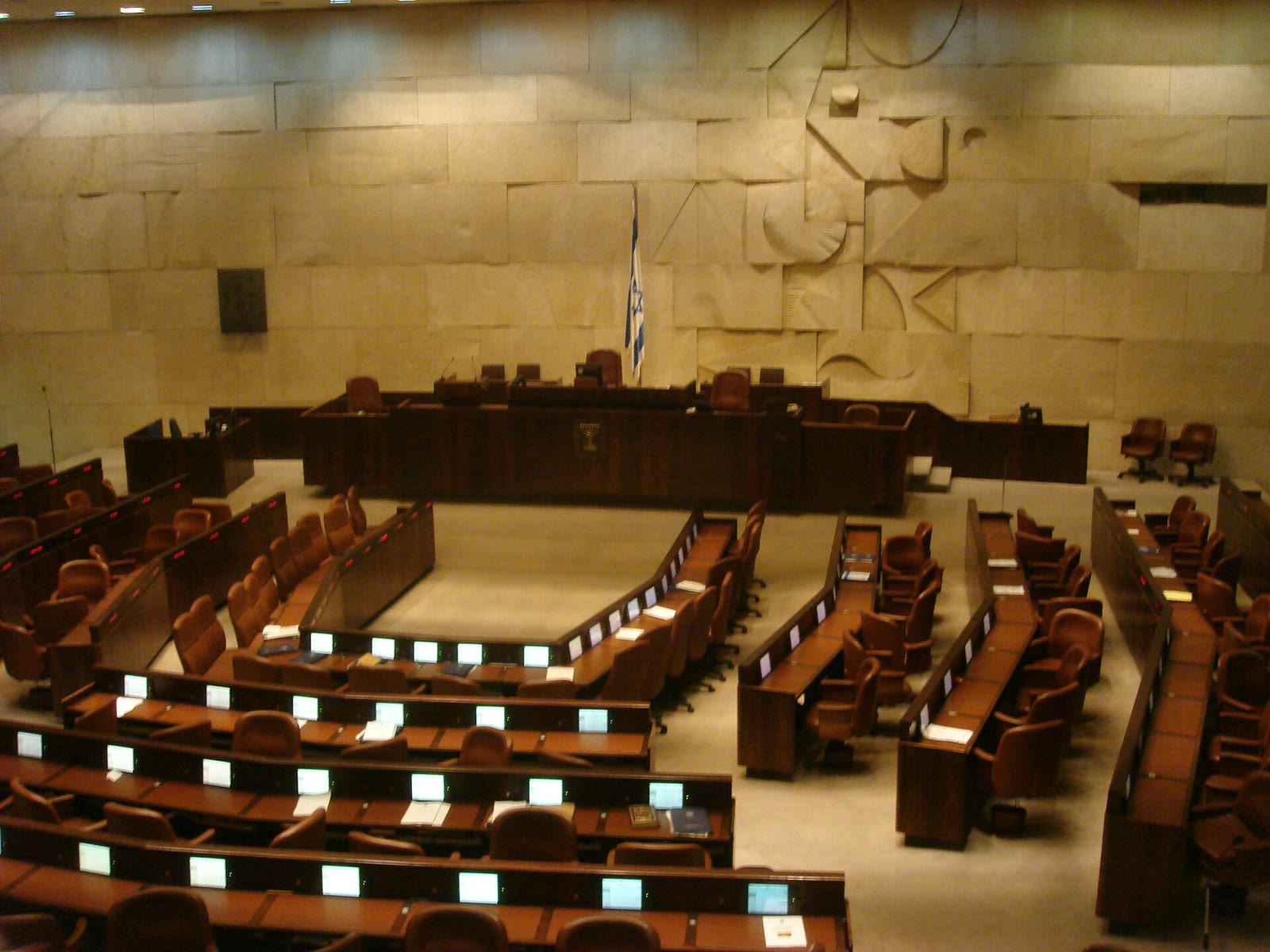
A majority of 61 seats is required to form a government in the 120-seat Knesset. KAN’s results indicate that neither the opposition nor Netanyahu’s coalition can cross that threshold on its own.
Seat projections for the parties
Gadi Eisenkot’s Yashar party retained first place with a projection of 23 seats. Netanyahu’s Likud party was projected to win 21 seats, Naftali Bennett’s Beyahad party 12, and the Democrats, led by Yair Golan, 8.
Jewish Power was also projected to win 8 seats. The joint Religious Zionism-Zehut list led by Bezalel Smotrich was projected to receive 6 seats, while Ofer Winter’s Amcha Yisrael party failed to cross the electoral threshold for the first time in weeks.

Among the Arab parties, the Joint List increased its projected seats to 8 after Balad leader Sami Abu Shehadeh withdrew from the Knesset elections. The United Arab List, also known as Ra’am, remained at 5 seats.
Ra’am support needed for the change bloc
According to KAN’s assessment, the opposition’s “change bloc” cannot form a 61-seat coalition without Ra’am’s support.

On the day the poll was published, Israel’s Central Elections Committee ruled that Netanyahu had used soldiers in a banned election campaign. The committee also ordered Netanyahu to pay 29,000 shekels, approximately $9,000, in legal costs.
The Knesset ended its work on July 17 after approving its dissolution ahead of the elections. Netanyahu, who has led the current government since late December 2022, faces an arrest warrant from the International Criminal Court over alleged war crimes in Gaza, in addition to corruption charges.