- BIST10011,554-1.43%
- USD49.45+0.05%
- EUR55.62+0.37%
- GOLD4,181.200.00%
- INTEREST37.00%-1.00
- BITCOIN82,126+0.14%
- October 19, 202617°
- BIST10011,554-1.43%
- USD49.45+0.05%
- EUR55.62+0.37%
- GOLD4,181.200.00%
- INTEREST37.00%-1.00
- BITCOIN82,126+0.14%
- October 19, 202617°
Oil prices plunge on US-Iran deal hopes, Brent falls below $80
Diplomatic signals from the US and Qatar boosted hopes for the reopening of the Strait of Hormuz with Iran, triggering a sharp drop in oil prices. Brent crude fell to $79.89 a barrel as markets priced in the resumption of Gulf oil flows to global markets.
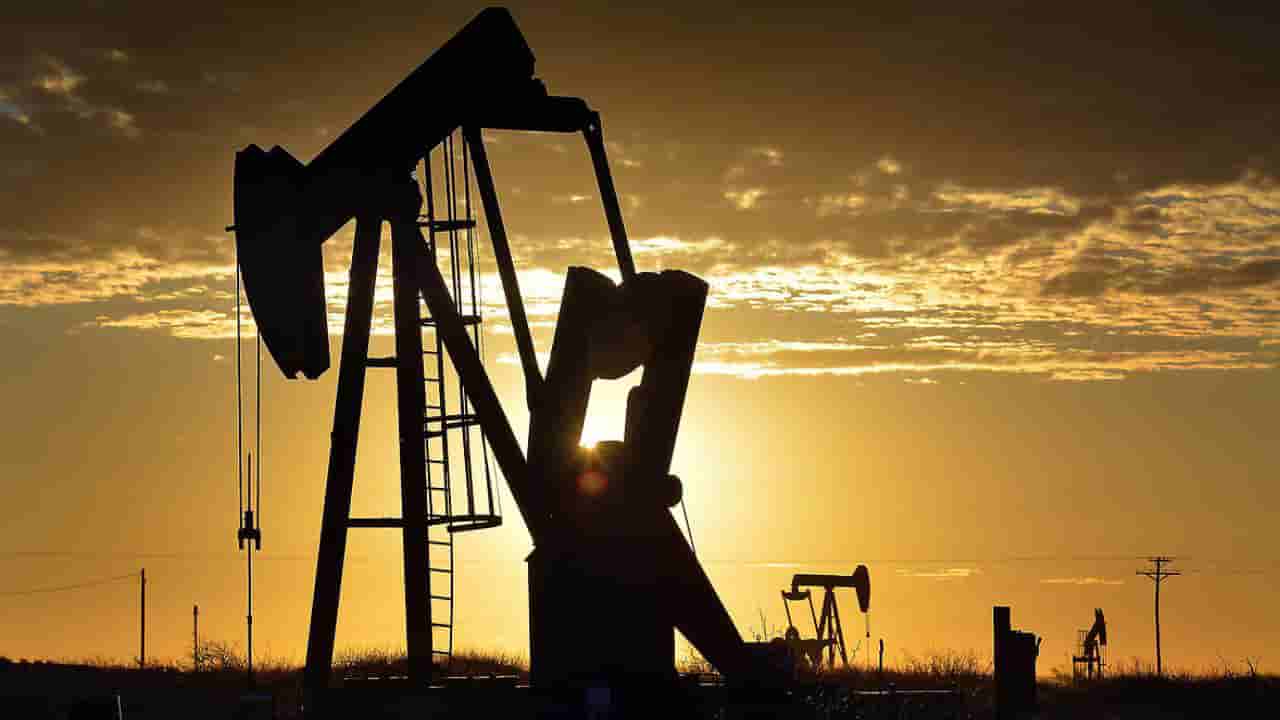
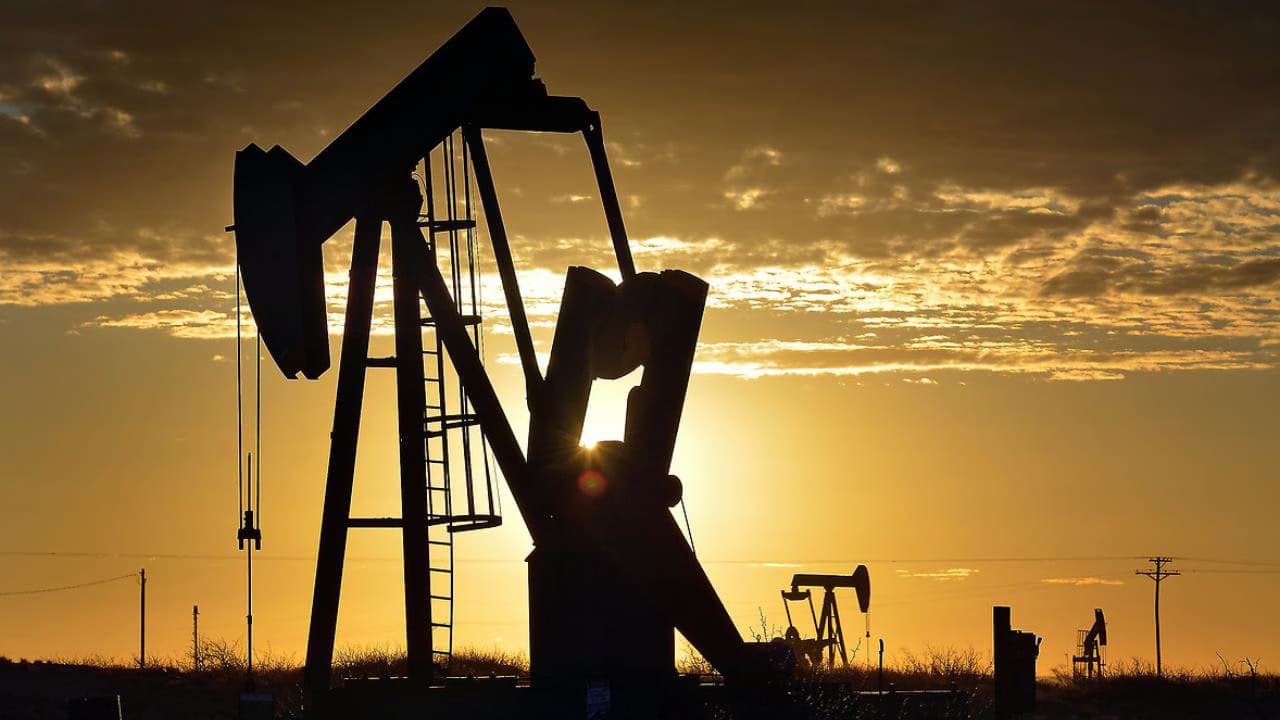
Optimistic diplomatic statements from the US and Qatar strengthened expectations for the reopening of the Strait of Hormuz with Iran, triggering a sharp sell-off in oil markets. On Tuesday, August 4, 2026, Brent crude fell 4.6% to $79.89 a barrel. US West Texas Intermediate (WTI) crude dropped 5.3% to $76.11.
US Treasury Secretary Scott Bessent said a deal with Iran to reopen the strait could be reached "today or tomorrow." Bessent said he saw many ships leaving the strait and that other vessels were waiting to pass.
Qatar's Negotiation Message
Qatari Foreign Ministry spokesperson Majid al-Ansari said diplomatic resolution efforts are ongoing, announcing that Qatar, Pakistan, and Oman are in close coordination to facilitate negotiations. Al-Ansari said draft proposals have been shared between the parties.
In June, the US and Iran signed a memorandum of understanding to halt military operations and guarantee freedom of navigation in the Strait of Hormuz. However, disagreements over the management of ship traffic prevented a return to normal flows.
Market Focuses on Deal Prospects
UBS analyst Giovanni Staunovo said, "Prices fell on reports that a draft on a possible compromise between the parties is being worked on." The market is pricing in that the reopening of the strait will boost Gulf countries' exports and ease the tightness in global energy supply that has been disrupted for months.
Before the war began on February 28, about one-fifth of global oil supply and one-fifth of liquefied natural gas trade passed through the Strait of Hormuz daily.
Physical Supply Tightness Continues
Despite diplomatic optimism, no significant improvement has been seen in ship movements in the Strait of Hormuz and Bab el-Mandeb over the past two days. Oil production in the Middle East also remains below pre-war levels.
Goldman Sachs said that despite the price drop, a supply deficit persists in the physical oil market. The bank calculated that trackable global inventories have fallen by about 6.3 million barrels per day over the past two weeks.
This decline was attributed to reduced shipments from the Gulf and the Red Sea, a drop in Russian exports, and rising Asian imports. Goldman Sachs said Gulf oil exports are about 36% lower than before the war, whereas in early July the gap had reached as much as 80%.
Saudi Arabia's oil exports fell by about 2.4 million barrels per day compared to the same period last year. Russia's crude and condensate exports dropped by 1.3 million barrels per day over the past two weeks due to loading disruptions at the Caspian Pipeline Consortium (CPC) terminal.
ANZ analysts said pressure on Gulf exports persists, traffic in Hormuz has only slightly recovered from very low levels, and attacks on ships continue to restrict flows.
The United Kingdom Maritime Trade Operations (UKMTO) reported that an unidentified projectile struck a cargo ship 20 nautical miles northeast of Khasab, Oman, and authorities are investigating the incident. In the Red Sea, six large Saudi oil tankers diverted their route to South Africa in the Gulf of Aden, while two loaded tankers passed through the Bab el-Mandeb Strait.
Goldman Sachs forecasts that Brent crude will remain in the $80-90 range until a new US-Iran deal is finalized or there is a major escalation in attacks. The bank estimates Brent's fair value at $80, noting that current prices do not include a geopolitical risk premium.
Stay Updated with Hilal Times
Subscribe to be informed about special news, developments and announcements. We will keep you informed.
By signing up, you agree to our Privacy Policy