As tensions between Iran and the United States continued, Omani Foreign Minister Badr Albusaidi visited Islamabad and called for disputes in the region to be resolved through dialogue and diplomacy.
At a joint press conference with Pakistani Foreign Minister Ishaq Dar, Albusaidi emphasized the importance of constructive engagement to reduce tensions and prevent a new regional escalation. The Omani minister said Pakistan's constructive role in supporting diplomatic initiatives in the region would help build trust and find peaceful solutions to problems.
Pakistan and Oman support diplomatic efforts
Dar said the talks addressed the war between the United States and Iran, as well as regional and international developments. The Pakistani minister said the two countries' positions were close and that efforts should be intensified to bring peace and stability to the region.
A statement from Oman's Foreign Ministry emphasized the need to keep communication and dialogue channels open among all relevant parties to contain crises and preserve regional security and stability.
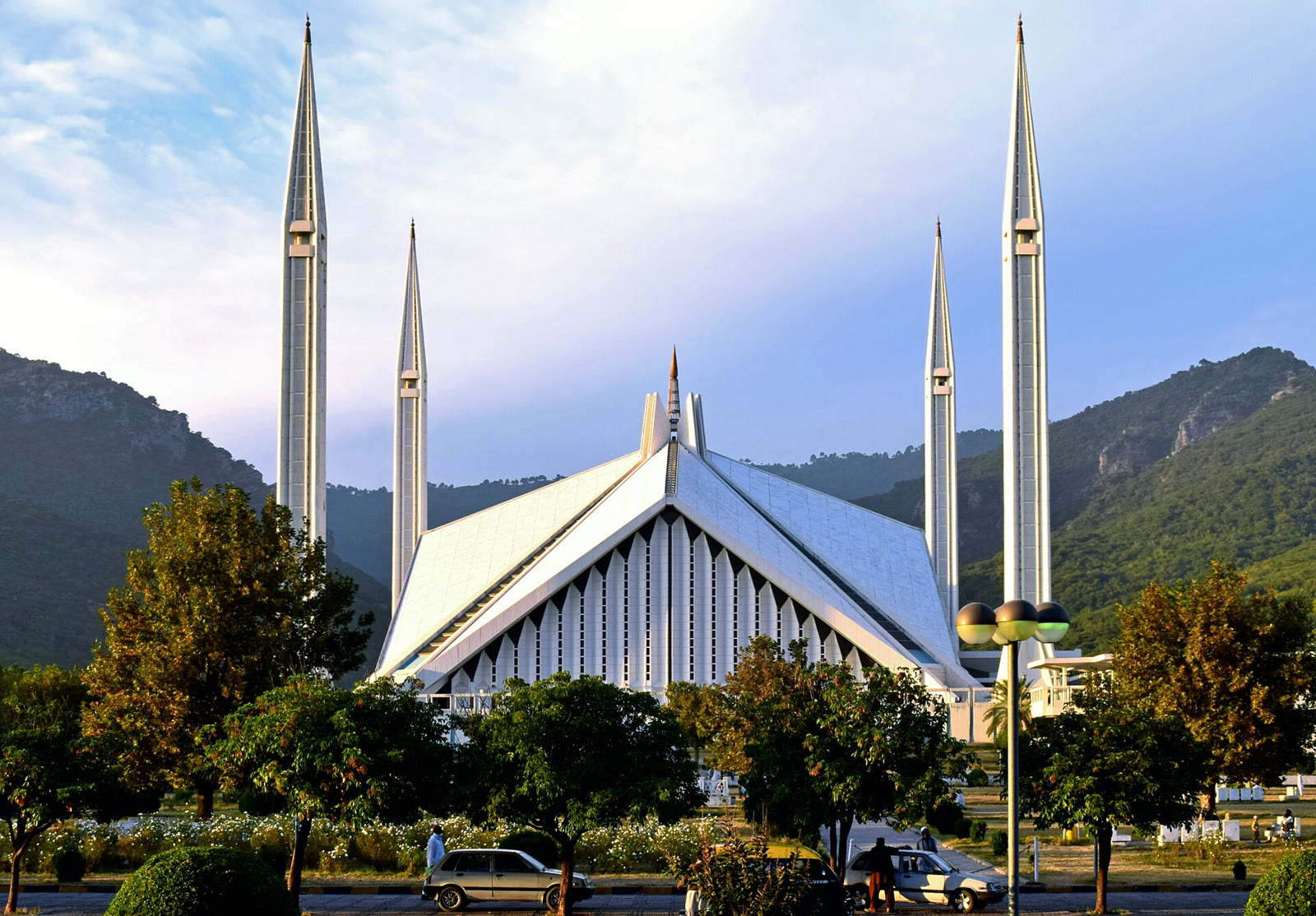
Visa agreement and four memoranda signed in Islamabad
Albusaidi and Dar discussed developing cooperation in priority areas at the eighth meeting of the Joint Ministerial Committee between Oman and Pakistan.
At a ceremony attended by Pakistani Prime Minister Muhammad Shehbaz Sharif, the two sides signed an agreement granting visa exemptions to holders of diplomatic, special and service passports. Four memoranda of understanding were also signed covering communications and information technologies, radio and television, the exchange of news and information, and documents and archives.
Sharif receives Omani minister
The Omani foreign minister was also received by Pakistani Prime Minister Muhammad Shehbaz Sharif. The meeting assessed regional developments and the impact of efforts to contain crises on the region's security and stability.
Dispute over Strait of Hormuz stalls negotiations
Thousands of people were killed in the military strikes carried out by the United States and Israel against Iran on February 28, while Tehran responded with attacks on Israel and some locations in the region. A ceasefire was reached in April following the attacks.
The United States later carried out attacks on locations in Iran, while negotiations between Washington and Tehran failed to advance despite a memorandum of understanding signed in mid-June through Pakistan's mediation.
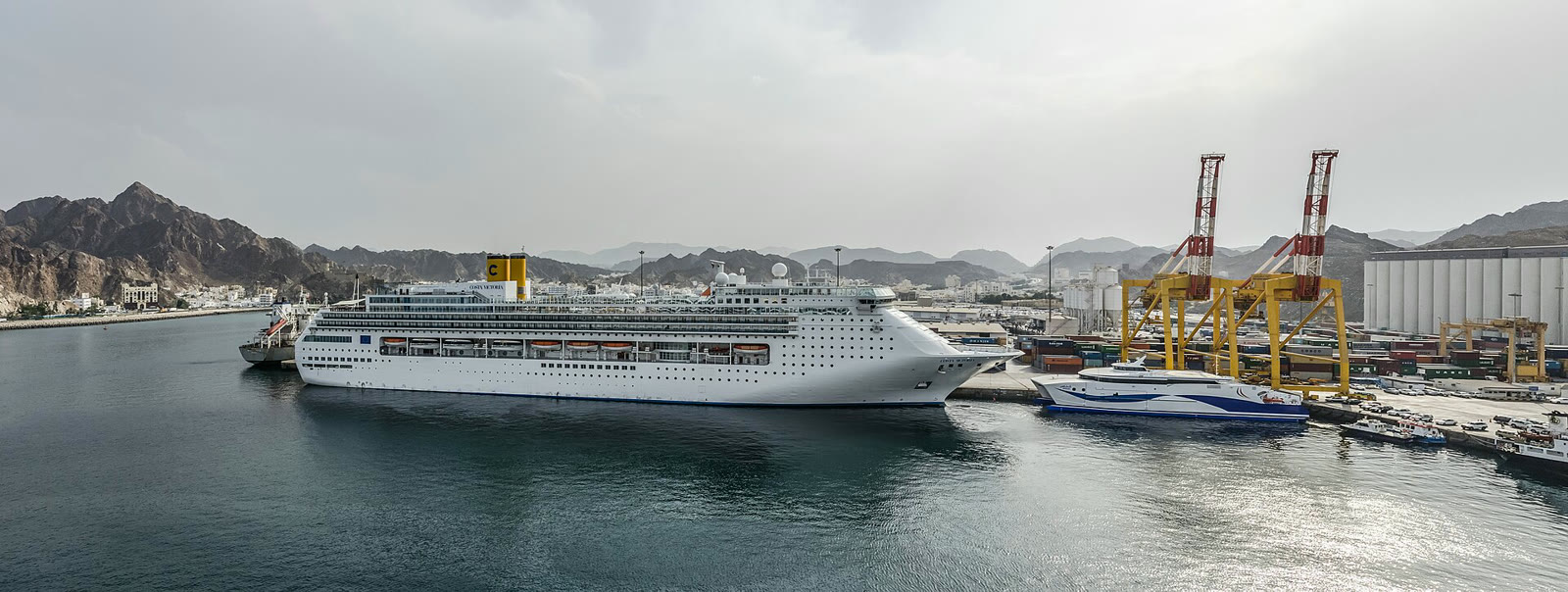
The deadlock in the negotiations was linked to disputes over navigation in the Strait of Hormuz, which is strategically important for energy shipments and global trade.