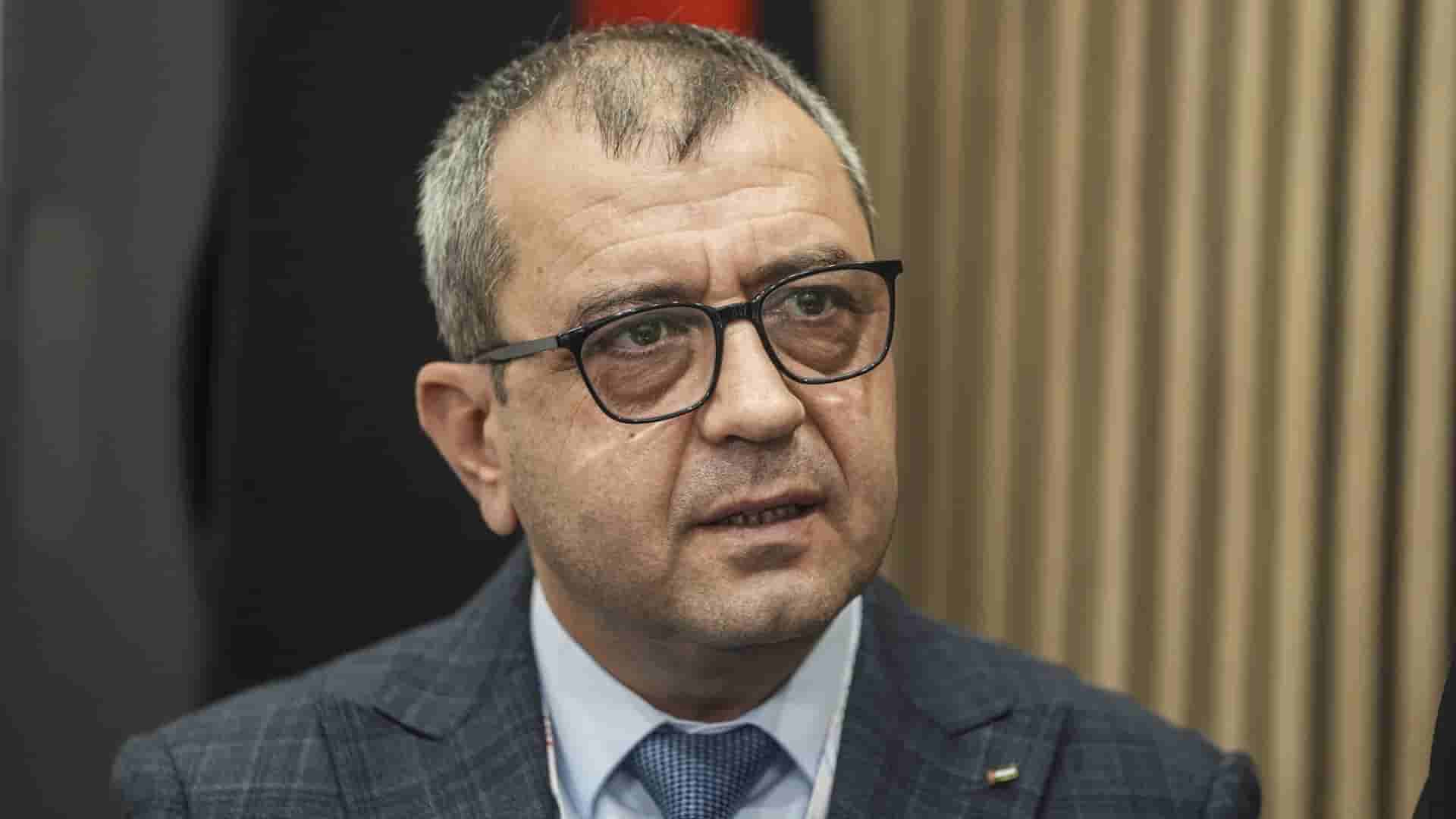
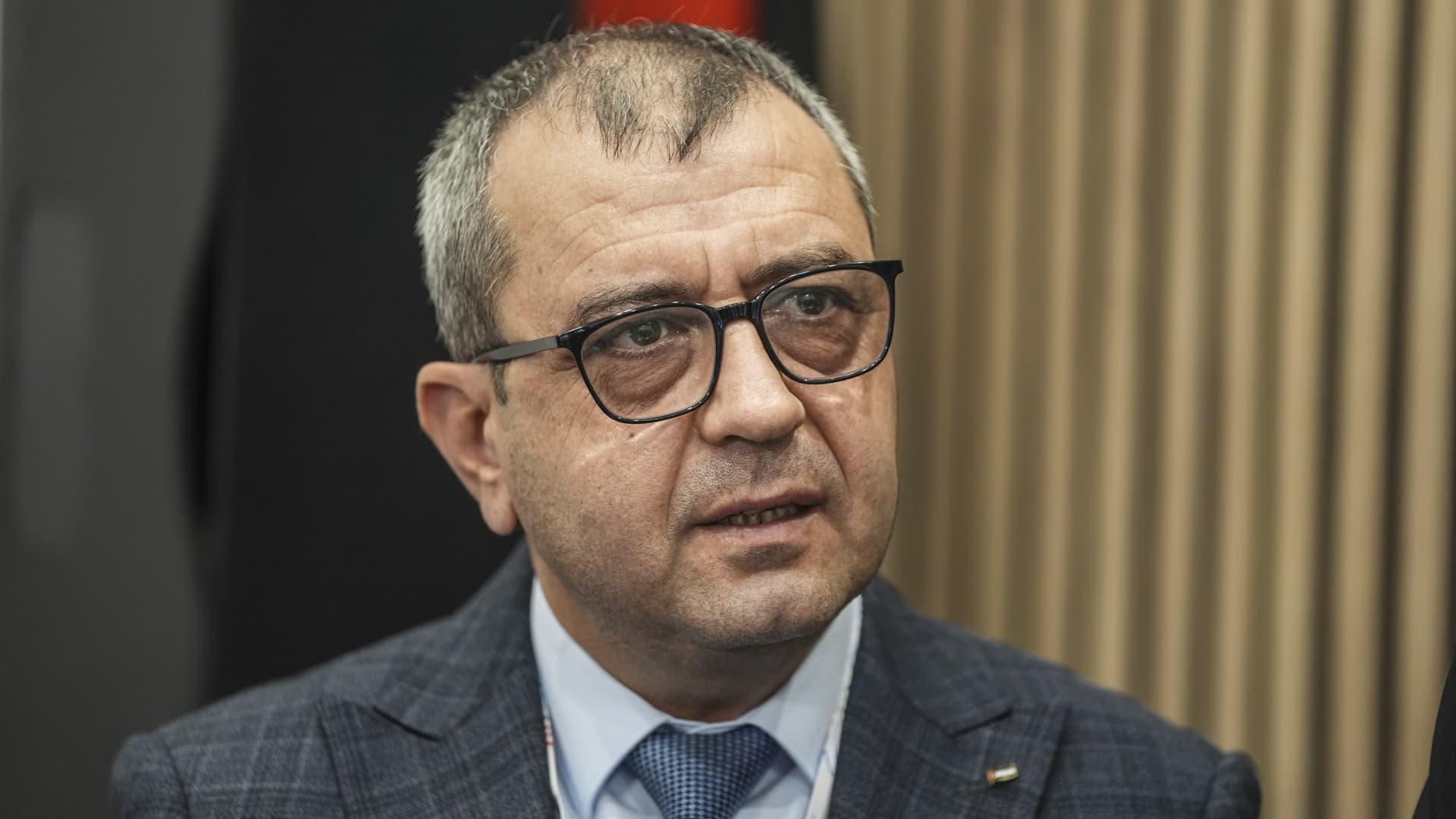
Palestinian Environmental Quality Authority chief Zaghloul Samhan called on the COP31 United Nations Climate Change Conference, being held in the Turkish city of Antalya, to explicitly recognize the vulnerability of occupied states and facilitate their access to global climate finance. In an interview with Anadolu Agency on the sidelines of the conference’s second week, Samhan said: “Occupied and crisis-hit states must be highlighted to facilitate their access to funding and grant them sovereignty over their natural resources and land.”
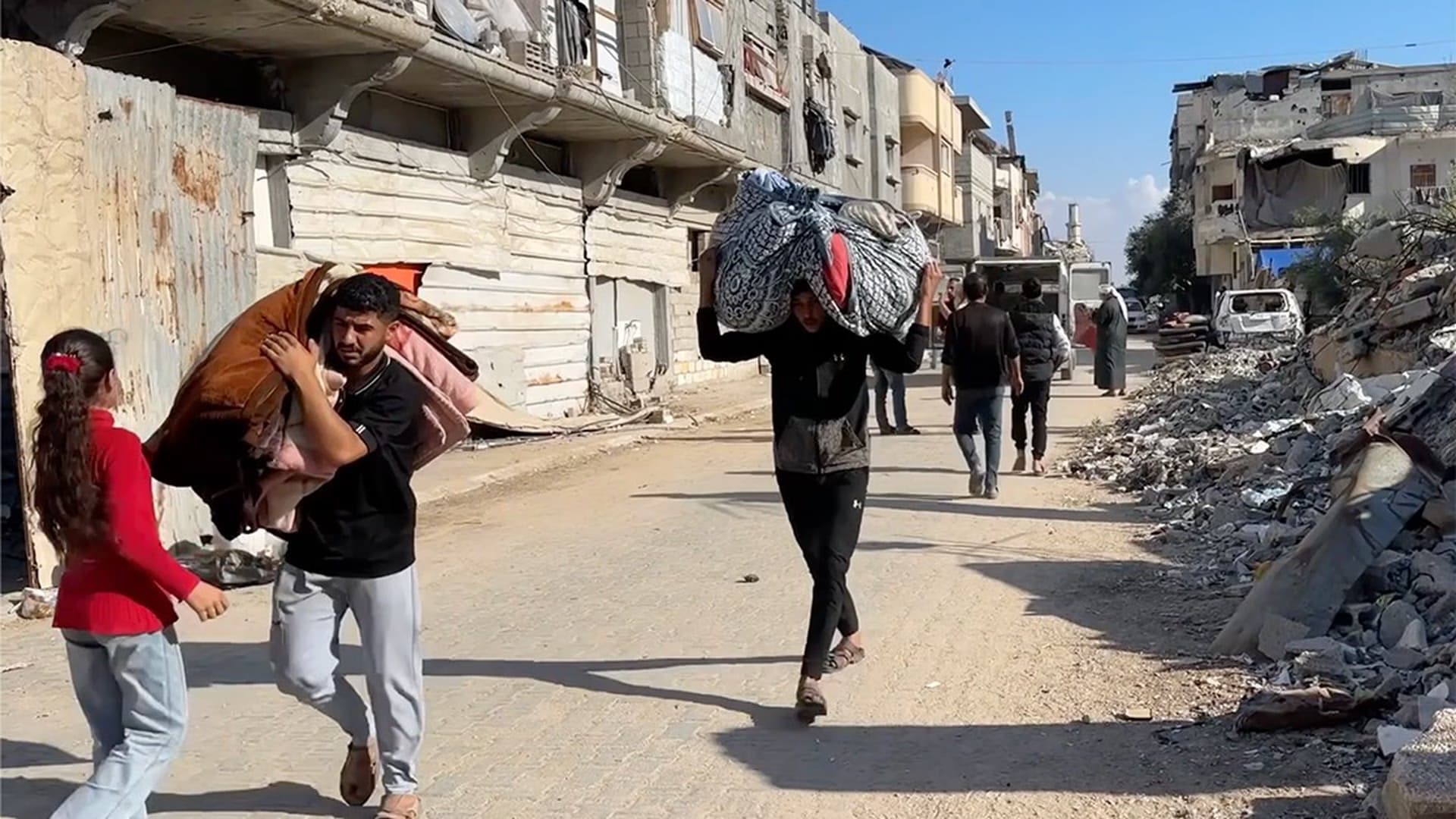
Samhan called for the institutional and procedural obstacles preventing Palestine from benefiting from the Global Environment Facility and the Green Climate Fund to be removed, stressing that “developed countries must pay for their impact on the climate, and developing countries must benefit from this funding.” He said that about 97% of Gaza’s agricultural land had become contaminated or inaccessible to Palestinians, while sewage networks, treatment plants, water facilities and renewable energy installations had been destroyed, causing wastewater and rubble to flow directly into the Mediterranean Sea. He expressed optimism that progress could be made thanks to Türkiye’s support and its presidency of the conference.
75 countries back Türkiye’s electricity target
In a related development, the COP31 presidency announced that 75 countries, including Germany, the United Kingdom, Norway, South Korea, Spain, Japan, Denmark and Canada, had backed by Wednesday morning the “35×35” target proposed by Türkiye to raise electricity’s share of global final energy consumption from about 22% currently to 35% by 2035. The European Commission also announced the European Union’s support for the target, along with 94 institutions and organizations. The target was included in the conference’s first draft final decision.

Strong Arab presence in Antalya
The Antalya conference saw a notable presence of Arab leaders. Qatar’s Emir Sheikh Tamim bin Hamad Al Thani attended the leaders’ summit, while Moroccan Foreign Minister Nasser Bourita represented King Mohammed VI. Iraqi President Nizar Amedi said the acceleration of climate change had cost his country more than half of its agricultural land, calling for the Loss and Damage Fund to be activated and for vulnerable countries to gain easier access to green finance.
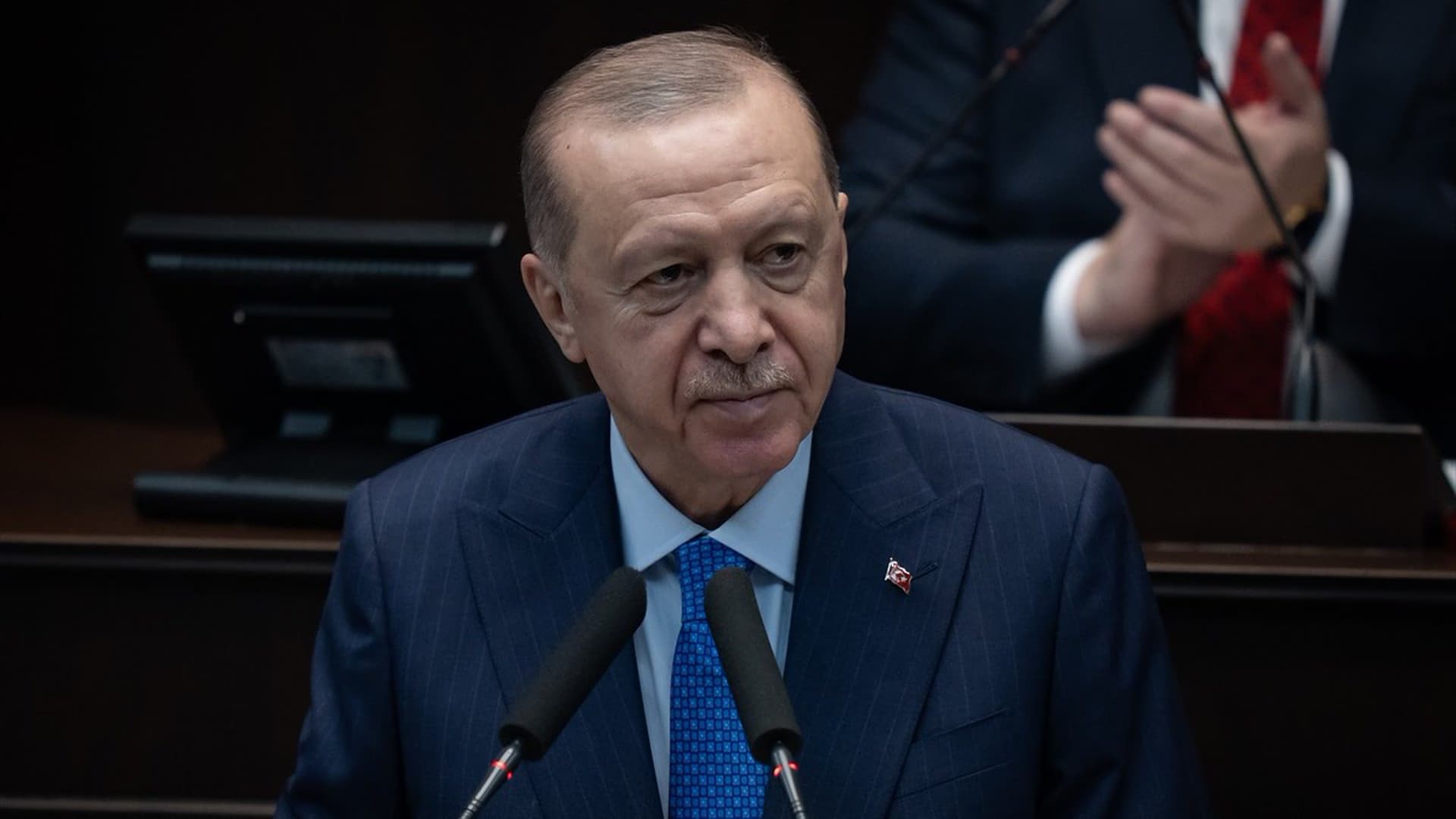
Iranian President Masoud Pezeshkian also attended the summit and called for international mechanisms to assess and compensate for environmental damage caused by US and Israeli strikes on his country. Sudan’s President of the Transitional Sovereignty Council Abdel Fattah al-Burhan and Syrian President Ahmed al-Sharaa also attended. Palestinian Prime Minister Mohammad Mustafa received a standing ovation during the plenary session after calling for support for the Palestinian people and the residents of Gaza, while conference president Murad Kurum reaffirmed that Türkiye had been and would remain on Palestine’s side.
Africa calls for pledges to be honored
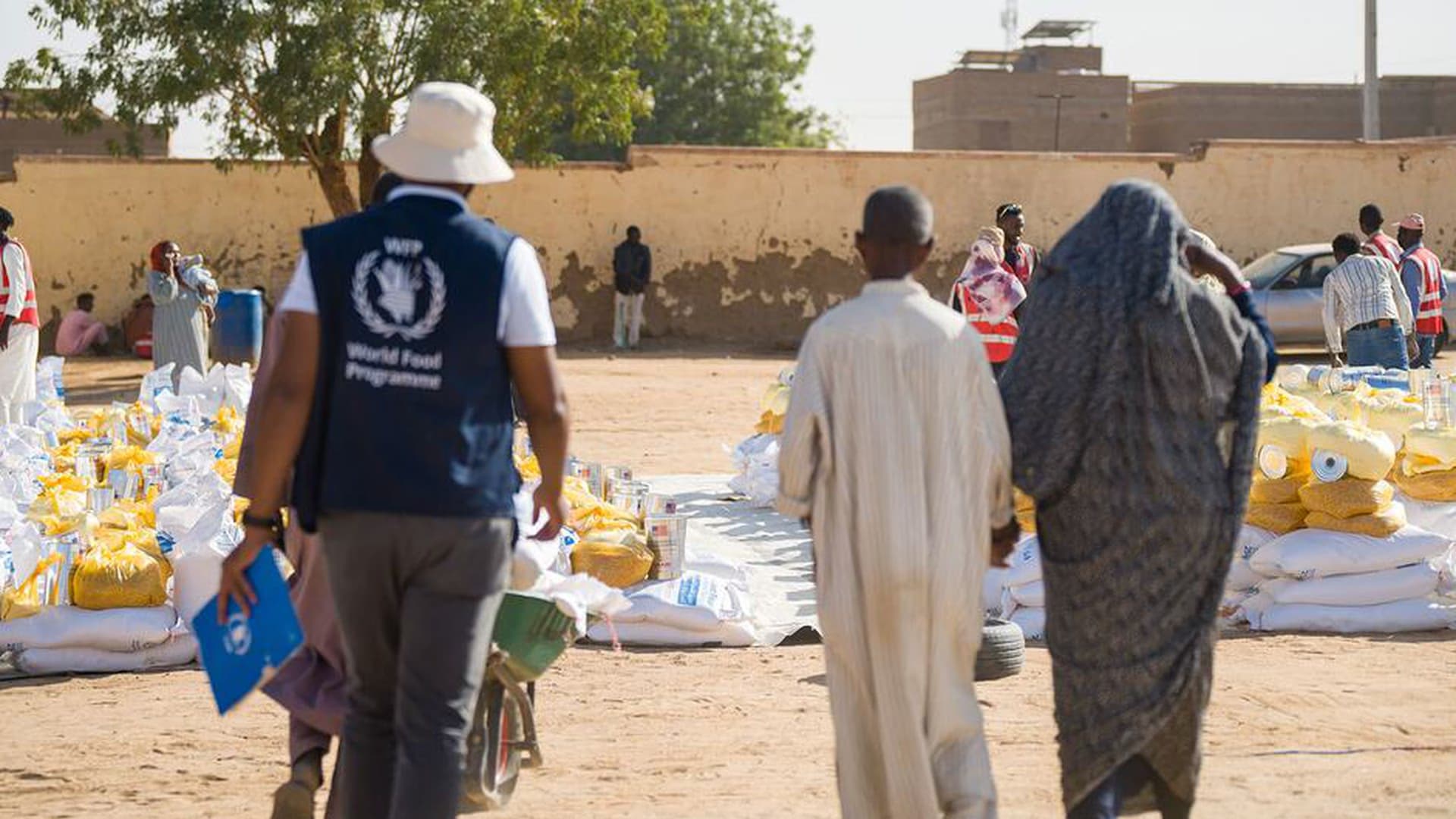
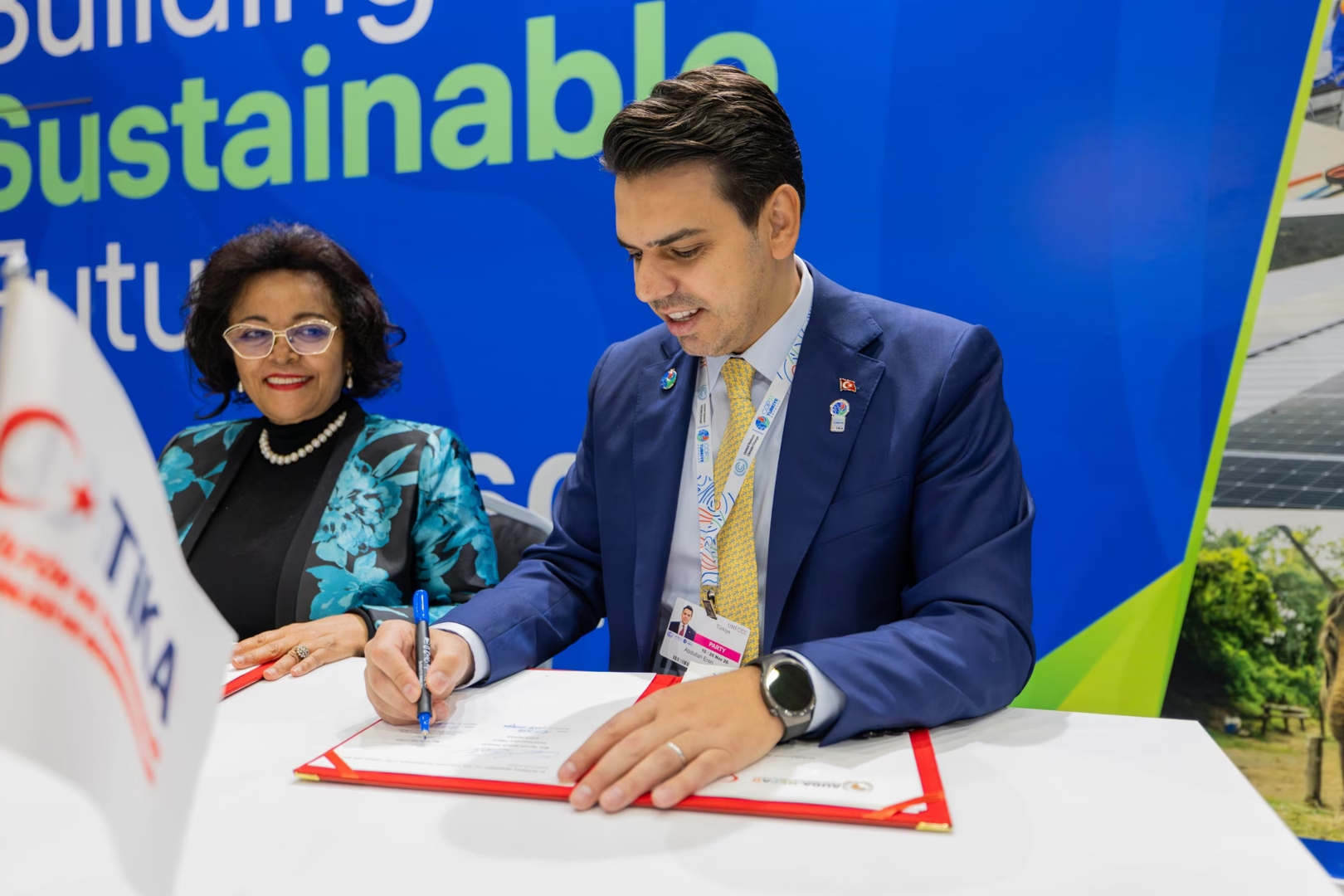
African countries raised their voices to demand funding. Senegal’s minister of environment and ecological transition called on developed countries to stop delaying and honor their financial commitments, noting that Africa contributes less than 4% of emissions but suffers the greatest impact. Türkiye’s Cooperation and Coordination Agency, known as TİKA, and the African Union Development Agency, AUDA-NEPAD, signed a protocol on long-term partnerships in climate action. Türkiye and Somalia also signed a cooperation agreement on social services on the sidelines of the conference.
Gaza remains on the conference agenda
Gaza featured prominently throughout the conference. COP31 President Murad Kurum called on the Group of Eight Developing Countries to launch an “Antalya-Gaza Climate Corridor” to provide the territory with mobile solar-powered water purification systems, independent power units and shelters capable of withstanding winter conditions. A half-burned olive tree displayed at the conference also conveyed the suffering in the territory.
Difficult negotiations in the final days
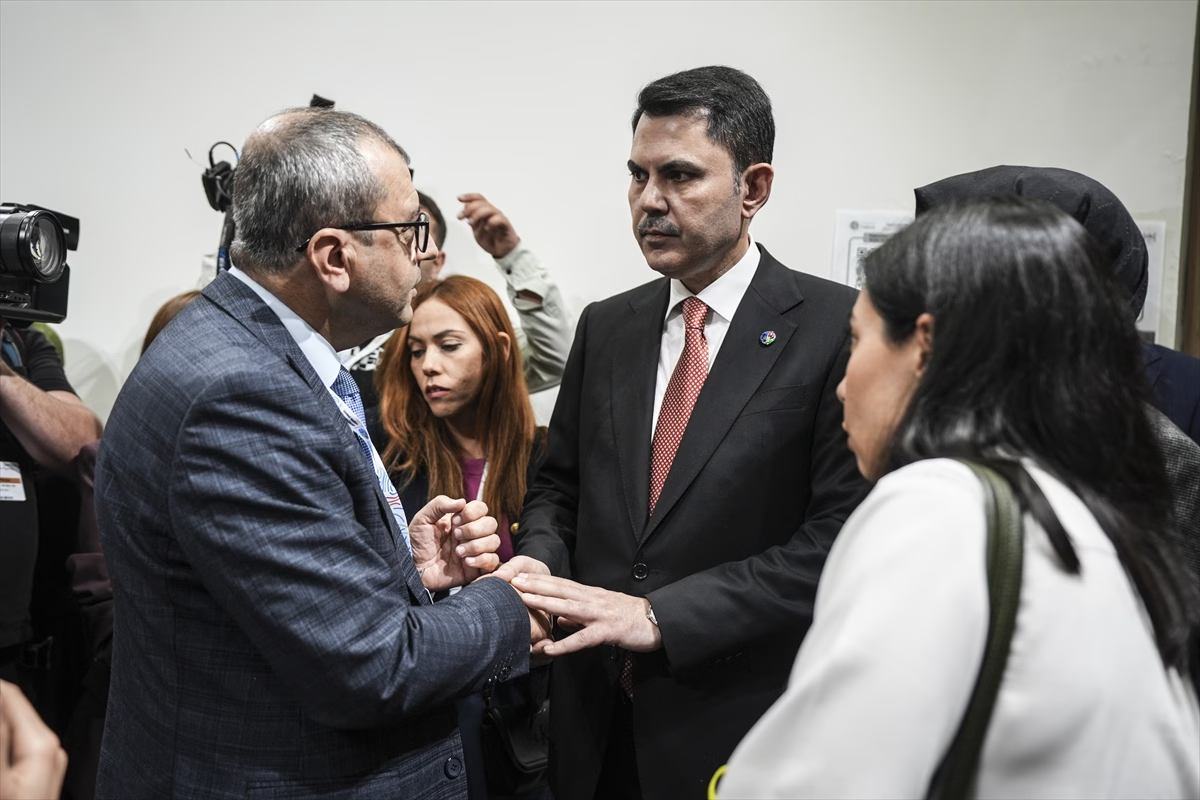
Despite the momentum, negotiations continue to face obstacles. The Arab Group has reservations about the mandate for the “comprehensive decision,” while a member of the Brazilian delegation said the draft decision recognizes developing countries’ priorities on finance and technology “but does not yet meet them,” warning that tripling adaptation finance would cover less than one-third of the needs. Thursday is devoted to strengthening implementation, with the conference set to conclude on November 20 after the final negotiations. Ethiopia will host COP32 next year.
Photos: Anadolu Agency, TİKA, COP31 presidency. Video: COP31 President Murad Kurum, COP31 Türkiye.