- BIST10011,477-3.08%
- USD50.42+0.05%
- EUR55.44-0.10%
- GOLD3,736.80-3.30%
- INTEREST36.00%-1.00
- BITCOIN62,682-3.38%
- November 18, 202617°
- BIST10011,477-3.08%
- USD50.42+0.05%
- EUR55.44-0.10%
- GOLD3,736.80-3.30%
- INTEREST36.00%-1.00
- BITCOIN62,682-3.38%
- November 18, 202617°
WFP warns drought hits Sudan, Somalia and South Sudan, only 2% pre-funded
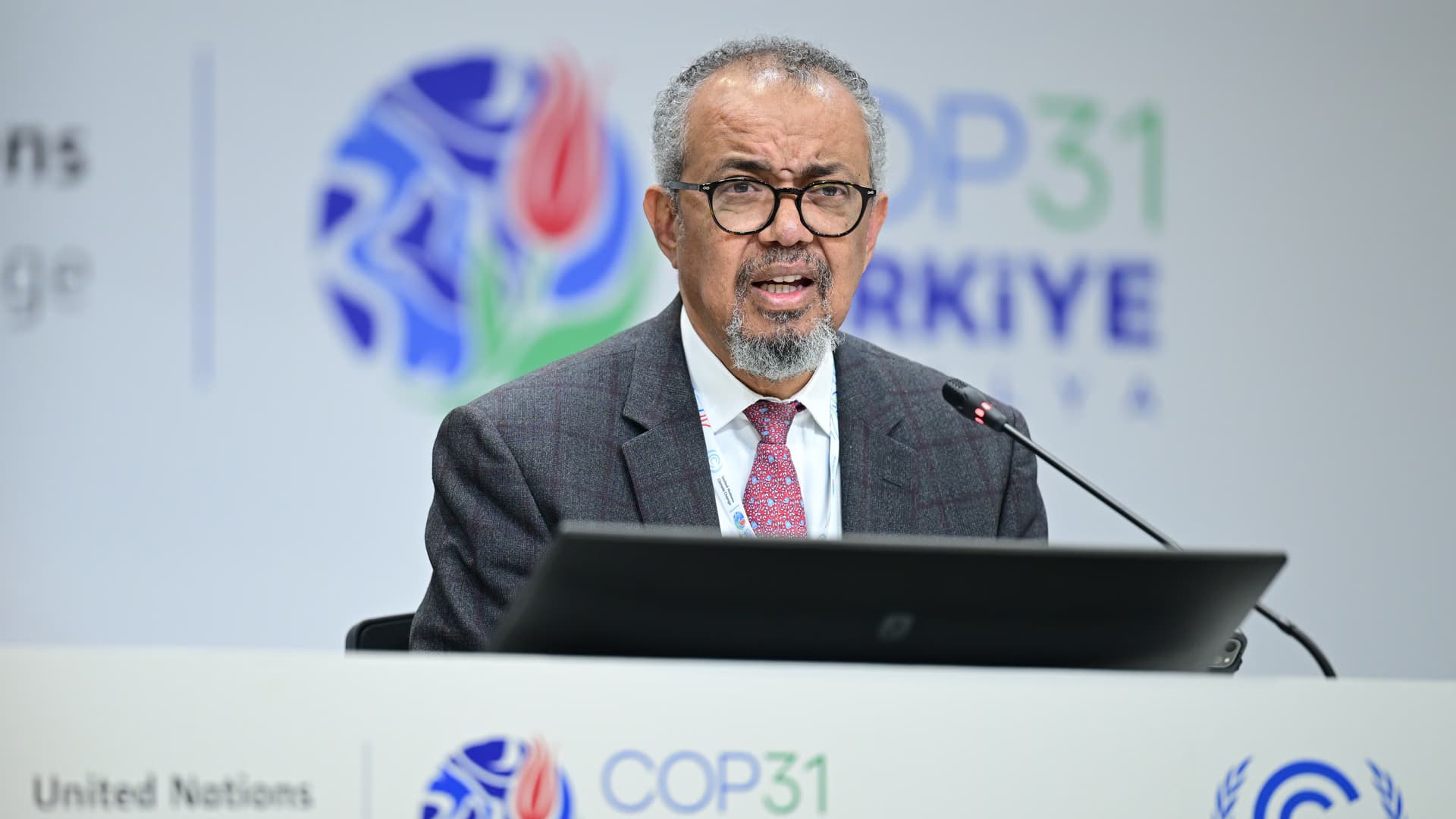
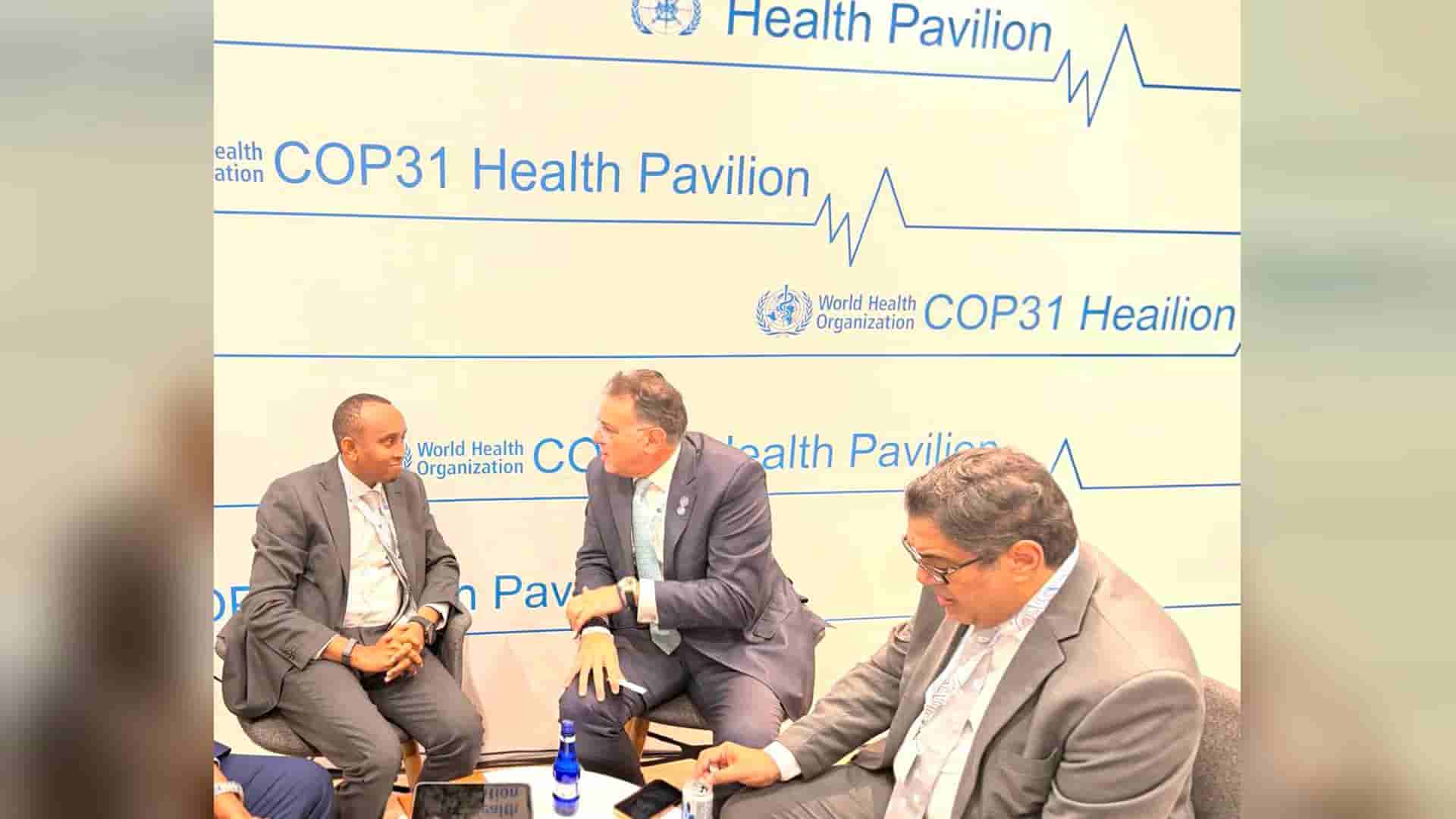
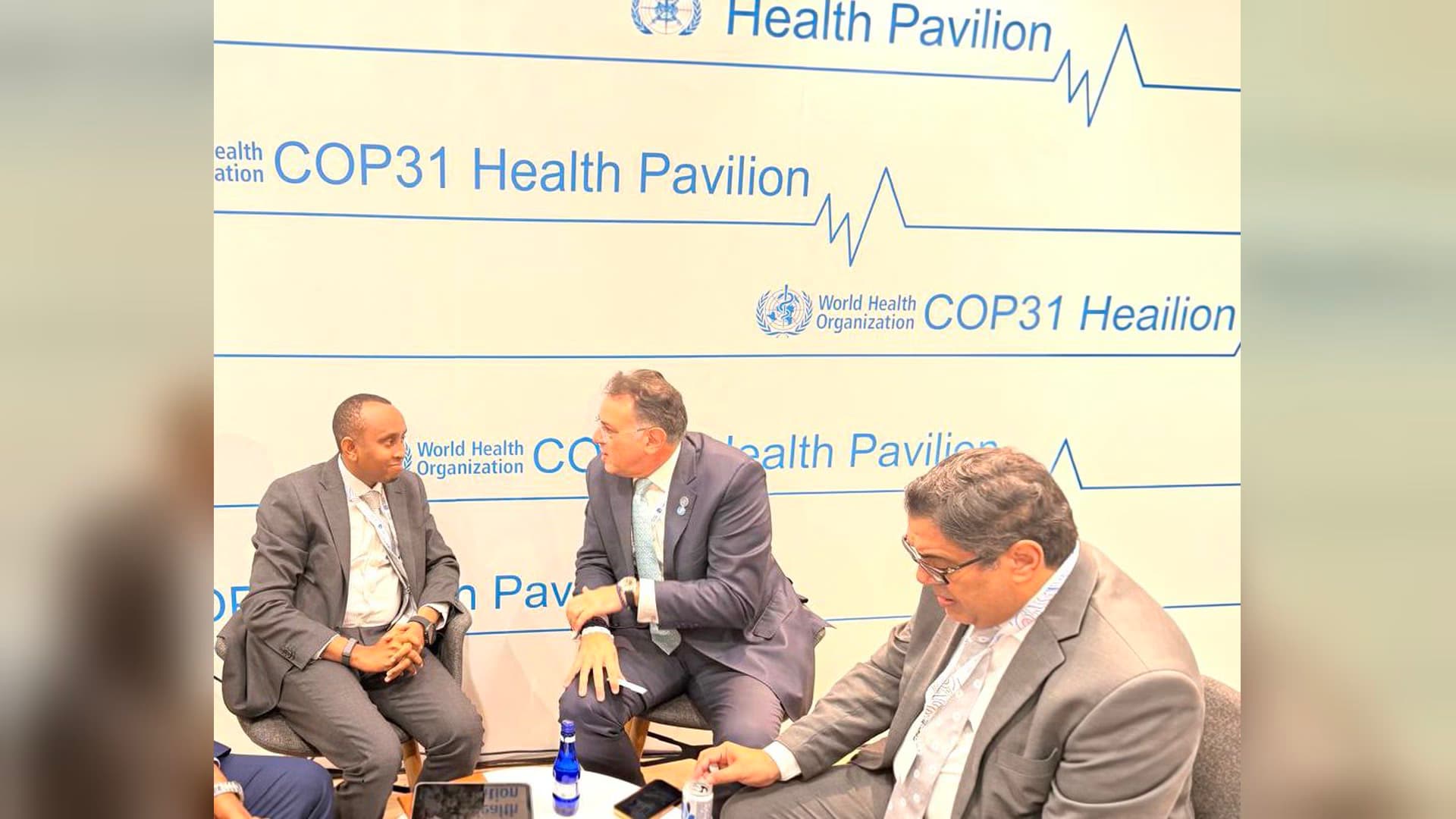
The World Food Programme called at COP31 for pre-planned climate financing to combat hunger, warning that the effects of El Niño-related drought are emerging in African countries already suffering from conflict.
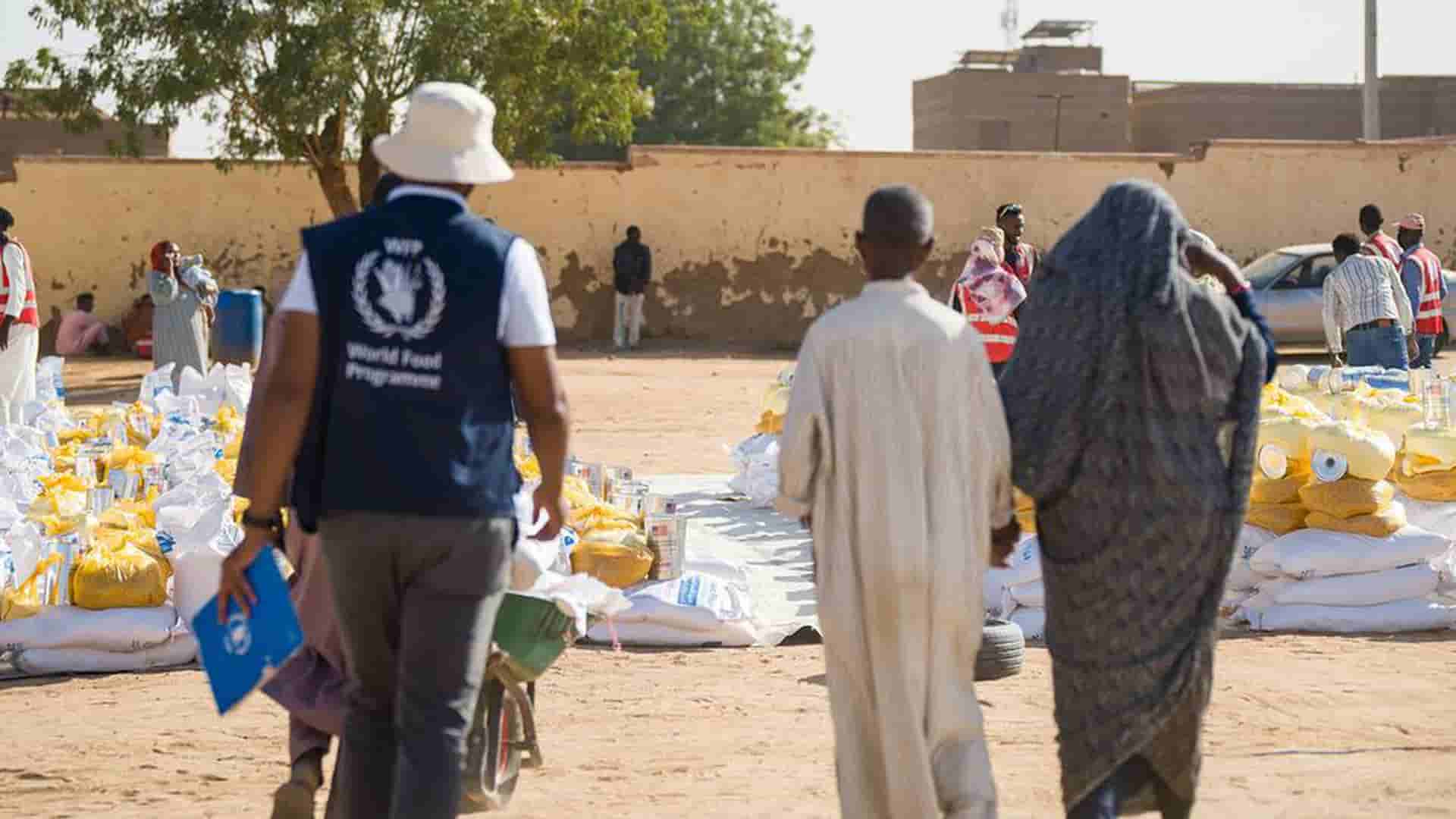
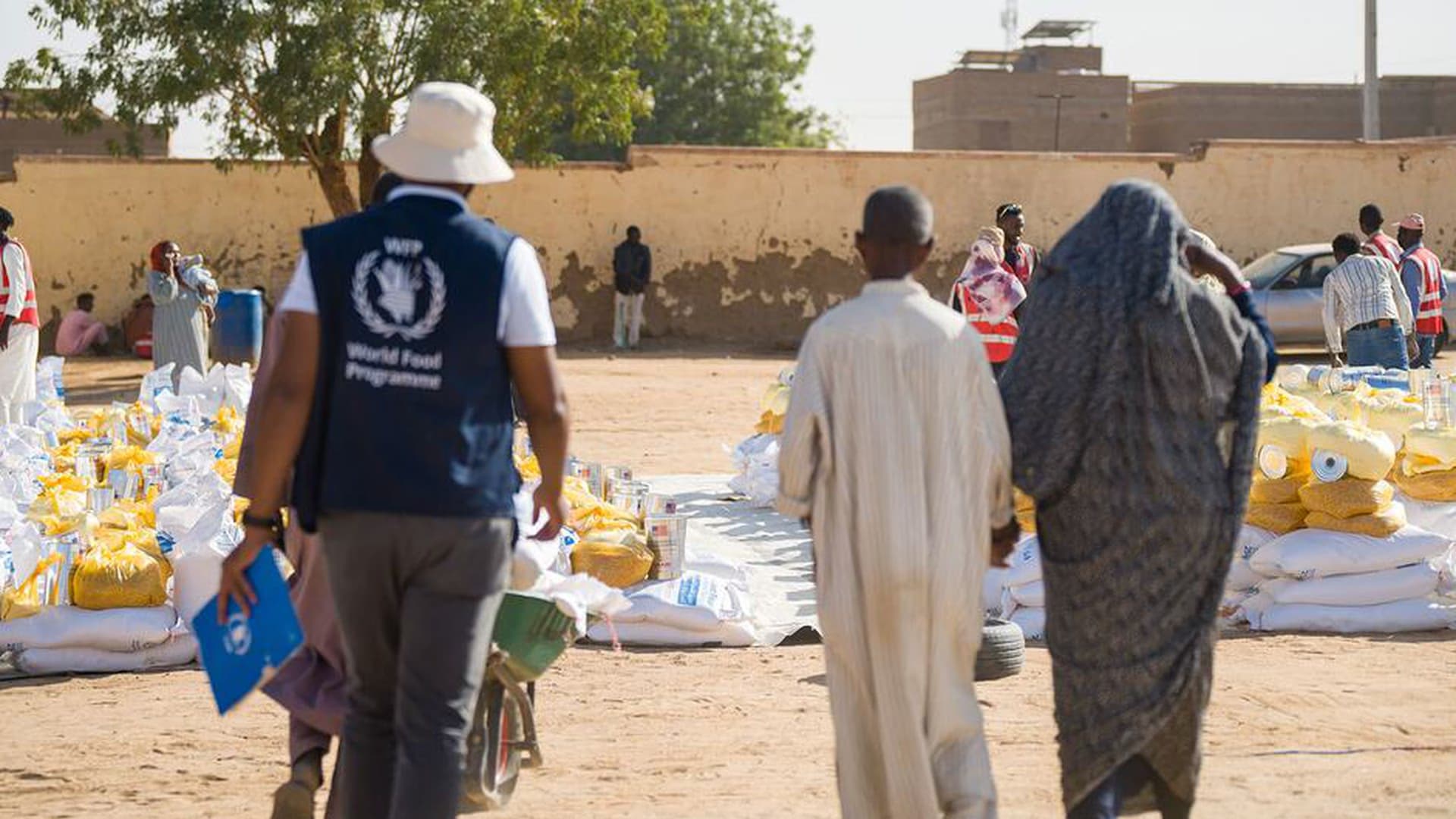
The United Nations World Food Programme warned that the effects of El Niño-related drought are beginning to emerge in Sudan, Somalia and South Sudan, calling for increased pre-planned climate financing to prepare for extreme weather events before they occur.
Richard Schoularton, the programme’s director of climate and resilience, told Anadolu on the sidelines of the COP31 conference in Antalya that only 2% of crisis financing worldwide is planned in advance. This leaves countries and humanitarian organizations with limited resources to anticipate and mitigate the effects of climate disasters.
He said 266 million people worldwide are suffering from acute hunger, including 88 million whose food crises were caused by extreme weather events. “People there are already on the edge, struggling with hardship, and then another drought, another flood or another storm hits them,” he added.
Conflict zones face the greatest impact
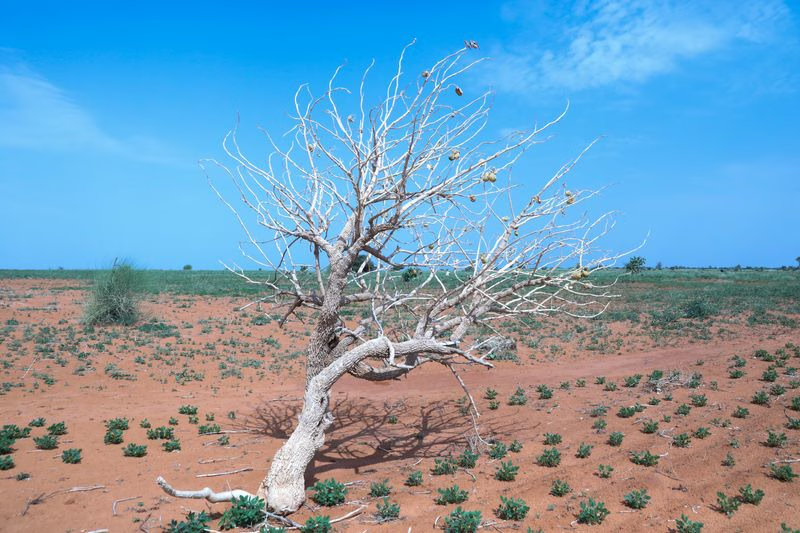
Schoularton said Sudan, South Sudan, Somalia and Yemen face the risk of famine, while the effects of floods, droughts and storms are more severe in areas already suffering from food insecurity and malnutrition, many of which are experiencing armed conflict. He noted that the most vulnerable countries are often the least institutionally equipped to access climate financing.
He called for early warning systems to be integrated into early response systems, noting that the programme first tested its “anticipatory action” approach during the 2015–2016 El Niño event by providing assistance to communities based on drought forecasts before its effects emerged. He warned that it can take poor people one, two or even three years to recover from a climate disaster and restore their previous level of food consumption.
Photos: United Nations, Reuters.
Have a story, event or announcement of your own?Send us your news on WhatsApp
Spotted an error in this story?Report it on WhatsApp
Share on all social platforms
Sponsored Ads
Featured Listings
Loading featured properties...
Stay Updated with Hilal Times
Subscribe to be informed about special news, developments and announcements. We will keep you informed.
By signing up, you agree to our Privacy Policy