- BIST10011,543-0.30%
- USD49.60+0.05%
- EUR55.68+0.11%
- GOLD4,112.00-0.92%
- INTEREST37.00%-1.00
- BITCOIN82,172-2.20%
- October 22, 202618°
- BIST10011,543-0.30%
- USD49.60+0.05%
- EUR55.68+0.11%
- GOLD4,112.00-0.92%
- INTEREST37.00%-1.00
- BITCOIN82,172-2.20%
- October 22, 202618°
Political Alliance Searches Between ANC and SACP in South Africa
Ahead of the upcoming local elections in South Africa, the relations and possible alliances between ANC and SACP are on the agenda. ANC's loss of votes in major cities and SACP's limited influence stand out. Possible cooperation between EFF and SACP and Numsa's return to Cosatu complicate the political balances.
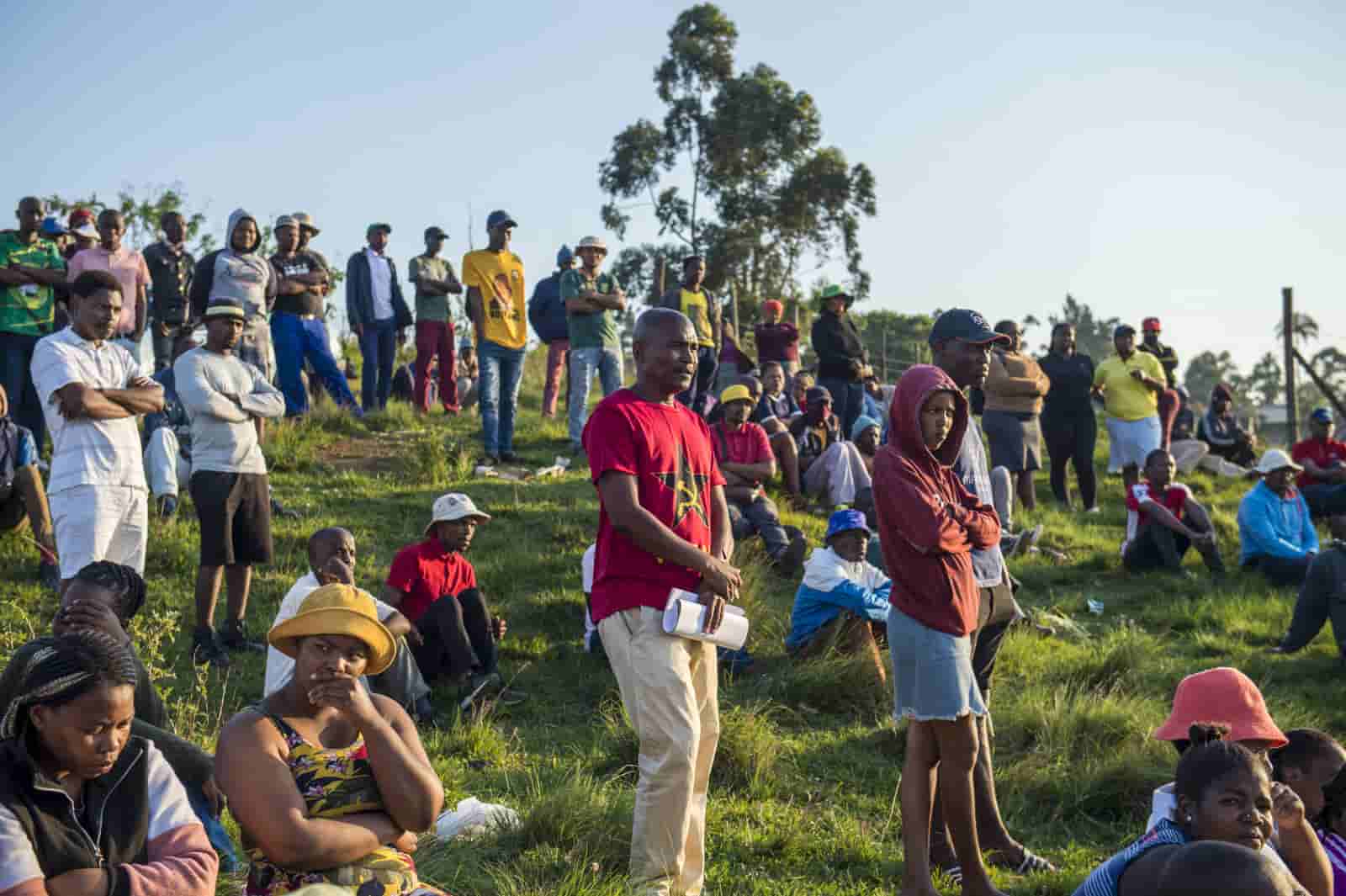
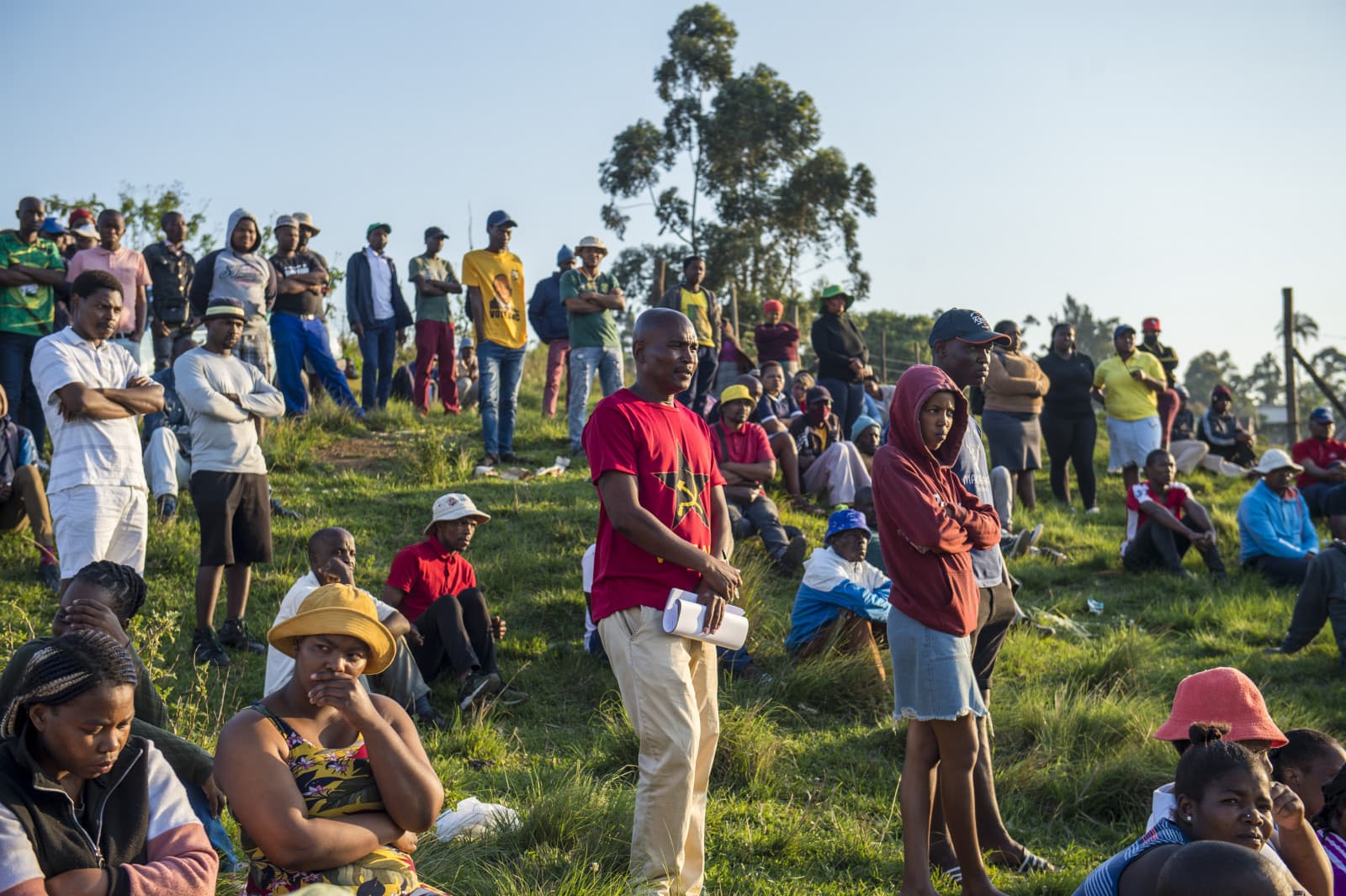
Ahead of the upcoming local elections in South Africa, the political relations between the African National Congress (ANC) and the South African Communist Party (SACP) are being intensely debated. ANC Secretary General Fikile Mbalula gave party members who belong to both ANC and SACP 10 days to decide which party they will work for in the election campaigns. This development points to a reshaping of political balances following ANC's significant loss of votes in major cities like Durban and Johannesburg. In Durban, ANC's vote share is estimated to be below 10%, while in Johannesburg this rate varies between 30-40%.
SACP's influence in the local elections appears to be quite limited and it does not stand out as an independent force. However, a possible alliance between the Economic Freedom Fighters (EFF) and SACP is on the agenda. Although this alliance is not expected to increase EFF's votes, it is considered to provide different strategic advantages for both parties. For SACP, this could be an advantage in coalition negotiations with ANC, while for EFF it means access to power and positions.
Additionally, the Numsa union's attempt to return to Cosatu and the relations between EFF and MKP also complicate the political landscape. Numsa's return to Cosatu is welcomed by ANC and SACP, while independent leftist movements appear weak. The possibility of a coalition between MKP and IFP in Durban is high, and this alliance is expected to be effective in the city's administration.
Overall, a political environment prevails in South Africa where the left struggles to form an independent and organized movement, while right-wing parties gain strength. It is noted that coalition policies create political uncertainty and instability rather than increasing accountability in local governments.
Stay Updated with Hilal Times
Subscribe to be informed about special news, developments and announcements. We will keep you informed.
By signing up, you agree to our Privacy Policy