Syria's transitional government began strengthening its relations with the Gulf Arab countries following the regime change in 2024. Especially the increased cooperation with Saudi Arabia is considered an important step in Syria's reintegration into the international arena. During this period, economic cooperation and regional connectivity projects were discussed between Saudi Crown Prince Mohammed bin Salman and Syrian leader Ahmed Al-Sharaa.
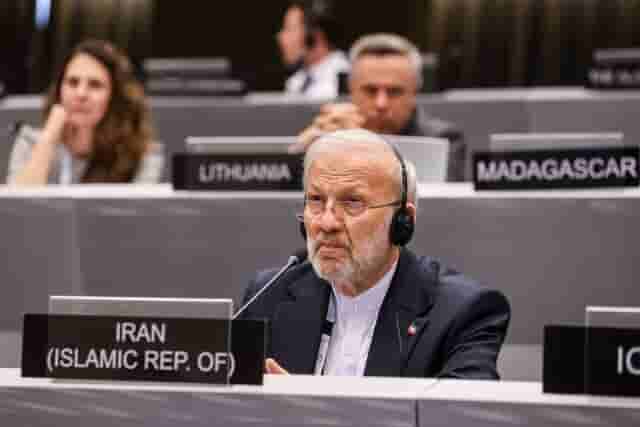
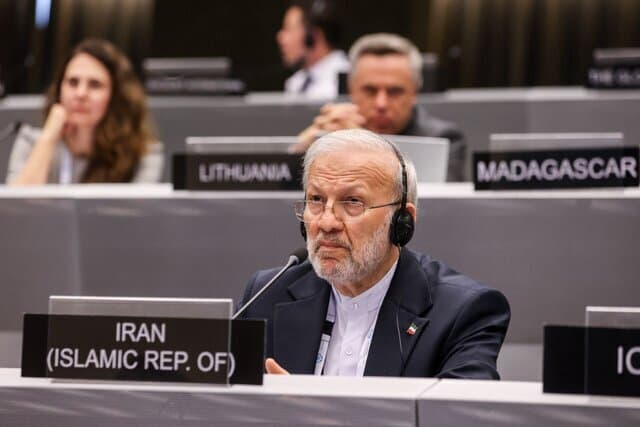
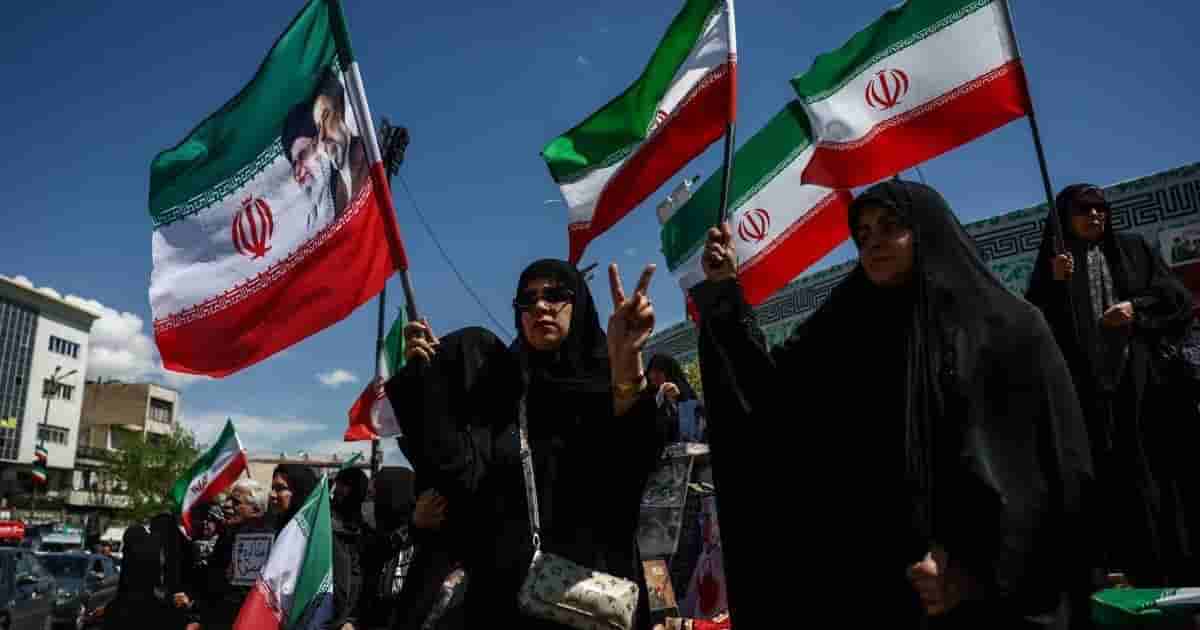
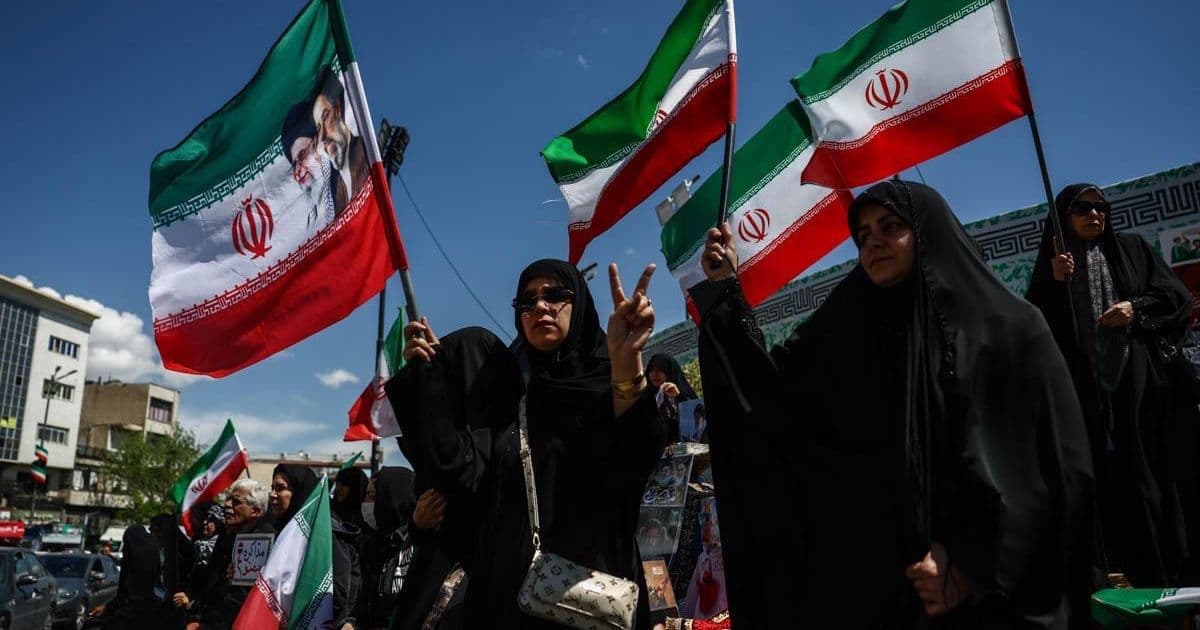
However, Syria's new administration is taking covert steps not only to get closer to the Gulf countries but also to reduce the military and economic influence of the Iranian Revolutionary Guard Corps (IRGC) in the country. Iran had established deep networks in military, political, and economic fields during the civil war in Syria. Although dismantling these networks will take time, the new administration aims to weaken these structures.
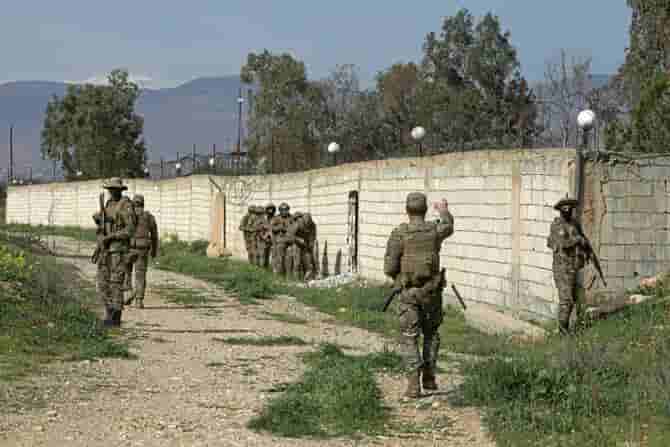
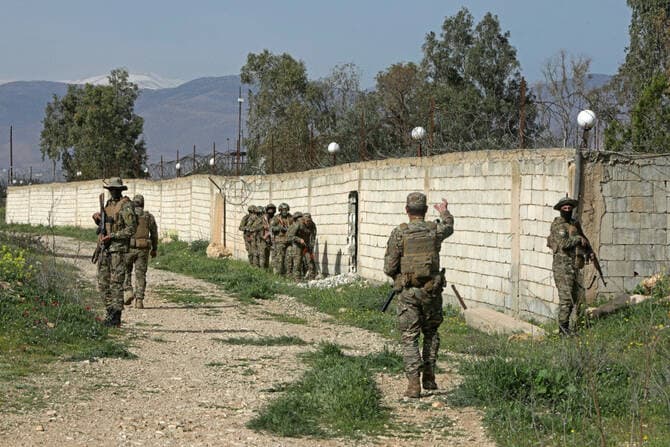
The Syrian Ministry of Interior announced that it thwarted sabotage plans by some Iran-linked cells. Weapons tunnels near the Lebanese border and seized ammunition depots indicate that Iran-backed groups are still effective in the country. However, the new administration is increasing security measures to reduce the influence of these groups.
Experts note that Iran's influence in Syria extends not only militarily but also to economic sectors such as telecommunications, real estate, and ports. Therefore, completely dismantling the networks established by Iran is seen as a long-term process. On the other hand, the Syrian administration, seeking to attract investment from Gulf countries, faces challenges in implementing economic reforms and ensuring stability.
Syria's deepening relations with the Gulf countries and efforts to reduce Iranian influence are regarded as a critical development in terms of regional power balances. However, for this process to succeed, both internal and external factors need to be carefully managed.