- BIST10011,117-0.92%
- USD49.65+0.05%
- EUR55.60-0.19%
- GOLD4,010.00-1.24%
- INTEREST36.00%-1.00
- BITCOIN80,874-0.25%
- October 24, 202615°
- BIST10011,117-0.92%
- USD49.65+0.05%
- EUR55.60-0.19%
- GOLD4,010.00-1.24%
- INTEREST36.00%-1.00
- BITCOIN80,874-0.25%
- October 24, 202615°
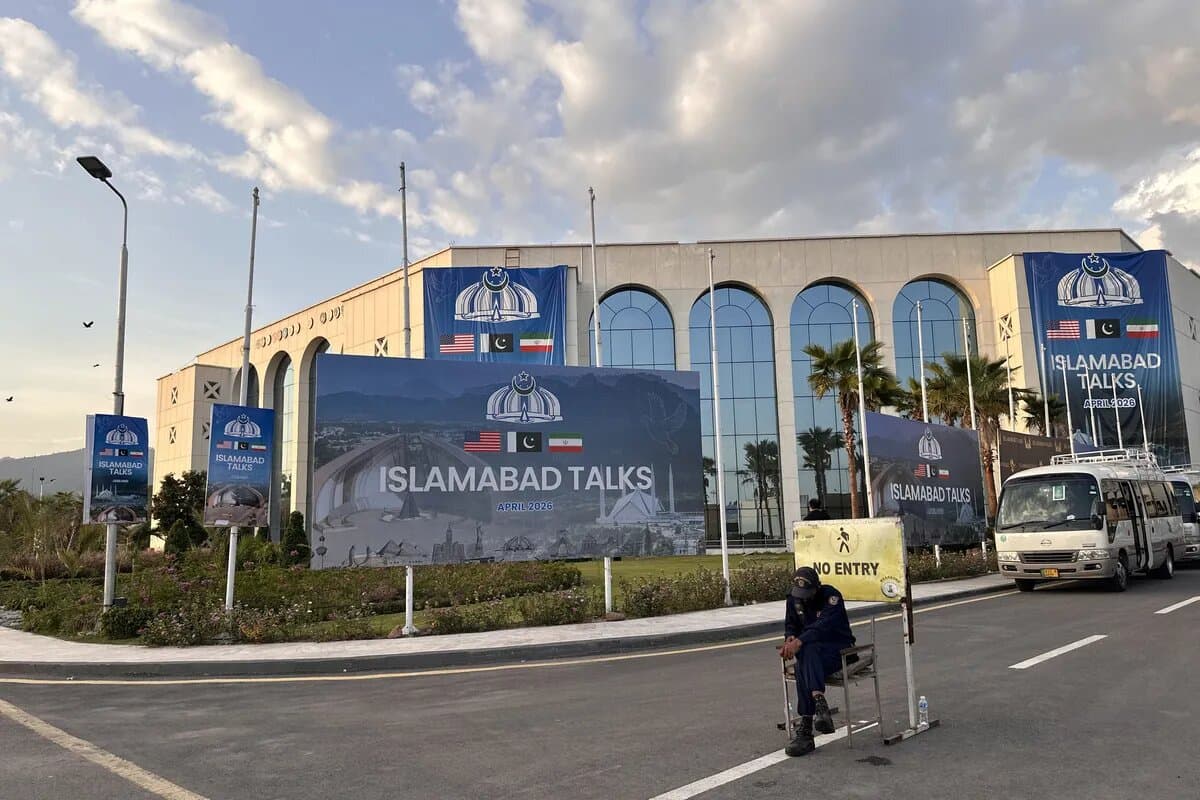
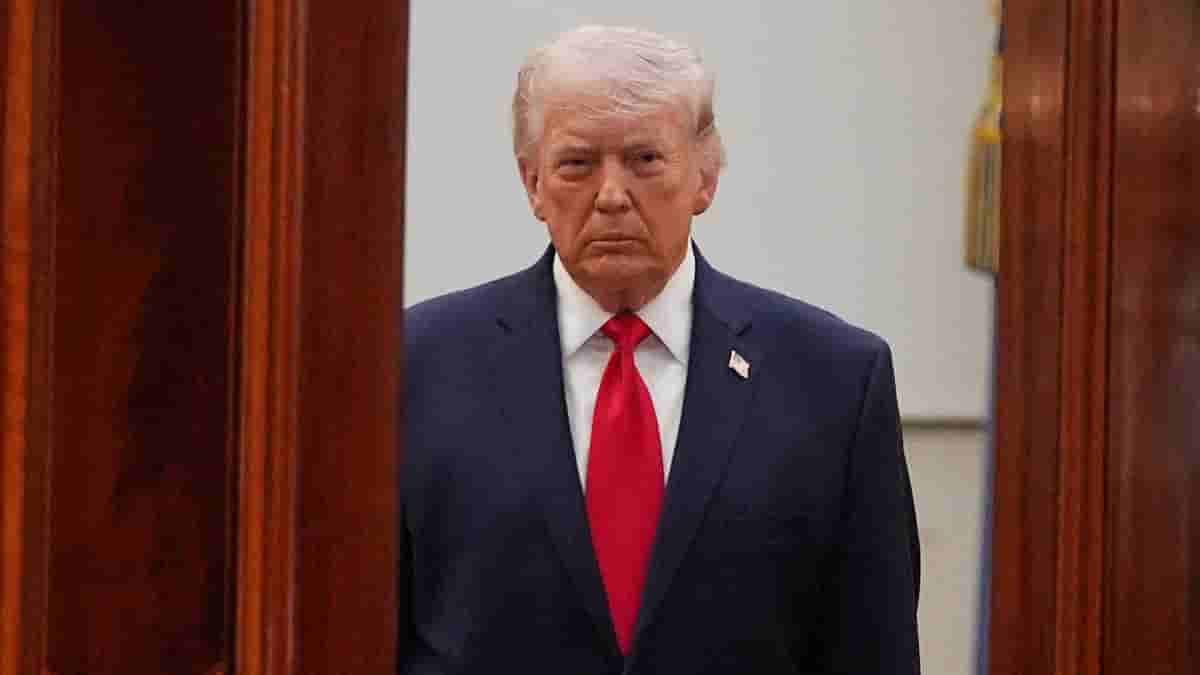
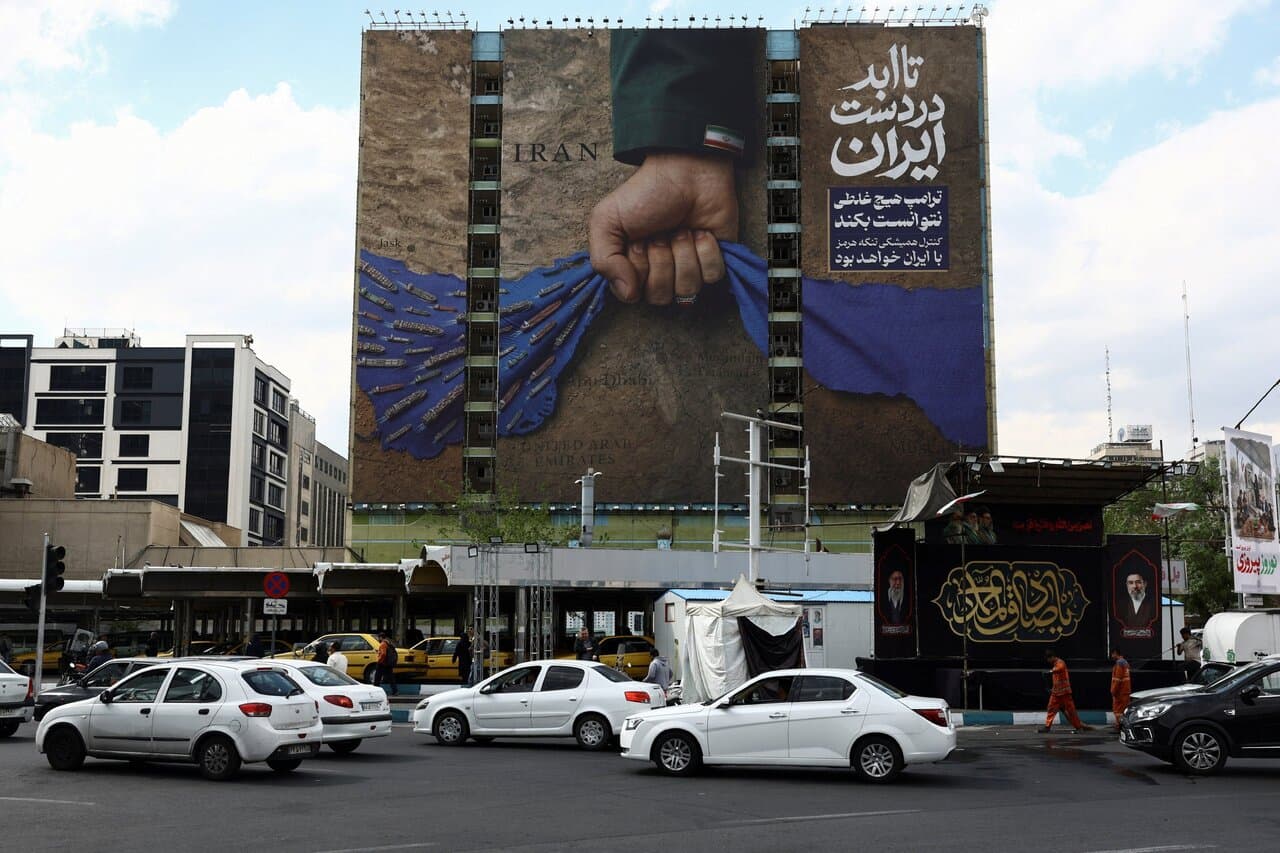
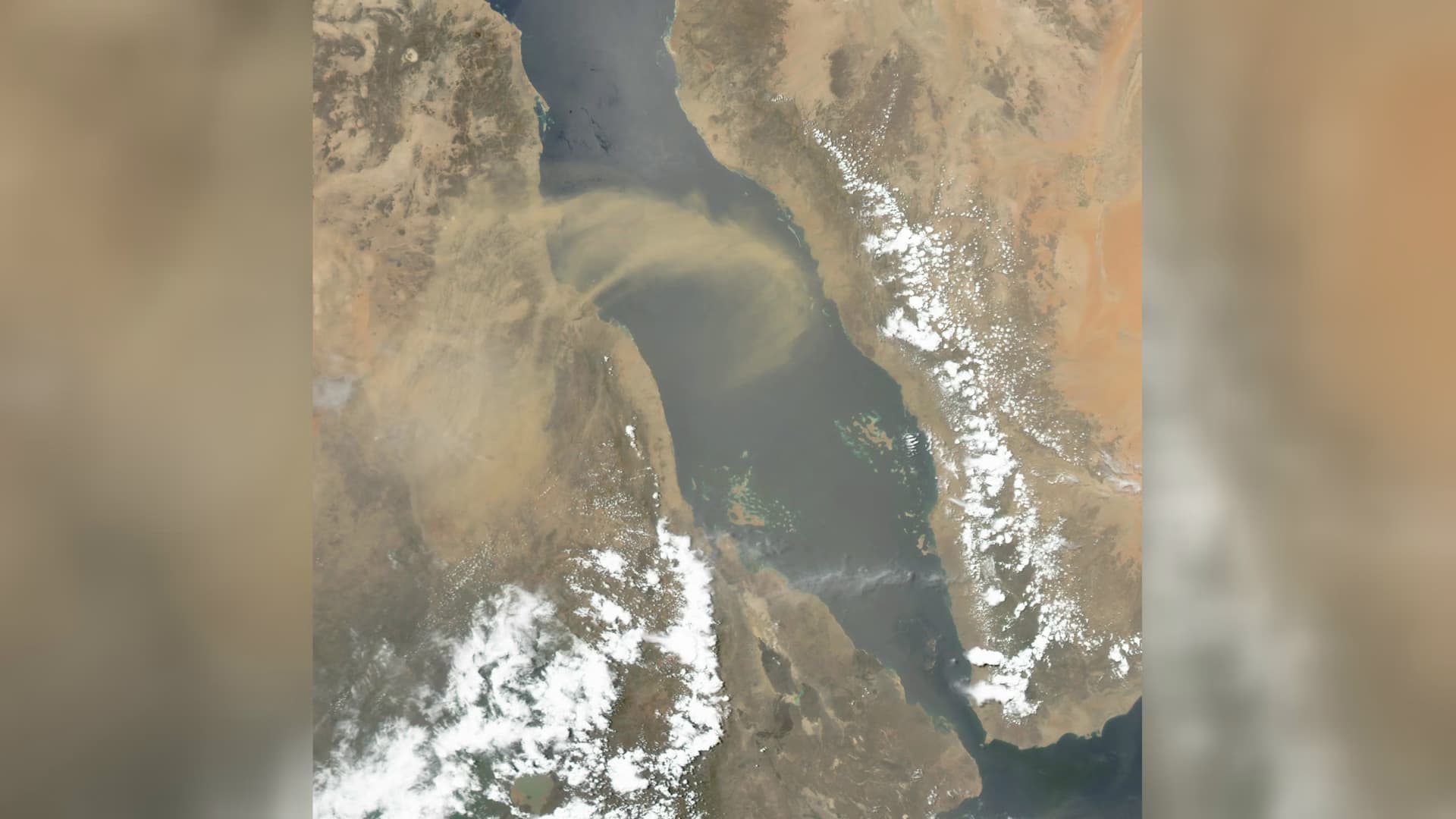
Tensions Persist in US-Iran Ceasefire: Naval Blockade and Closure of the Strait of Hormuz
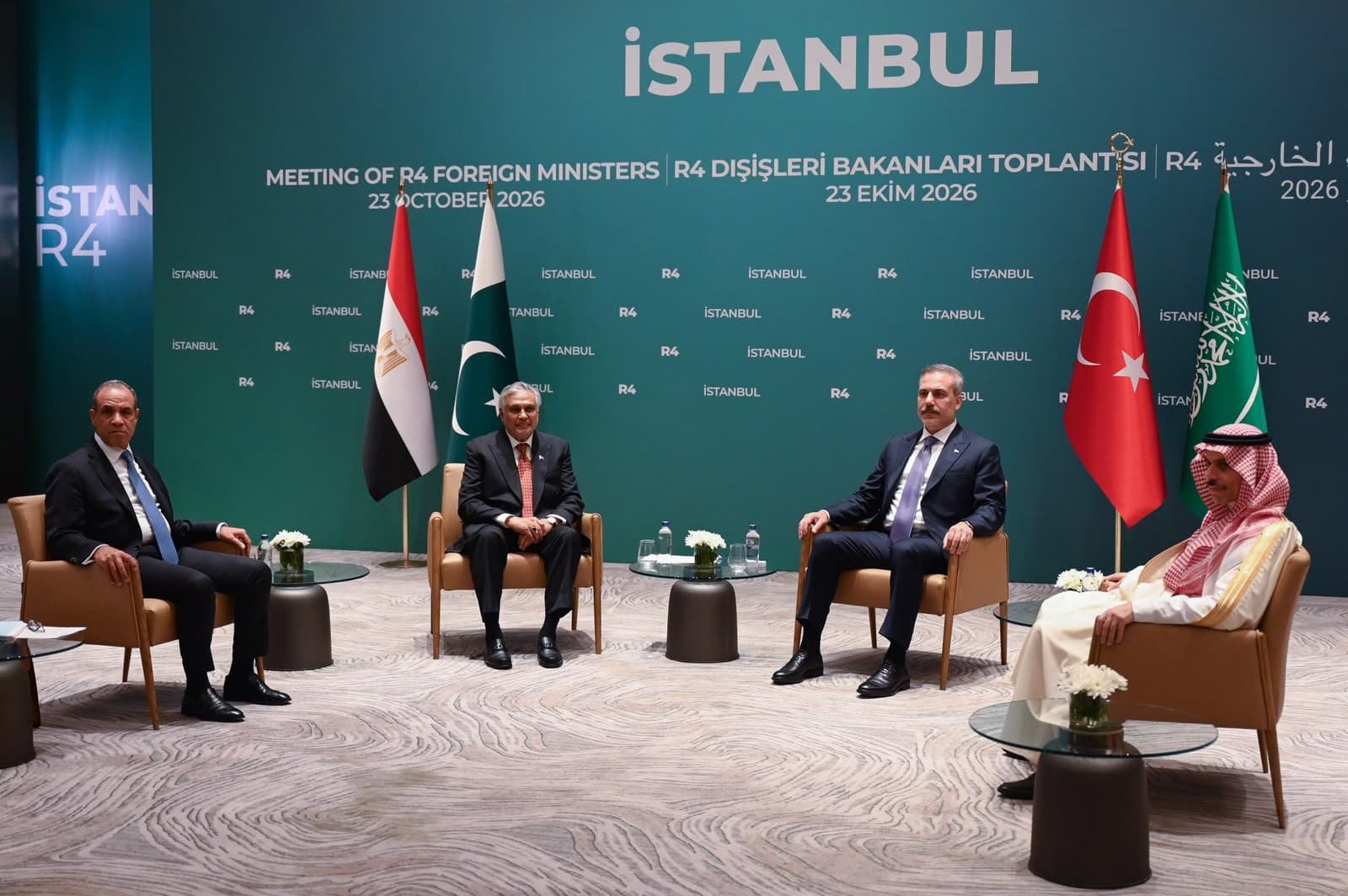
The ceasefire declared after the US-Iran conflict that began in February 2026 has turned into a tense process with mutual violations. While the US naval blockade and Iran's decision to close the Strait of Hormuz escalate tensions, negotiations mediated by Pakistan have remained inconclusive.
Stay Updated with Hilal Times
Subscribe to be informed about special news, developments and announcements. We will keep you informed.
By signing up, you agree to our Privacy Policy