- BIST10011,117-0.92%
- USD49.63+0.05%
- EUR55.70+0.05%
- GOLD4,010.50-1.23%
- INTEREST36.00%-1.00
- BITCOIN81,703+0.48%
- October 23, 202616°
- BIST10011,117-0.92%
- USD49.63+0.05%
- EUR55.70+0.05%
- GOLD4,010.50-1.23%
- INTEREST36.00%-1.00
- BITCOIN81,703+0.48%
- October 23, 202616°
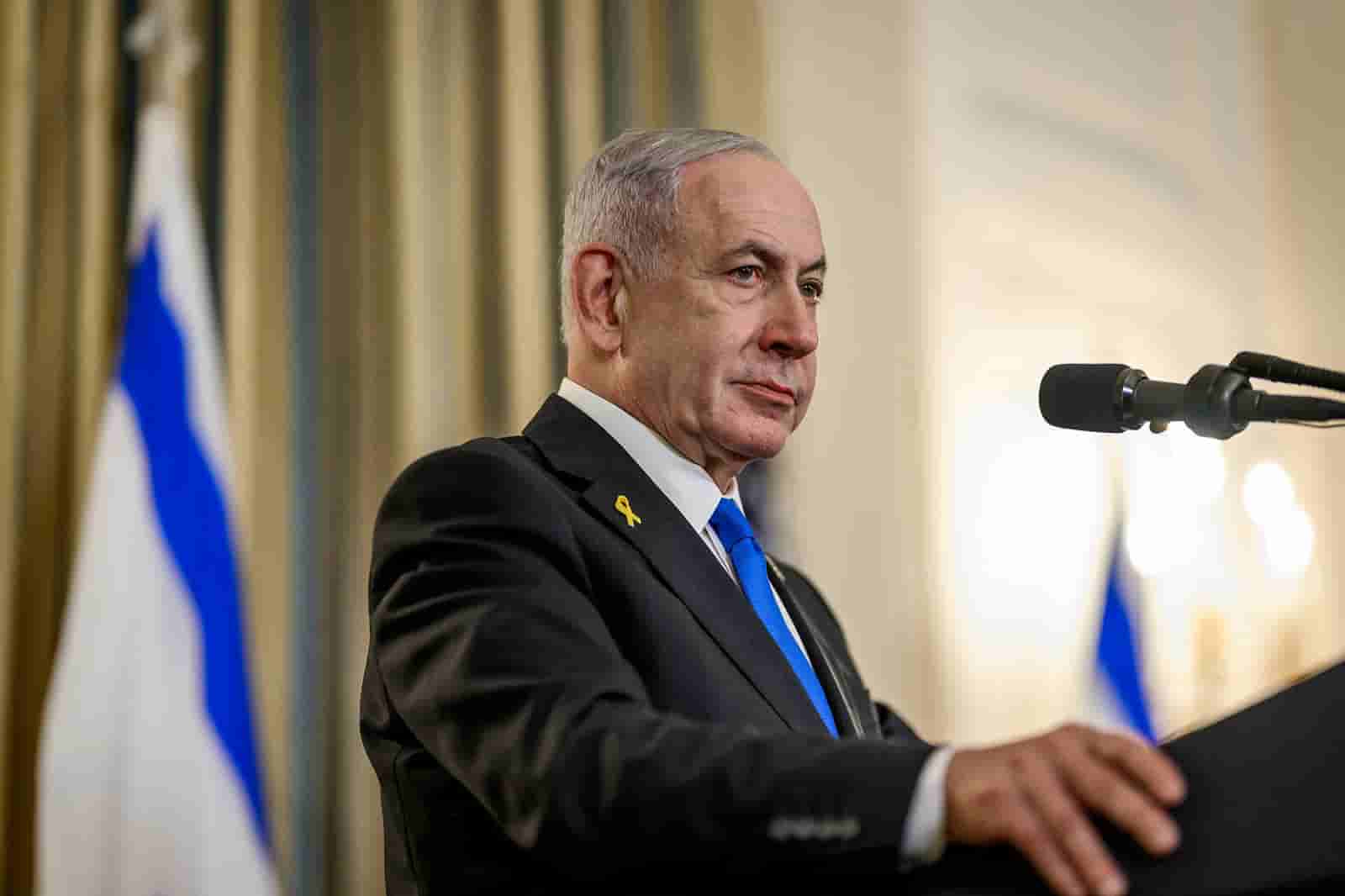
Lebanon PM Salam says state holds authority over war and peace
Lebanese Prime Minister Nawaf Salam said the state has no partner in decisions on war and peace, and that only official institutions should have the authority to carry weapons. Salam announced progress on a project with Qatar to resolve the electricity crisis.


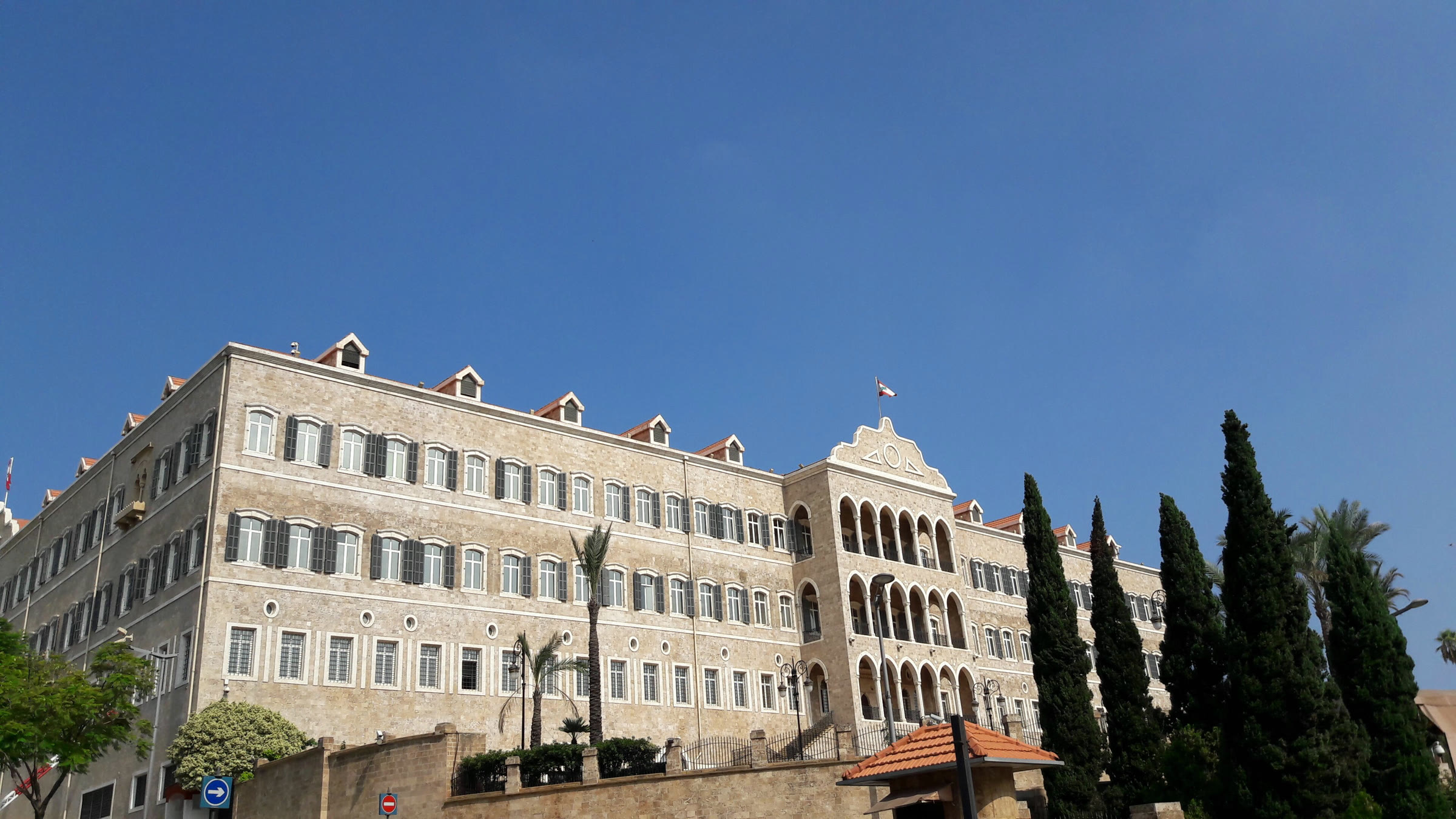
Lebanese Prime Minister Nawaf Salam said the decision on war and peace falls under the state’s authority during a Cabinet meeting at the Baabda Presidential Palace. Salam said placing weapons under state control formed the foundation of Lebanon’s establishment, constitution and laws, adding that there was no other partner on the matter.
Salam said the principle was also included in the 1989 Taif Agreement, United Nations Security Council Resolution 1701 and the agreement on the cessation of hostilities adopted in November 2024.
Weapons authority limited to official institutions
Salam said the authority to carry weapons in Lebanon belongs to the army, Internal Security Forces, General Security, State Security, customs units and municipal police. He said the arrangement was included in the agreement on the cessation of hostilities adopted by the previous government. The prime minister said his government had also reaffirmed the same approach in its ministerial statement and subsequent decisions.
Salam recalled that the government had previously asked the Lebanese army to prepare an implementation plan for placing weapons under state control. He said the Cabinet welcomed the plan in September 2025 and announced that the need to complete its implementation across all regions of Lebanon had been reaffirmed in March 2026.
The prime minister said no one had the authority to reassess the matter and that the Cabinet was the sole decision-making body. Salam said storing or carrying weapons outside official authorities violated laws and government decisions, posed a risk to public security and threatened citizens’ safety.
Salam also said security monitoring and judicial investigations should be conducted into these practices and that those responsible should face the penalties prescribed by law.
Hezbollah retains its weapons
Hezbollah retains its weapons and describes itself as a resistance movement against Israel, saying that Israel occupies some areas in southern Lebanon.
According to Lebanese authorities, more than 4,300 people have been killed, 12,400 injured and more than 1 million displaced in Israel’s attacks on Lebanon since March 2.
Progress on electricity project with Qatar
Prime Minister Salam also announced during the Cabinet meeting that significant progress had been made in talks with Qatar to resolve Lebanon’s electricity crisis. He said Qatar’s proposal covered the restructuring, development and modernization of electricity-generation infrastructure.
Salam said the project would be carried out under a design, build, operate and transfer model, adding that the Qatari side would assume responsibility for financing, implementation and operation. He said the Lebanese treasury would not initially bear the investment cost.
Salam said the project would be submitted to the Cabinet once the technical details were finalized, adding that he planned to hold a special government meeting on the electricity issue within the next two weeks.
Qatari Prime Minister Mohammed bin Abdulrahman announced in Beirut on October 16 that a comprehensive framework for cooperation with Lebanon in the energy sector had been established. The framework includes supporting Lebanon’s economic stability and a large-scale investment project to address chronic power cuts.
Source: Anadolu Ajansı
Have a story, event or announcement of your own?Send us your news on WhatsApp
Spotted an error in this story?Report it on WhatsApp
Share on all social platforms
Sponsored Ads
Featured Listings
Loading featured properties...
Stay Updated with Hilal Times
Subscribe to be informed about special news, developments and announcements. We will keep you informed.
By signing up, you agree to our Privacy Policy