- BIST10011,523-0.47%
- USD49.60+0.05%
- EUR55.68+0.11%
- GOLD4,099.90-1.21%
- INTEREST37.00%-1.00
- BITCOIN81,734-2.73%
- October 22, 202620°
- BIST10011,523-0.47%
- USD49.60+0.05%
- EUR55.68+0.11%
- GOLD4,099.90-1.21%
- INTEREST37.00%-1.00
- BITCOIN81,734-2.73%
- October 22, 202620°
The Influence of Iran-Backed Militias in Iraq is Increasing
During the 2026 US-Iran war, the influence of Iran-backed militias in Iraq significantly increased. Tensions and protests in Baghdad deeply affected the militias' position within the state and the political balance.
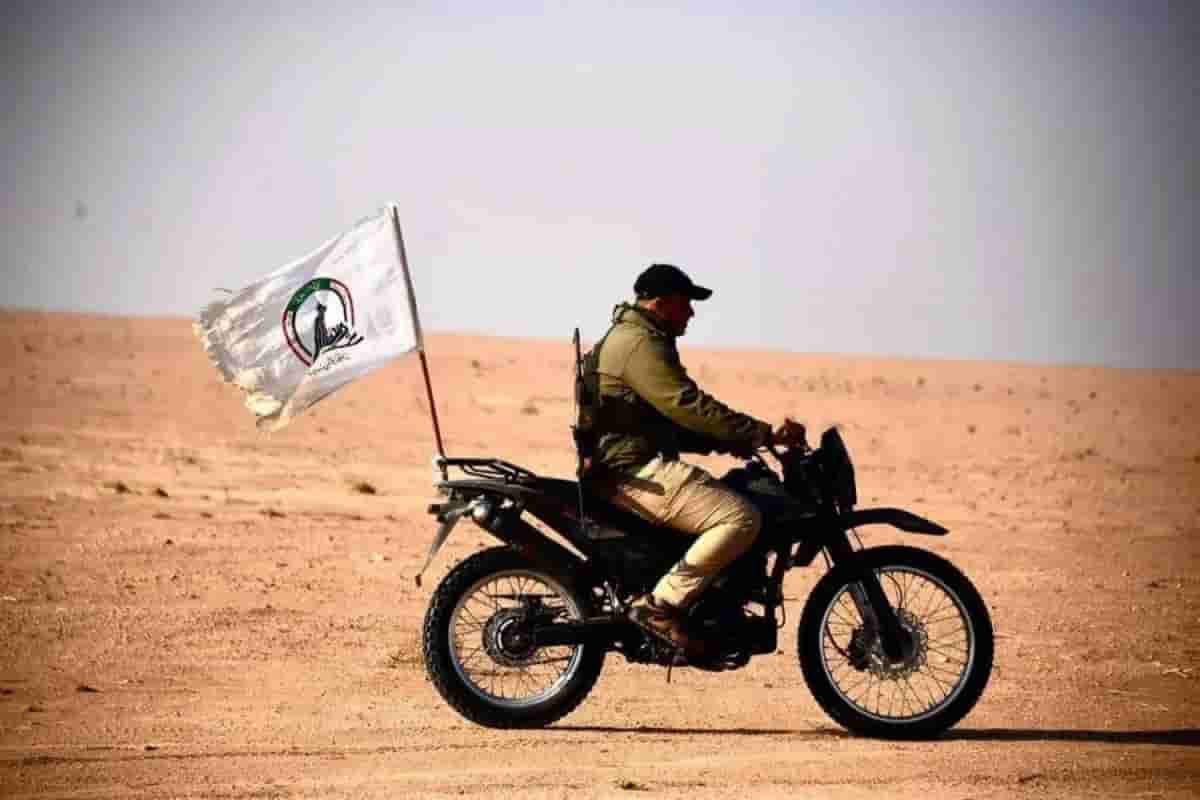
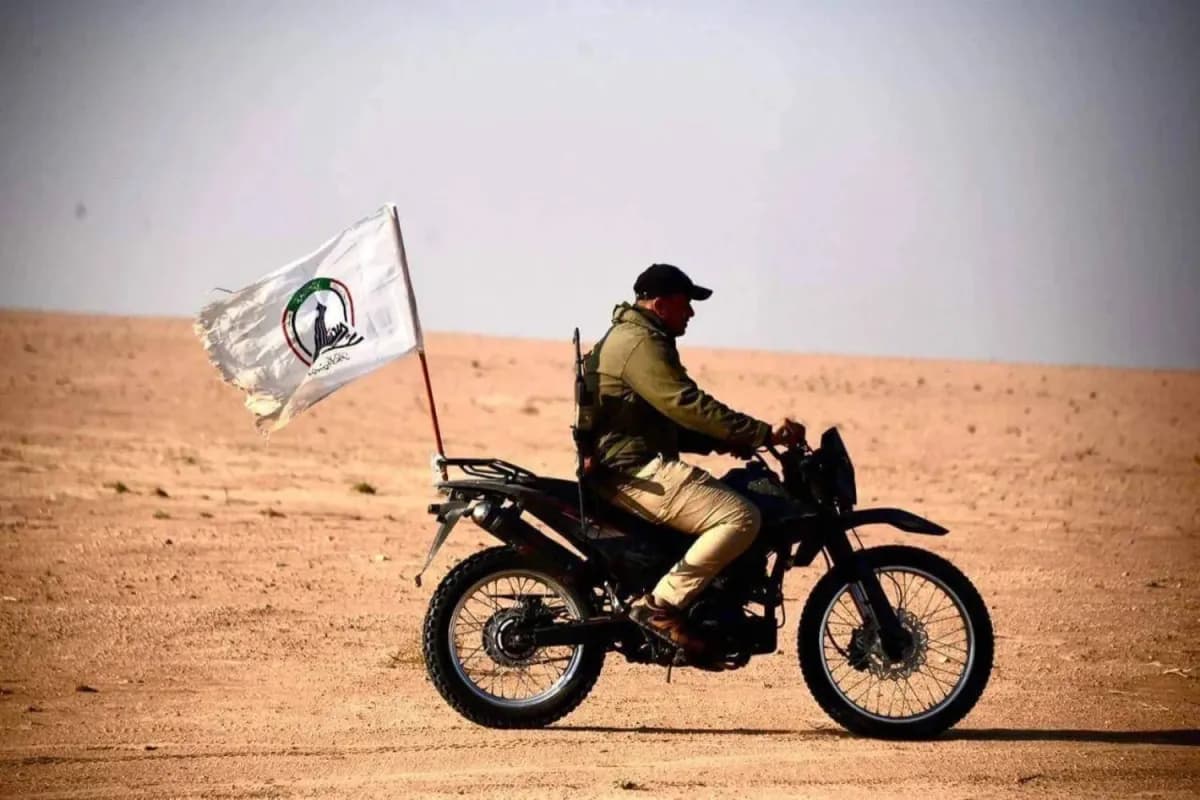
In 2026, the war between the US and Iran highlighted the increasing influence of Iran-backed militias in Iraq. Developments in Baghdad just before and after the war led to significant changes in the country's political structure and security environment.
In the early days of the war, the news of the death of Iranian leader Ali Khamenei caused deep divisions among different groups in Baghdad. While Iran-backed militias and their supporters held memorial ceremonies for Khamenei, opposing groups responded with anti-US protests. This situation increased political and social tensions in Baghdad.
The position of militias within the state in Iraq became even more pronounced during the war process. Some militia leaders operated closely with state institutions, while others continued to act independently by maintaining their armed forces. This is considered part of Iran's influence strategy in Iraq.
In the post-war period, anti-Iran voices and protests were suppressed with various pressures. Some activists and opponents were detained, and campaigns of threats and intimidation against opposing views were observed on social media. These developments indicate a shift in Iraq's political balance in favor of Iran.
Although official statements and detailed reports have not yet been finalized, experts predict that the influence of Iran-backed militias in Iraq will continue to increase in the coming period. How the process will unfold will be monitored depending on the stance of the Iraqi government and international actors.
Stay Updated with Hilal Times
Subscribe to be informed about special news, developments and announcements. We will keep you informed.
By signing up, you agree to our Privacy Policy