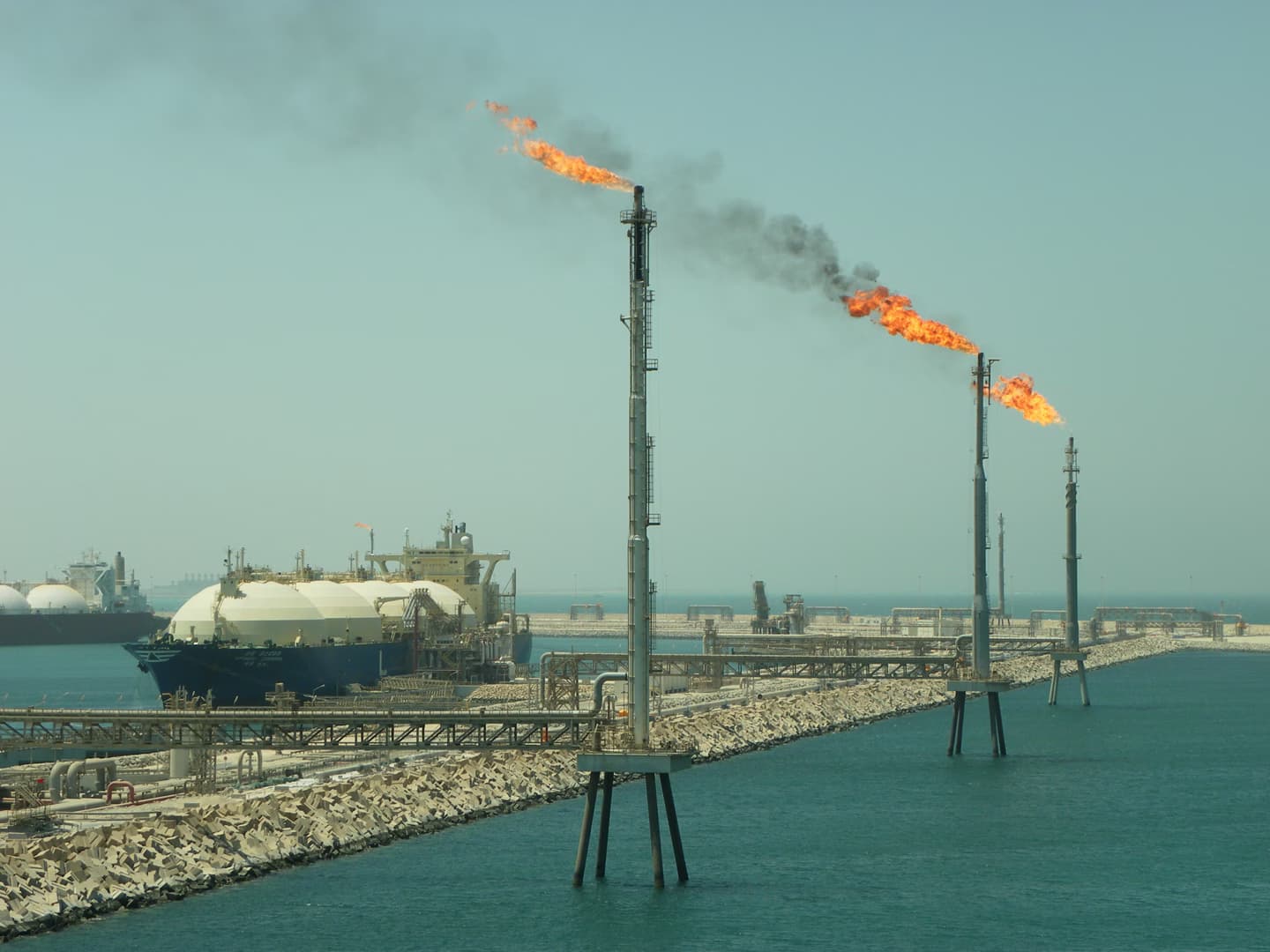
For the first time in months, three oil tankers have passed through the blockade line in the Strait of Hormuz. It was reported that the Iran-linked vessels carried a total of approximately 5 million barrels of crude oil.
According to data from the ship tracking company Kpler, two supertankers named Diona and Hero 2, owned by the National Iranian Tanker Company, departed the area carrying 3.8 million barrels of crude oil. A third Iran-linked tanker also exited the same line on Wednesday, carrying about 1 million barrels of crude oil.
This departure marks the first shipment of this scale around Hormuz in months. The increased activity in maritime traffic has raised expectations regarding the flow of oil in the region.
Expected Geneva Agreement Boosts Market Activity
The US and Iran signed a memorandum of understanding earlier this week aimed at ending nearly four months of conflicts. The parties are expected to formally sign the agreement on Friday in Geneva, Switzerland.
The details of the agreement have not been disclosed publicly. However, the reopening of the Strait of Hormuz and the potential easing of sanctions on Iran’s oil exports are being discussed.
It is also reported that the Washington administration is considering allowing Iran to resume oil and fuel sales in exchange for limiting its nuclear activities. This expectation has already begun to impact tanker traffic.
Shipowners Proceed with Caution
The possibility of an agreement is being closely monitored in the maritime sector, which has faced high freight costs and war risk premiums for months. Some tanker operators have started directing their vessels to Gulf ports to benefit from a potential increase in demand.
On the other hand, a significant portion of the industry is refraining from planning new voyages without seeing the details of the agreement. Insurance companies continue to maintain high war risk premiums and are waiting for concrete signs that the strait has become safe in the long term.
According to maritime intelligence firm Windward, many crude oil tankers are heading toward ports in the United Arab Emirates via the South China Sea and the Indian Ocean.
Kpler’s calculations suggest that after the agreement is officially signed, it is possible for 118 loaded oil tankers waiting in the region to depart within 15 days. Experts, however, believe this may represent a one-time release of accumulated shipments rather than a permanent recovery.