Türkiye and Saudi Arabia aim to raise the total planned capacity of renewable energy projects in Türkiye to 5,000 megawatts. Energy and Natural Resources Minister Alparslan Bayraktar said a new 3,000-megawatt agreement would be signed in Antalya as part of the United Nations Climate Conference, in addition to the previously signed 2,000-megawatt agreement.
Installed electricity capacity reaches 126,000 megawatts
Bayraktar announced that Türkiye’s installed electricity capacity had risen from 32,000 megawatts to 126,000 megawatts over the past 25 years through efforts led by President Recep Tayyip Erdoğan. Bayraktar said approximately 95,000 megawatts of new capacity had been brought online over the past 24 years, adding that Türkiye ranks third in Europe, after France and Germany, in terms of installed electricity capacity, electricity generation and consumption.
Bayraktar also addressed Türkiye’s progress in energy and mining, saying that oil production had tripled, natural gas production had increased ninefold and mineral exports had risen tenfold. He emphasized that the central goal of the “Century of Türkiye” vision was energy independence.
2028 target for Black Sea gas
Bayraktar said that natural gas was available in only five provinces in 2002, whereas all 81 provinces now have access to natural gas. He added that Türkiye is expected to reach its 1,000th settlement supplied with natural gas this year.
Bayraktar said natural gas production in the Black Sea was expected to double this year and quadruple by 2028. He announced that the needs of 17 million households would be met with domestically produced gas from the Black Sea in 2028.
Oil exploration in Gabar and Diyarbakır
Providing information on oil operations in southeastern Türkiye, Bayraktar said daily production at the Gabar field had exceeded 83,000 barrels. He said more than 3,500 people, most of them local residents, were employed in the region, adding that production supported economic activity, employment and development while contributing to a reduction in energy imports.
Bayraktar described Gabar as a small example of what the “Terror-Free Türkiye” vision could bring about.
Bayraktar said work was being carried out in Diyarbakır to explore unconventional oil resources and that the area could have production potential two or three times greater than Gabar. He said exploration was under way across approximately 600 square kilometers in four fields, adding that the broader potential area covered 7,200 square kilometers.
Regional energy routes through Türkiye
Assessing the uncertainty surrounding the Strait of Hormuz crisis, Bayraktar said the developments could create an opportunity to diversify energy routes and accelerate projects that Türkiye had advocated for a long time.
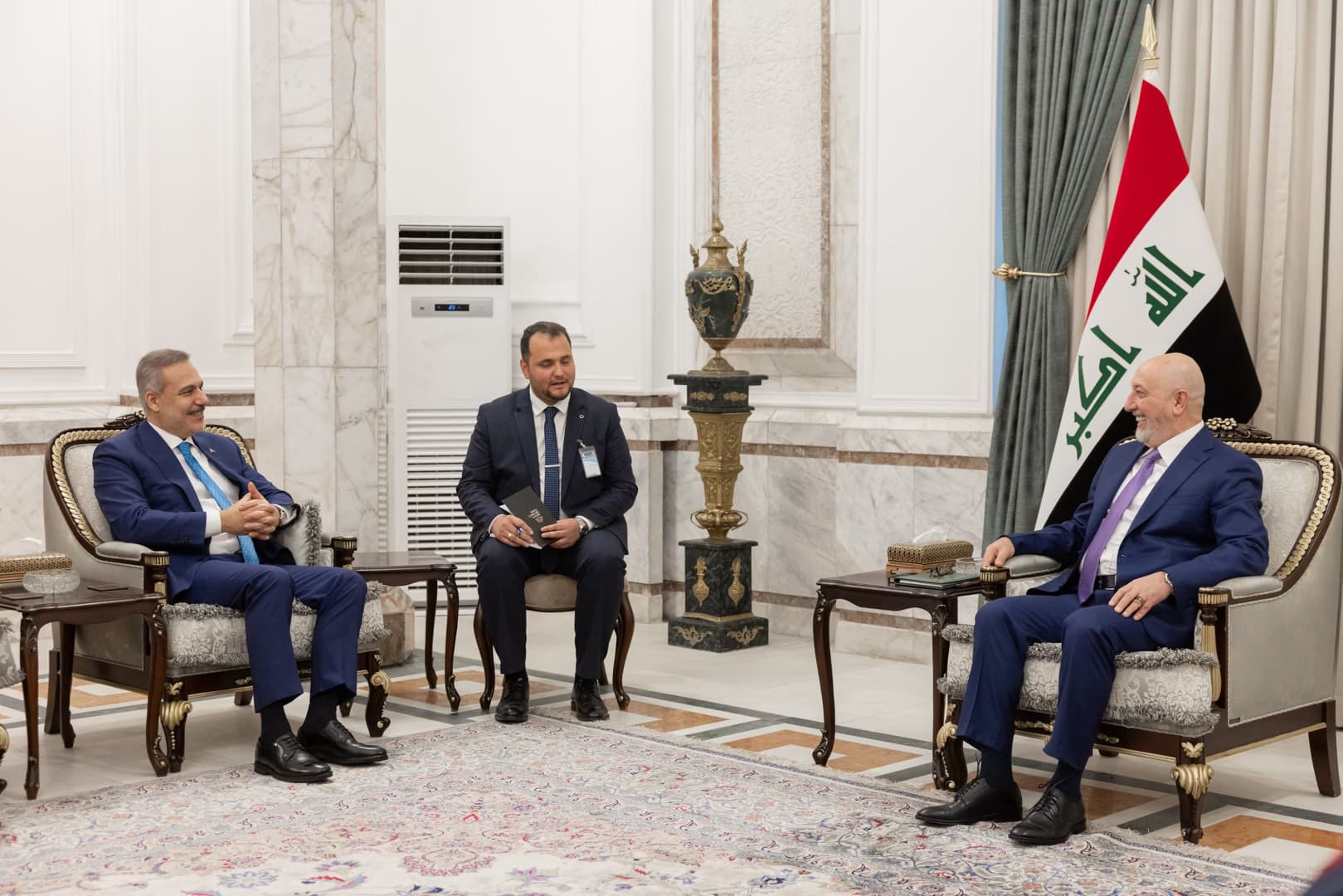
He said talks held during Iraqi Prime Minister Ali Faleh al-Zeidi’s visit to Türkiye included the transportation of a significant portion of Iraqi oil to global markets through Türkiye and the Ceyhan terminal.
Bayraktar announced that routes by which Qatari gas could reach Türkiye through Saudi Arabia, Jordan and Syria, and then Europe, were being assessed. He said the possibility of transporting Kuwaiti oil to Türkiye was also discussed, alongside an alternative route through Iraq and the Development Road Project.
Bayraktar said these projects could help Türkiye, the region and global markets become more balanced and better prepared for future crises. He added that oil and natural gas exploration activities were continuing in onshore and offshore areas in Pakistan.
Bayraktar announced that the seismic research vessel Oruç Reis was expected to travel to Pakistan in September or October. He also said he would visit Pakistan in the coming weeks to discuss partnerships in mining projects.
Ridvan Sezer | Editor-in-Chief