- BIST10011,843+1.51%
- USD50.28+0.05%
- EUR55.60-0.24%
- GOLD3,886.30+0.03%
- INTEREST36.00%-1.00
- BITCOIN64,591+0.73%
- November 15, 202612°
- BIST10011,843+1.51%
- USD50.28+0.05%
- EUR55.60-0.24%
- GOLD3,886.30+0.03%
- INTEREST36.00%-1.00
- BITCOIN64,591+0.73%
- November 15, 202612°
Uganda renews trust in Türkiye’s Yapı Merkezi for Malaba–Kampala railway
Ugandan Defence Forces Commander Gen. Muhoozi Kainerugaba, acting on President Yoweri Museveni’s instructions, approved Türkiye’s Yapı Merkezi for the first phase of the standard-gauge railway and ordered government departments to accelerate implementation. The 272-kilometre line is covered by a contract worth about €2.7 billion.
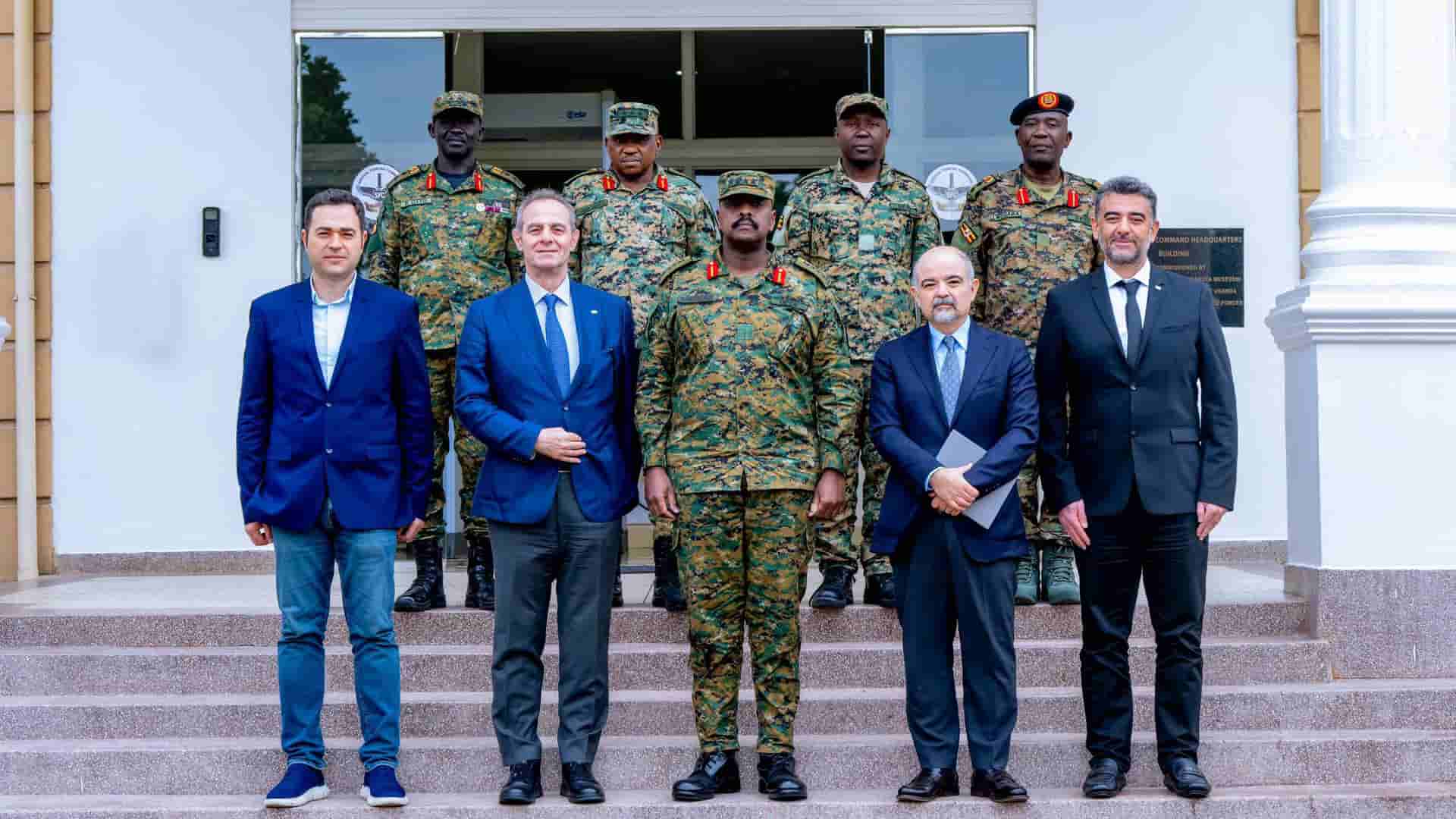
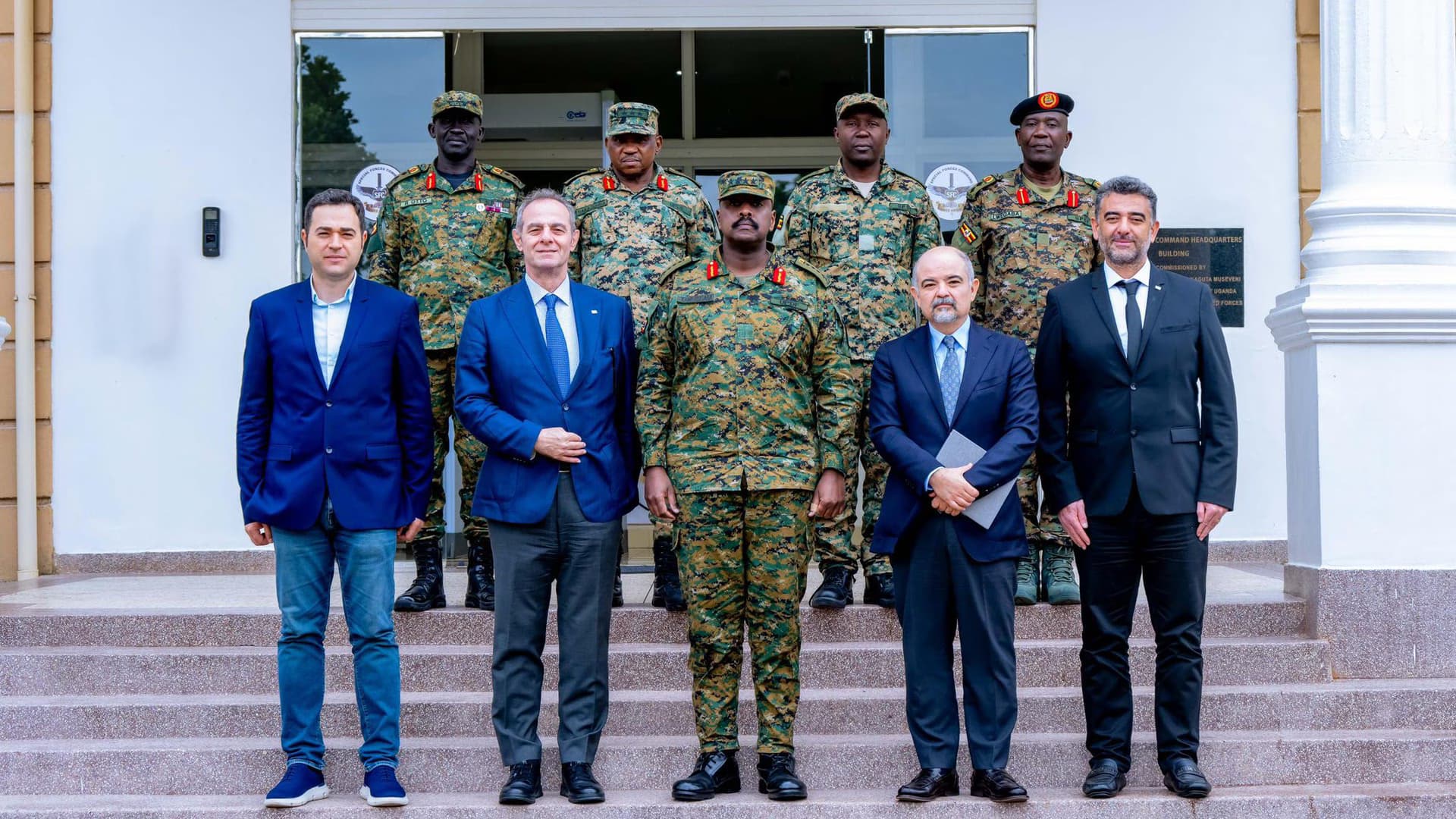
Uganda has given fresh impetus to the standard-gauge railway project being carried out by Türkiye’s Yapı Merkezi after Defence Forces Commander Gen. Muhoozi Kainerugaba approved the company’s takeover of the first phase of the line running from Malaba on the Kenyan border to the capital, Kampala.
Kainerugaba, President Yoweri Museveni’s son, said in an announcement on Friday, 6 November: “On the guidance and instructions of Mzee Museveni, I approve the Turkish company Yapı Merkezi to implement the first phase of the standard-gauge railway from Malaba to Kampala.” He added: “All government departments are directed to implement this instruction quickly.”
Uganda Radio Network described the move as renewed government support for the Turkish company, following months of uncertainty over the project’s course.
272 kilometres towards Mombasa port
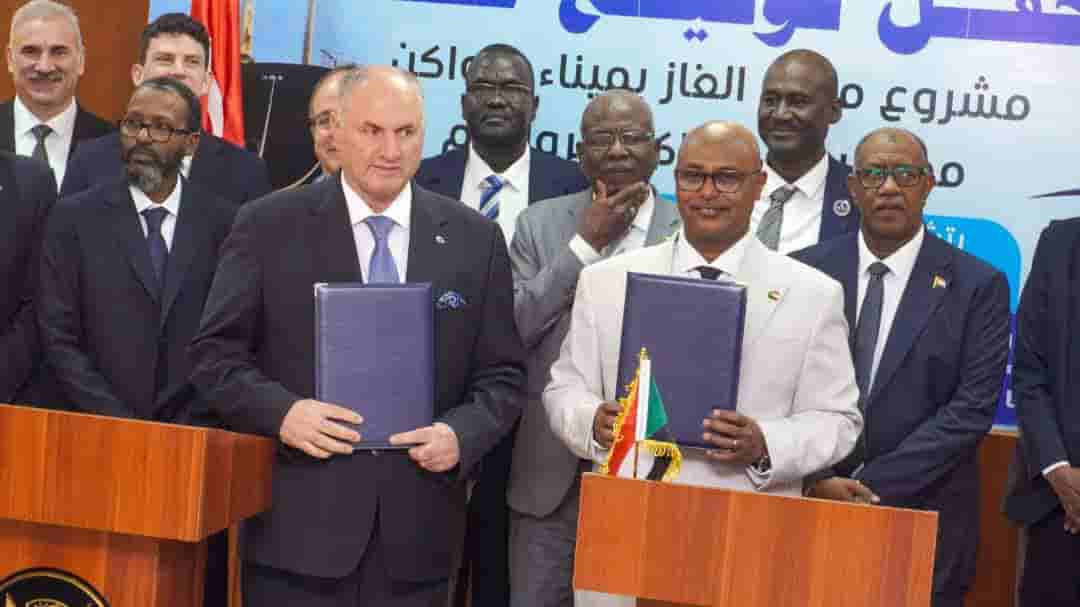
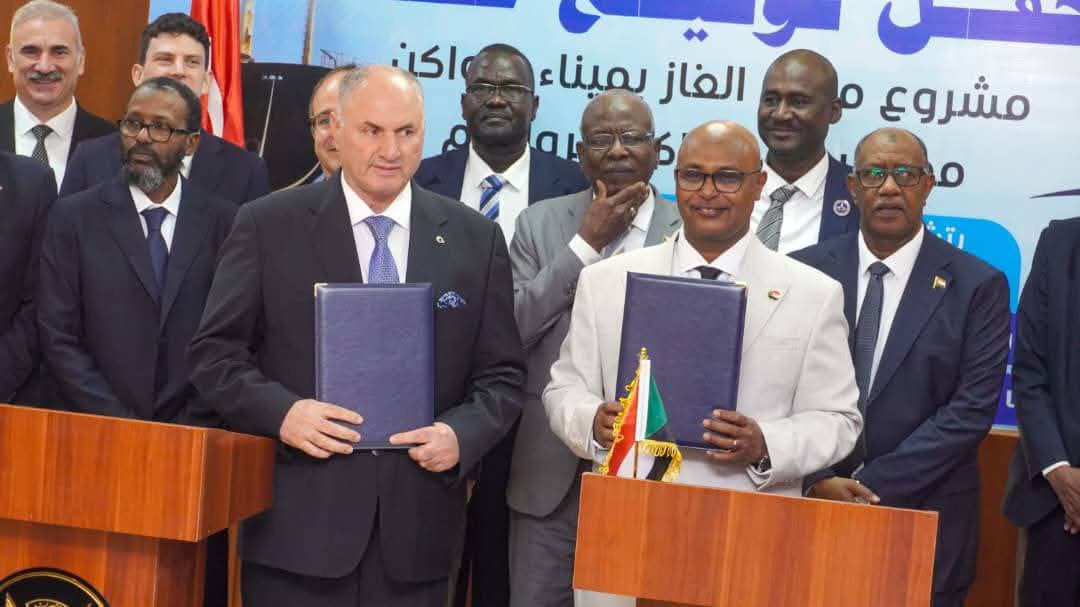
The Ugandan government signed the contract with Yapı Merkezi on 14 October 2024 for about €2.7 billion, equivalent to approximately 10.8 trillion Ugandan shillings. The contract was signed on behalf of the Ministry of Works and Transport by its permanent secretary, Waiswa Bageya, and on behalf of the company by its deputy chairman, Erdem Arioglu. President Museveni then launched construction in the city of Tororo on 21 November 2024, with implementation scheduled to take 48 months.
The line will connect landlocked Uganda to Kenya’s standard-gauge railway network and extend to the port of Mombasa, providing an alternative to road freight transport. It is the first phase of a planned 1,724-kilometre network that will include lines towards South Sudan, the Democratic Republic of the Congo and Rwanda.
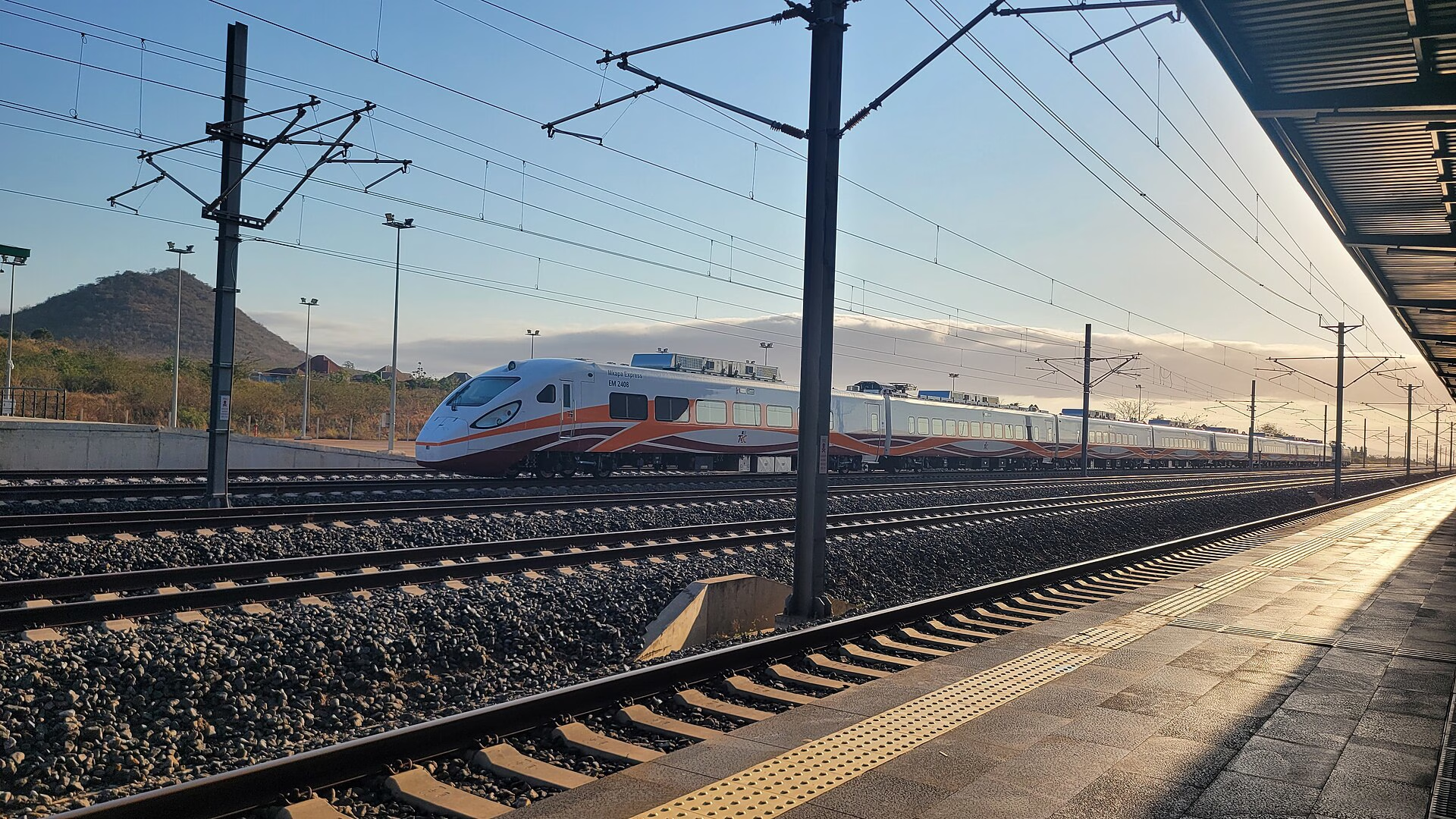
The Turkish company has experience in East Africa, having built large sections of the standard-gauge railway in neighbouring Tanzania, including the line between Dar es Salaam and Dodoma, which is currently used by electric trains.
Islamic financing and technical progress
Last June, the Islamic Development Bank approved €650.75 million in financing for the line, the largest financing the bank has approved for a single project in Uganda, according to New Vision. The financing covers the 553-metre Nile Bridge in Jinja, the 2.12-kilometre Mbuya–Kampala tunnel and six stations. The government has pledged to complete the project’s financial close by November 2026.
State Minister for Works and Transport Fred Byamukama also told Parliament that technical proposals had been submitted for signalling, train control and communications systems, including the European Train Control System.
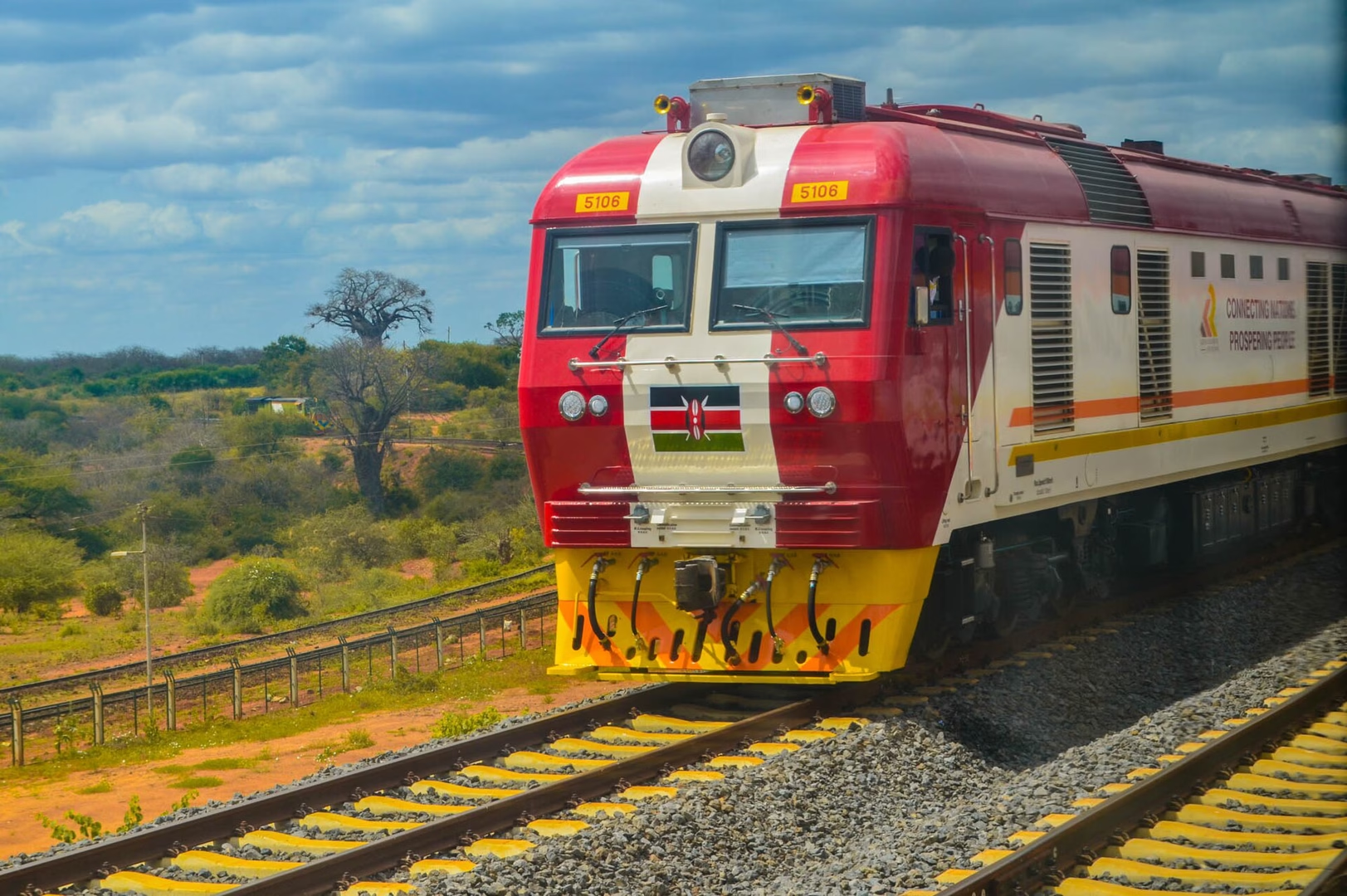
The project’s full regional benefits depend on the completion of the adjoining sections in Kenya, whose standard-gauge line currently connects the port of Mombasa with the capital, Nairobi.
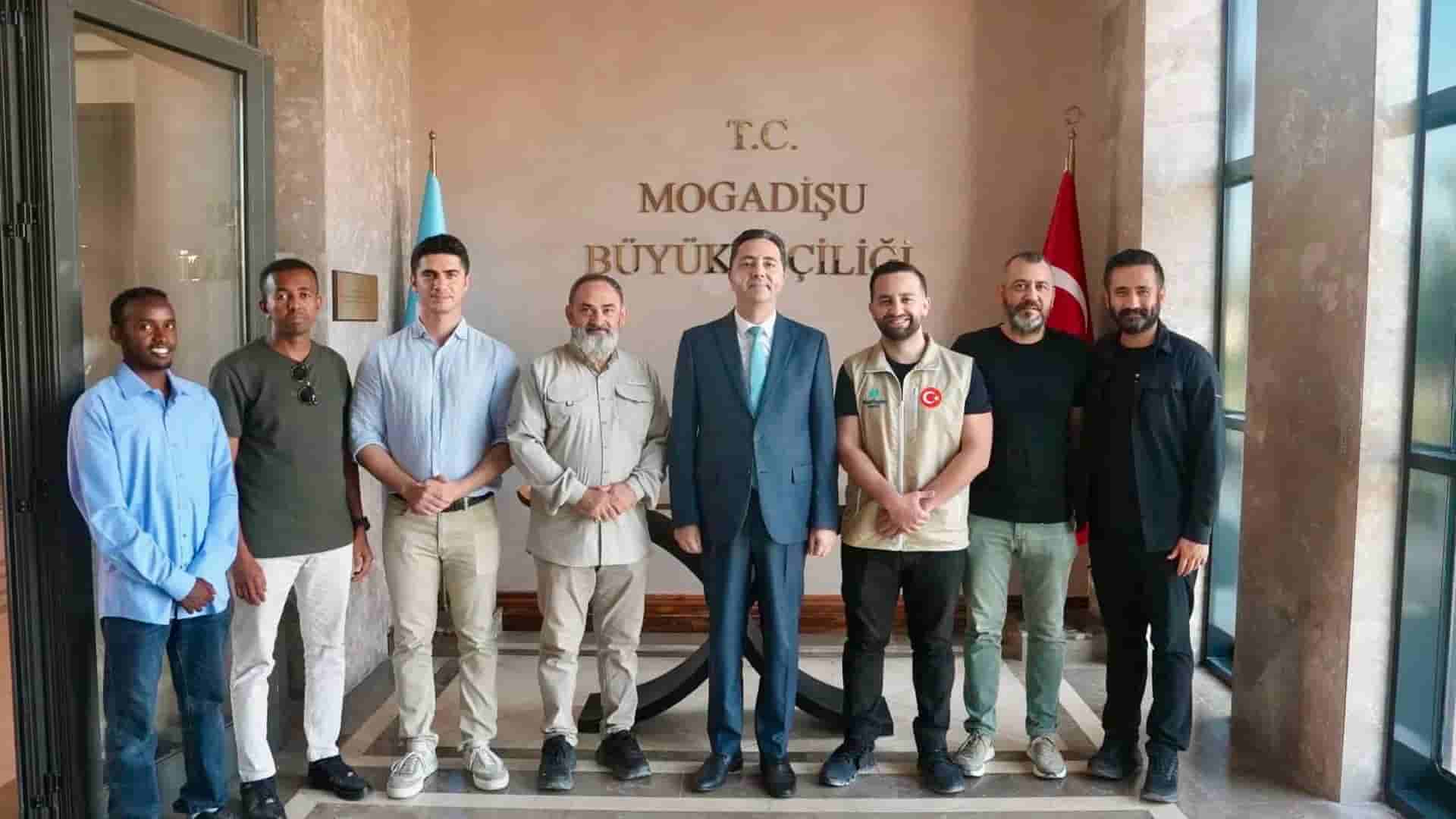
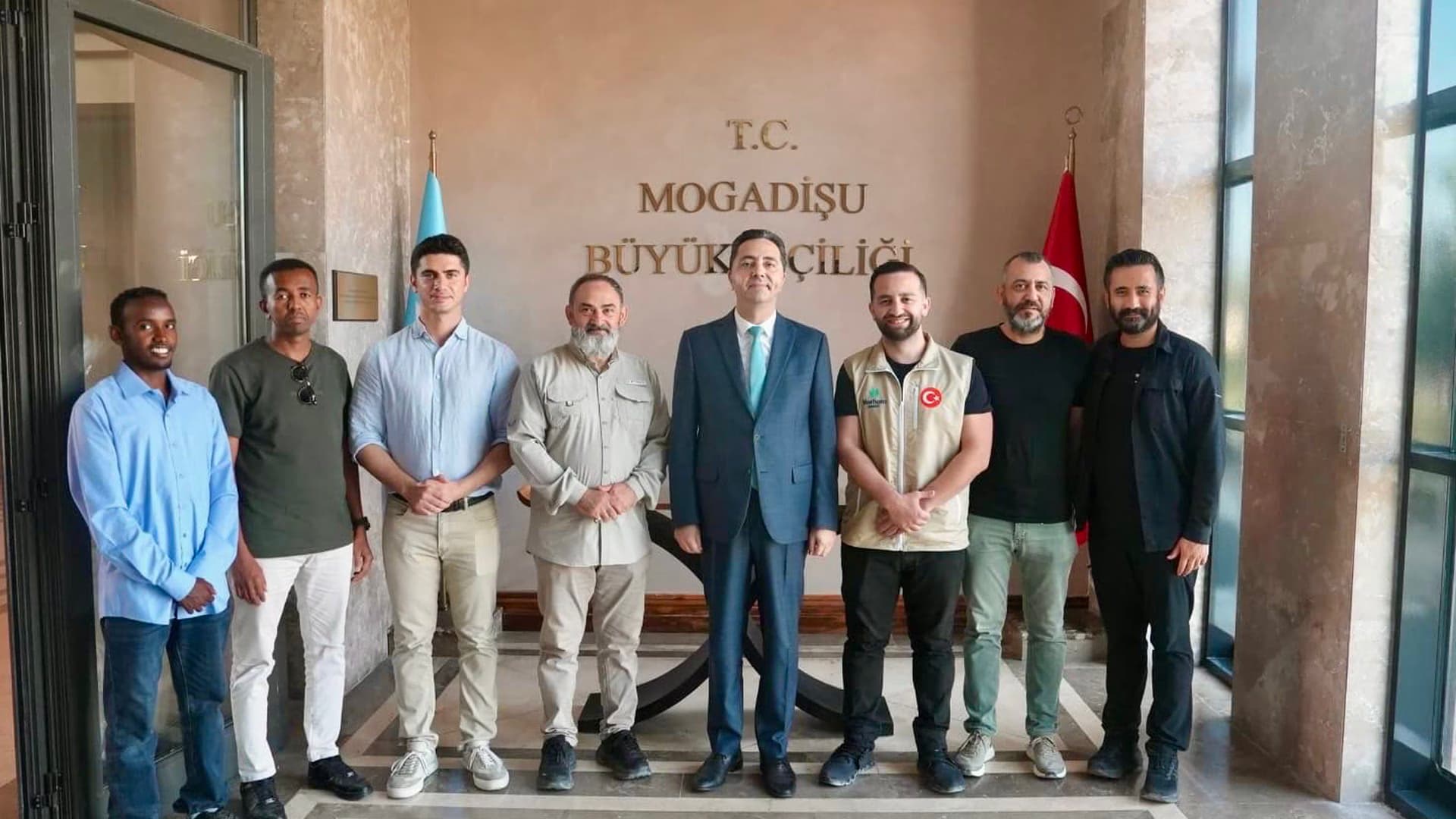
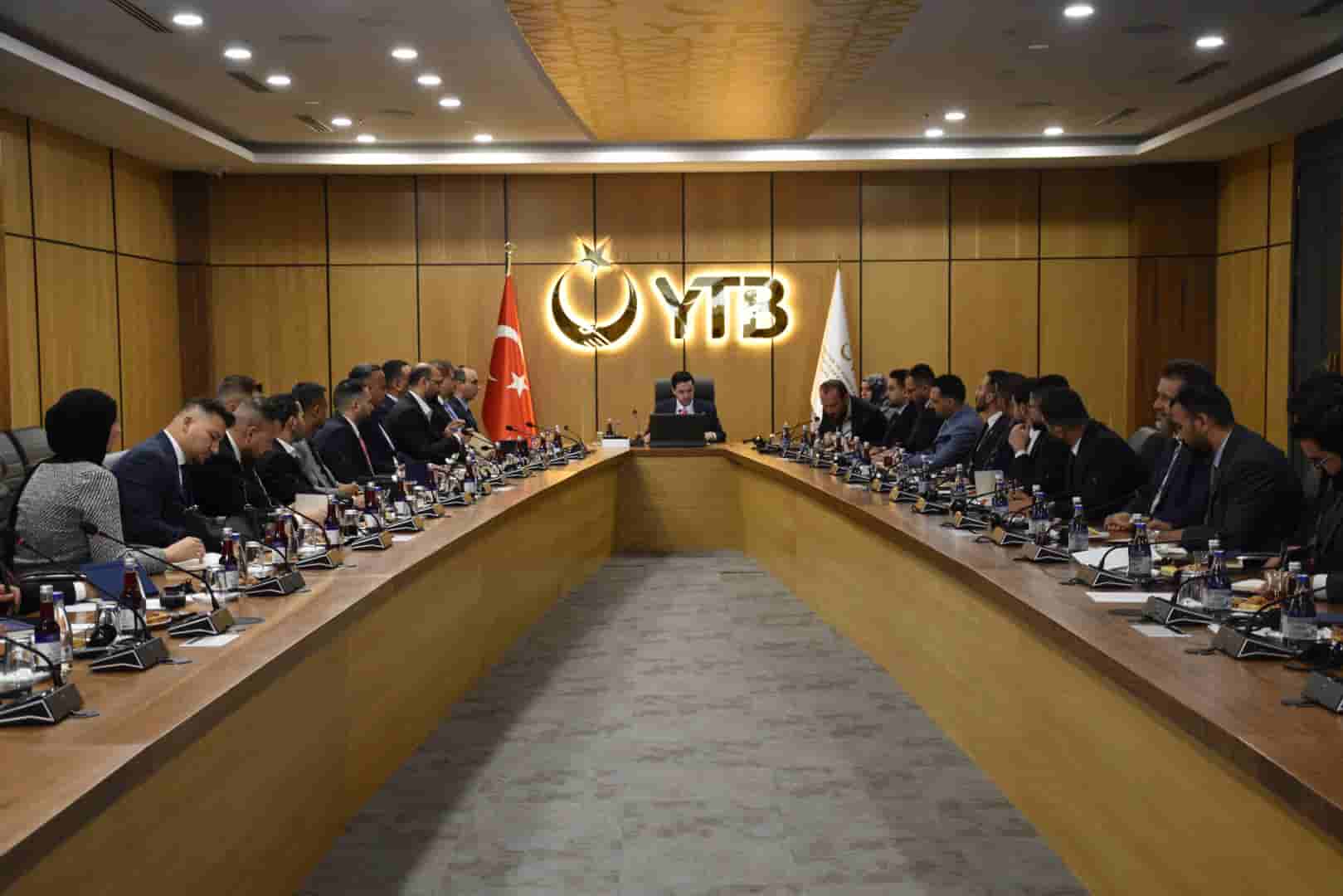
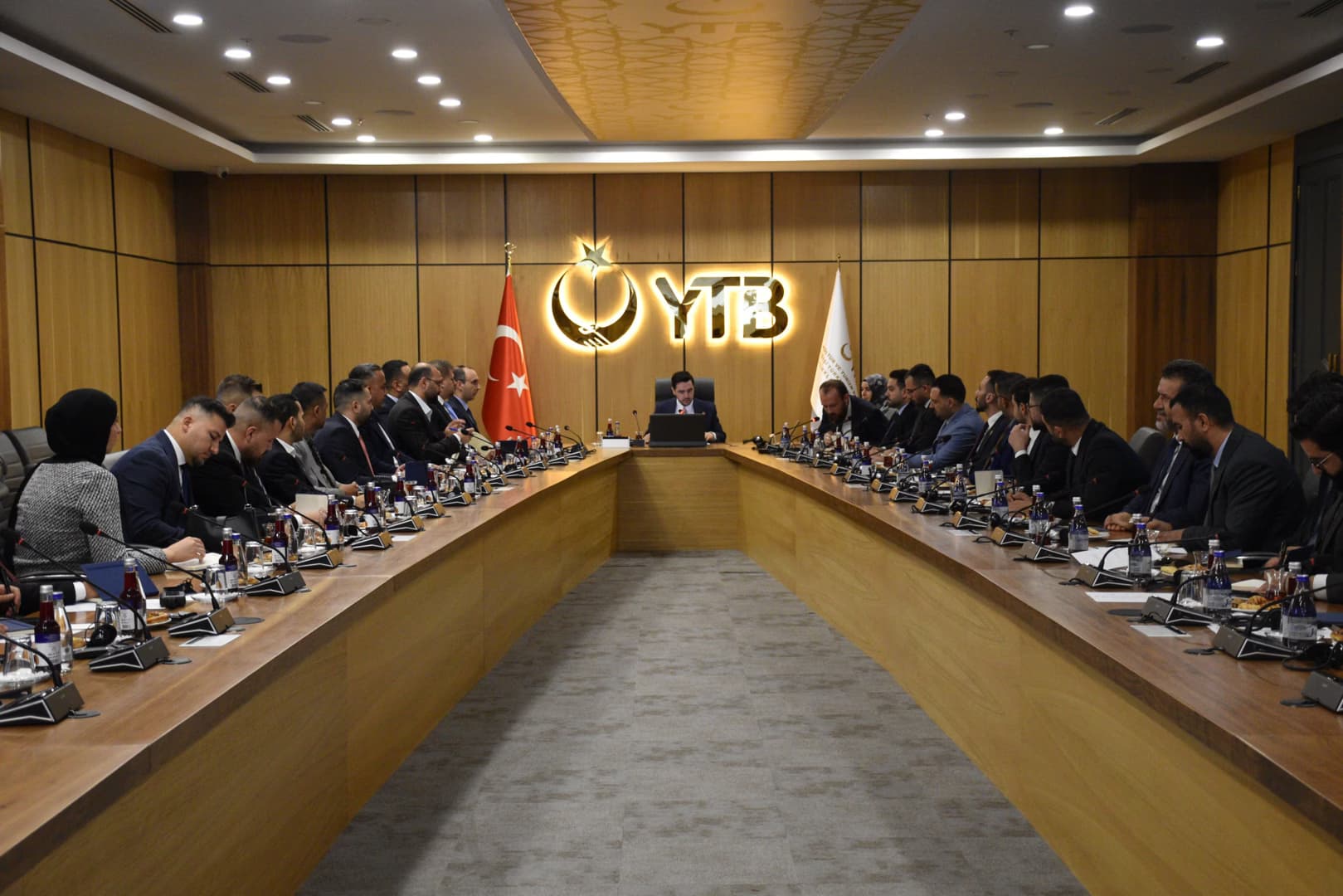
In December 2025, Kainerugaba received a Yapı Merkezi delegation led by board member Sami Özge Arioglu at the Special Forces headquarters to discuss the project’s timelines and the Mbuya tunnel, which passes through military land.
Photos: Office of the Ugandan Defence Forces Commander (December 2025), Robert E Mawere (CC BY 4.0) and Erasmus Kamugisha (CC BY-SA 4.0) via Wikimedia Commons
Stay Updated with Hilal Times
Subscribe to be informed about special news, developments and announcements. We will keep you informed.
By signing up, you agree to our Privacy Policy