- BIST10011,843+1.51%
- USD50.28+0.05%
- EUR55.60-0.24%
- GOLD3,886.30+0.03%
- INTEREST36.00%-1.00
- BITCOIN64,591+0.73%
- November 15, 202612°
- BIST10011,843+1.51%
- USD50.28+0.05%
- EUR55.60-0.24%
- GOLD3,886.30+0.03%
- INTEREST36.00%-1.00
- BITCOIN64,591+0.73%
- November 15, 202612°
Death toll from migrant boat bound for Canaries off Senegal rises to 42
New bodies were washed ashore in the Saint-Louis region, raising the death toll from the migrant boat that set out for Europe and sank off Lompoul to 42. On the other side of the Atlantic route, the Spanish government declared a migration emergency in the Canary Islands.
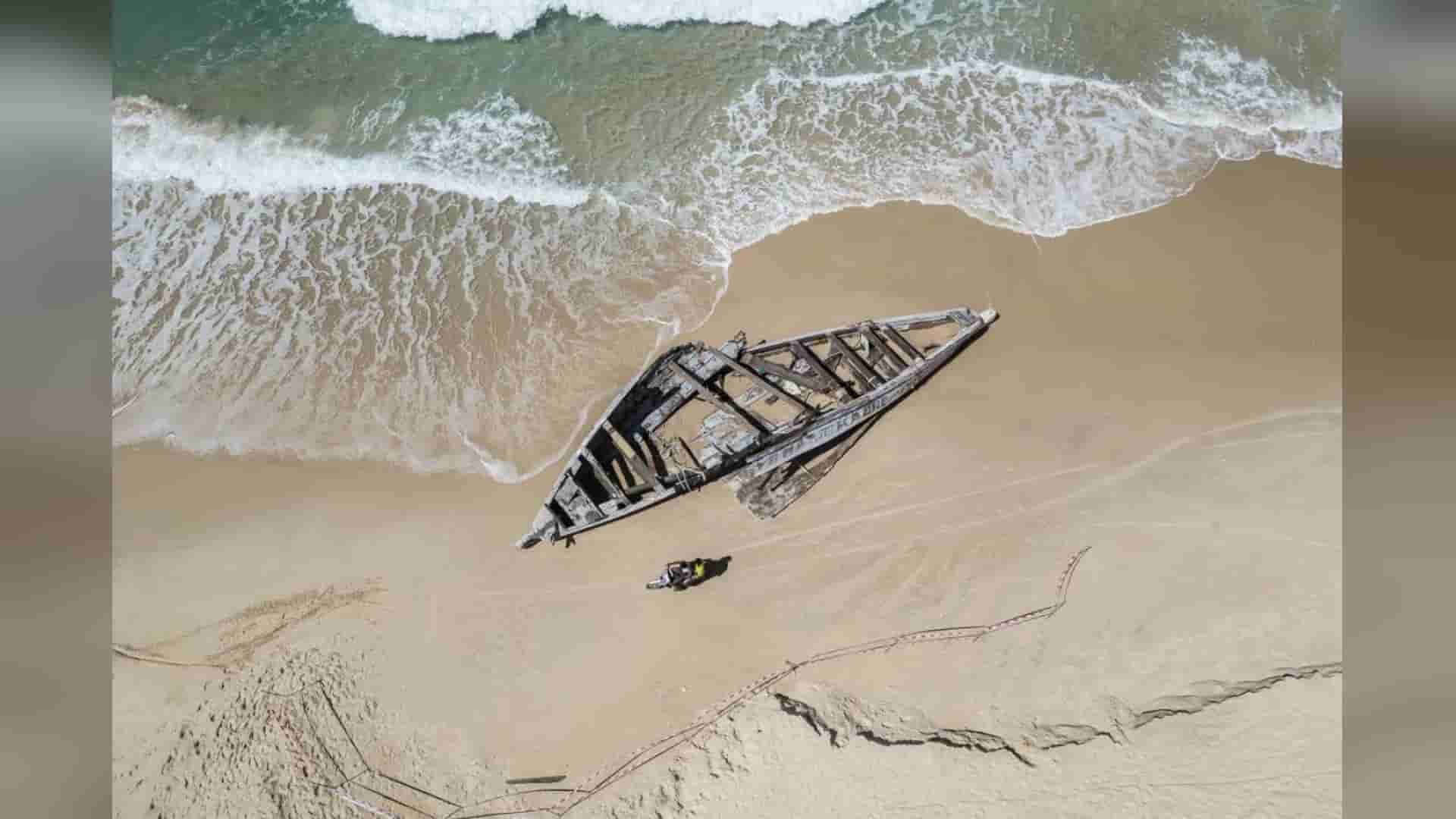
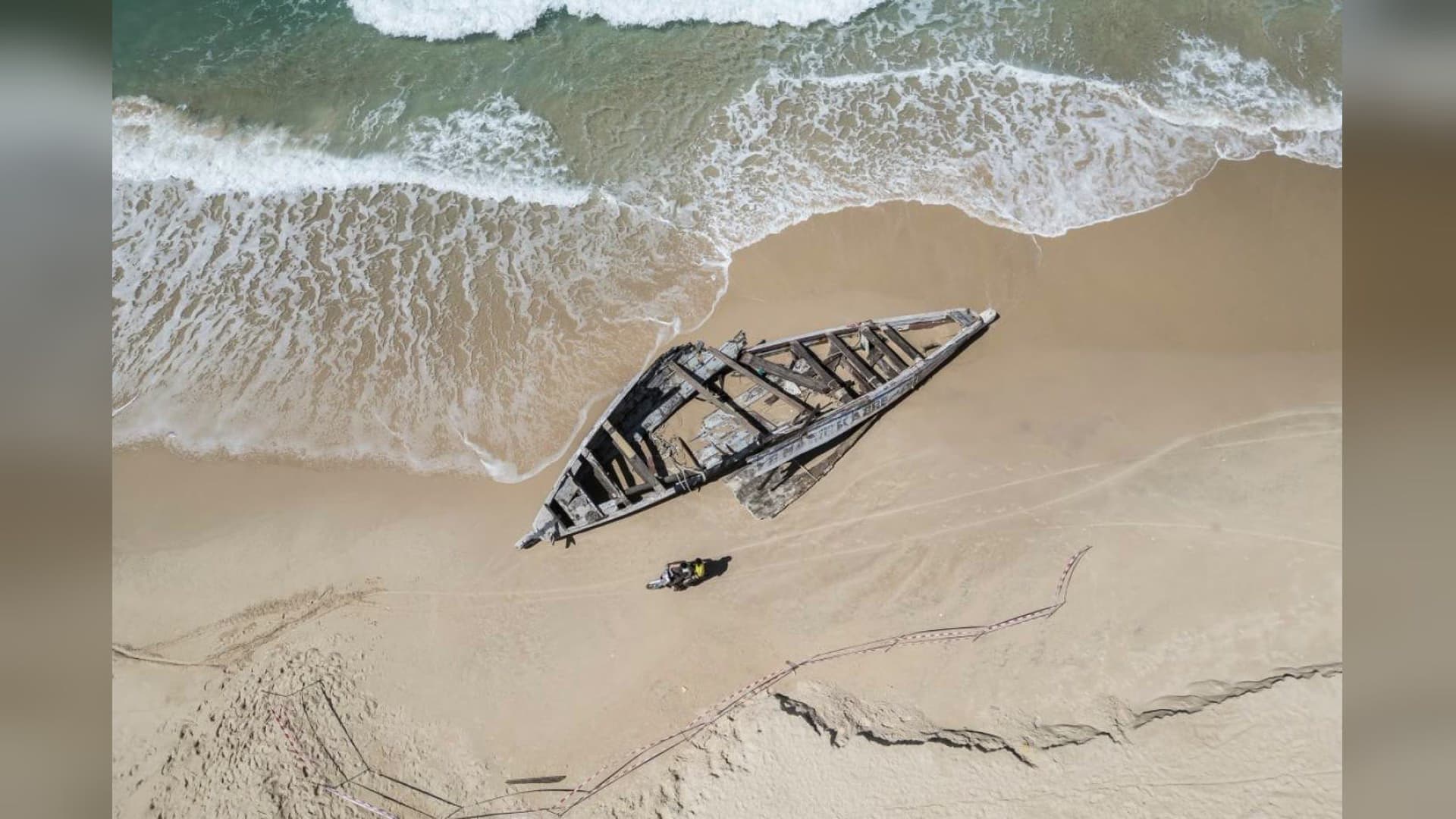
The death toll from the migrant boat that sank off Senegal’s northwestern coast has risen to 42 after new bodies were found washed ashore at a beach in the town of Gandiole, in the Saint-Louis region. The boat, a traditional fishing vessel known as a pirogue, was carrying migrants attempting to reach Europe via Spain’s Canary Islands.
Amadou Fall, the region’s fire service commander, told Agence France-Presse on Wednesday that the toll had reached “43 victims, including 42 bodies and one survivor.” He confirmed that search operations were continuing and that an emergency medical and psychological unit had been dispatched to support response teams and the victims’ families.
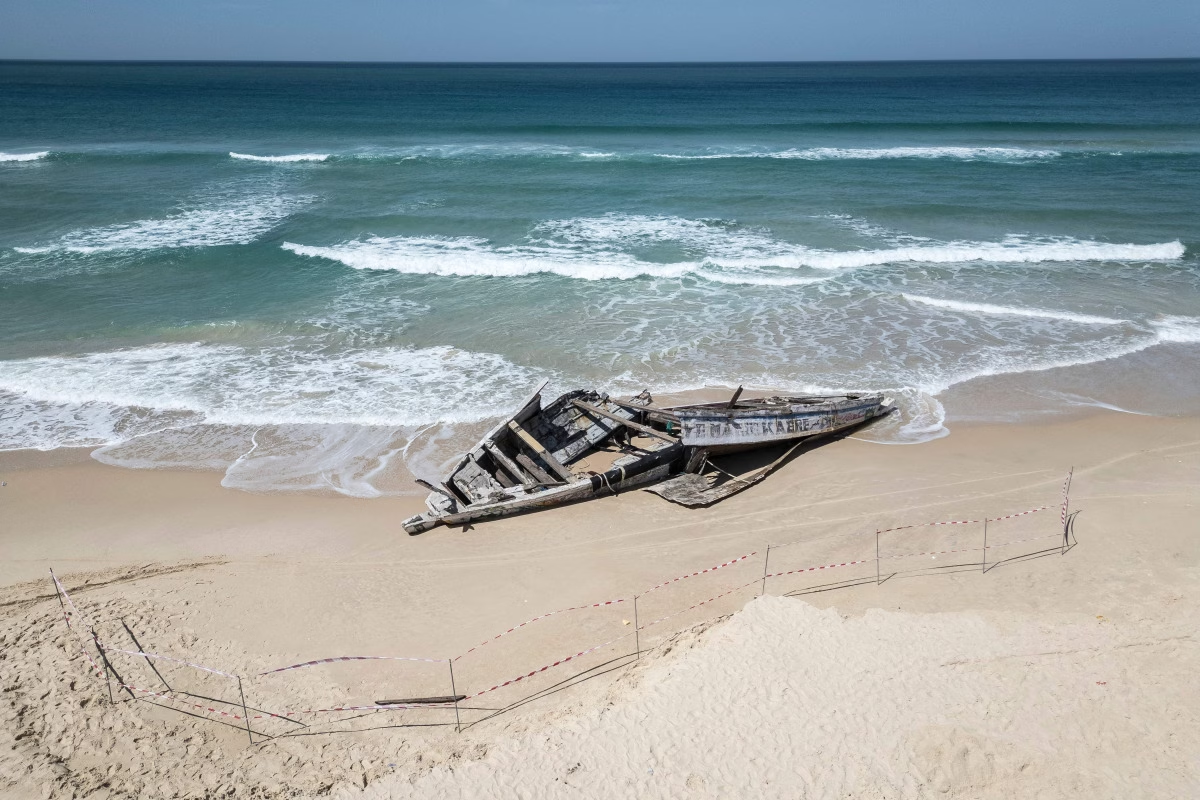
The boat sank on Friday, November 6, off Lompoul in the Louga region. Most of the victims came from the villages of Tiep and Pouto. The agency’s journalists saw the battered boat, split in two, on a deserted beach near Tiep.
“More than 150 people on board”
The sole survivor told InfoMigrants that the overcrowded boat struck a sandbank while returning toward the shore after being spotted by the navy, and that some passengers jumped into the water believing they had reached land. He estimated that at least 150 people were on board, most of them young men.
Louga Governor Ndeye Ngénar Mbodj said Monday that 23 bodies had been identified and handed over to their families. Interior Minister Mouhamadou Makhtar Cissé visited the affected villages, pledging support for the families and tougher measures against smuggling networks.
The Senegalese navy said it had intercepted more than 1,500 migrants at sea or near the coast over a two-week period, including 759 people aboard four boats on Tuesday alone. The Mauritanian coast guard also said it had rescued more than 130 Senegalese migrants whose boat, bound for Europe, had run out of fuel and provisions.
Migration emergency in the Canary Islands
On the other side of the Atlantic route, the Spanish government declared a migration emergency in the Canary Islands on November 10. The decision was taken during an extraordinary meeting of the Joint Ministerial Committee on Migration, attended by Canary Islands President Fernando Clavijo.
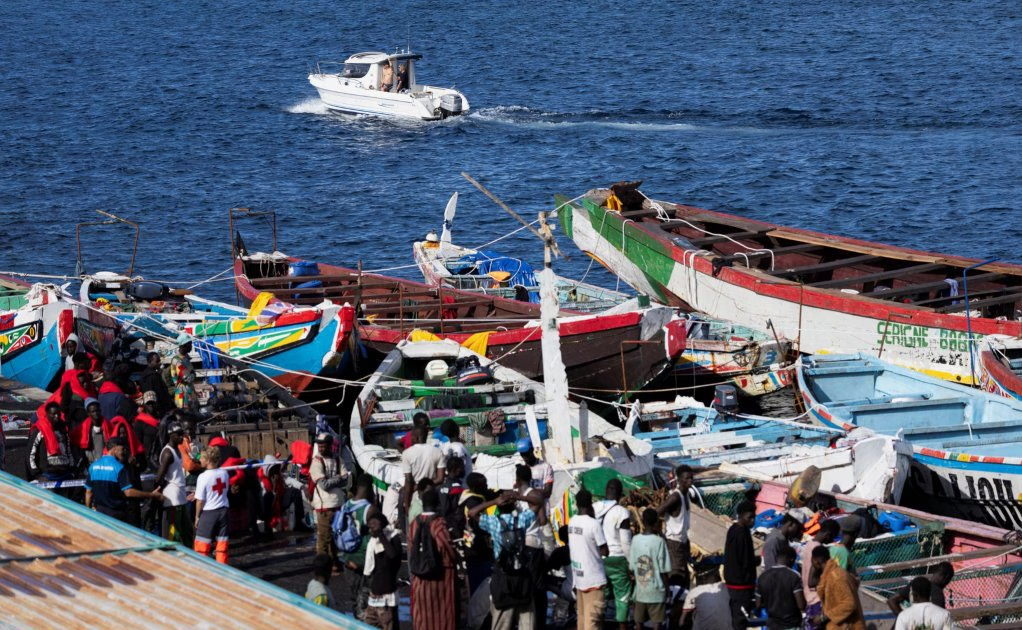
Madrid allocated 15.18 million euros for reception centers and transfers between the islands and to mainland Spain, along with 1 million euros for the Red Cross and a new rescue vessel. The island of El Hierro, home to about 11,400 people, had declared a social emergency on November 6 after thousands of migrants arrived there.
Clavijo said that about 7,500 people had reached the island in the first 10 days of the month, describing the situation as “entirely unsustainable,” according to Reuters. The UN refugee agency recorded the arrival of 6,200 migrants in the Canary Islands in October aboard 65 boats.
Photos: Agence France-Presse (Patrick Meinhardt), Reuters (Jesús Cabrera)
Stay Updated with Hilal Times
Subscribe to be informed about special news, developments and announcements. We will keep you informed.
By signing up, you agree to our Privacy Policy