- BIST10011,843+1.51%
- USD50.28+0.05%
- EUR55.60-0.24%
- GOLD3,886.30+0.03%
- INTEREST36.00%-1.00
- BITCOIN63,830-0.45%
- November 15, 202612°
- BIST10011,843+1.51%
- USD50.28+0.05%
- EUR55.60-0.24%
- GOLD3,886.30+0.03%
- INTEREST36.00%-1.00
- BITCOIN63,830-0.45%
- November 15, 202612°
UN study in Madagascar links 75% of reported domestic violence to climate shocks
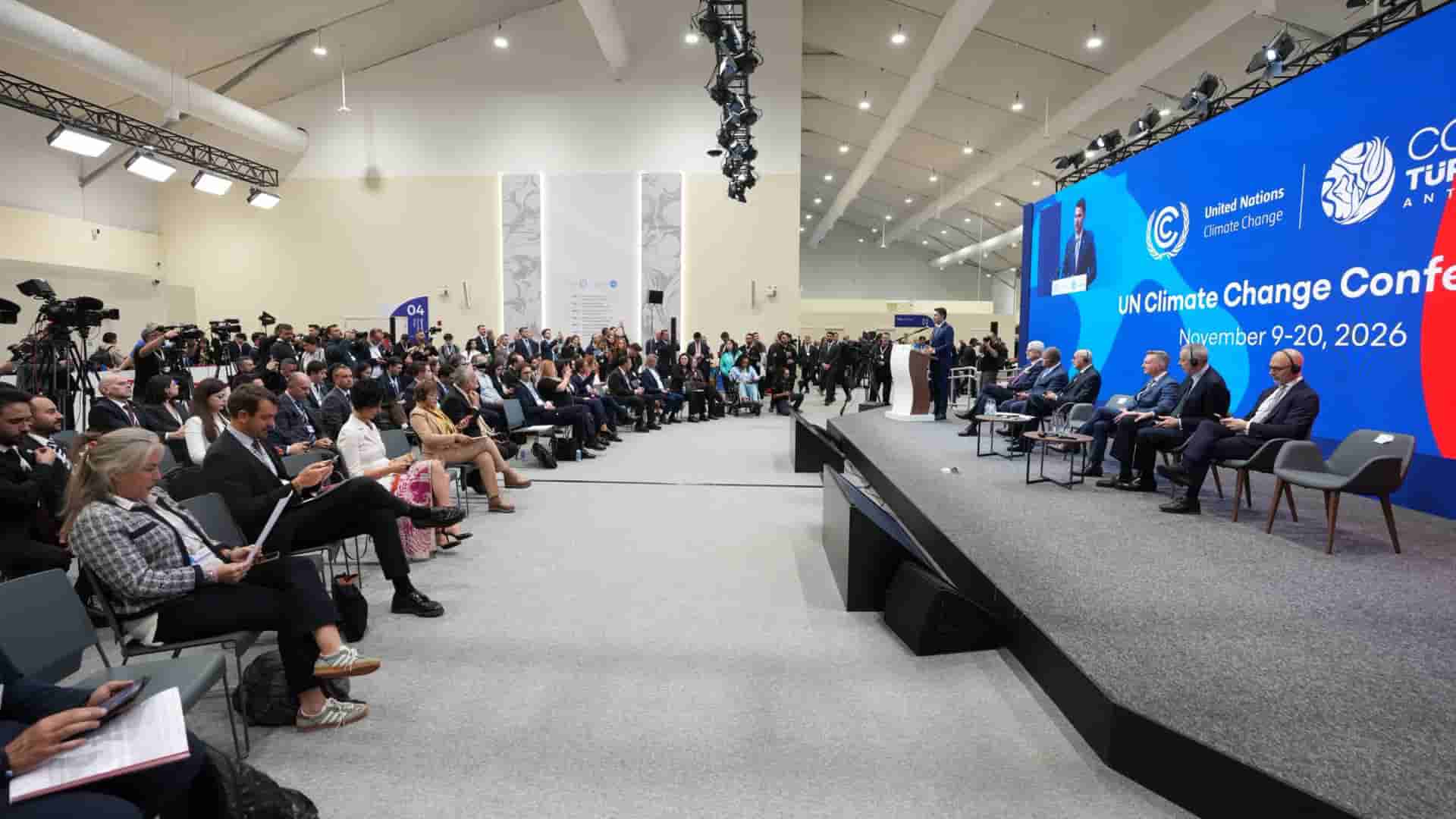
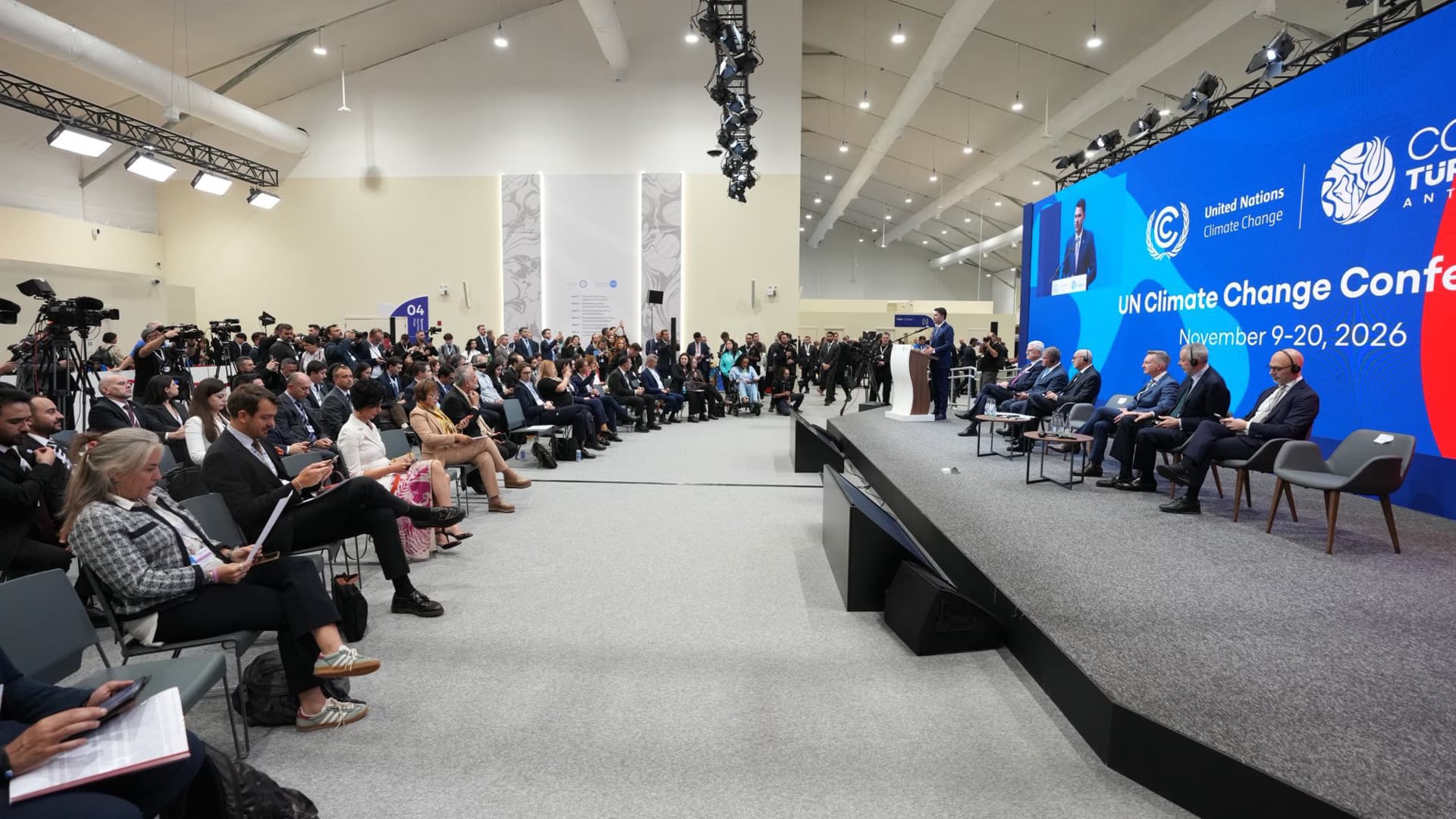
At COP31, UNFPA Regional Director Florence Bauer said a fund study in Madagascar linked three-quarters of reported domestic violence cases to climate shocks, warning that the climate crisis affects women and girls more severely than others.
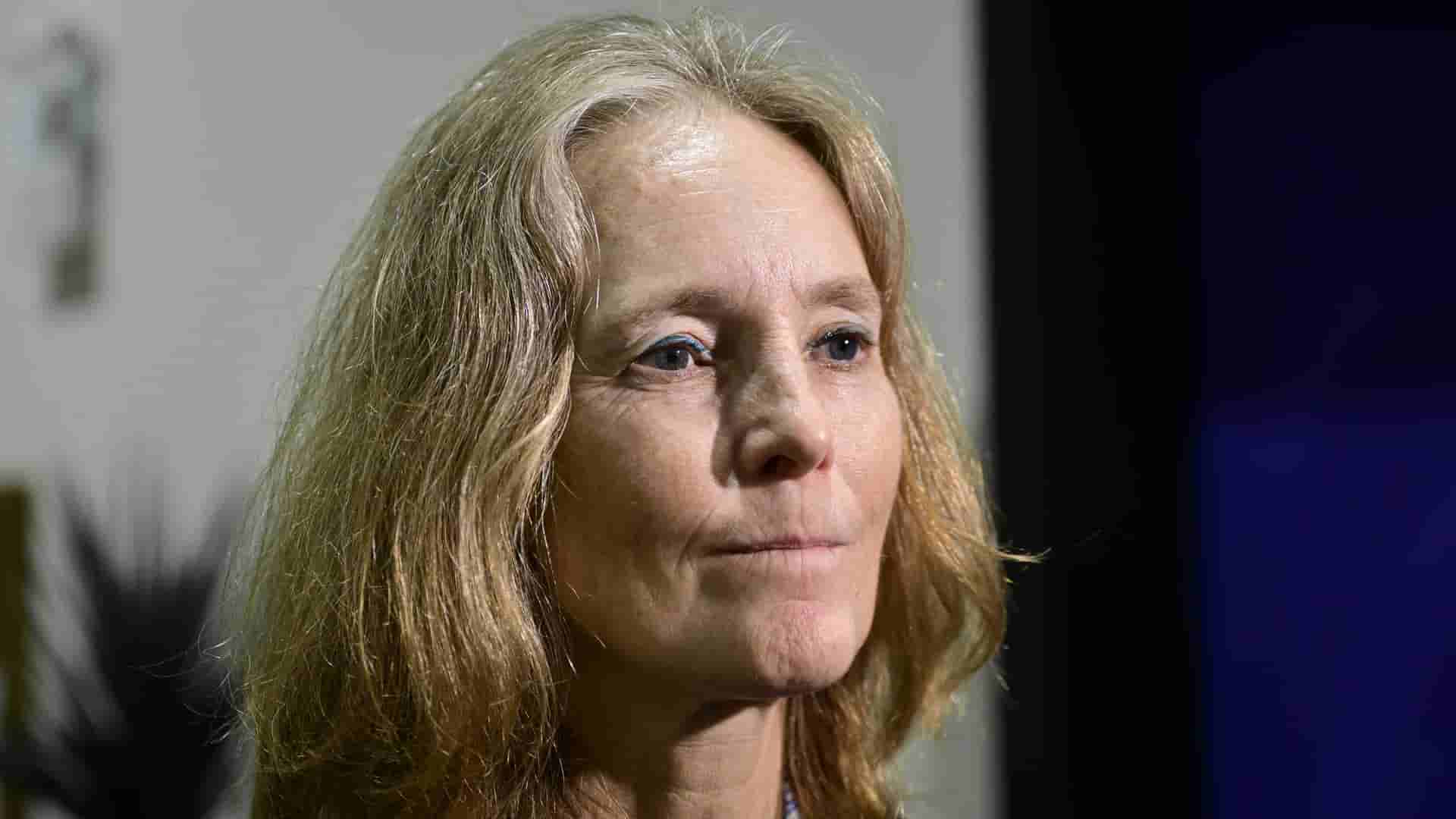
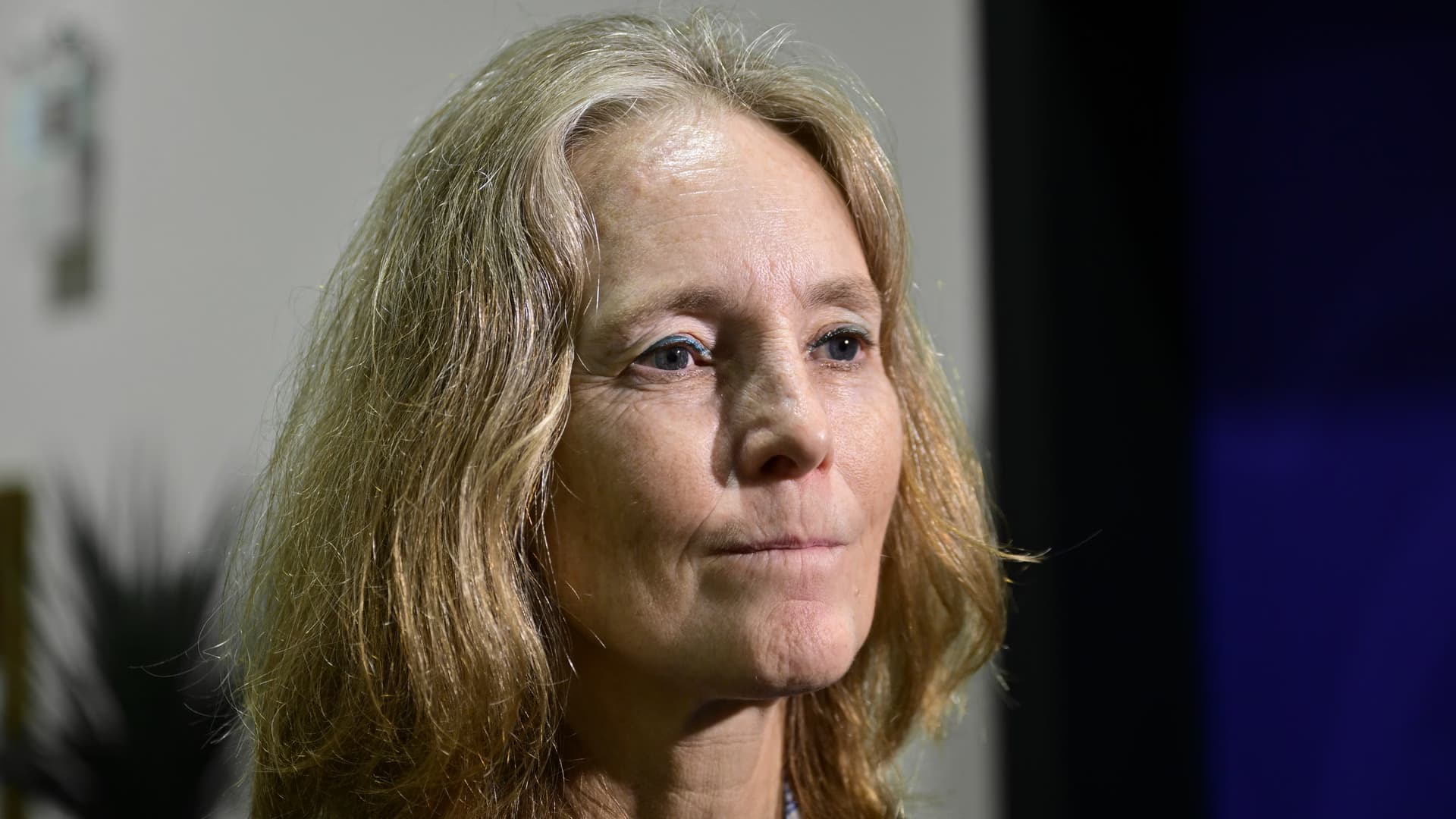
A study conducted by the United Nations Population Fund in Madagascar, with its findings announced during the 31st Conference of the Parties on climate change (COP31) in Antalya, Türkiye, found that 75 percent of reported domestic violence cases were linked to a climate-related shock.
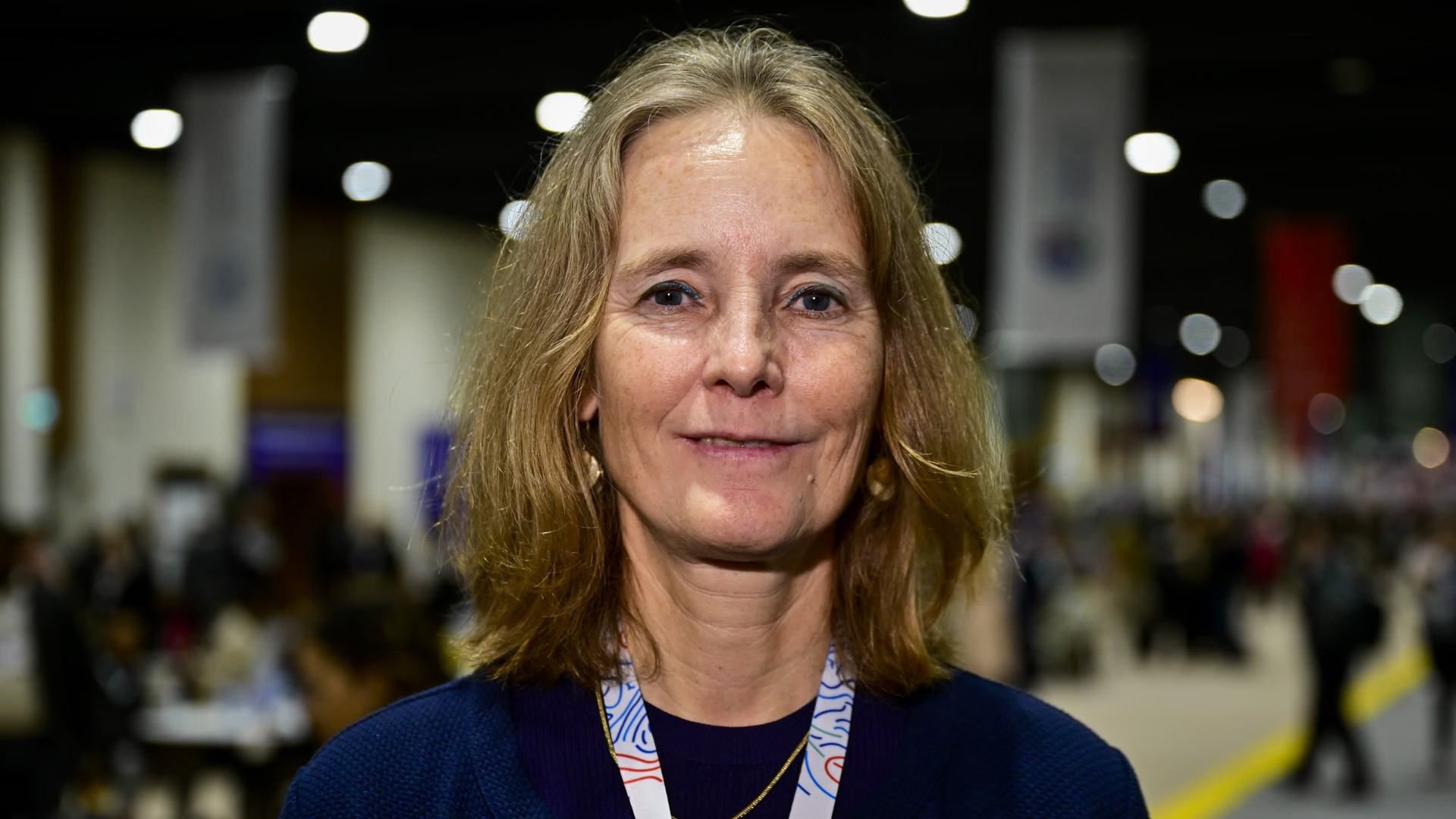
Florence Bauer, the fund’s regional director for Eastern Europe and Central Asia, told Anadolu that scientific evidence shows climate disasters increase rates of gender-based violence. She explained that people may become more stressed and less tolerant as temperatures rise.
Four in five displaced people are women
Bauer said the climate crisis affects women and girls far more severely than other groups in society. “In emergencies, mortality rates among women and girls are generally higher, and in displacement situations, women account on average for four in every five displaced people,” she said.
She added that restricted access to information and protection mechanisms during displacement leaves women and girls more vulnerable to violence. Repeated heatwaves also increase the risks of pregnancy and childbirth complications, as exposure to temperatures one degree Celsius higher during the week before delivery raises the risk of stillbirth by 6 percent.
Only 2.3% of climate funding
Bauer called for reproductive health and efforts to combat violence against women to be included in national climate action plans. She noted that more than half of these plans already include priorities concerning women and girls, but only about 2.3 percent of climate funding is allocated to those priorities.
She called for women and young people to be actively involved in climate decision-making and for women-led projects to be supported. “Yes, we are facing a serious climate crisis, but we have the knowledge, motivation and energy needed to respond to it together,” she said.
Photos: Anadolu
Stay Updated with Hilal Times
Subscribe to be informed about special news, developments and announcements. We will keep you informed.
By signing up, you agree to our Privacy Policy