- BIST10011,843+1.51%
- USD50.28+0.05%
- EUR55.60-0.24%
- GOLD3,886.30+0.03%
- INTEREST36.00%-1.00
- BITCOIN64,031-0.14%
- November 15, 202612°
- BIST10011,843+1.51%
- USD50.28+0.05%
- EUR55.60-0.24%
- GOLD3,886.30+0.03%
- INTEREST36.00%-1.00
- BITCOIN64,031-0.14%
- November 15, 202612°
UN official says Türkiye's AFAD works with Syria, sought worldwide
Kamal Kishore, head of the UN Office for Disaster Risk Reduction, said Türkiye's Disaster and Emergency Management Authority (AFAD) is already cooperating with Syria and that there are high expectations for Türkiye to share its expertise with other countries, describing its system as one of the best in the world.
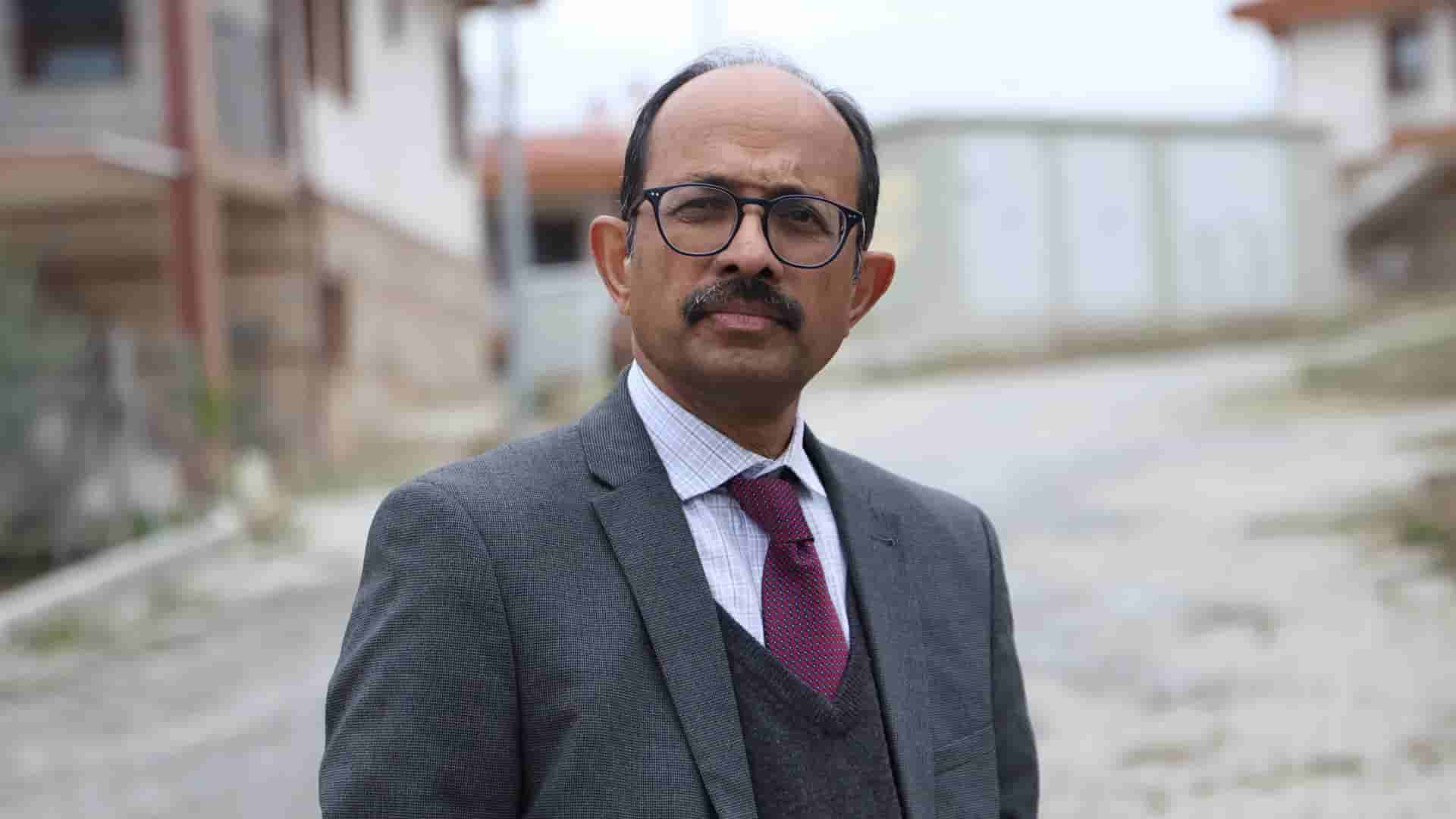
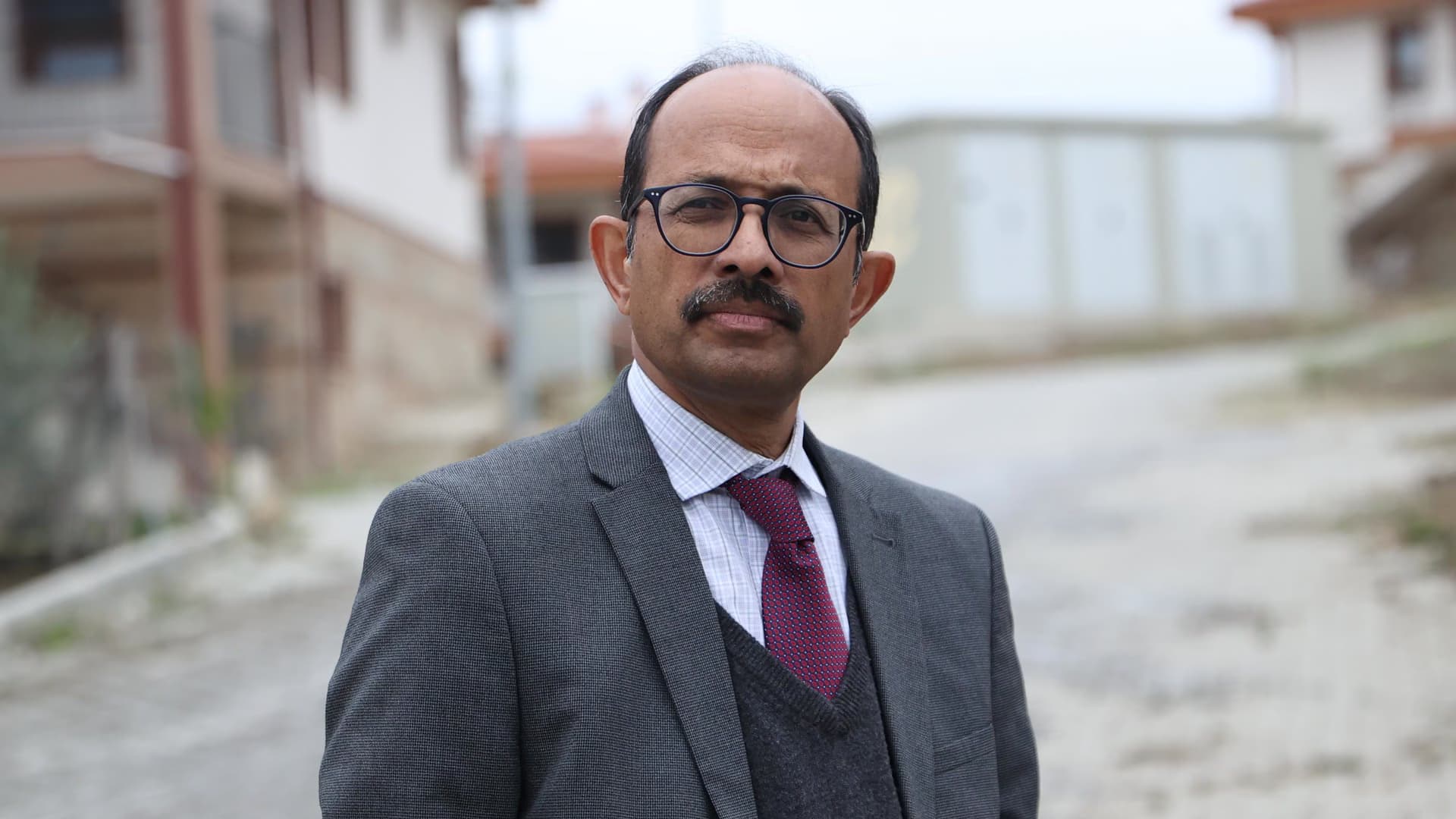
Kamal Kishore, the UN secretary-general's special representative and head of the UN Office for Disaster Risk Reduction, said Türkiye's Disaster and Emergency Management Authority (AFAD) is currently cooperating with Syria and that other countries have begun requesting its support, providing fresh evidence of the Turkish model for responding to disasters.
Speaking to Anadolu Agency on the sidelines of the 31st Conference of the Parties on climate change (COP31) in Antalya, Kishore said a request had also been received to support Panama after the earthquake that struck the country weeks ago. He added: "We hope to cooperate to transfer AFAD's expertise to other countries. There are high expectations for Türkiye to provide support to other countries."
Among the world's best systems
The UN official described Türkiye's disaster risk management system as one of the best in the world, attributing this to three factors: AFAD's presence at the national, regional and local levels; close cooperation between AFAD, universities and scientific institutions; and the adoption of a "build back better" approach involving buildings designed to withstand more than one type of hazard.
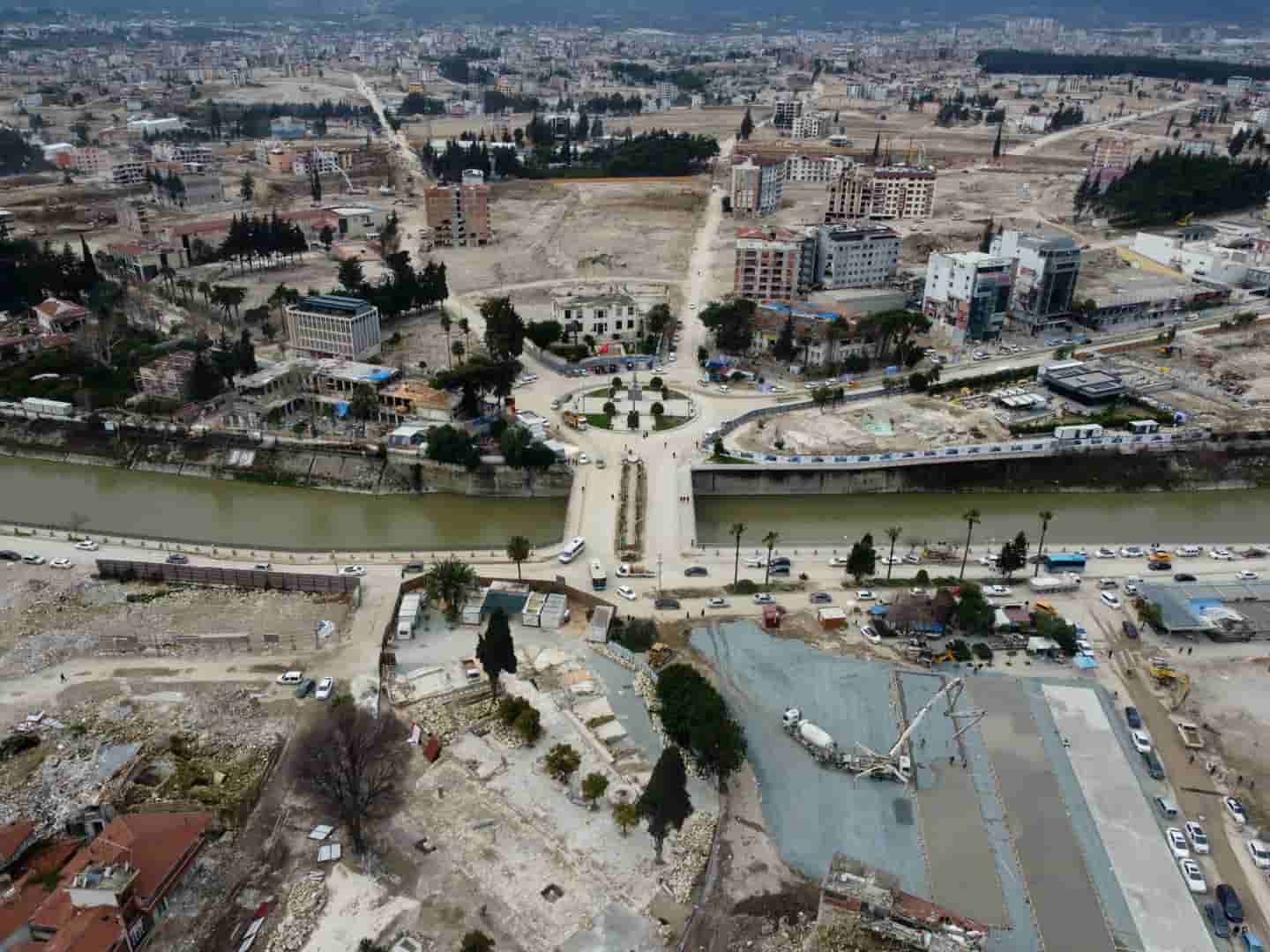
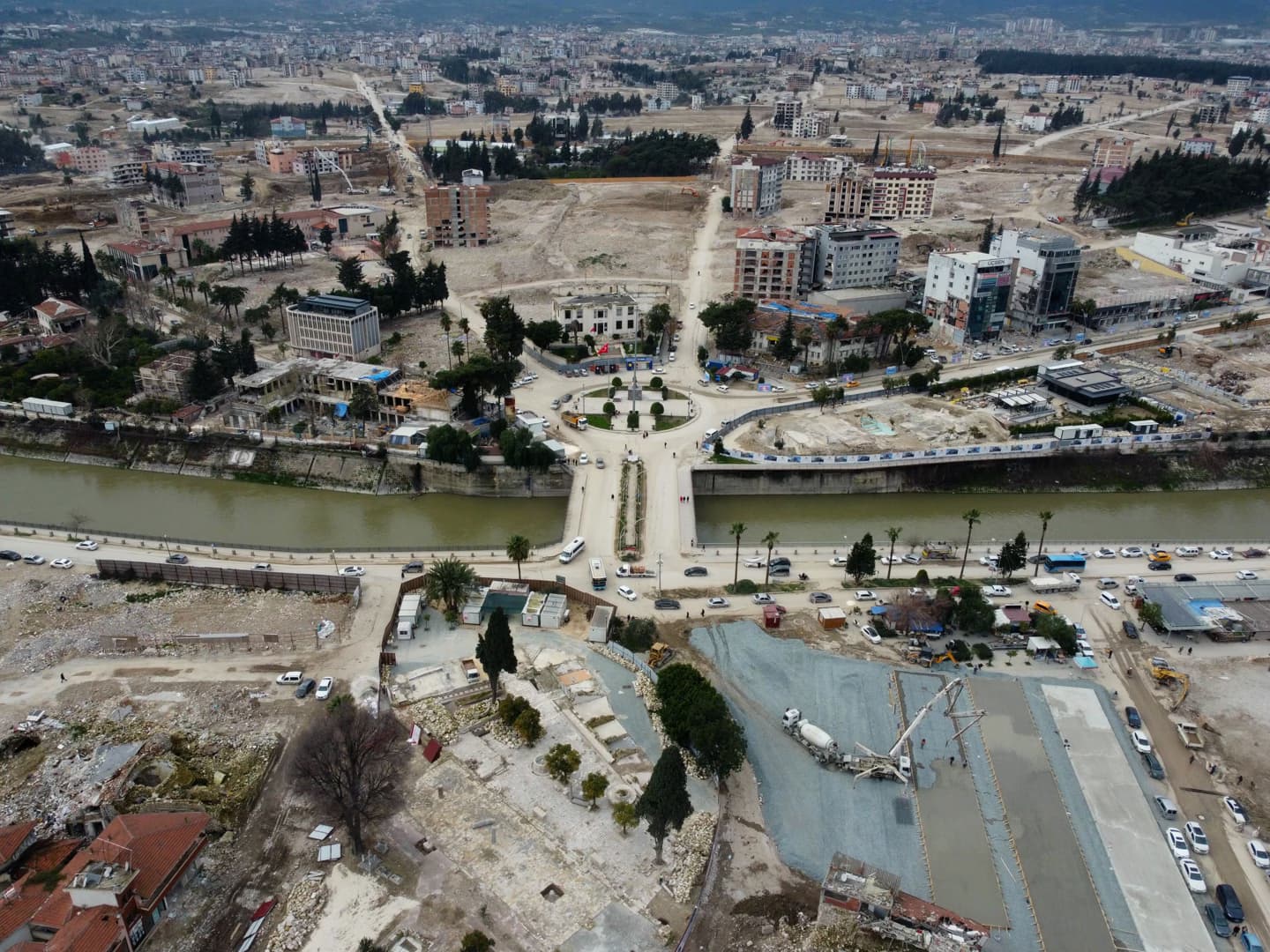
He said he visited the cities of Hatay and Gaziantep last February and saw AFAD facilities not only in Ankara but also in Hatay, noting that many countries he had visited possessed strong national capabilities that quickly weakened at lower levels.
Fire-resistant homes in Antalya
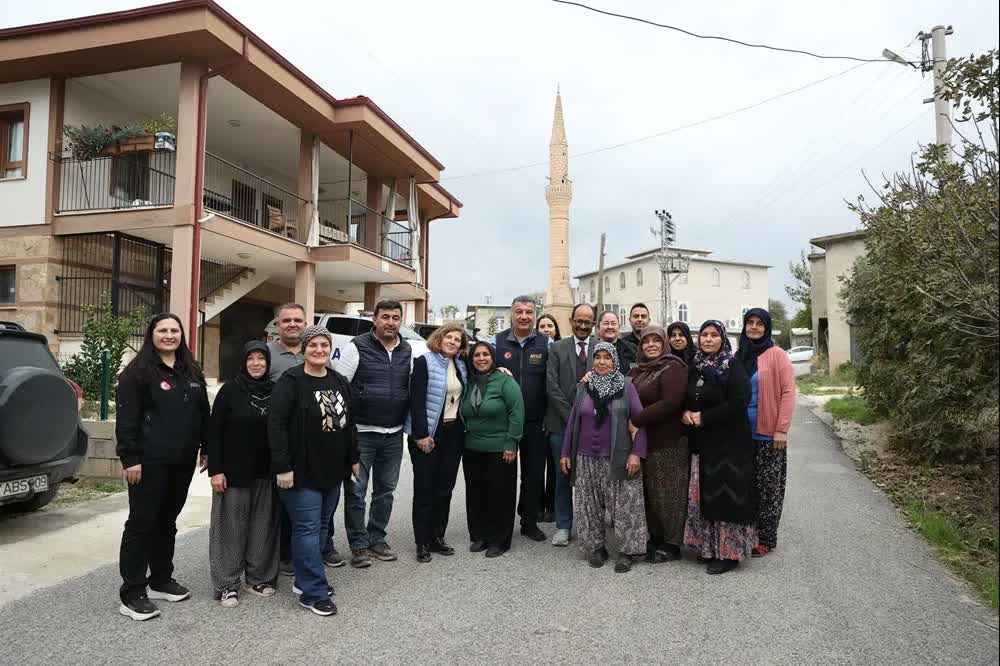
During his stay in Antalya, Kishore inspected the Demirciler neighborhood in Manavgat district, where 80 homes burned in the 2021 wildfires and which was rebuilt with 102 new homes. He said the new homes no longer use wood and that their construction makes them more resistant to fires and earthquakes in the future.
He added that AFAD's capabilities, and those of Türkiye more broadly, could be used globally not only to respond after disasters occur but also to reduce disaster risks in advance.
Photos: Anadolu Agency
Stay Updated with Hilal Times
Subscribe to be informed about special news, developments and announcements. We will keep you informed.
By signing up, you agree to our Privacy Policy