- BIST10011,477-3.08%
- USD50.42+0.05%
- EUR55.44-0.10%
- GOLD3,725.20-3.60%
- INTEREST36.00%-1.00
- BITCOIN62,640-3.45%
- November 18, 202617°
- BIST10011,477-3.08%
- USD50.42+0.05%
- EUR55.44-0.10%
- GOLD3,725.20-3.60%
- INTEREST36.00%-1.00
- BITCOIN62,640-3.45%
- November 18, 202617°
UN warns of hypothermia in Gaza as 1.98 million need shelter
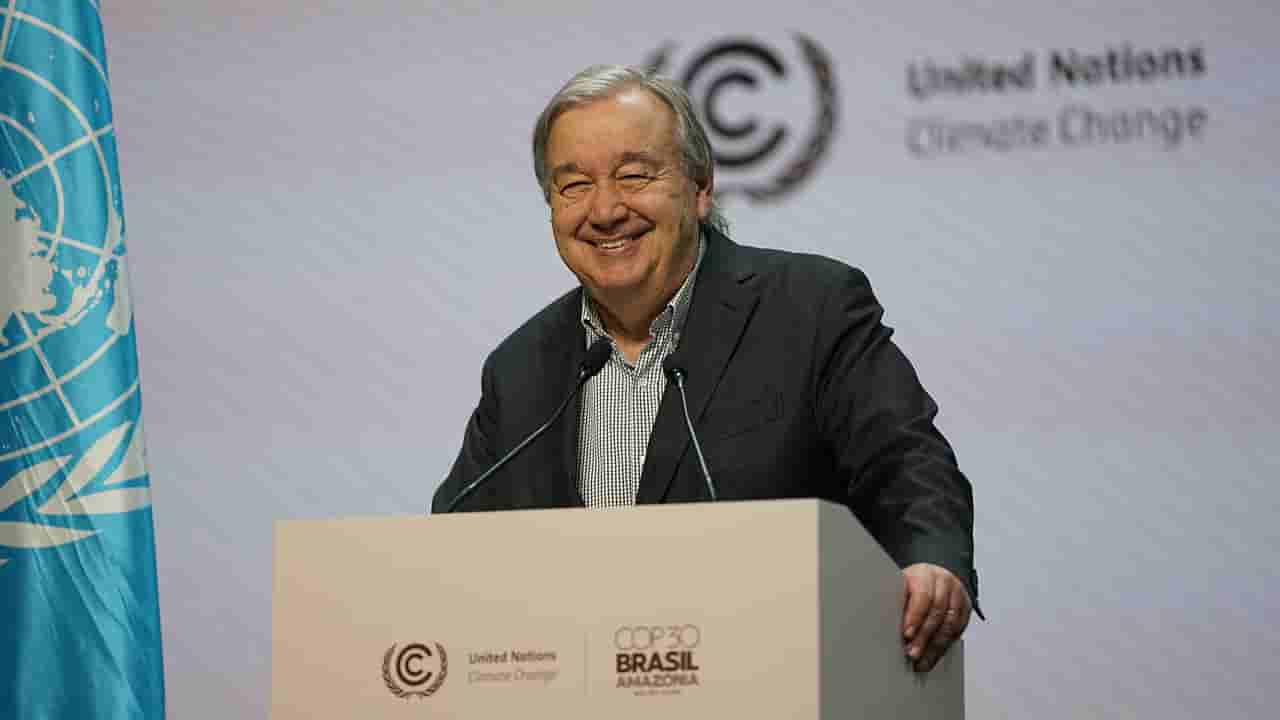
WHO Director-General Tedros Adhanom Ghebreyesus called for shelter supplies, water and medicines to enter Gaza on a large scale and without hindrance, while the International Organization for Migration and the World Food Programme said 1.4 million people face acute hunger.
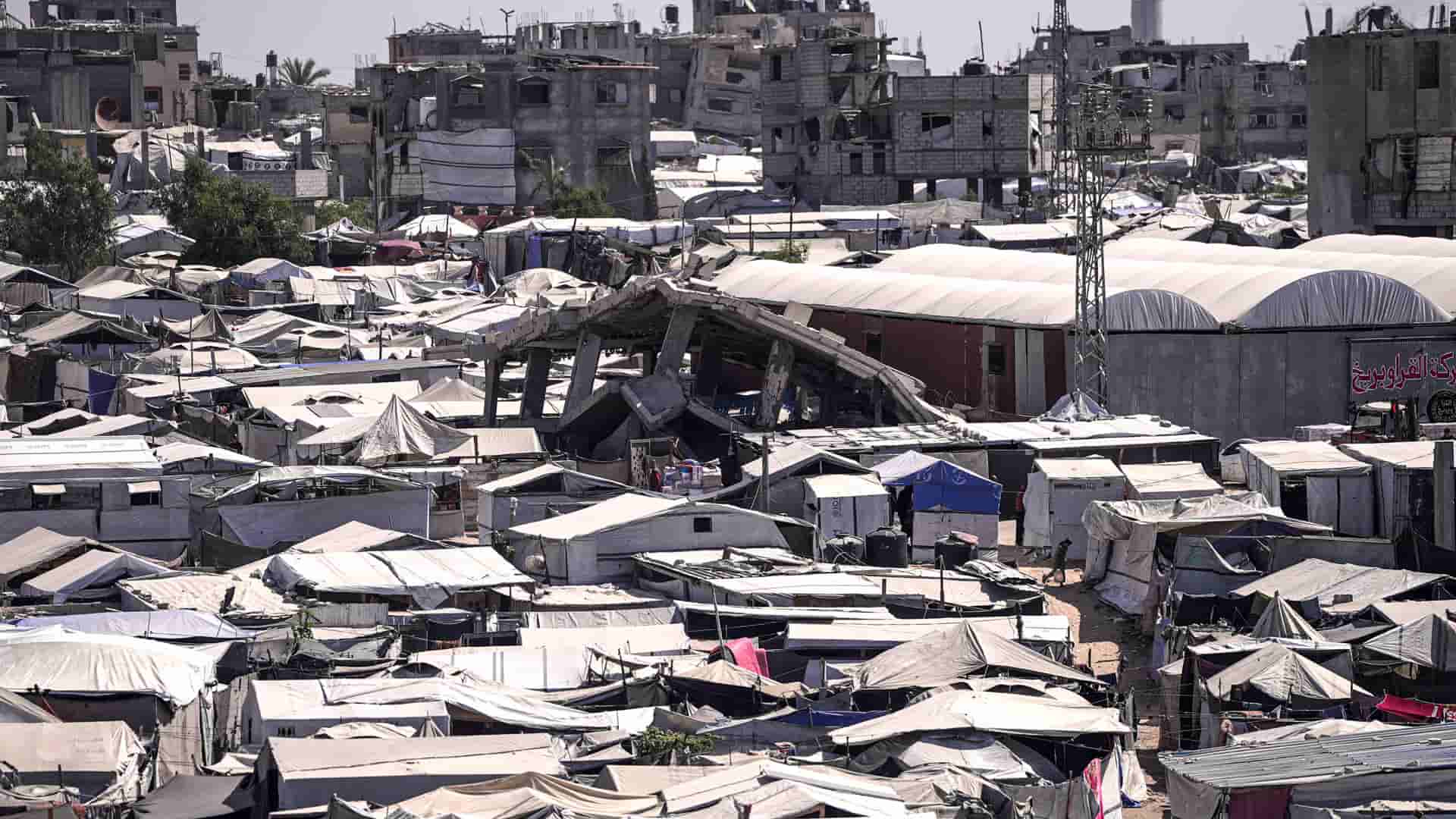
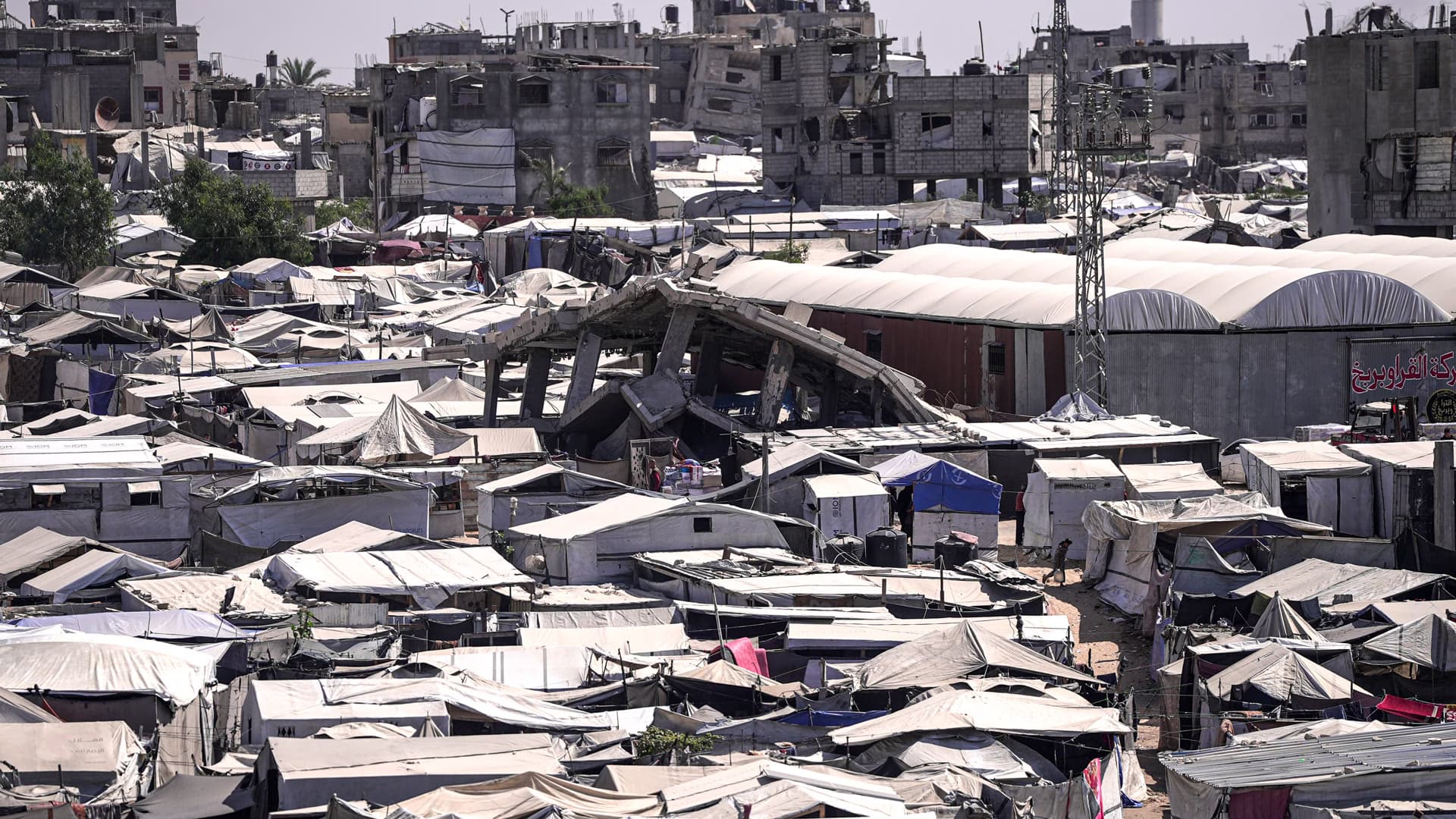
World Health Organization Director-General Tedros Adhanom Ghebreyesus said the Gaza Strip was entering its fourth winter amid attacks, warning that the arrival of winter posed a serious threat to residents already living in extremely vulnerable conditions. Speaking at the organization’s weekly press conference, he added: “To prevent hypothermia, shelter supplies, clean water, hygiene products, medicines, vaccines and necessary equipment must reach the area on a large scale, without hindrance and quickly.”
Ghebreyesus said that rain lasting only a few days had flooded the camps and rendered tents unusable, stressing that “flooding increases the risks of waterborne diseases.” He recalled the death of an eight-month-old infant in Gaza last week from hypothermia and criticized the continued attacks on health facilities, noting that Israel targeted Nasser Hospital last week.
He also called for laboratory supplies that have repeatedly been denied entry to be brought in, allowing disease outbreaks to be detected early and addressed in a timely manner.
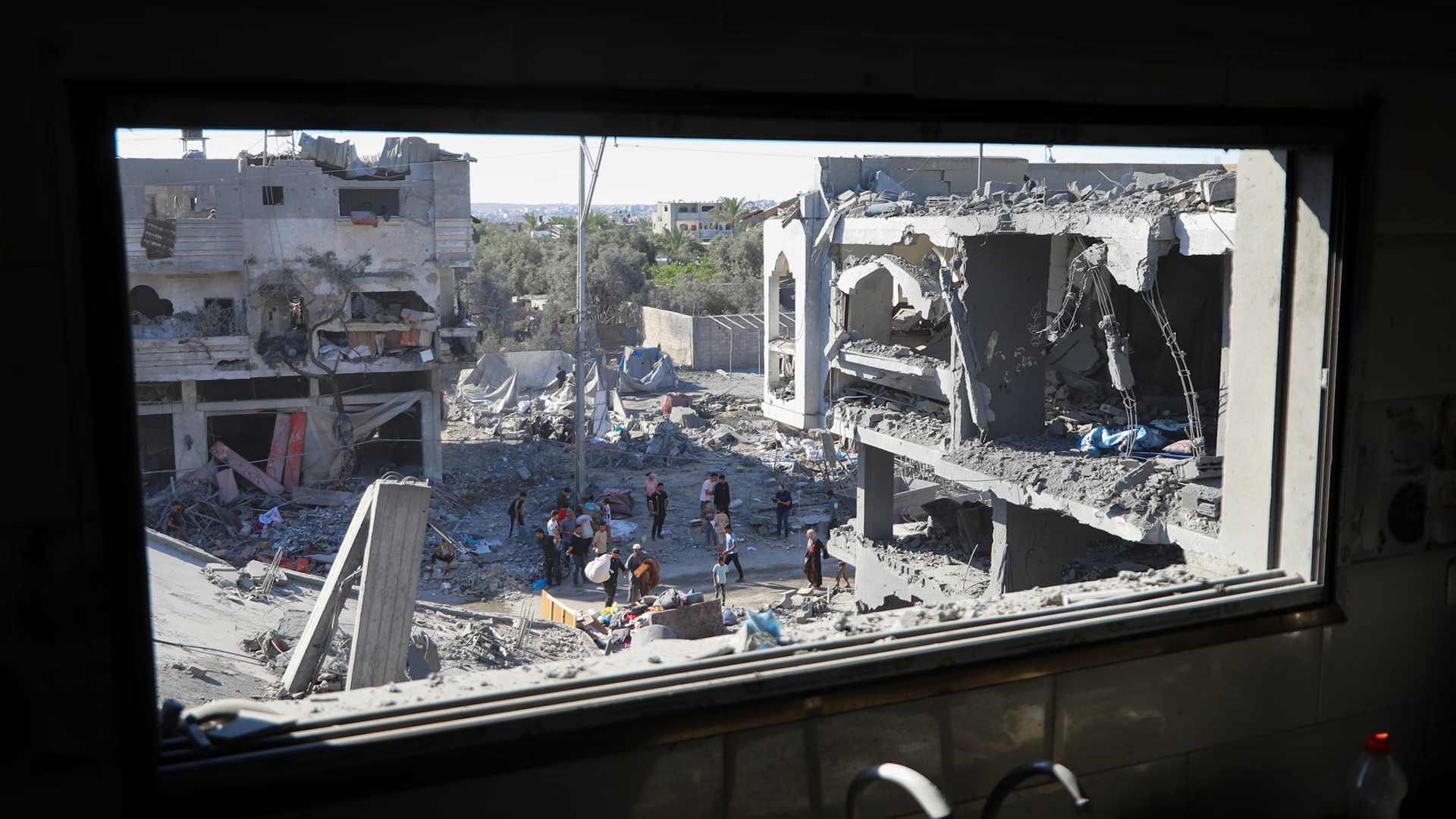
1.98 million people need shelter
Meanwhile, Karl Becker, head of the International Organization for Migration’s program in Gaza, and Sean Hughes, the World Food Programme’s country director for Palestine, presented a joint report at the weekly press conference of the United Nations Office in Geneva. The report said: “More than 1.7 million people are displaced, 1.4 million face acute hunger and 1.98 million need shelter assistance.”
The report said that at least 40,000 additional shelters had been damaged or destroyed since November and that shelter stocks were rapidly running out. The International Organization for Migration needs $173 million to continue providing tents, plastic sheeting, blankets and shelter-repair materials. It noted that more than half of the 1,700 displacement sites are in areas at high risk of flooding and that residents are confined to less than 40 percent of the Strip’s area.
According to the report, two-thirds of Gaza’s population still face extreme levels of hunger. Due to a lack of funding, the World Food Programme has been forced to provide hot meals every other day and reduce food parcels and cash assistance. The scarcity and high prices of cooking gas and firewood have also led many families to burn waste to prepare food.

The programme faces a $436 million funding gap over the next six months to reach 2 million people in Palestine. Meanwhile, the latest Integrated Food Security Phase Classification assessment warns that 1.9 million people, or 90 percent of Gaza’s population, could face acute food insecurity by the end of 2026 if aid does not continue.
Hughes said: “If we do not receive urgent support to scale up the humanitarian response, this situation threatens not only a shelter crisis but a deeper food security crisis. The time has come to continue urgent aid and give Palestinians in Gaza a chance to rebuild their lives.”
Photos: Anadolu.
Stay Updated with Hilal Times
Subscribe to be informed about special news, developments and announcements. We will keep you informed.
By signing up, you agree to our Privacy Policy