Visa and entry problems at the US leg of the 2026 World Cup have affected a wide range of people even before the tournament began. The denial of entry to Omar Artan, expected to be the first Somali World Cup referee, drew attention, while some Iranian officials and team staff, the South African delegation, Breel Embolo, and some Scottish fans were also impacted.
The tournament being jointly hosted by the US, Mexico, and Canada has put US entry policies under scrutiny. While FIFA has previously allowed host countries to bypass visa procedures through special arrangements, this time the situation appears more challenging.
Omar Artan barred from officiating matches
Omar Artan, one of the 52 referees appointed by FIFA for the World Cup, was denied entry after arriving in Miami. FIFA announced that Artan will not be able to participate in training or officiate matches during the tournament.
According to FIFA, the final decision on whether a person receives a visa and is admitted lies with the host country.
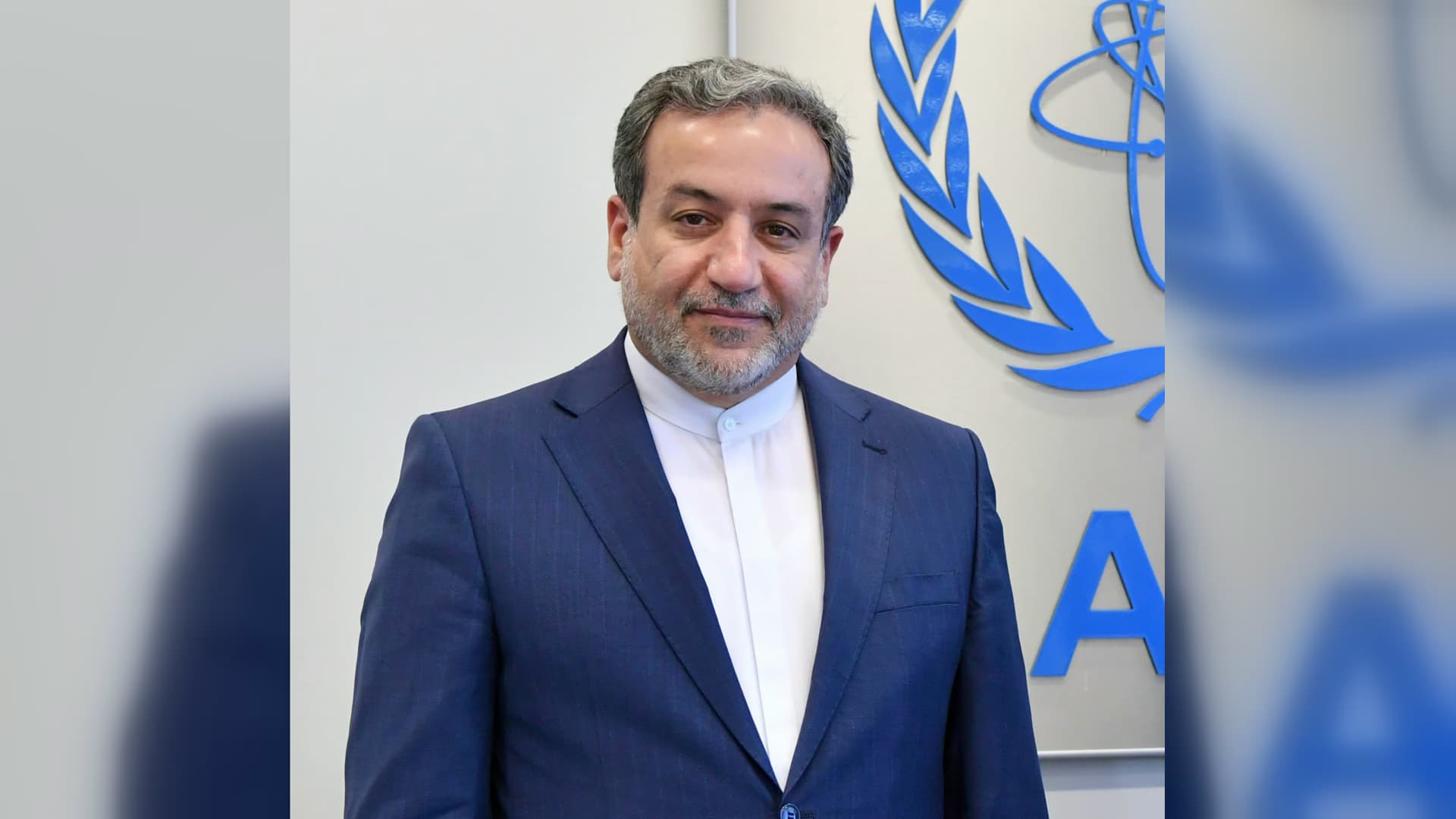
Iranian officials and staff denied visas
Iran is among the countries affected by the visa crisis. According to Iranian state media, at least 15 Iranian officials and team staff, deemed vital for the team's campaign, were denied visas.
The US claims it granted entry to all necessary Iranian support personnel. However, the Iranian Football Federation alleges that the host country also canceled ticket allocations for group matches to prevent the presence of Iranian fans.
Iran's head coach Amir Ghalenoei said, "We are disturbed by this behavior. Such a thing has definitely never happened before."
Iran was forced to move its training camp from the US to Tijuana, Mexico. The team may need to enter and exit the US for their Group G matches in Inglewood and Seattle. Iran's ambassador to Mexico stated that the team might have to enter and leave the US on match days. This situation could also jeopardize the pre-match media activities mandated by FIFA.
Impact on Iraqi player and photojournalist
The suspension of US consular services in Iraq has made standard visa applications nearly impossible. Some individuals with previously valid documents also faced issues at the border.
Thirty-year-old Iraqi forward Aymen Hussein, who plays for Al-Karma, was questioned for about seven hours at Chicago O’Hare Airport before being admitted. Team photographer Talal Salah was denied entry; his phone was confiscated, he was held for over 10 hours, and ultimately not allowed into the country.
South African delegation delayed by document issues
The South African national team's World Cup journey was delayed due to paperwork problems. The delegation's departure from Johannesburg to Mexico City was halted because some players lacked proper Mexican entry documents ahead of their opening match against Mexico on June 11.
South African Sports Minister Gayton McKenzie described the situation as "shameful and extremely unfair to the players and technical staff," blaming the South African Football Federation for the mishap.
Swiss national team forward Breel Embolo also had to join his camp late due to US visa issues. The problem is believed to be linked to a suspended fine he received in 2023 for a threat charge. The Cameroon-born player had to make an urgent application at the US Embassy in Bern to obtain travel clearance.
ESTA permits canceled for Scottish fans
The US Electronic System for Travel Authorization (ESTA) also caused problems for some fans. According to BBC Scotland News, two families planning to support Scotland at the World Cup for the first time since 1998 had their approved ESTA permits canceled just days before departure.
The Speirs siblings from Kirkcaldy applied for ESTA on December 14, which was approved the next day. However, on June 3, they encountered a "no travel authorization" message in the system.
Visa and entry costs add extra burden for fans
For fans from countries not covered by ESTA, entering the US has become more difficult both bureaucratically and financially. The ESTA fee is $40, while a standard visitor visa costs $185.
These amounts represent a significant additional expense before even considering airfare and match tickets. The situation emerging for the 2026 World Cup signals a process that will make access harder for thousands of fans, journalists, officials, and athletes.