- BIST10011,543-0.30%
- USD49.60+0.05%
- EUR55.68+0.11%
- GOLD4,112.00-0.92%
- INTEREST37.00%-1.00
- BITCOIN82,172-2.20%
- October 22, 202618°
- BIST10011,543-0.30%
- USD49.60+0.05%
- EUR55.68+0.11%
- GOLD4,112.00-0.92%
- INTEREST37.00%-1.00
- BITCOIN82,172-2.20%
- October 22, 202618°
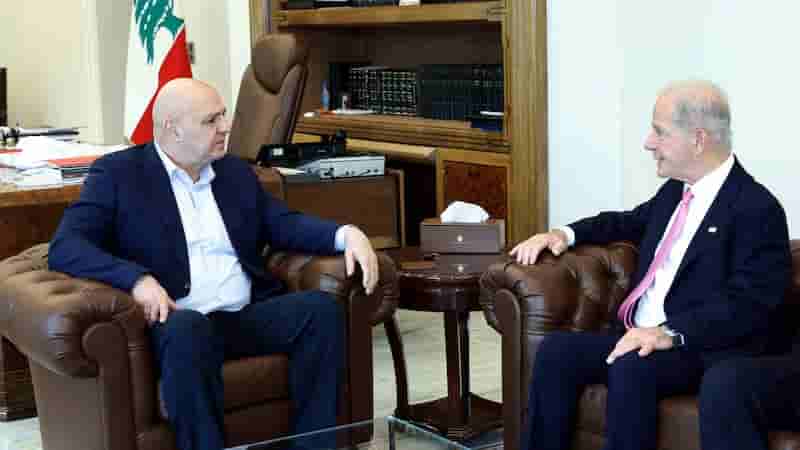
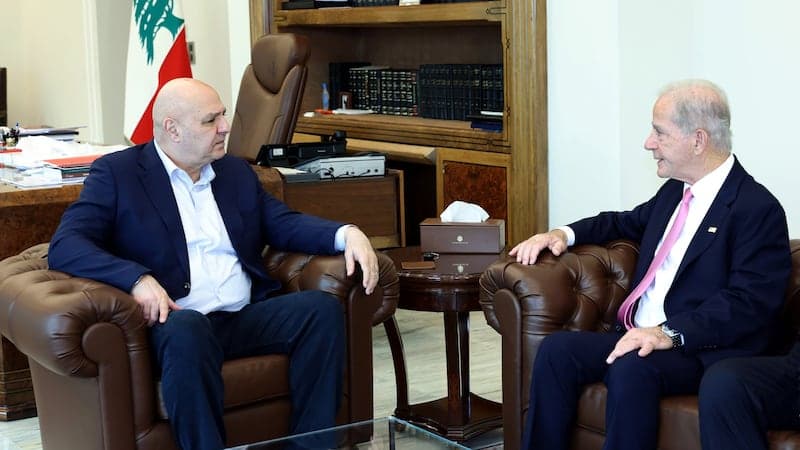
US Ambassador Meets with Lebanese Leaders, Washington Calls for Meeting with Netanyahu
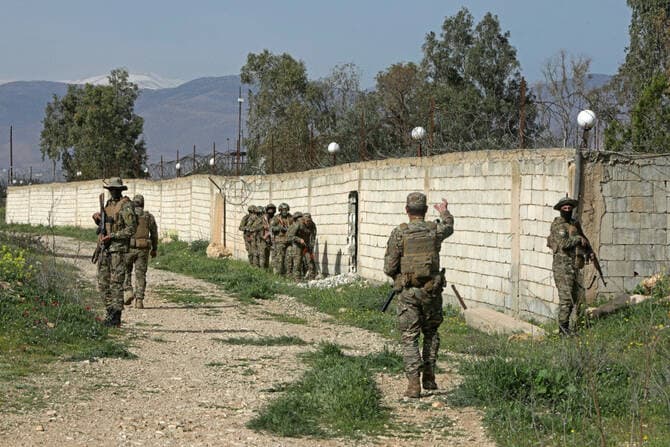
US Ambassador to Lebanon Michel Issa met with Lebanese leaders to convey Washington's call for direct talks between Lebanese President Joseph Aoun and Israeli Prime Minister Benjamin Netanyahu. Maintaining the ceasefire in the region and ensuring political stability are among the top priorities.
Stay Updated with Hilal Times
Subscribe to be informed about special news, developments and announcements. We will keep you informed.
By signing up, you agree to our Privacy Policy