- BIST10011,661-1.54%
- USD50.39+0.22%
- EUR55.50-0.19%
- GOLD3,863.20+0.26%
- INTEREST36.00%-1.00
- BITCOIN63,814-1.57%
- November 17, 202615°
- BIST10011,661-1.54%
- USD50.39+0.22%
- EUR55.50-0.19%
- GOLD3,863.20+0.26%
- INTEREST36.00%-1.00
- BITCOIN63,814-1.57%
- November 17, 202615°
WHO: Congo’s children bear brunt of its deadliest Ebola outbreak
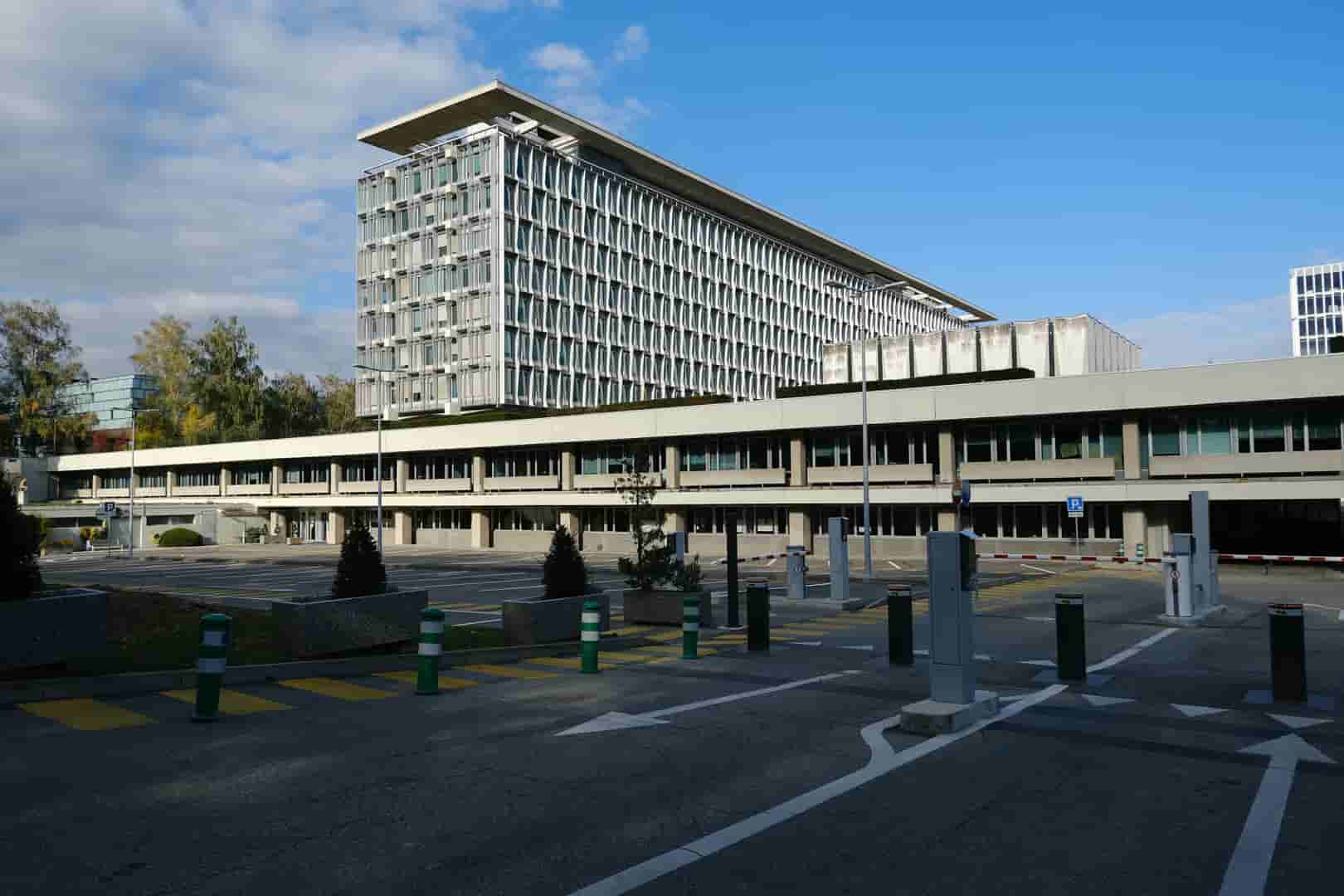
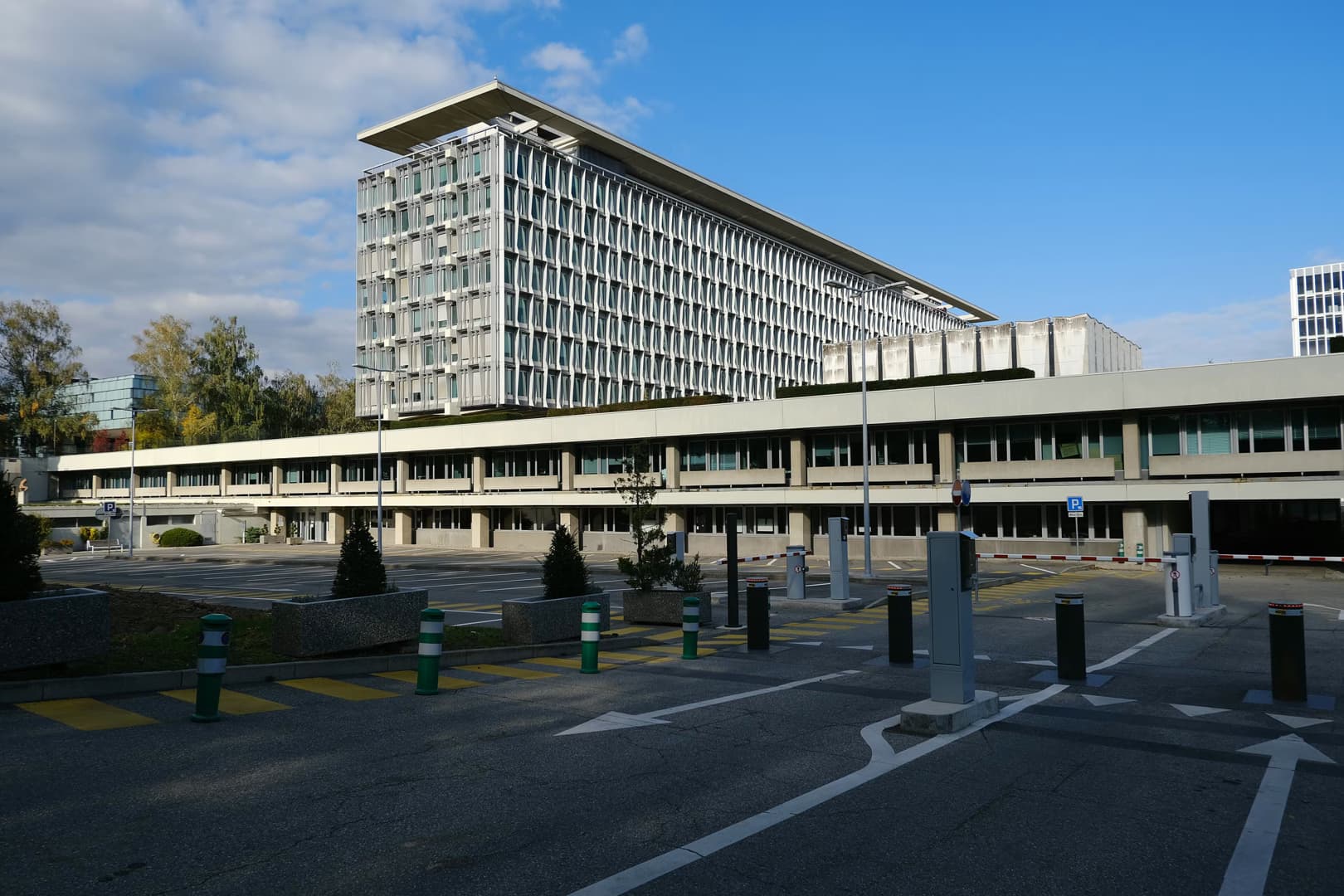
World Health Organization Director-General Tedros Adhanom Ghebreyesus said more than 11,000 cases and 5,400 deaths had been recorded in 8 provinces over 6 months. Children account for more than a quarter of confirmed cases and one-third of deaths, while 7 in 10 children under five who contracted the disease died.
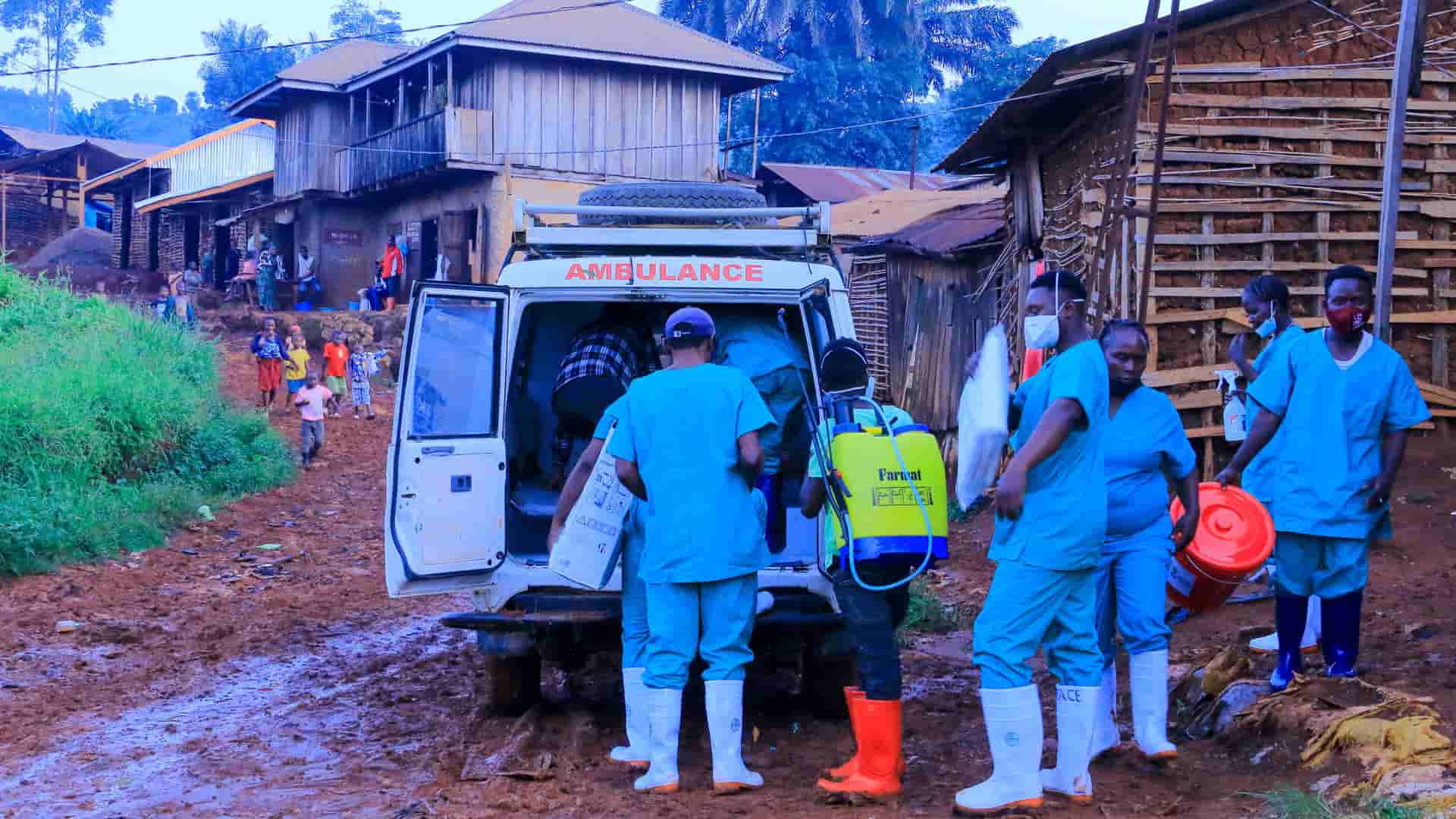
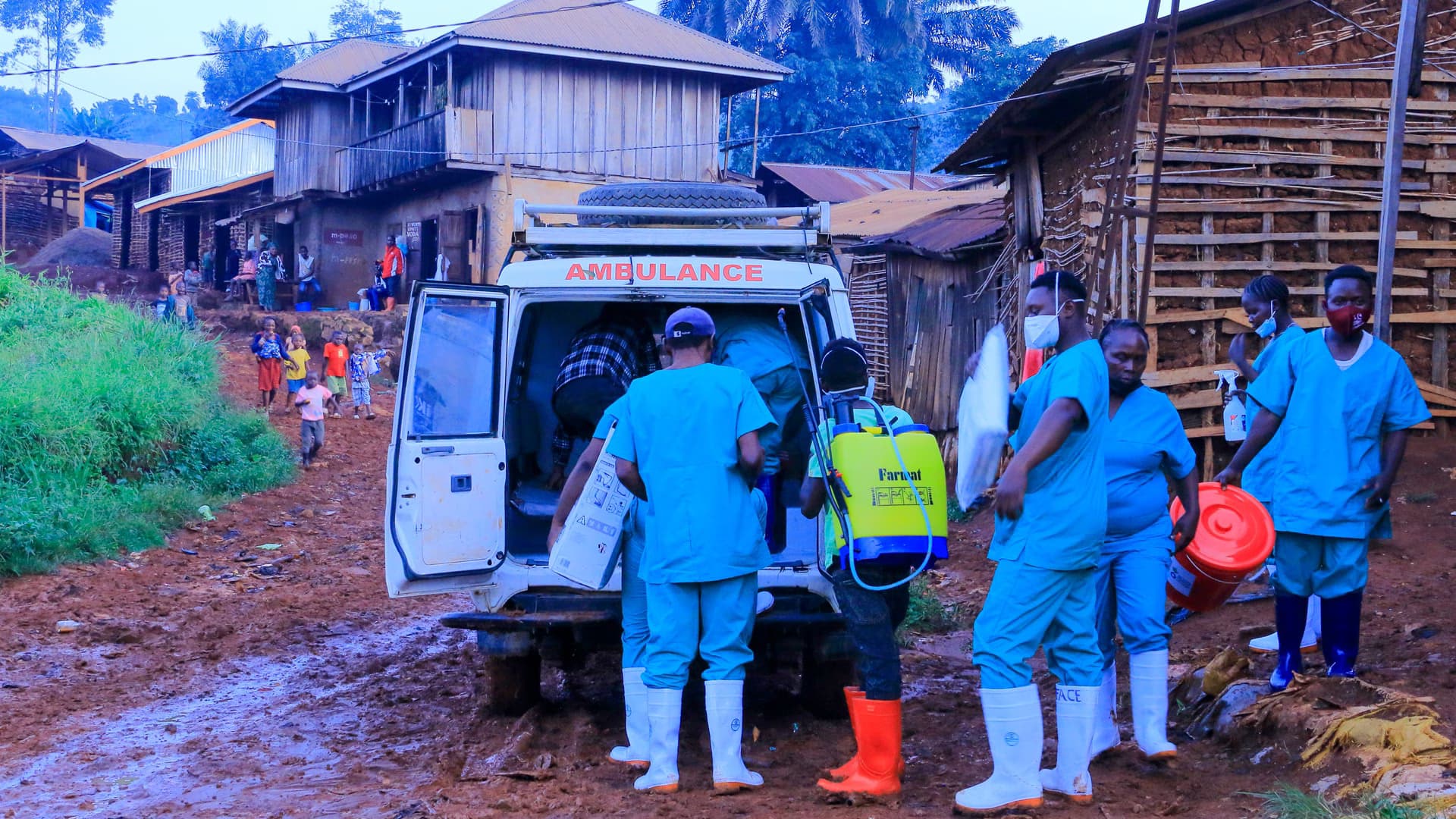
World Health Organization Director-General Tedros Adhanom Ghebreyesus said the Democratic Republic of the Congo is experiencing the largest and deadliest Ebola virus outbreak in its history, stressing that children are bearing the heaviest burden.
Tedros said the organization declared the Ebola outbreak caused by the "Bundibugyo" virus in the Democratic Republic of the Congo a "public health emergency of international concern" 6 months ago. He added: "Since then, more than 11,000 cases and 5,400 deaths have been recorded in 8 provinces. It is the largest and deadliest Ebola outbreak in the country’s history, and children are bearing the heaviest burden."
7 in 10 children under five
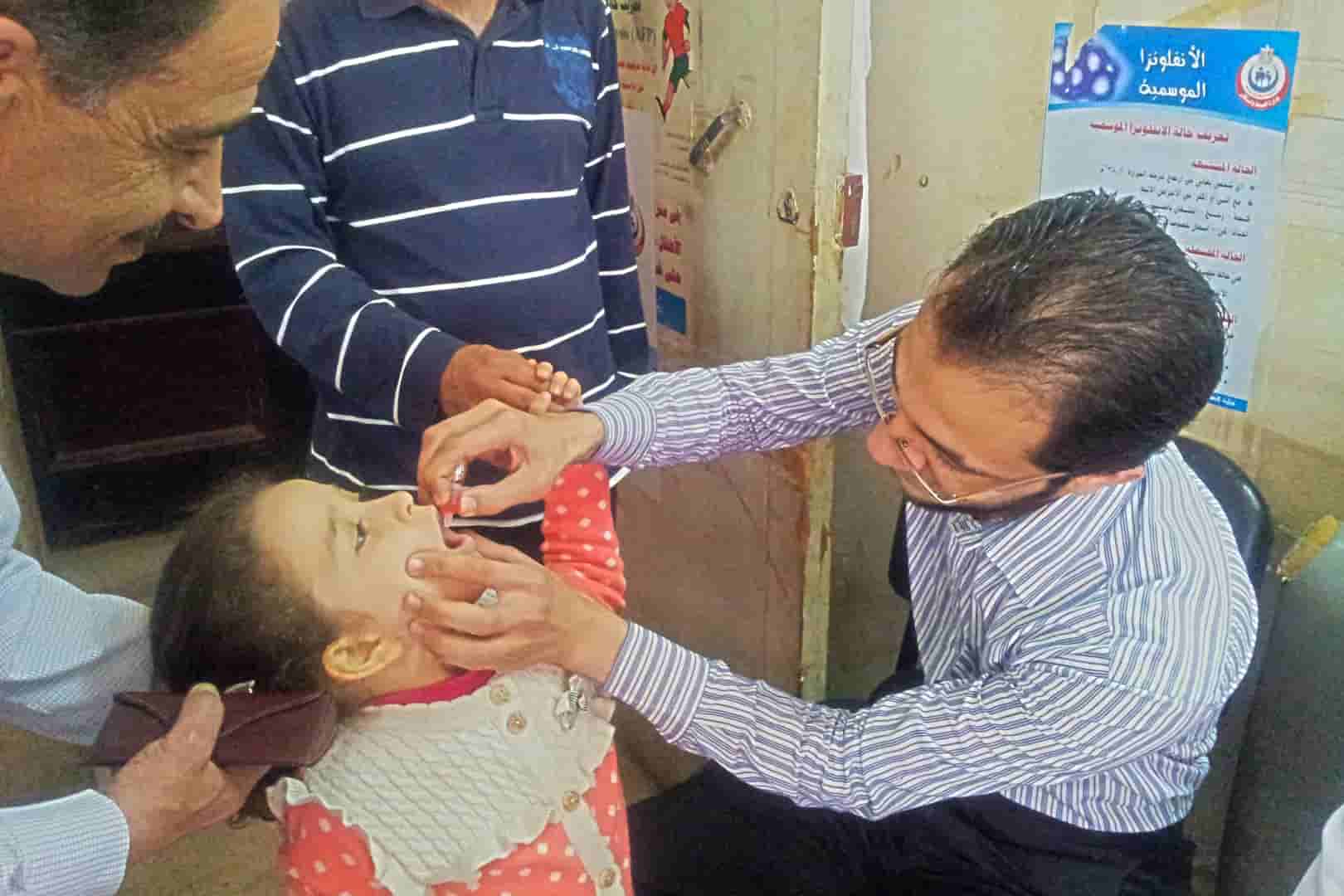
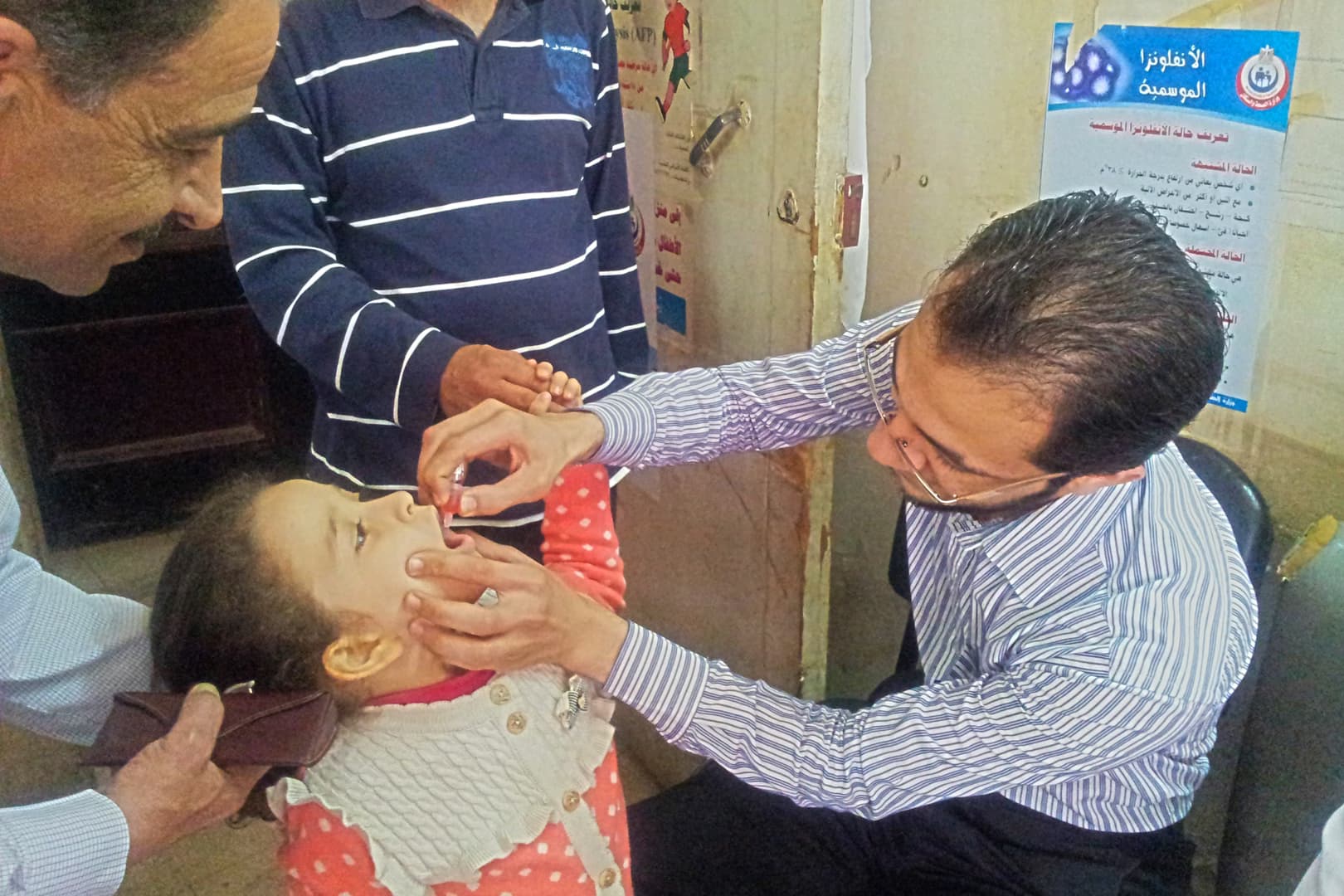
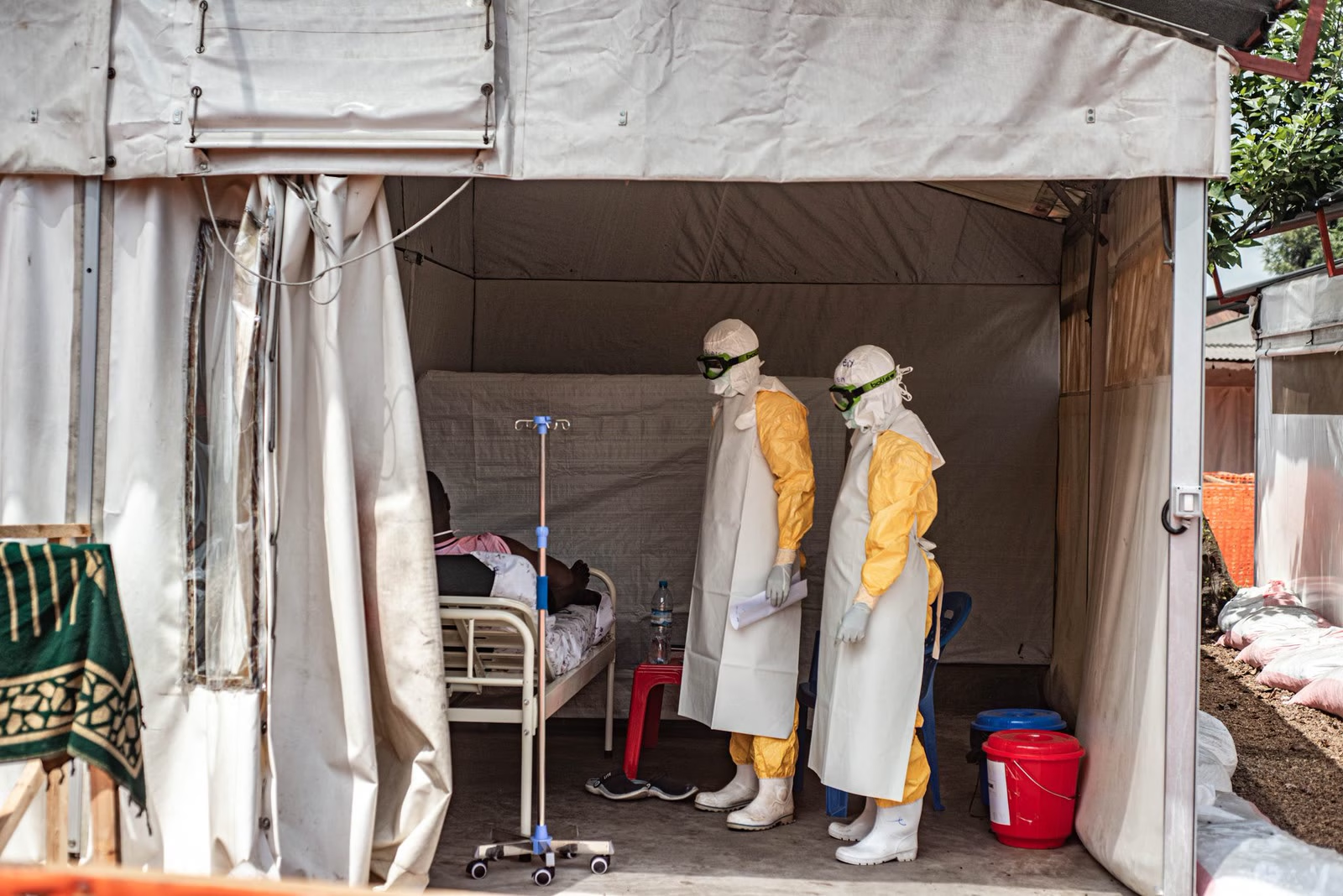
In a joint statement marking 6 months since the outbreak began, the World Health Organization, the Africa Centres for Disease Control and Prevention, and UN agencies including UNICEF and the World Food Programme said children account for more than a quarter of confirmed cases and one-third of deaths. They said 7 in 10 children under five who tested positive for Ebola had died.
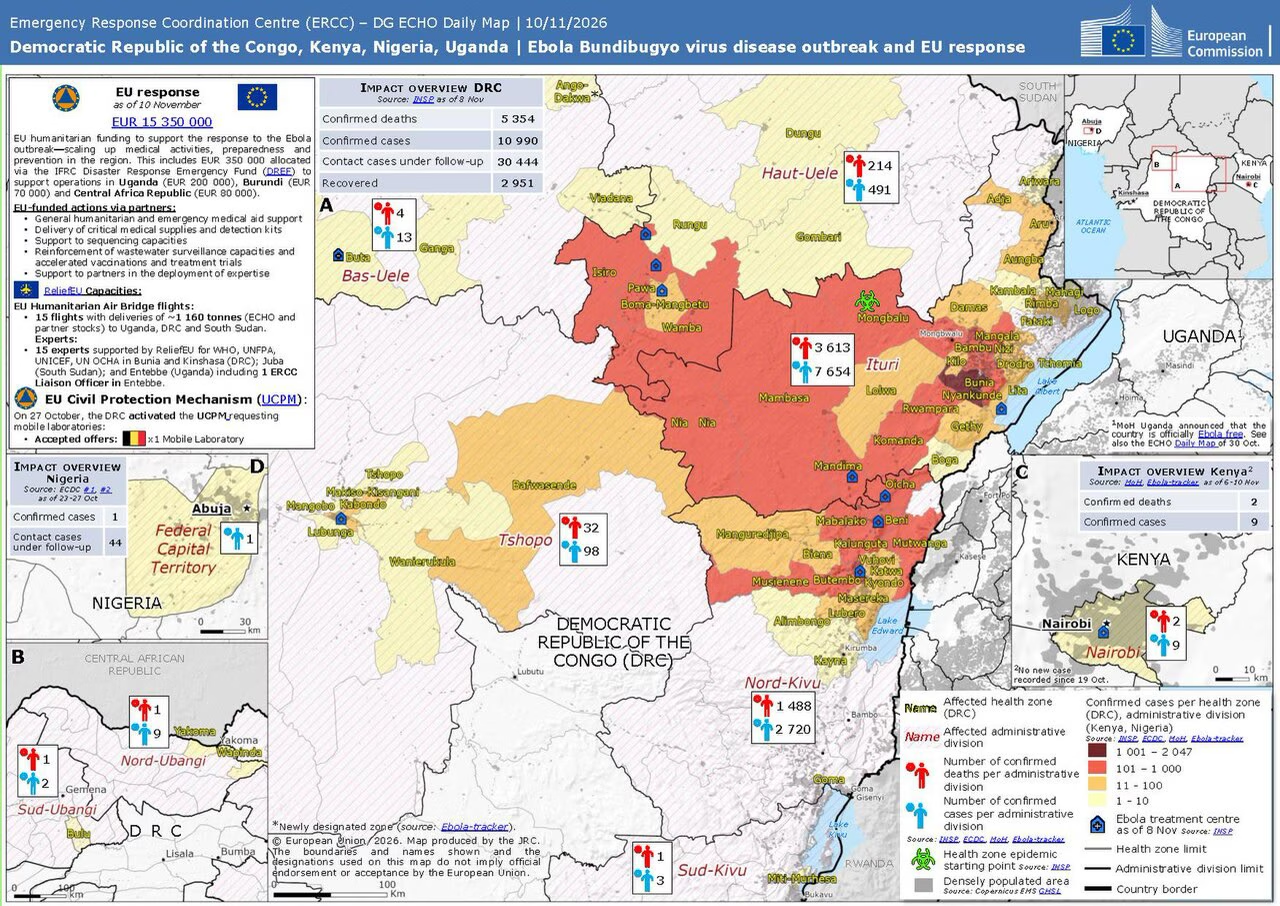
The statement said between 400 and 500 new cases were still being recorded each week and that the outbreak had spread to 67 health zones in 8 provinces. Two-thirds of confirmed deaths are occurring within communities rather than treatment centers, meaning many infections are detected at a late stage.
According to the WHO’s latest disease outbreak bulletin, confirmed cases had reached 10,668 as of November 3, including 5,198 deaths, for a fatality rate of approximately 48.7 percent. Ituri province is the worst affected, with cases recorded in 28 of its 36 health zones, followed by North Kivu.
Fragile progress
Despite the difficulties, Tedros said local response teams and their international partners, led by the government of the Democratic Republic of the Congo, had made hard-won progress, with the spread of infections slowing in many areas that were outbreak hotspots during its early stages.
According to the joint statement, outbreaks in areas including Mungbwalu, Nyakunde, Nizi, Ruampara and Butembo had been brought under control, while new cases in Bunia had fallen by half. The number of laboratories capable of conducting diagnoses rose from 2 to more than 24, about 2,000 beds became available across 104 treatment and transit centers, and around 3,000 people recovered.
The outbreak was declared on May 15, 2026, and 5 countries have recorded cases since then: the Democratic Republic of the Congo, France, Kenya, Nigeria and Uganda. The outbreak in France and Uganda had been contained by August.
Tedros called on donors to close critical funding gaps to ensure the response continues, stressing that the organization would remain alongside the people of the Democratic Republic of the Congo until cases reach zero. He said: "Together, we can end this outbreak, and we will."
Main photo: Anadolu. Photos: German Press Agency (dpa), European Emergency Response Coordination Centre
Stay Updated with Hilal Times
Subscribe to be informed about special news, developments and announcements. We will keep you informed.
By signing up, you agree to our Privacy Policy