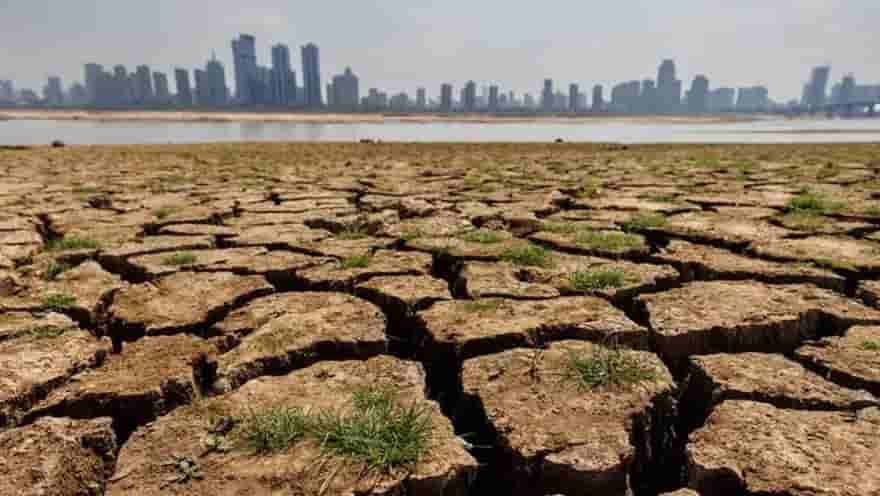
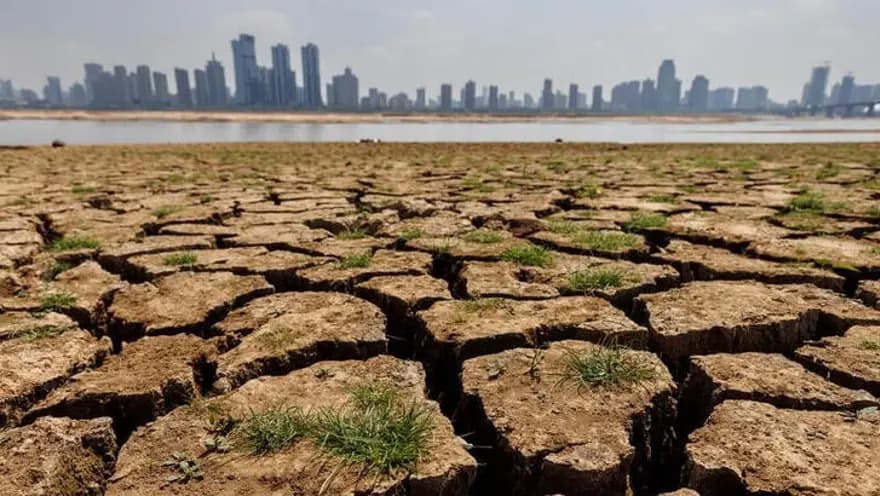
El Niño, a weather phenomenon that risks deepening food crises affecting millions across the region, poses a major threat to Middle Eastern and North African countries. Experts attribute the possibility that the current wave could yield more devastating consequences than the historic 2015-2016 event to six critical reasons.
El Niño, which occurs when sea surface temperatures in the Pacific Ocean anomalously warm, triggers extreme weather events such as droughts and floods worldwide. This phenomenon, occurring every 2 to 7 years, lasts between 9 months and 2 years. The last major El Niño took place in 2015-2016 and, according to World Food Programme data, left 60 million people in Africa, Asia, and Latin America facing severe food insecurity.
The current El Niño is expected to strengthen in August and September and peak in late 2026 or early 2027. Although scientists will clarify the wave's intensity with measurements in the coming months, experts agree that the impact on food security in the Arab world will be more severe due to six key factors.
1. Increasing fragility in agricultural production
Dr. Mohammed Abdulmonem, a member of the Expert Steering Committee on Climate Change and Environment of the Union for the Mediterranean, says El Niño will make production in food-exporting countries even more fragile. “This forced farmers to use less fertilizer or bear higher costs. Consequently, any drought or flood caused by El Niño could result in much larger production losses compared to the past,” Abdulmonem states. According to World Bank data, fertilizer prices rose 35 percent in the first months of 2026 compared to the same period last year.
2. Already strained global food markets
Dr. Mohamed Ali Fahim, head of the Climate Change Information Centre at Egypt's Agricultural Research Centre, points out that unlike the 2015 major wave, today's global food markets are already under stress. “We are now grappling with high energy costs, shipping disruptions in the Red Sea, the Russia-Ukraine war, and expensive fertilizers. That is why the current El Niño will hit a market that is already strained,” Fahim says.
3. Growing import dependency fueled by population growth
Over the last decade, the population of Arab countries has grown by about 50 million, while local agricultural production has not kept pace. According to reports by FAO and the Arab Fund for Economic and Social Development, many Arab countries import 50 to 70 percent of their grain needs. “This means that if a global contraction in wheat or rice occurs due to El Niño, the region will be far more vulnerable than it was a decade ago,” Dr. Fahim says.
4. The situation worsened by regional conflicts
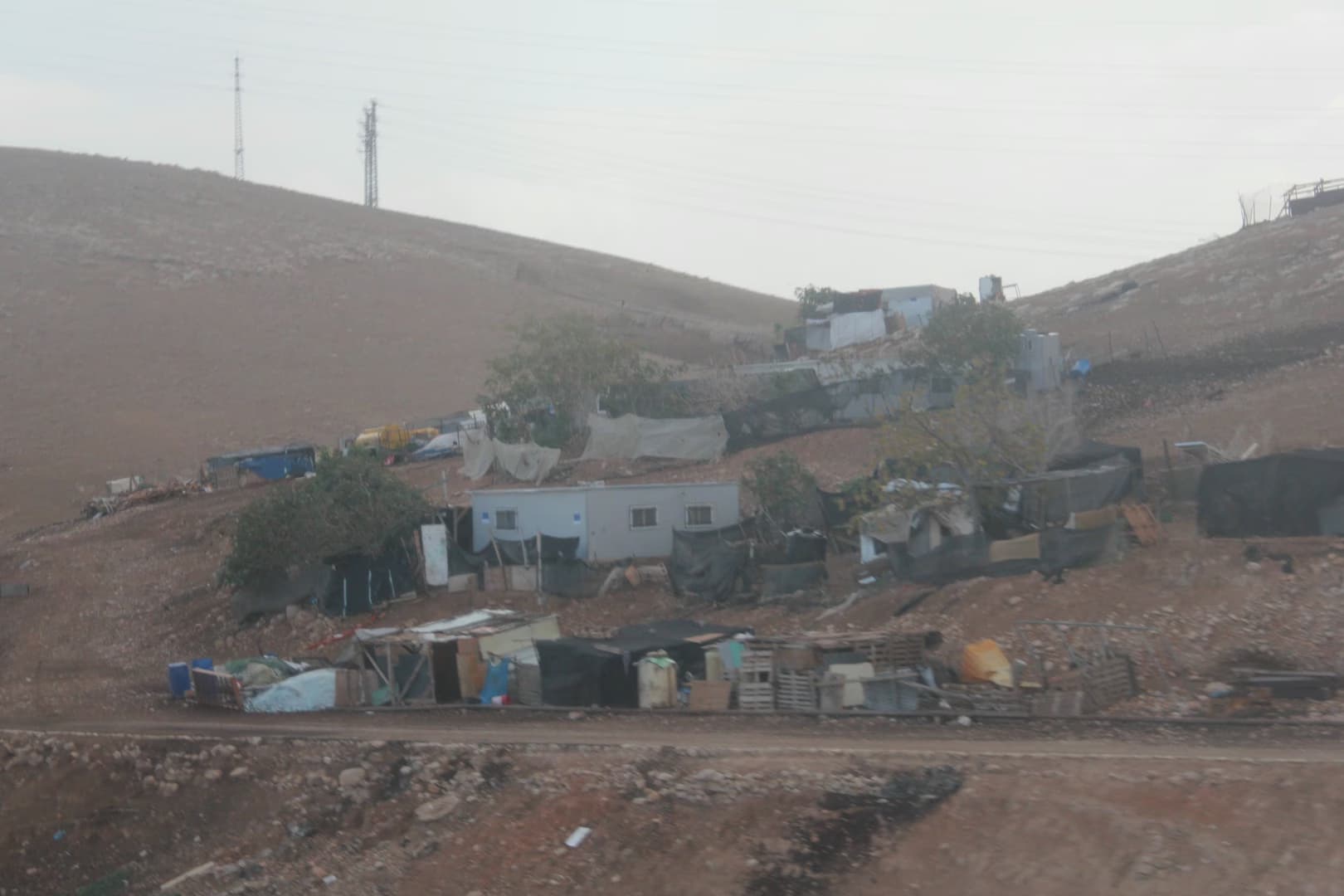
Abir Atfa, spokesperson for the United Nations World Food Programme in the Middle East, North Africa, and Eastern Europe, says: “More than 33 million people in the region, including in Gaza, Yemen, Syria, and Lebanon, are already facing food insecurity and hunger. El Niño could increase pressure on food systems that are already struggling with conflicts, economic difficulties, and climate risks.” Dr. Mohammed Fari, a senior programme specialist at the FAO Yemen office, notes that conflicts have disrupted climate change adaptation programmes.
5. Unprecedented economic challenges
Even countries outside conflict zones face severe economic pressures. World Bank reports show that many food-importing countries are grappling with high debt, depreciating local currencies, and budget deficits. In import-dependent countries such as Egypt, Tunisia, Jordan, and Lebanon, any increase in wheat or vegetable oil prices will be far more disruptive for governments and households than it was in 2015.
6. High vulnerability of the region to El Niño
Dr. Abdulmonem stresses that the impact on local producers will also be greater. In Arab countries, 95 percent of vegetables, 96 percent of fruit, and 36.8 percent of cereals are produced by local farmers. Dr. Alaa Hamwiyeh, a grains expert at FAO headquarters in Italy, says: “The Arab region is already an El Niño hotspot. In the Fertile Crescent, winter precipitation can decrease by up to 40 percent, wheat and barley yields drop, and the levels of the Tigris and Euphrates rivers recede.”
Experts agree that El Niño presents a real test for the region's food security system. “The best strategy is to anticipate impacts rather than wait for them, and to convert climate data into early agricultural and trade decisions,” Dr. Hamwiyeh urges.