- BIST10011,843+1.51%
- USD50.28+0.05%
- EUR55.60-0.24%
- GOLD3,886.30+0.03%
- INTEREST36.00%-1.00
- BITCOIN64,249+0.20%
- November 15, 202612°
- BIST10011,843+1.51%
- USD50.28+0.05%
- EUR55.60-0.24%
- GOLD3,886.30+0.03%
- INTEREST36.00%-1.00
- BITCOIN64,249+0.20%
- November 15, 202612°
WHO: Nearly 950,000 displaced people in Gaza face flood risk
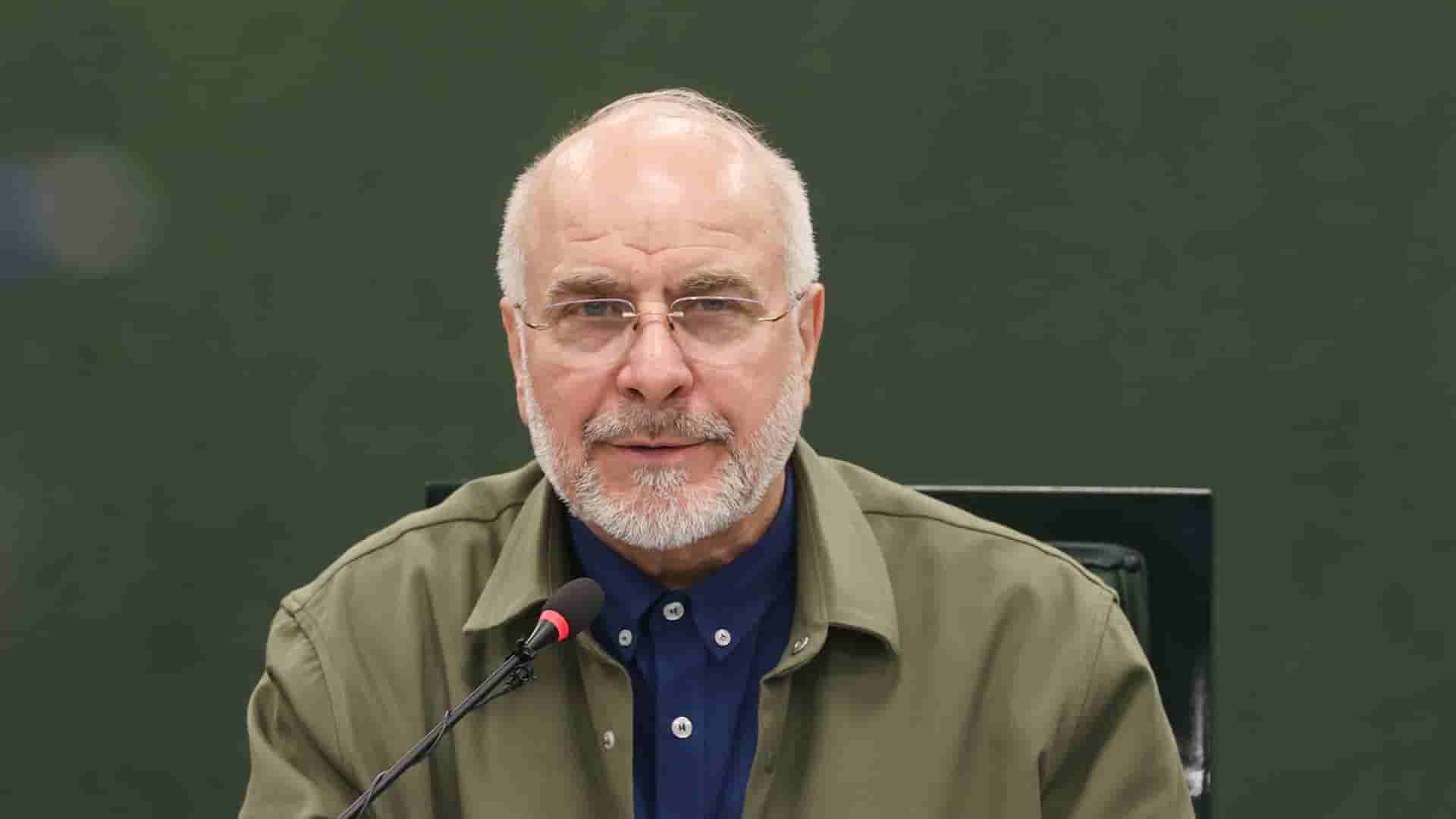
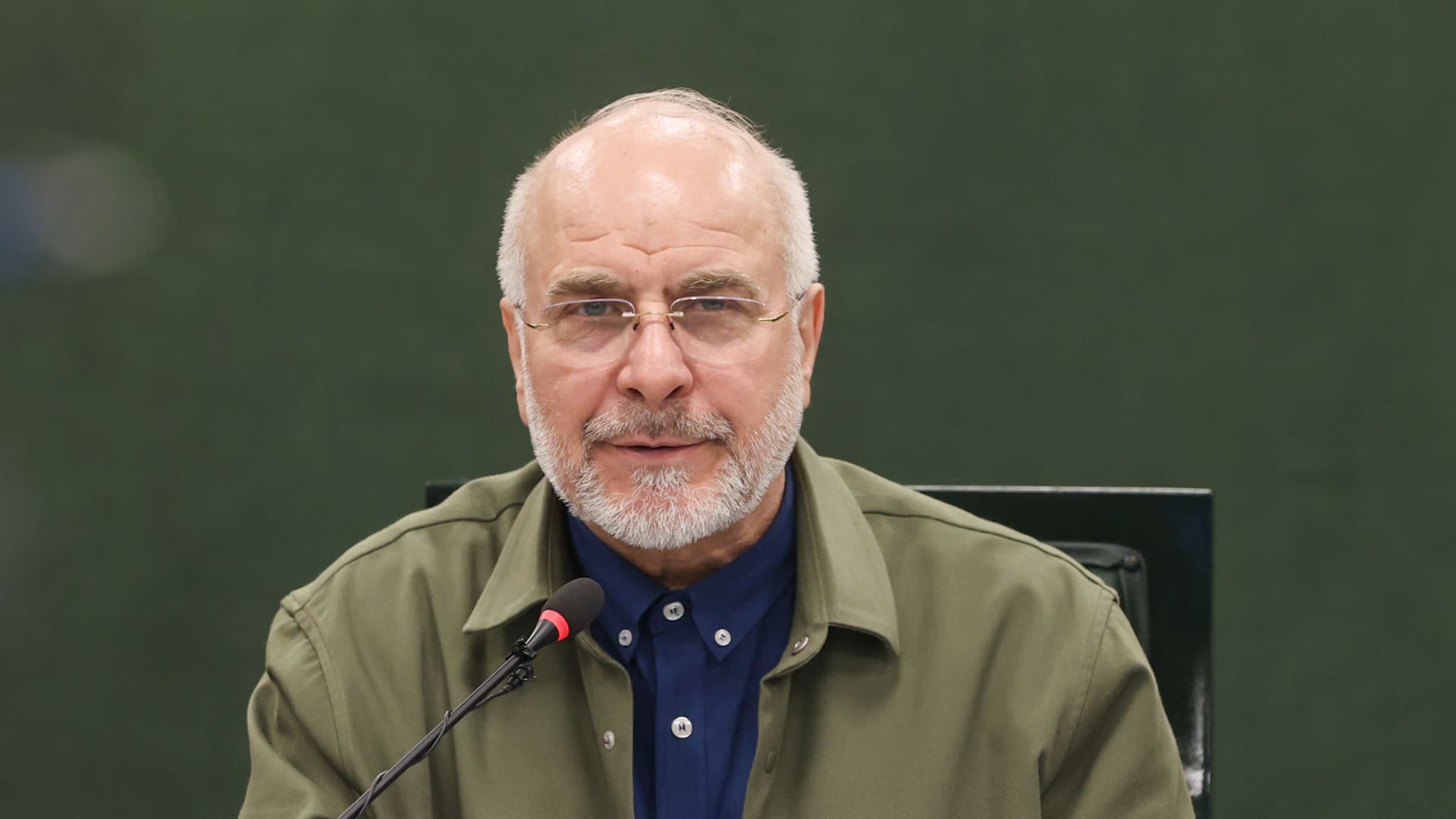
Reinhelde van de Weerdt, the World Health Organization’s representative in the occupied Palestinian territories, said 400,000 of them are in highly dangerous locations, warning that the worst is yet to come as Gaza approaches its fourth winter.
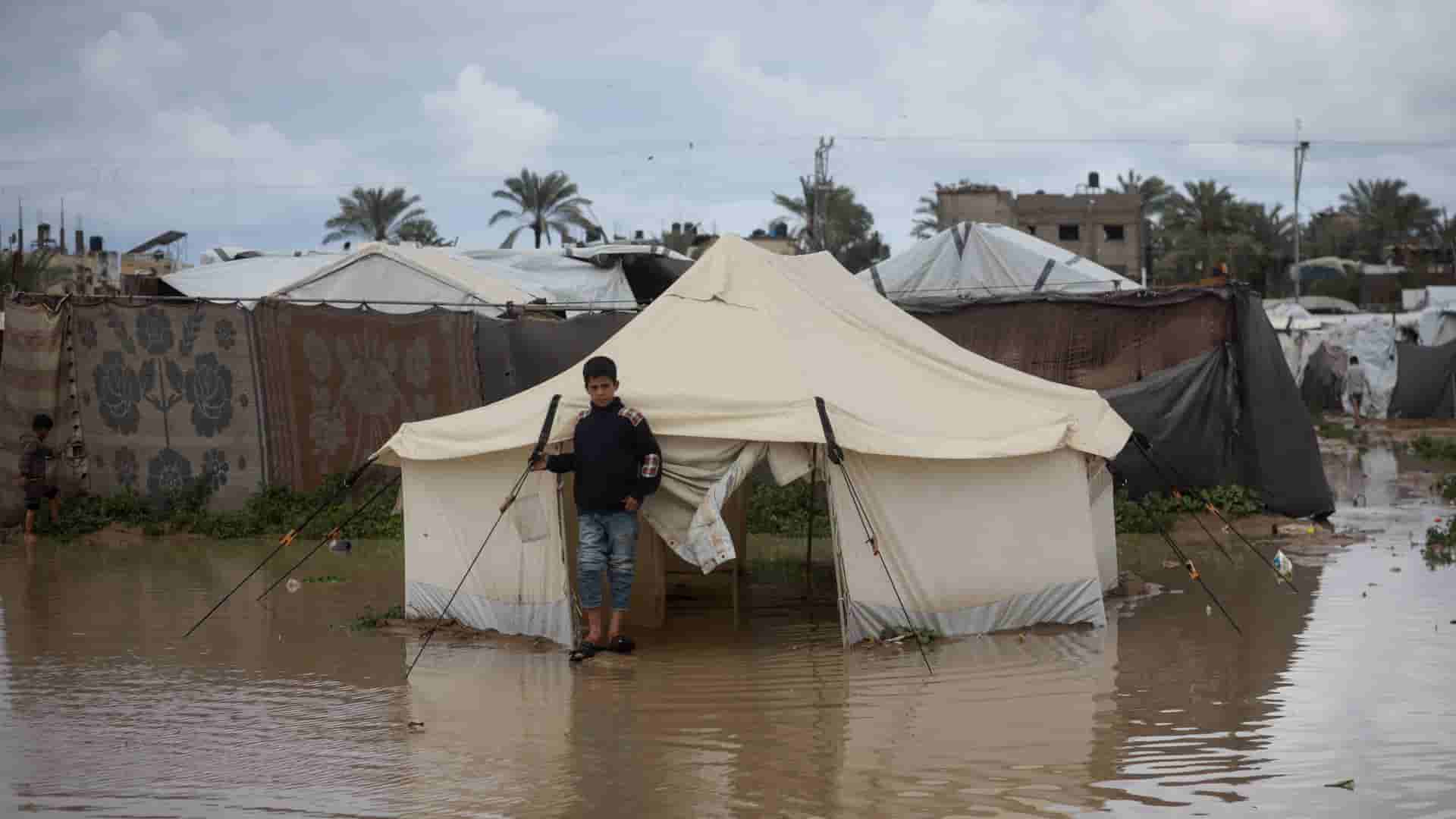
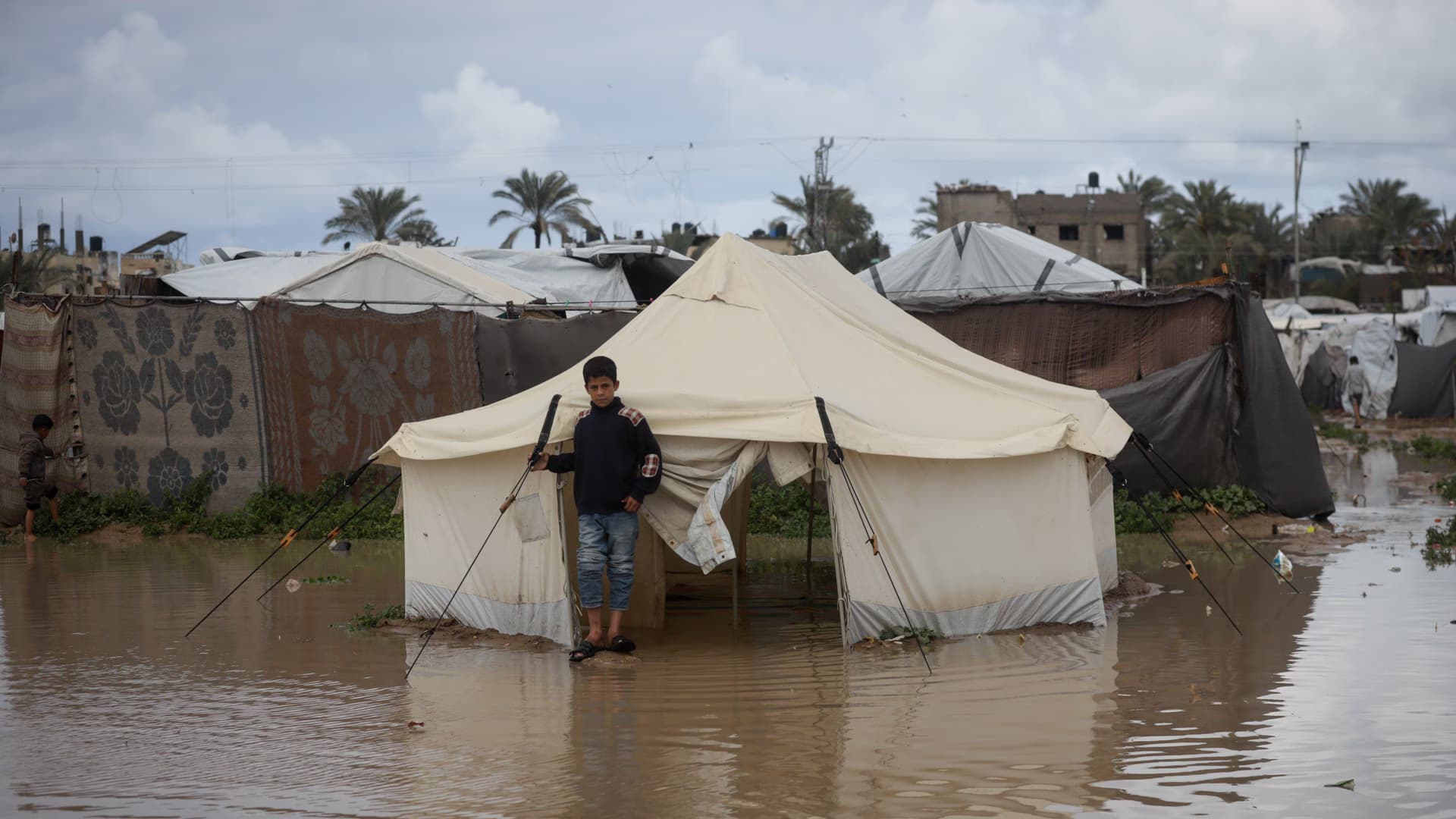
Reinhelde van de Weerdt, the World Health Organization’s representative in the occupied Palestinian territories, said nearly 950,000 displaced people in the Gaza Strip are living in areas at risk of flooding, including 400,000 in highly dangerous locations.
Speaking online during the United Nations Office at Geneva’s weekly press briefing, van de Weerdt said, “A few days of rain this week showed what awaits us in the coming months, even though winter has not actually begun yet, and the worst is yet to come.”
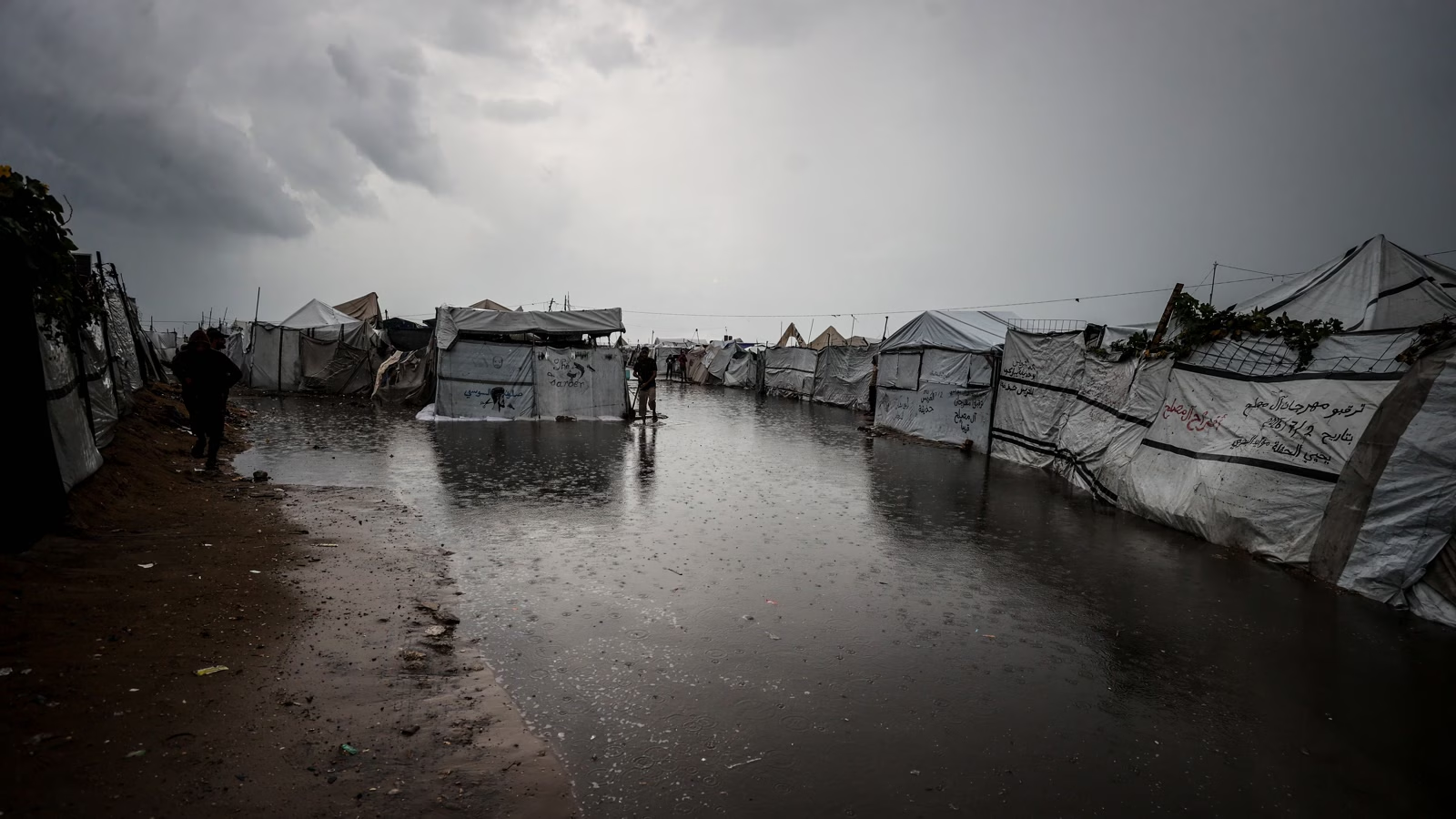
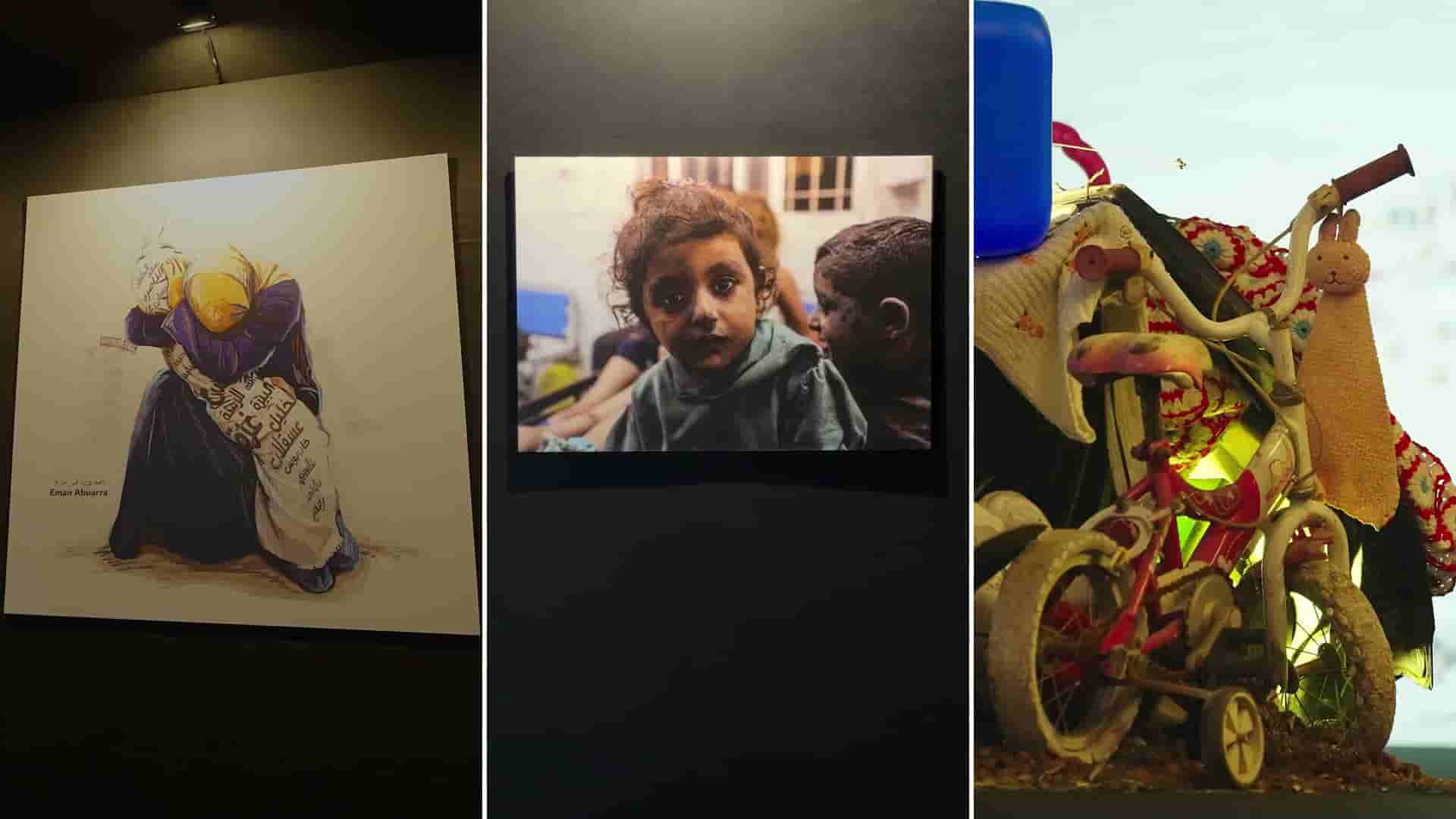
She said the organization’s teams had met families whose tents were swept away by floodwaters, noting that for many, those tents were their only shelter and the only space they possessed.
Cold and damp conditions bring disease
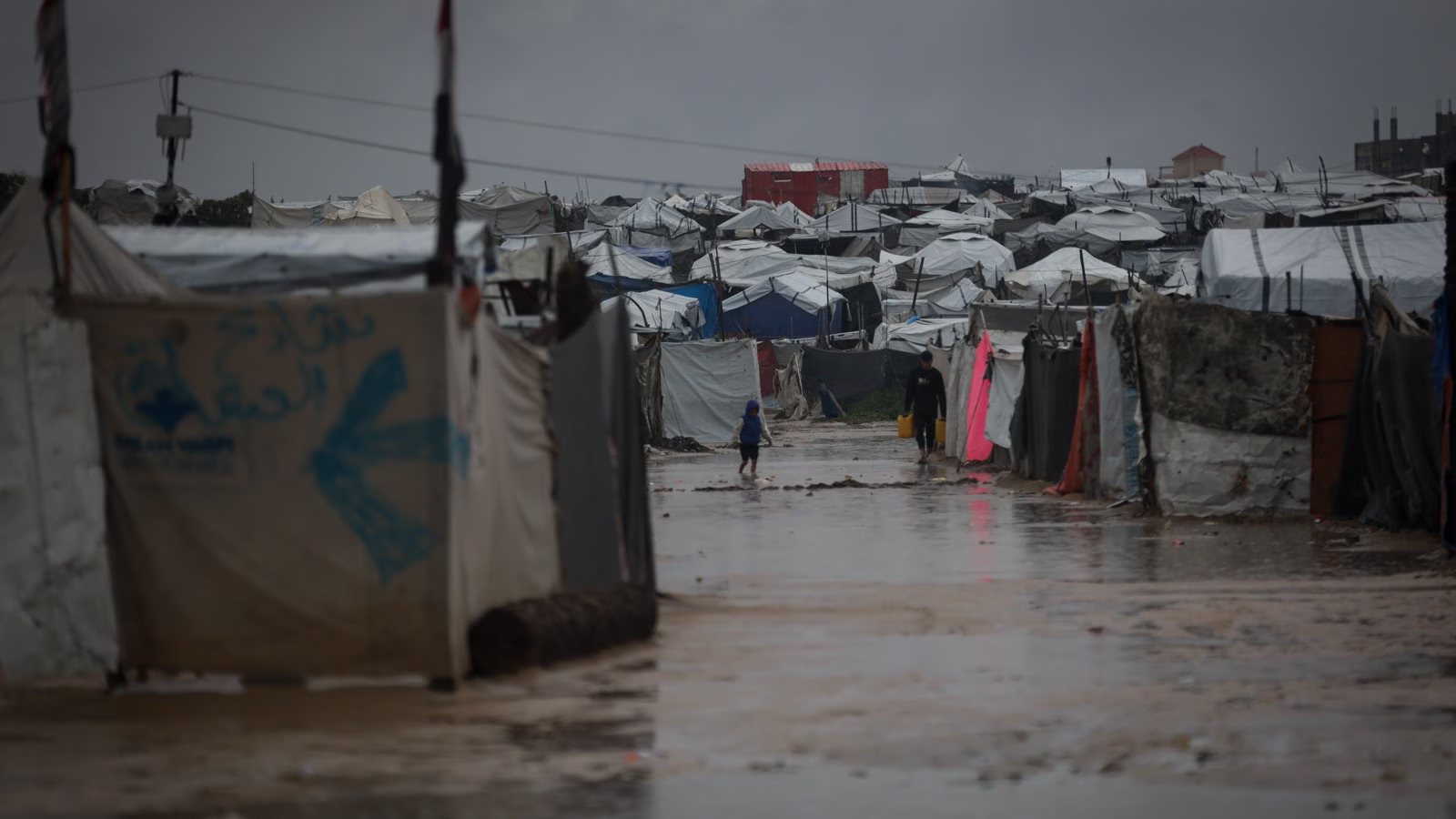
The UN official warned that cold and damp conditions bring disease and deepen families’ suffering. “In flooded camps, sewage, waste and contaminated water mix with the places where people sleep, cook and care for their children,” she said. She added that stagnant water becomes a breeding ground for mosquitoes and insects, while damp tents create conditions for mold and bacteria to grow, which are among the main causes of respiratory infections in young children.
Van de Weerdt said cases of acute respiratory infections in Gaza had risen by 33,000 compared with the same period last year, accounting for 11 percent of all medical consultations before winter began. She said partners had reported damage to around nine health facilities, while heavy rains were preventing medical staff from reaching their workplaces and patients from reaching clinics.
Restrictions on the entry of medical supplies
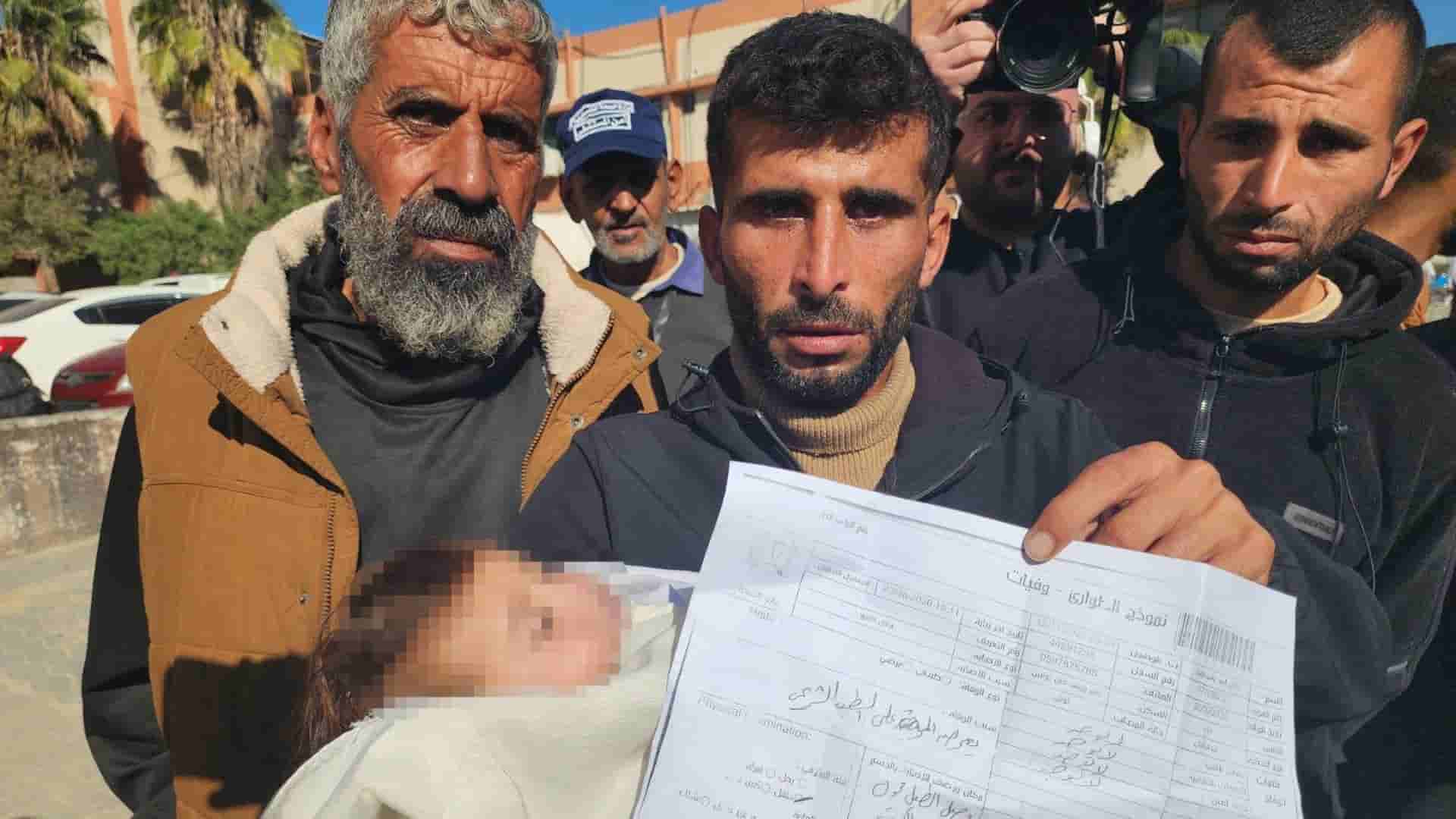
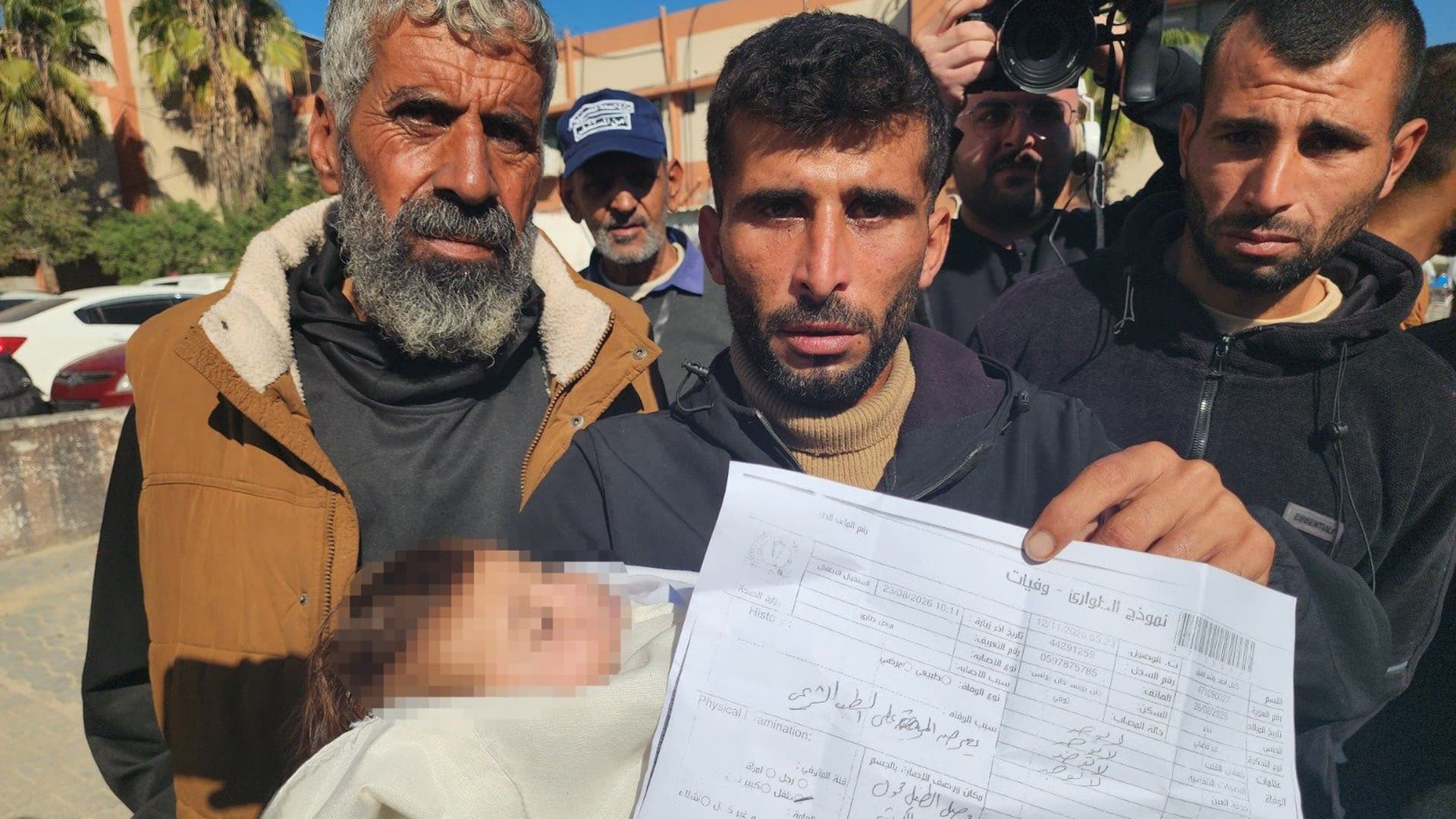
Responding to a question from an Anadolu Agency correspondent, van de Weerdt confirmed that an infant in Gaza had died from the cold, pointing to “serious restrictions and obstacles” to bringing in medical supplies on a large scale. She said this posed a major problem for the early detection of outbreaks, calling for the immediate entry of laboratory equipment, as well as medical devices, spare parts, generators and fuel.
She said health services in Gaza were facing intensive attacks and that each attack undermined the efforts of the organization and its partners to keep the health system functioning despite severe shortages of fuel and supplies. She called for tents, durable plastic sheeting, tarpaulins, clean water supplies and waste-management equipment, stressing that “Gaza’s fourth winter will once again test a health system already exhausted to its limits.”
Photos: Anadolu Agency
Have a story, event or announcement of your own?Send us your news on WhatsApp
Spotted an error in this story?Report it on WhatsApp
Share on all social platforms
Sponsored Ads
Featured Listings
Loading featured properties...
Stay Updated with Hilal Times
Subscribe to be informed about special news, developments and announcements. We will keep you informed.
By signing up, you agree to our Privacy Policy