- BIST10011,483+1.32%
- USD50.07+0.05%
- EUR55.96-0.52%
- GOLD4,074.90-0.94%
- INTEREST36.00%-1.00
- BITCOIN75,711-0.06%
- November 8, 20267°
- BIST10011,483+1.32%
- USD50.07+0.05%
- EUR55.96-0.52%
- GOLD4,074.90-0.94%
- INTEREST36.00%-1.00
- BITCOIN75,711-0.06%
- November 8, 20267°
Asunción protests erupt after Ueno Bank freezes deposits and 32,000 pensions
Angry depositors took to the streets of Paraguay’s capital demanding the return of their savings after the central bank placed the country’s largest digital bank under resolution proceedings. The Social Security Institute holds about $380 million at the bank.
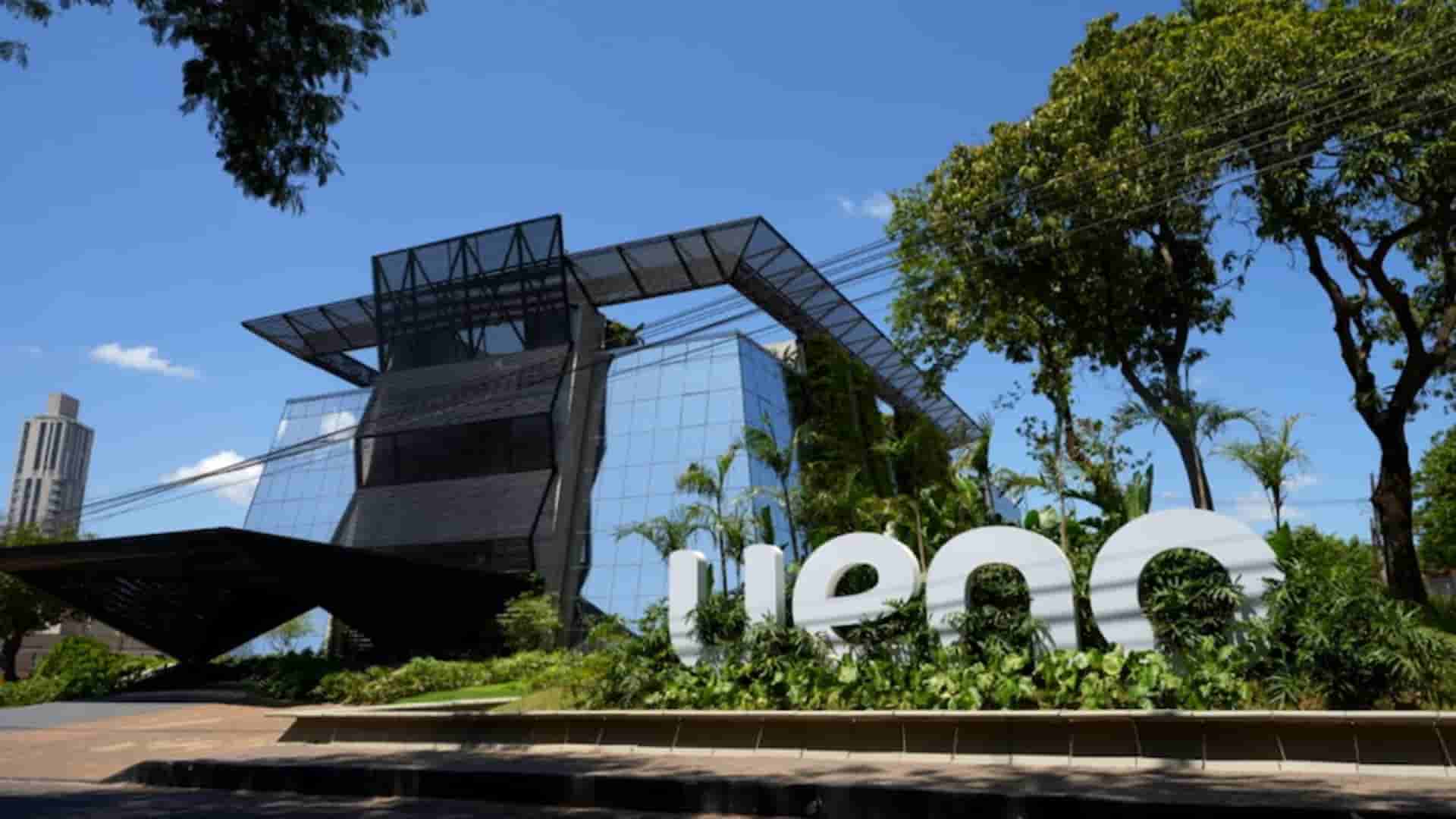
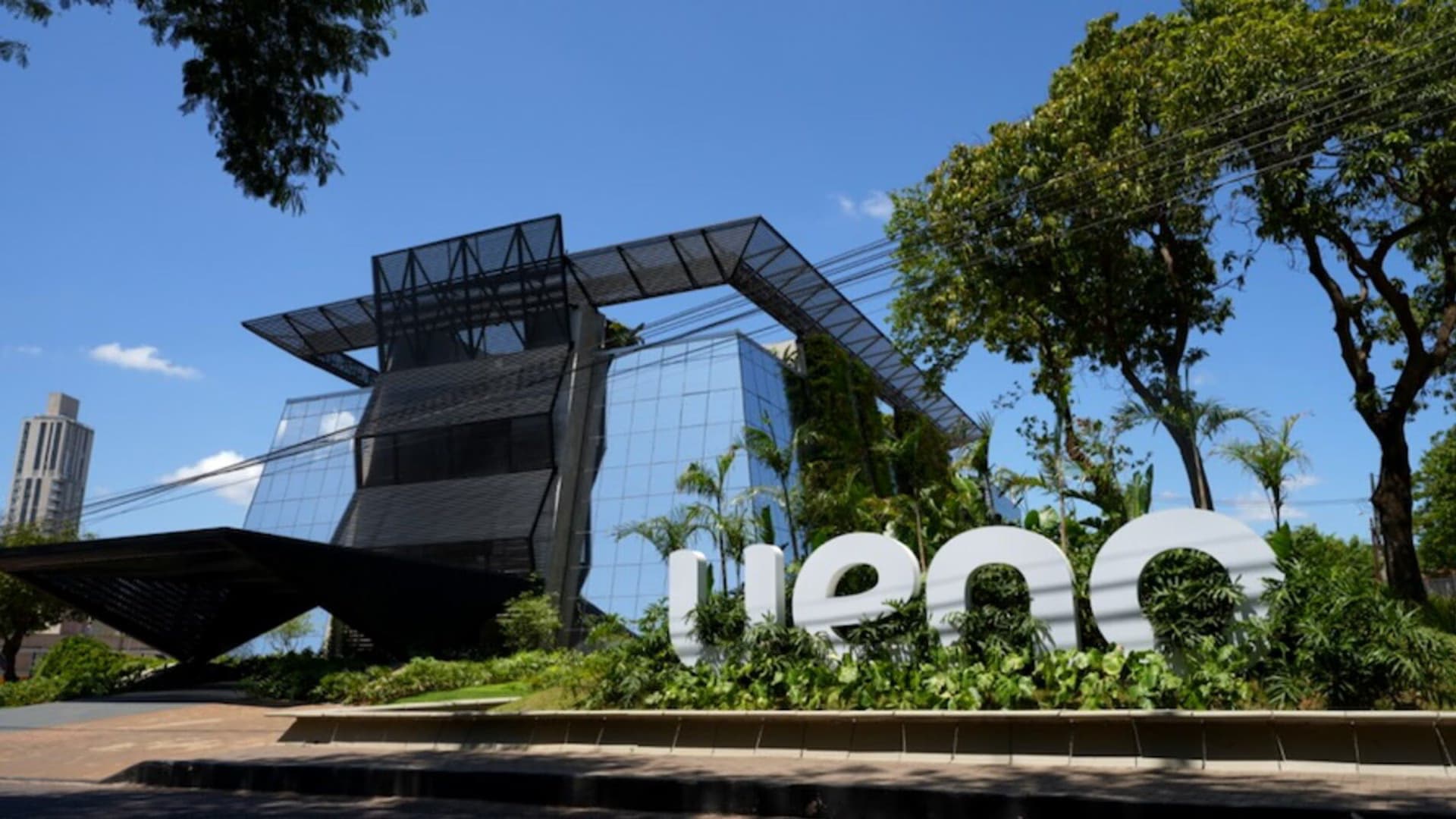
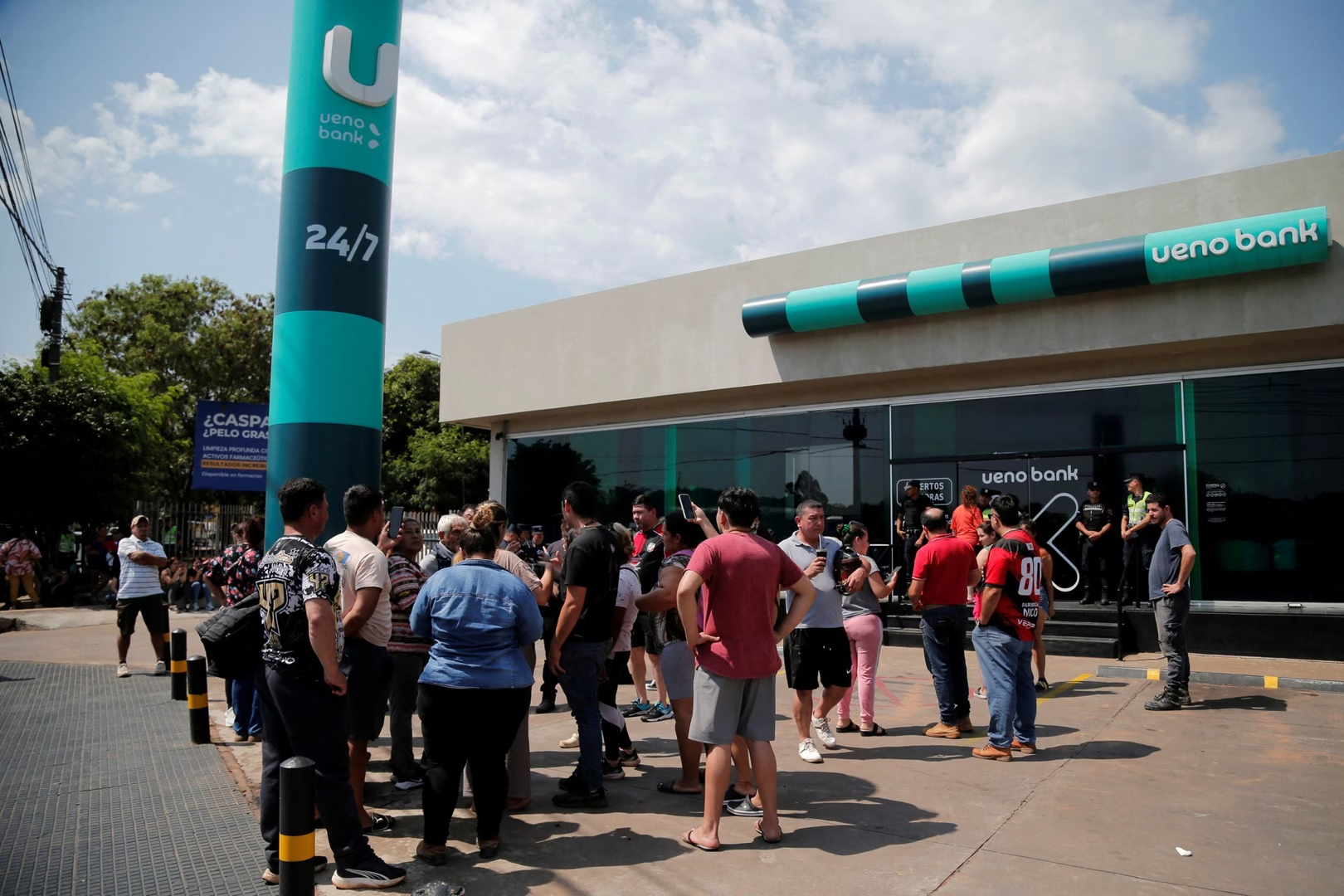
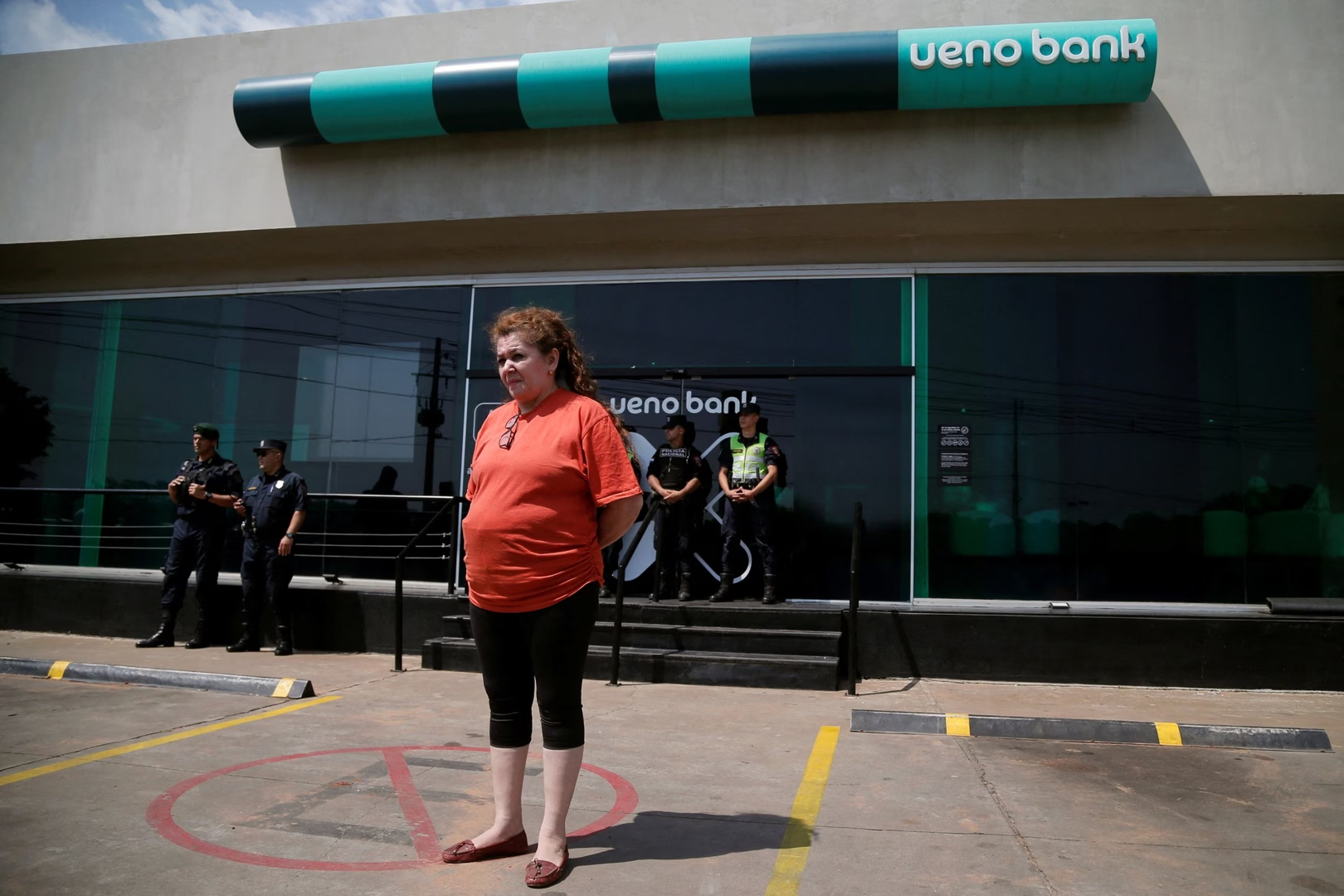
Hundreds of customers of Ueno Bank, Paraguay’s largest digital bank, took to the streets of the capital Asunción on Tuesday evening, November 3, demanding the return of their savings after suddenly finding themselves unable to access their money. The protesters gathered near the National Pantheon of the Heroes and outside Mburuvicha Róga, the official residence of President Santiago Peña, while another group announced plans to stage an overnight sit-in near Congress.
Protest organizer Jorge Ramírez told EFE that those affected had been deprived of their salaries and basic financial services. The protesters demanded the full return of pension funds and an independent investigation, while some called for the president to leave office.
The protests followed a unanimous decision by the board of Paraguay’s central bank on Monday, November 2, to place the bank under banking resolution proceedings under Law 2334/03 on deposit guarantees. The decision came after its capital adequacy ratio fell to 5.56%, less than half the legal minimum of 12%. From Tuesday morning, the bank’s app, debit and credit cards stopped working, and its branches closed, leaving about 3 million customers unable to check or withdraw their balances.
32,000 retirees and social security funds
The crisis is particularly affecting retirees, as about 32,000 of them received their pensions through Ueno. The Social Security Institute (IPS) holds about $380 million in the bank’s bonds and time deposits, while public funds held there are estimated at between $800 million and $850 million. Gladys Vera, the institute’s director of finance, confirmed that November pensions would be paid through another institution and that the next payment was scheduled for November 17. She added that the institute would take legal action and transfer affected retirees to new banks.
What awaits depositors?
The deposit guarantee fund covers up to 228.3 million guaraníes, or about $38,000, for each depositor. That amount equals 75 times the minimum wage and covers nearly 97% of customers. About 87,000 savers whose balances exceed the threshold may have difficulty recovering the difference. According to a central bank notice published by ABC Color, the fund’s advance payment will be transferred to the depositor’s account at another bank or to a savings account opened in the depositor’s name. The process is to begin within 24 hours and take no more than five business days, with overdue debts owed to the bank deducted.
On the legal front, prosecutors detained eight bank officials, including its founder, Federico Miguel Vázquez, for investigation on suspicion of breach of trust. Central Bank President Carlos Carvallo resigned at President Peña’s request. The central bank says the incident is an isolated case and does not indicate broader disruption in the financial sector.
Cover image: Open sources. Images in the article: Reuters. Video: Social media. Sources: EFE, La Nación, Latin Times, Asunción Times, Infobae and ABC Color
Stay Updated with Hilal Times
Subscribe to be informed about special news, developments and announcements. We will keep you informed.
By signing up, you agree to our Privacy Policy