- BIST10011,843+1.51%
- USD50.28+0.05%
- EUR55.60-0.24%
- GOLD3,886.30+0.03%
- INTEREST36.00%-1.00
- BITCOIN64,591+0.73%
- November 15, 202612°
- BIST10011,843+1.51%
- USD50.28+0.05%
- EUR55.60-0.24%
- GOLD3,886.30+0.03%
- INTEREST36.00%-1.00
- BITCOIN64,591+0.73%
- November 15, 202612°
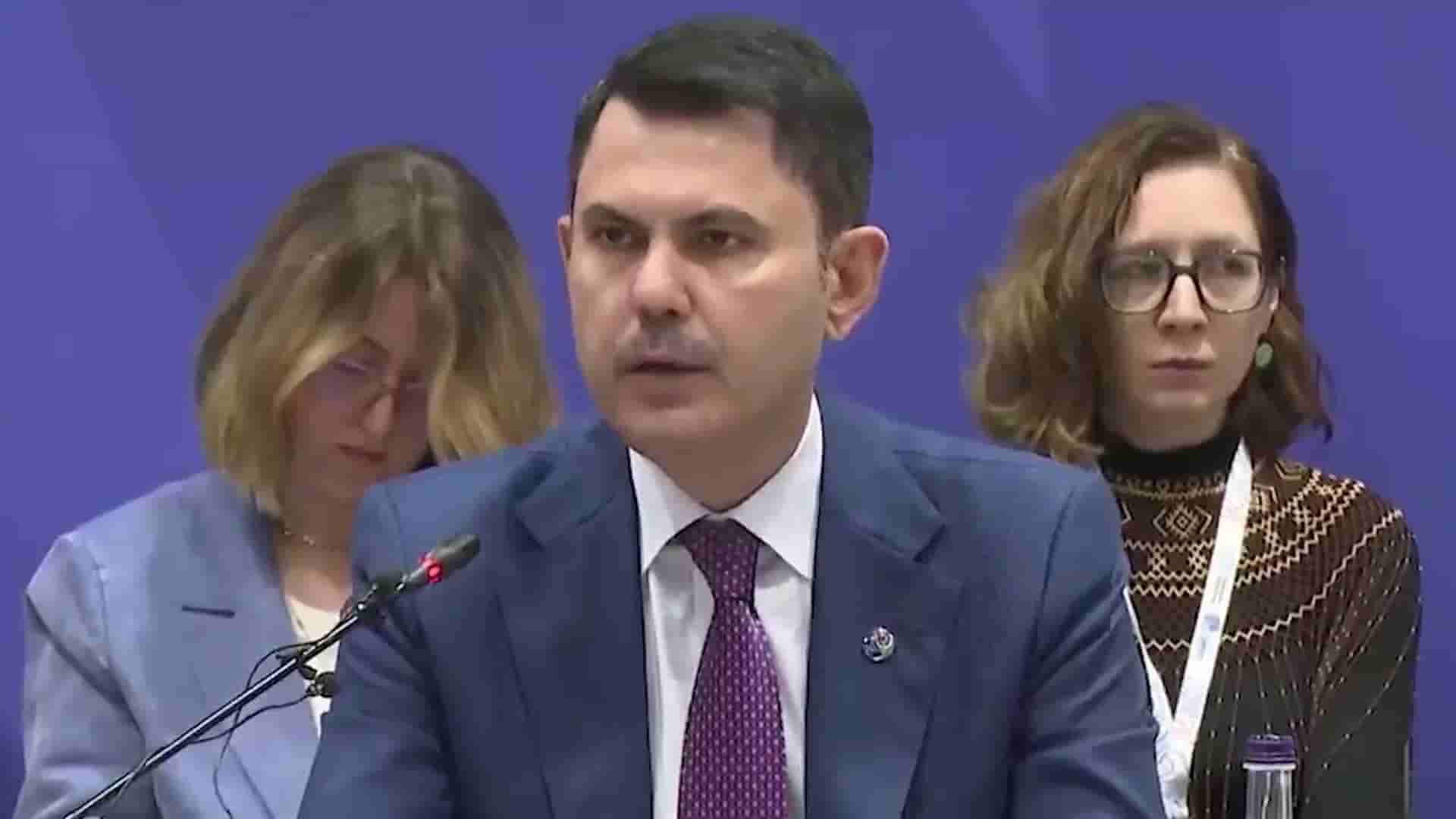
UNDP chief: Developing countries have had no time to recover since COVID-19
UNDP chief Alexander De Croo said at COP31 in Antalya that successive shocks, from the pandemic to the closure of the Strait of Hormuz and El Niño, are burdening developing countries. He called for climate finance to reach tangible projects on the ground.
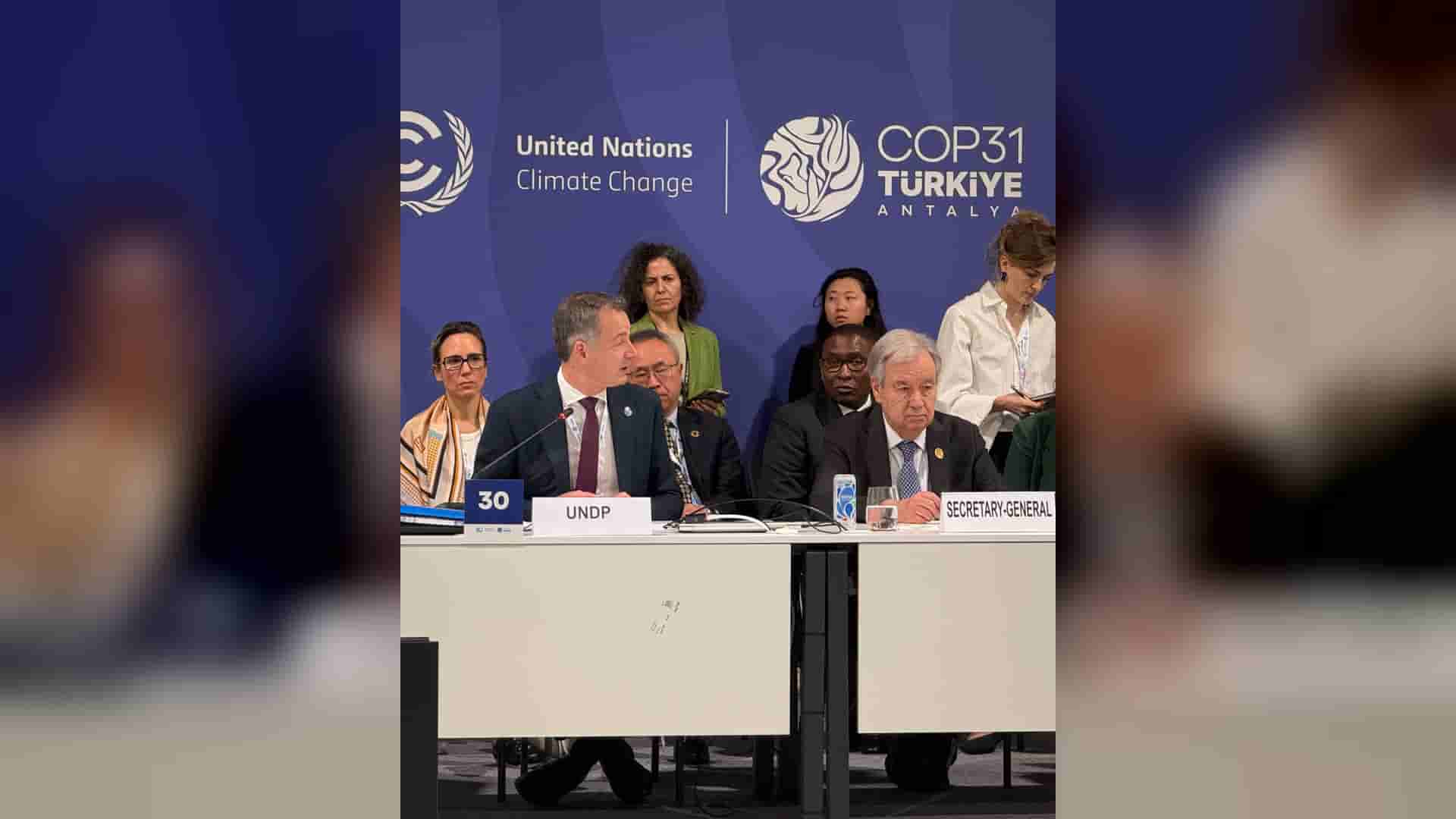
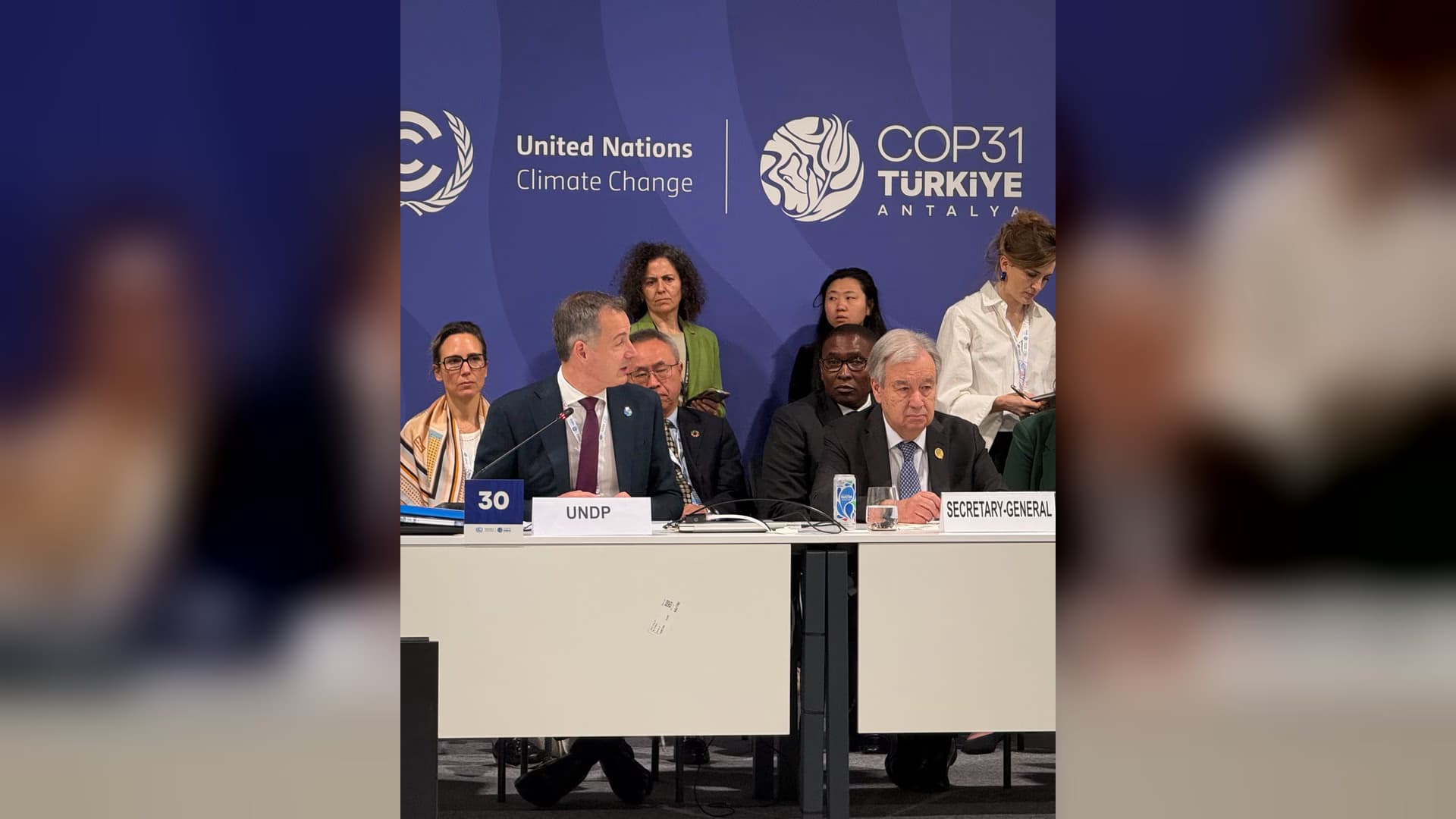
UNDP chief Alexander De Croo said developing countries are facing a succession of shocks that have left them no opportunity to recover. He made the remarks on the sidelines of the 31st Conference of the Parties to the United Nations Framework Convention on Climate Change (COP31), held in Antalya, Türkiye.
De Croo told Agence France-Presse that developing countries have had no time to recover since the COVID-19 pandemic, which was followed by the economic fallout from the war in Ukraine, the closure of the Strait of Hormuz, and now El Niño and higher financing costs. He said the cost of each shock is accumulating on top of the others.
El Niño threatens Africa with billions in losses
The UN official said hedging against the effects of the current El Niño requires $36 billion if action is taken now, compared with $73 billion if action is delayed. A report issued by the UNDP this week cited African Development Bank estimates that the phenomenon could cause between $10 billion and $20 billion in damage in African countries.
De Croo acknowledged that the cost of capital is sometimes high in developing countries because of uncertainty. He said the UNDP is working with 47 countries on policy and legal reforms to strengthen investor confidence, because investment does not go where confidence is absent.
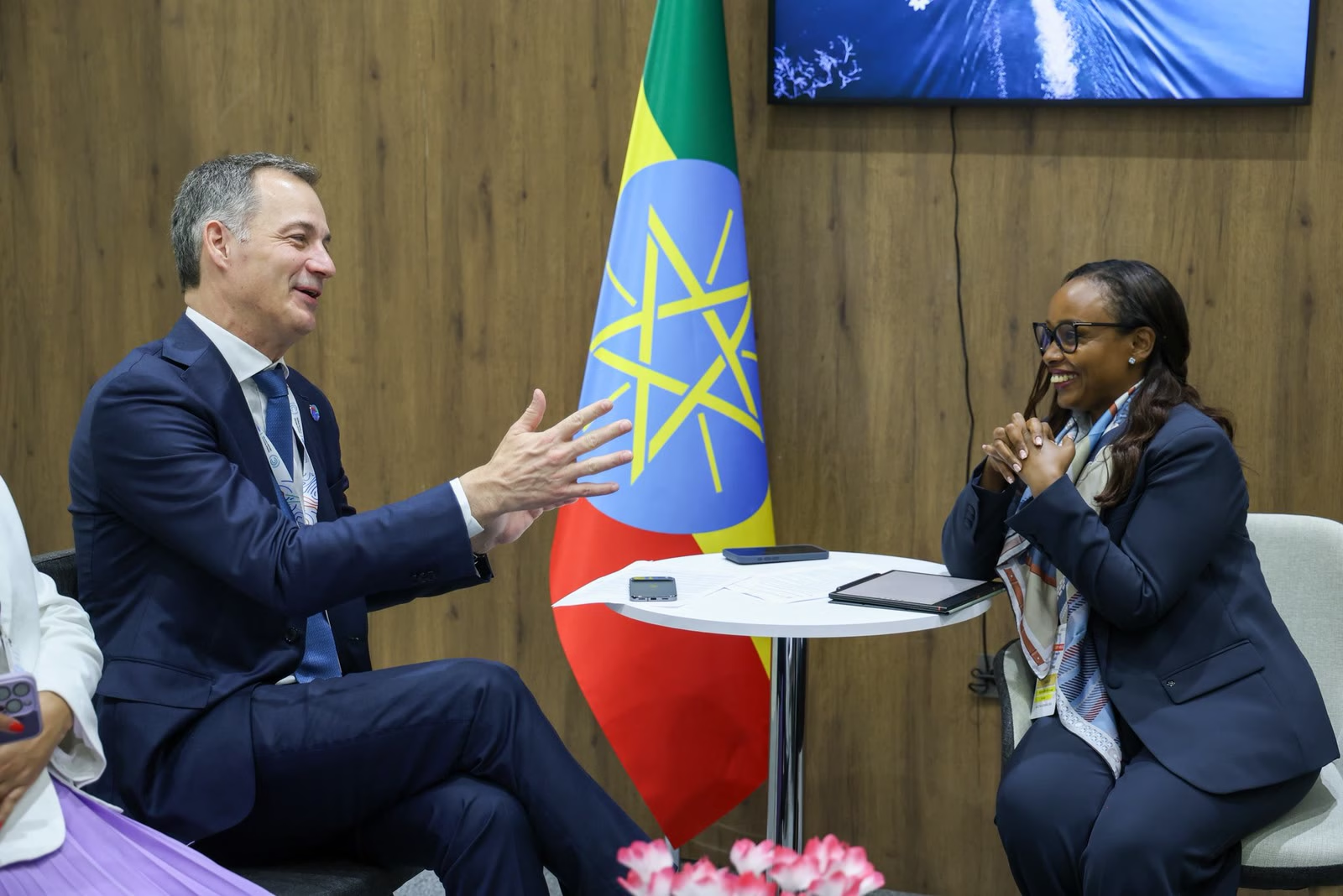
In Antalya, De Croo met Ethiopian Finance Minister Fitsum Assefa and discussed how the UNDP's Investment Accelerator and the BRIDGE initiative could help attract investment to the energy and infrastructure sectors, among others. He also expressed the UNDP's readiness to help Ethiopia prepare to successfully host COP32.
Bridging plans and financing
Speaking to Anadolu Agency, De Croo said the long-standing cooperation between the UNDP and Türkiye had taken concrete shape through the Climate Implementation Bridge initiative (BRIDGE), launched by the COP31 presidency to link national climate plans with financing and projects. He added that a climate plan alone changes nothing, and that things change when financing arrives and projects get underway.
The initiative was launched in September with the participation of Ethiopia, Fiji, Indonesia, Pakistan and Uzbekistan, before Chile, Mexico, Barbados, Zambia and Lebanon joined on Friday.
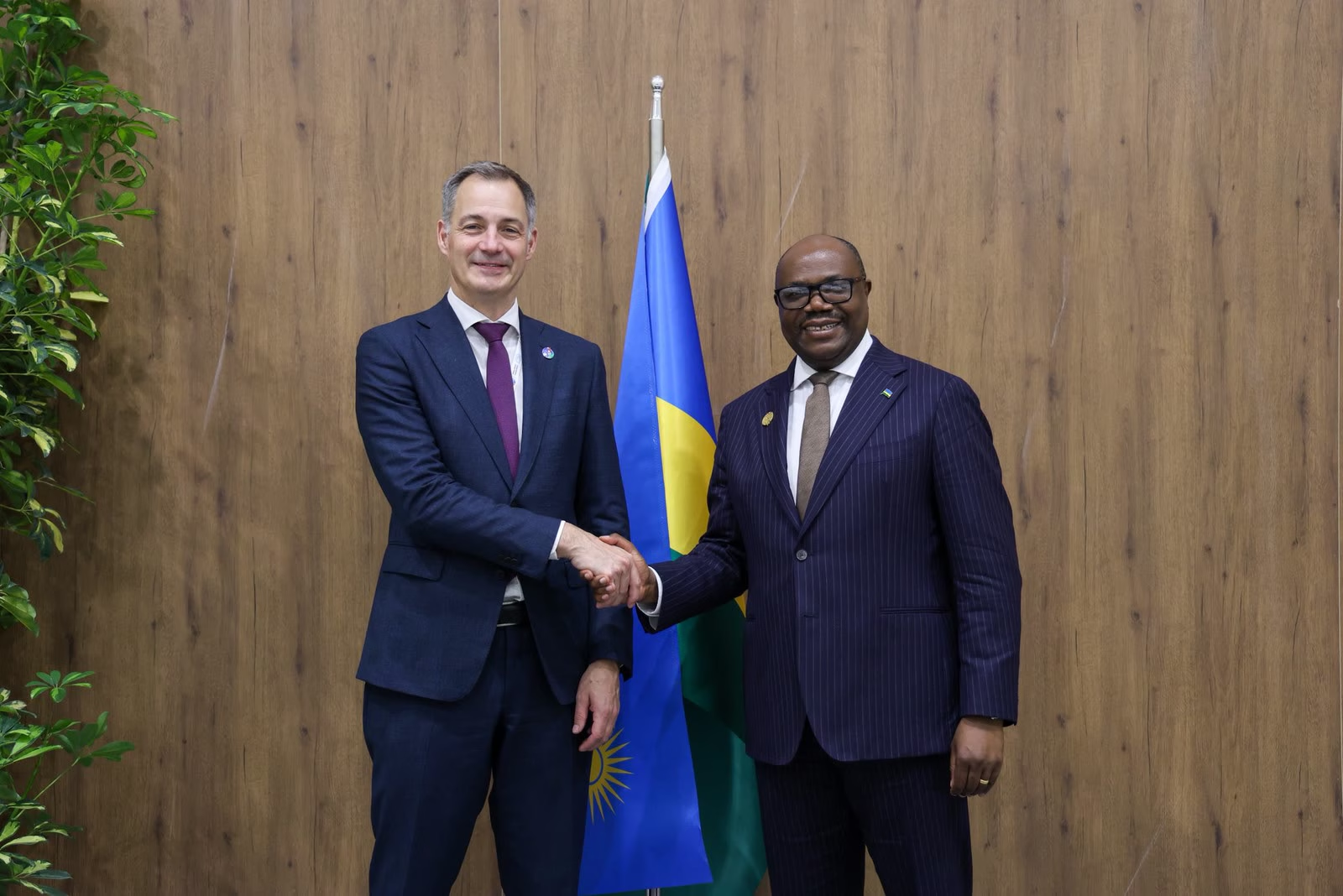
De Croo also met Rwandan Prime Minister Justin Nsengiyumva, and they discussed strengthening cooperation on climate action as Rwanda prepares to chair the Group of 77 and China in 2027. He also took part alongside UN Secretary-General António Guterres in a meeting of the Global Grids Accelerator, through which the UNDP, as one of the initiative's convening organizations, leads investment in modern electricity grids in Africa and elsewhere.
De Croo urged the private sector not to wait and to engage in projects at an early stage, saying that inaction is the "most expensive climate policy" that can be pursued.
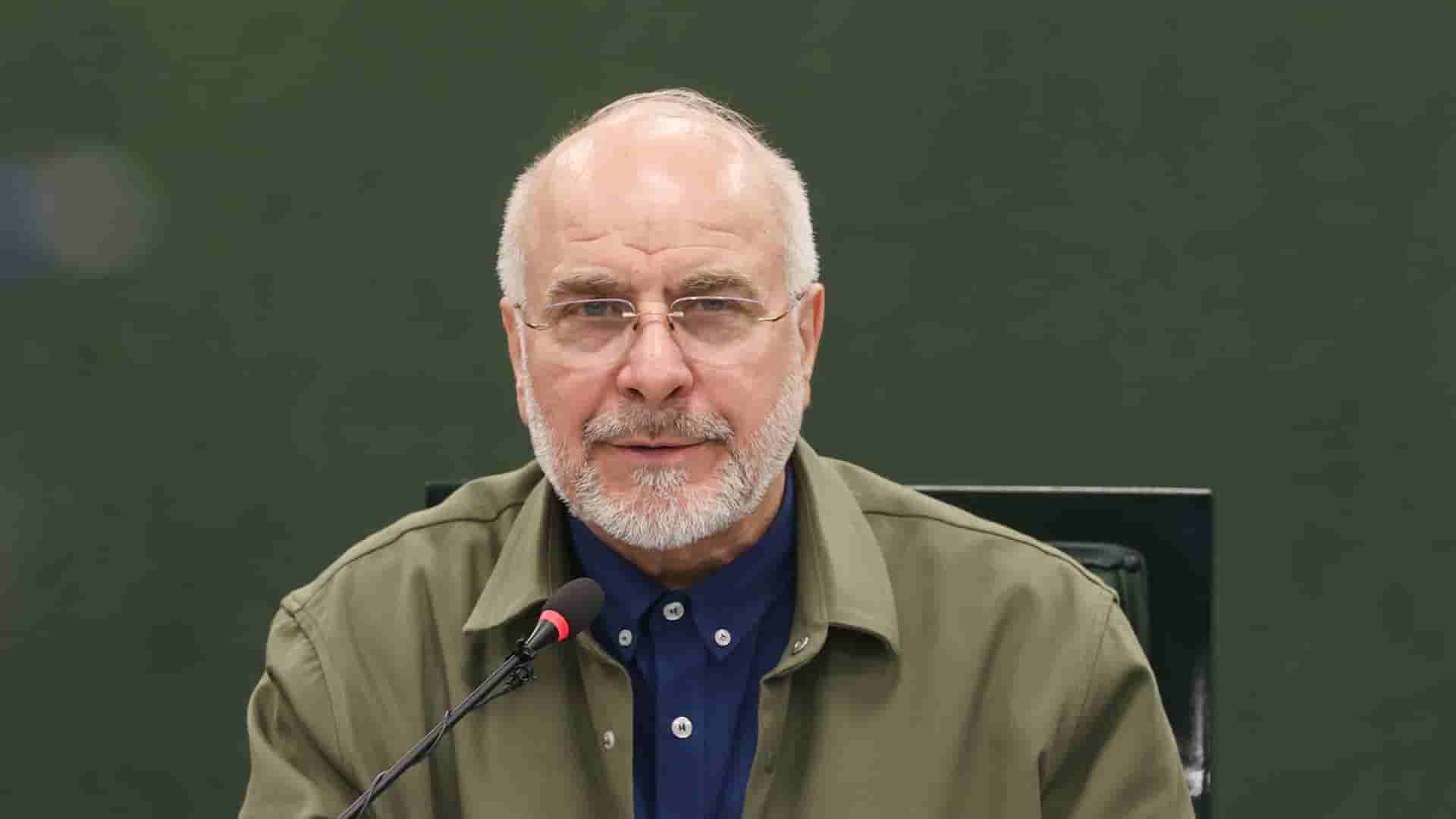
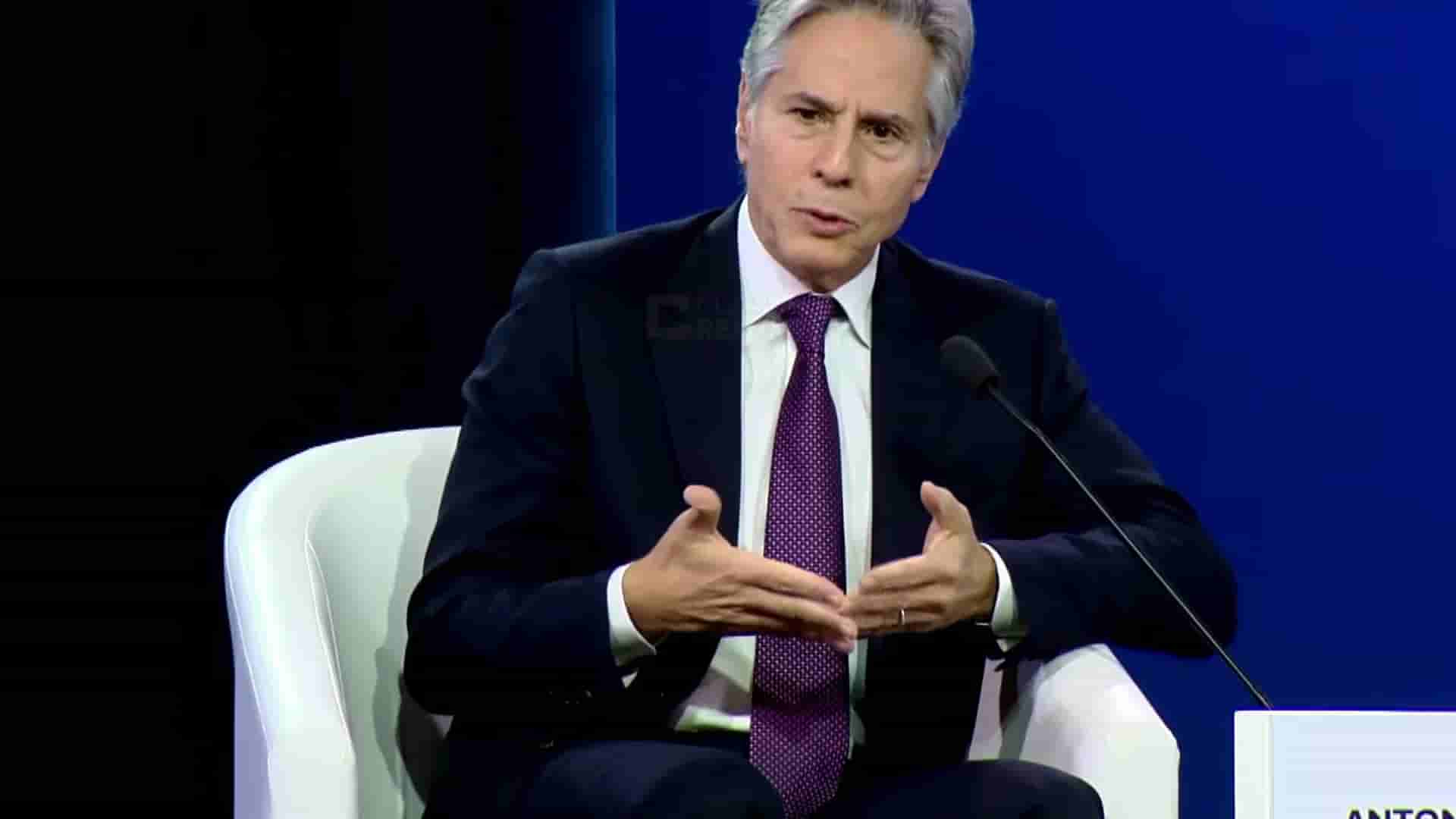
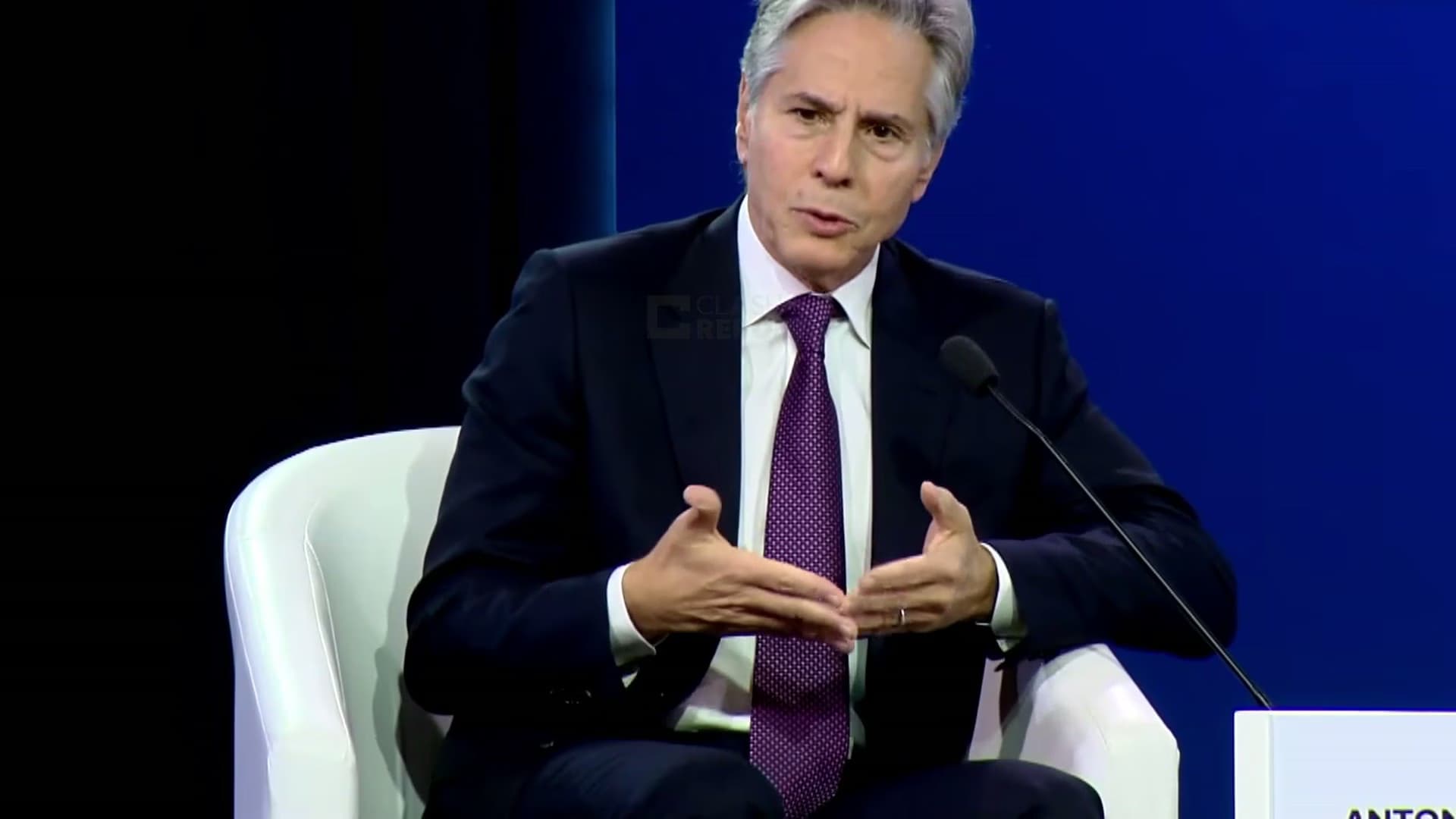
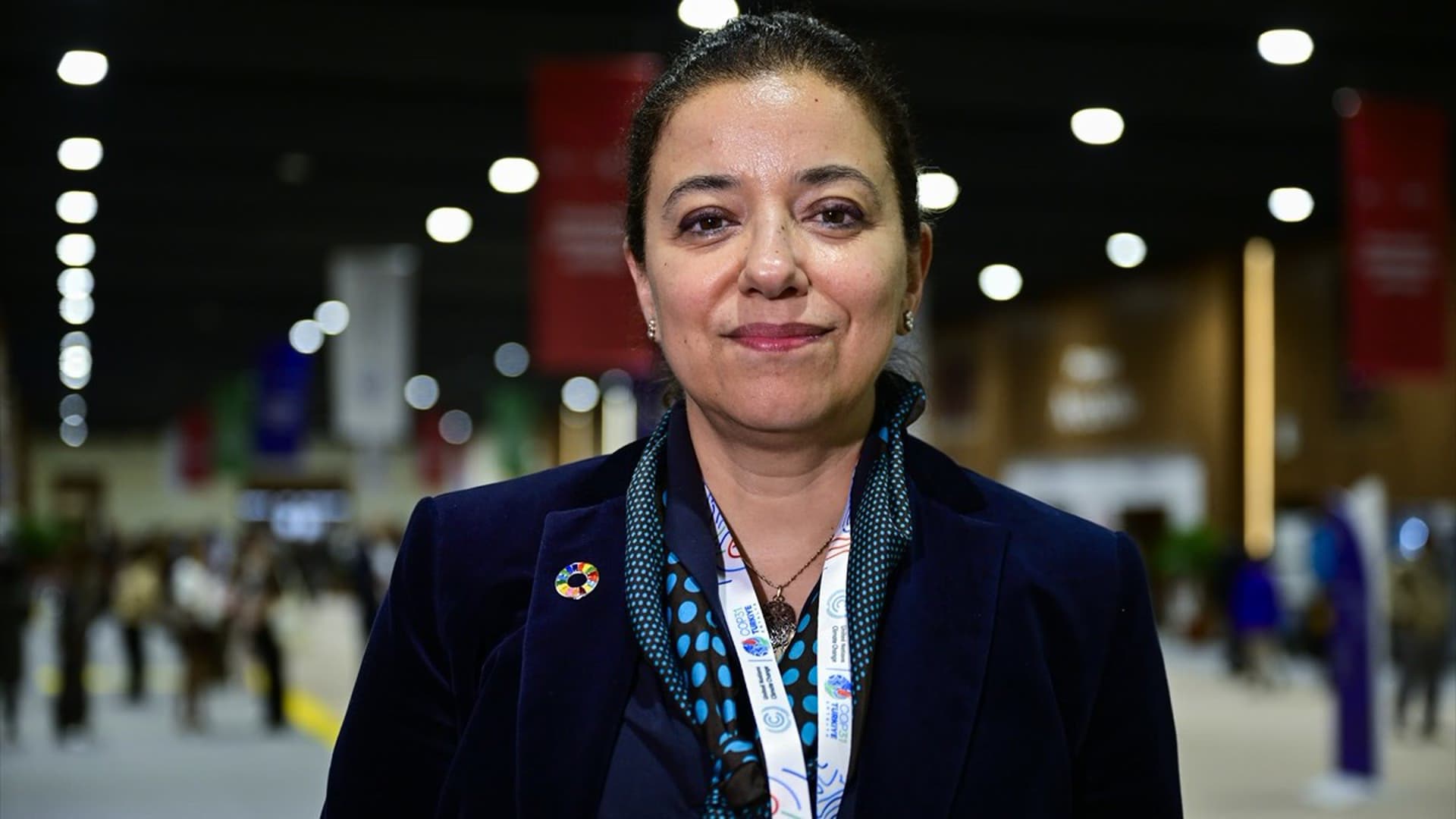
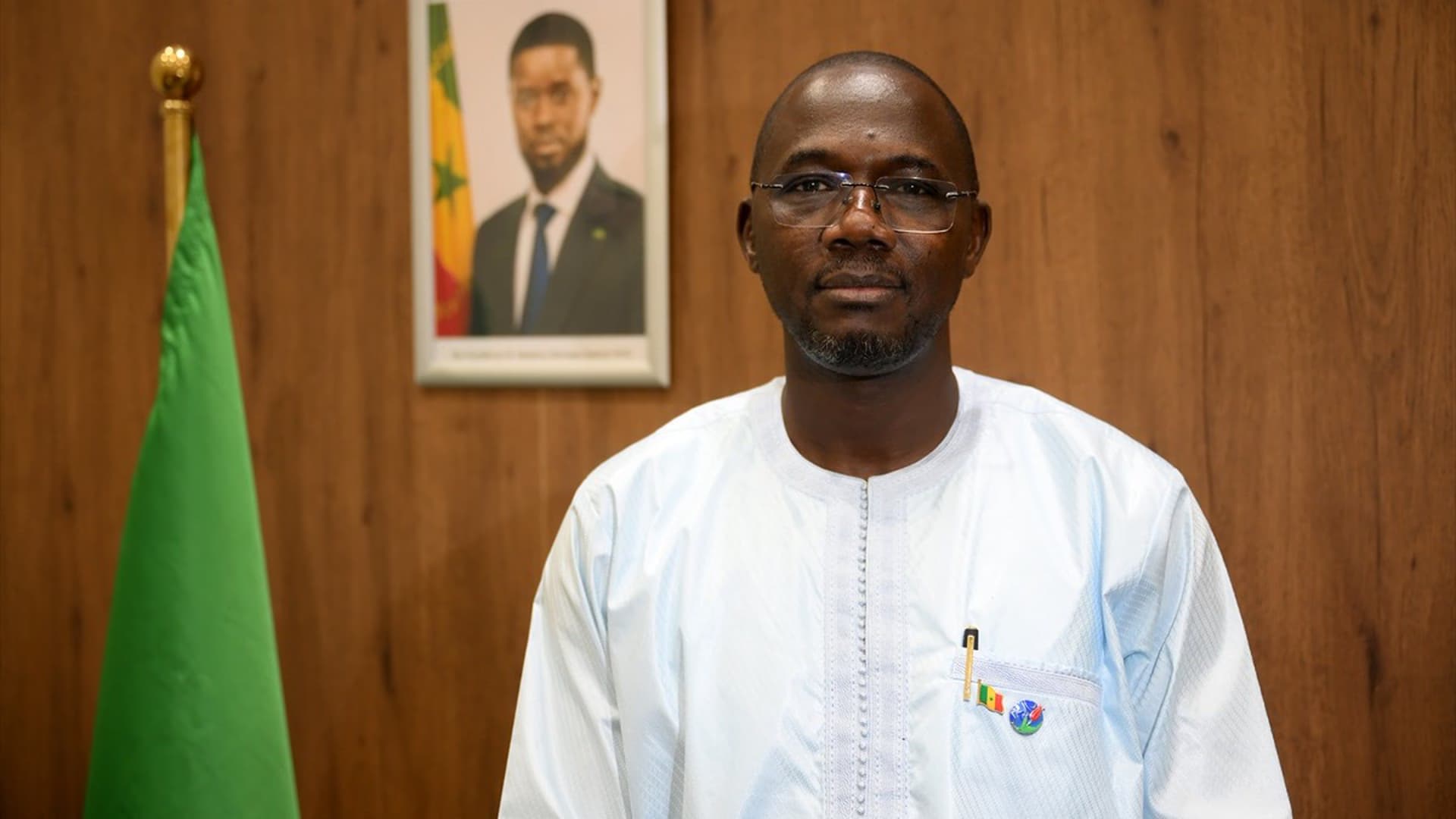
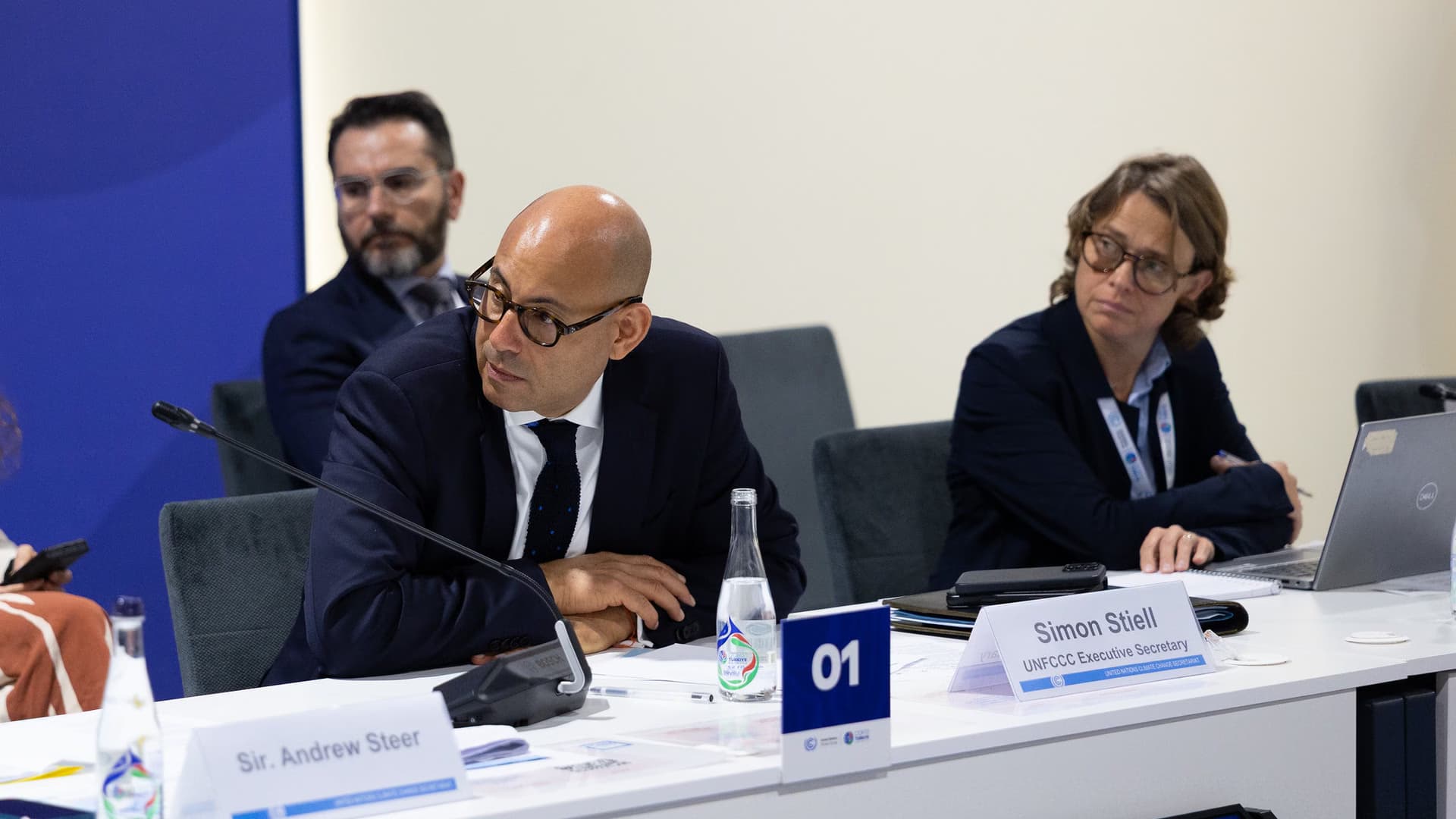
Photos: UNDP chief Alexander De Croo
Stay Updated with Hilal Times
Subscribe to be informed about special news, developments and announcements. We will keep you informed.
By signing up, you agree to our Privacy Policy