- BIST10011,798+3.22%
- USD49.58+0.05%
- EUR55.62+0.09%
- GOLD4,133.40-0.22%
- INTEREST37.00%-1.00
- BITCOIN82,735-0.25%
- October 21, 202611°
- BIST10011,798+3.22%
- USD49.58+0.05%
- EUR55.62+0.09%
- GOLD4,133.40-0.22%
- INTEREST37.00%-1.00
- BITCOIN82,735-0.25%
- October 21, 202611°
34 migrants die as 60,000 cross from Morocco into Spain's Ceuta
At least 34 migrants died trying to cross from Morocco to Ceuta, Spain's autonomous city in North Africa. Spanish Prime Minister Pedro Sanchez called the crossings a violation of sovereignty, while EU leaders reacted to the situation.


At least 34 migrants died trying to cross from Morocco to Ceuta, Spain's autonomous city in North Africa. Regional President Juan Jesus Vivas confirmed the death toll and announced that around 60,000 people had crossed the border by land and sea in the last 24 hours.
Spanish Prime Minister Pedro Sanchez travelled to Ceuta to examine the situation on the ground. Sanchez described the crossings as a violation of Spain's sovereignty. The Spanish Interior Ministry reported that as of Friday, around 25,000 people had been returned from Ceuta to Morocco.
The head of the Civil Guard union in Ceuta, Rachid Sbihi, described the situation as a 'serious humanitarian crisis'. Sbihi stated that most of the dead had drowned, and that some had died in a crush while trying to cross the breakwater fence at Tarajal beach. He said that thousands of migrants, including unaccompanied children, were sleeping on the streets.
Tensions at the border and EU reactions
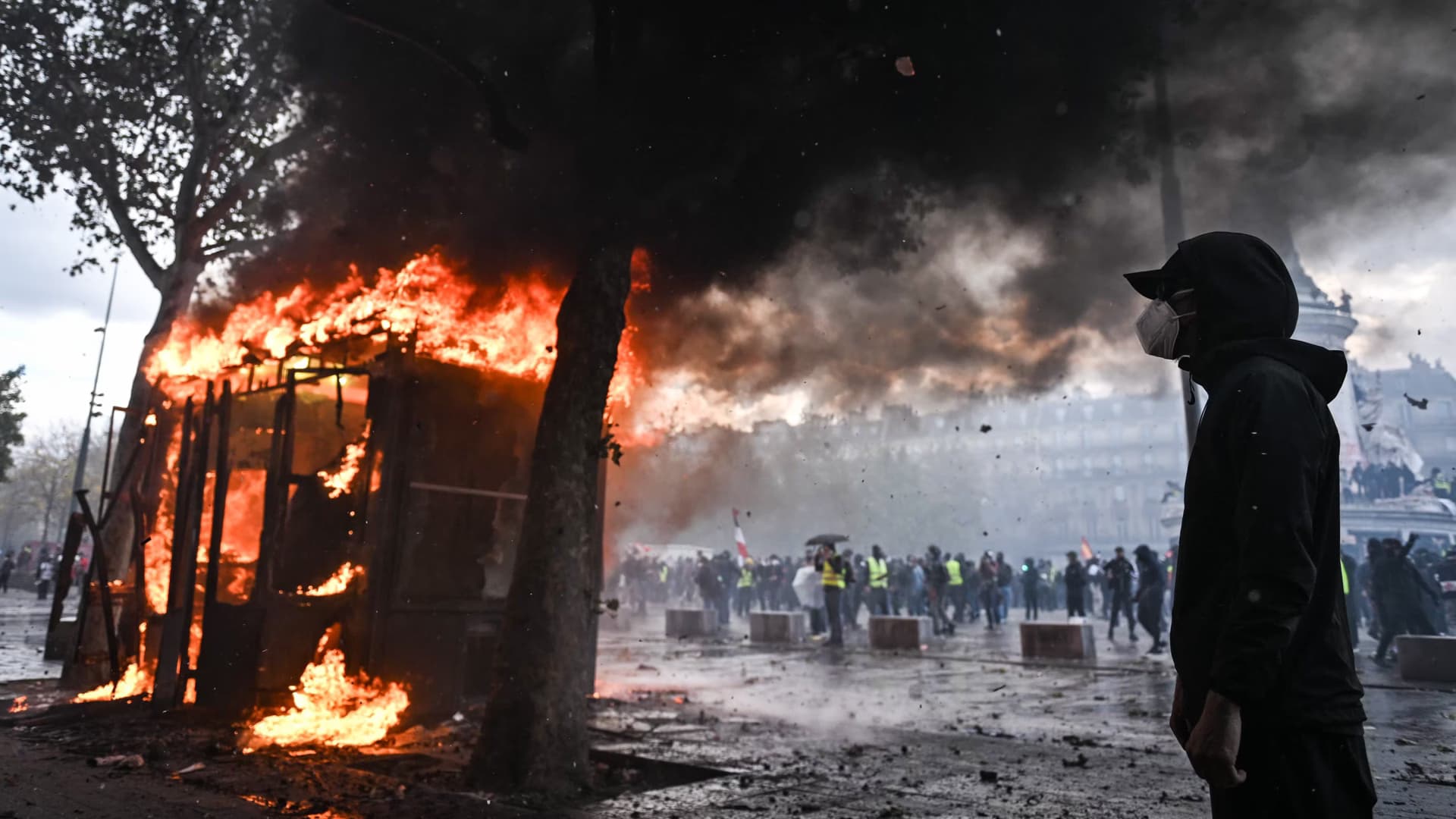
Moroccan authorities deployed water cannon at Ceuta border crossings and pushed back the crowd. Clashes erupted in the area, and the burnt-out remains of a bus and seven cars were seen.
European Commission President Ursula von der Leyen described the images from Ceuta as 'unacceptable'. In a statement on social media, she said: 'We cannot allow anyone to come into our union without following our rules. The dangerous crossings must stop immediately.'
French Interior Minister Laurent Nunez announced that he had ordered an immediate increase in controls on the border with Spain. Italian Prime Minister Giorgia Meloni threatened to suspend the open-border Schengen agreement with Spain.
Court ruling and mafia allegations
Officials linked the surge in crossings to a ruling this month by the Spanish Supreme Court that prevents the immediate return of migrants arriving by sea without legal process. Following the ruling, which does not cover those arriving by land, Prime Minister Sanchez suggested the influx was caused by human trafficking mafias spreading rumours about the court decision.
Activists in Morocco, however, argued that most migrants would be unaware of such legal decisions, and cast doubt on the claim that the surge was linked to the court ruling.
Ceuta Regional President Vivas called on the national government to declare a state of emergency on national security grounds, and asked for more police and military to be deployed to the border.
Stay Updated with Hilal Times
Subscribe to be informed about special news, developments and announcements. We will keep you informed.
By signing up, you agree to our Privacy Policy