- BIST10011,518-1.74%
- USD49.45+0.05%
- EUR55.62+0.37%
- GOLD4,169.30-0.28%
- INTEREST37.00%-1.00
- BITCOIN81,844-0.21%
- October 19, 202617°
- BIST10011,518-1.74%
- USD49.45+0.05%
- EUR55.62+0.37%
- GOLD4,169.30-0.28%
- INTEREST37.00%-1.00
- BITCOIN81,844-0.21%
- October 19, 202617°
Louvre entrance blocked as France weighs a state of emergency
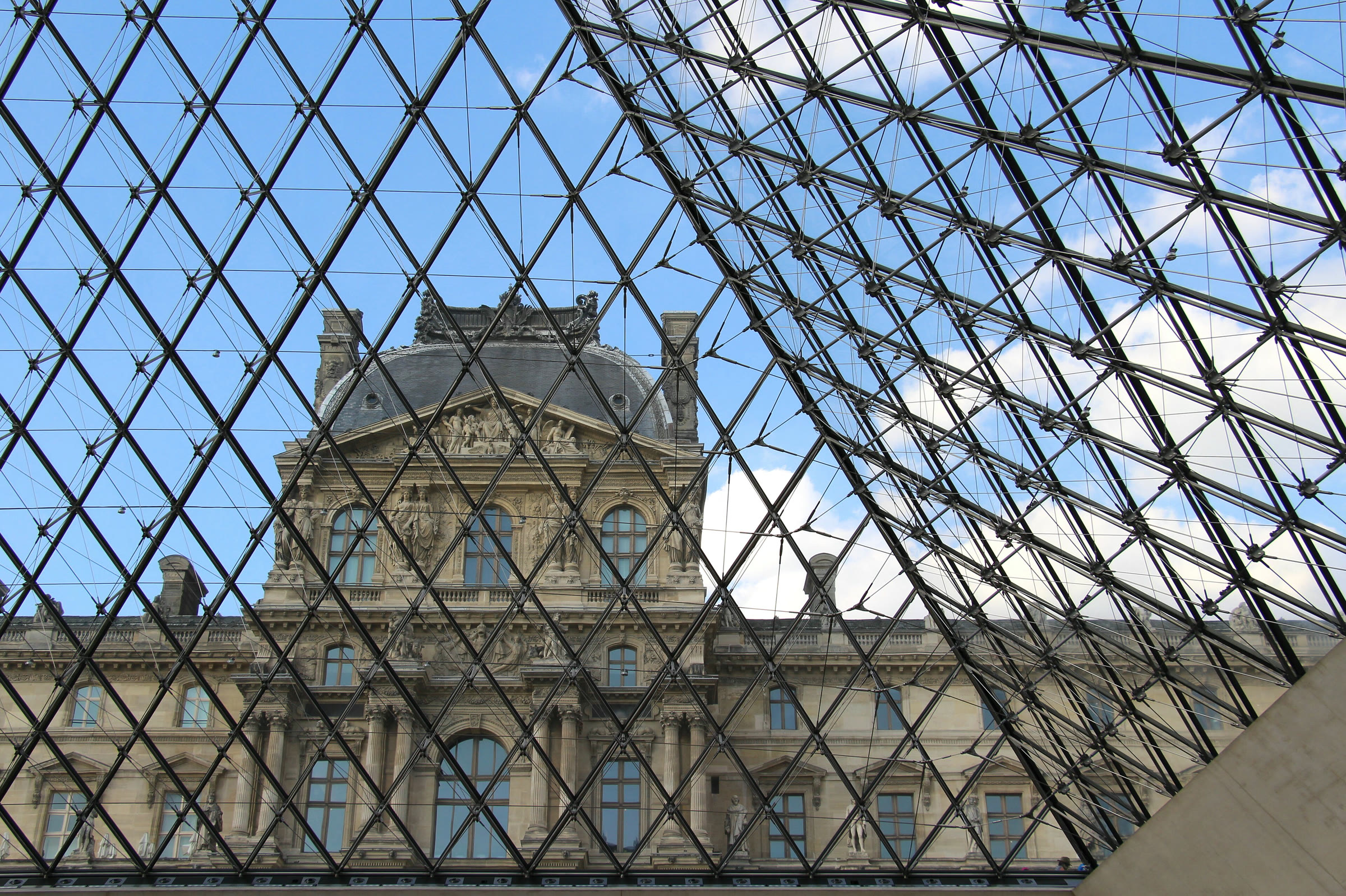
Protesters shut the entrance to the Louvre in Paris on Monday morning, keeping the museum closed to visitors. French Prime Minister Sébastien Lecornu, meanwhile, asked prefects to impose curfews in some areas and said the government was ready to declare a state of emergency if required.


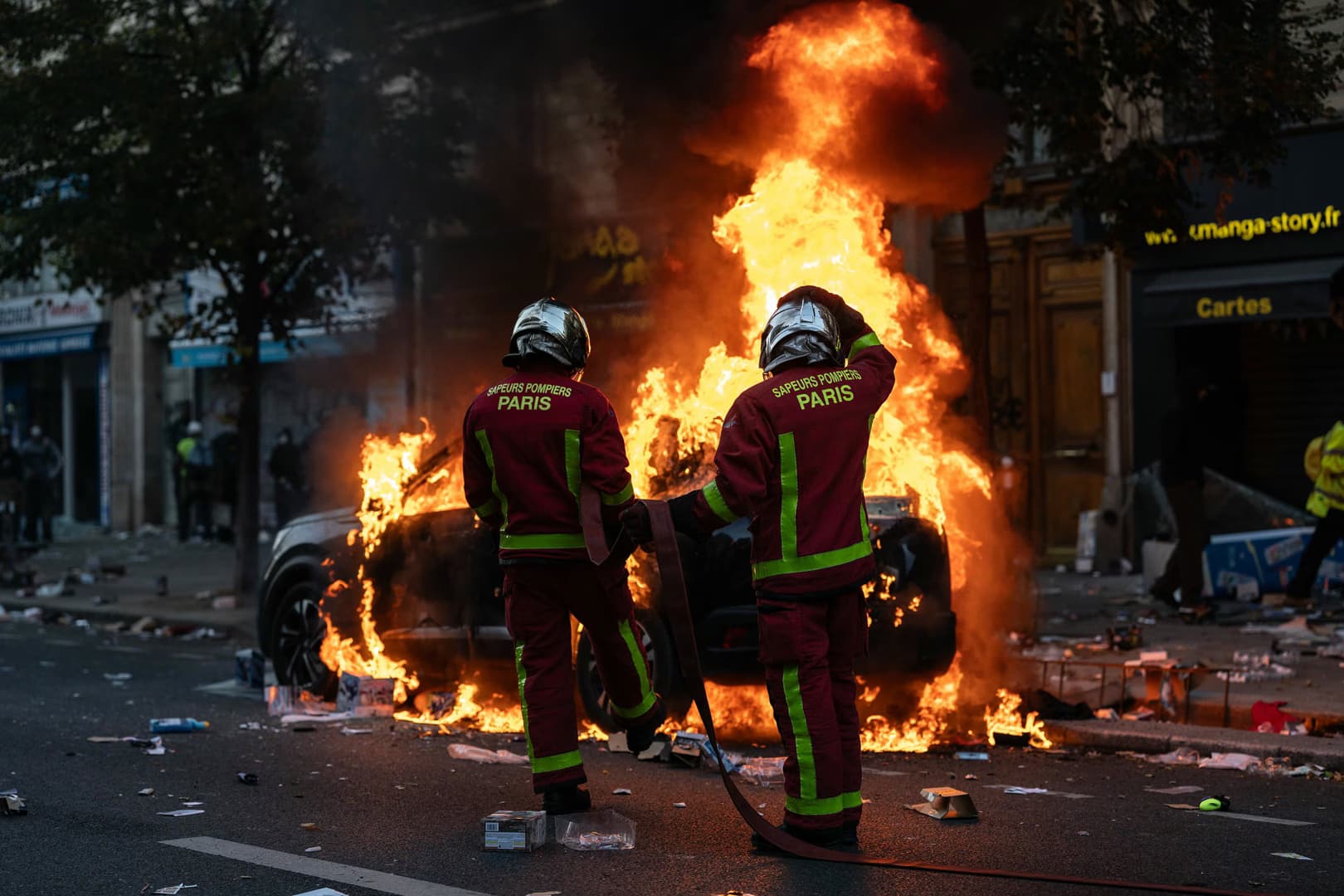
The protest wave that has rocked France since the weekend reached the world’s most famous museum on Monday, when demonstrators shut the Louvre’s entrance and kept it from welcoming visitors at the usual hour. Within the same hours, the French government unveiled new steps to contain the violence and looting.
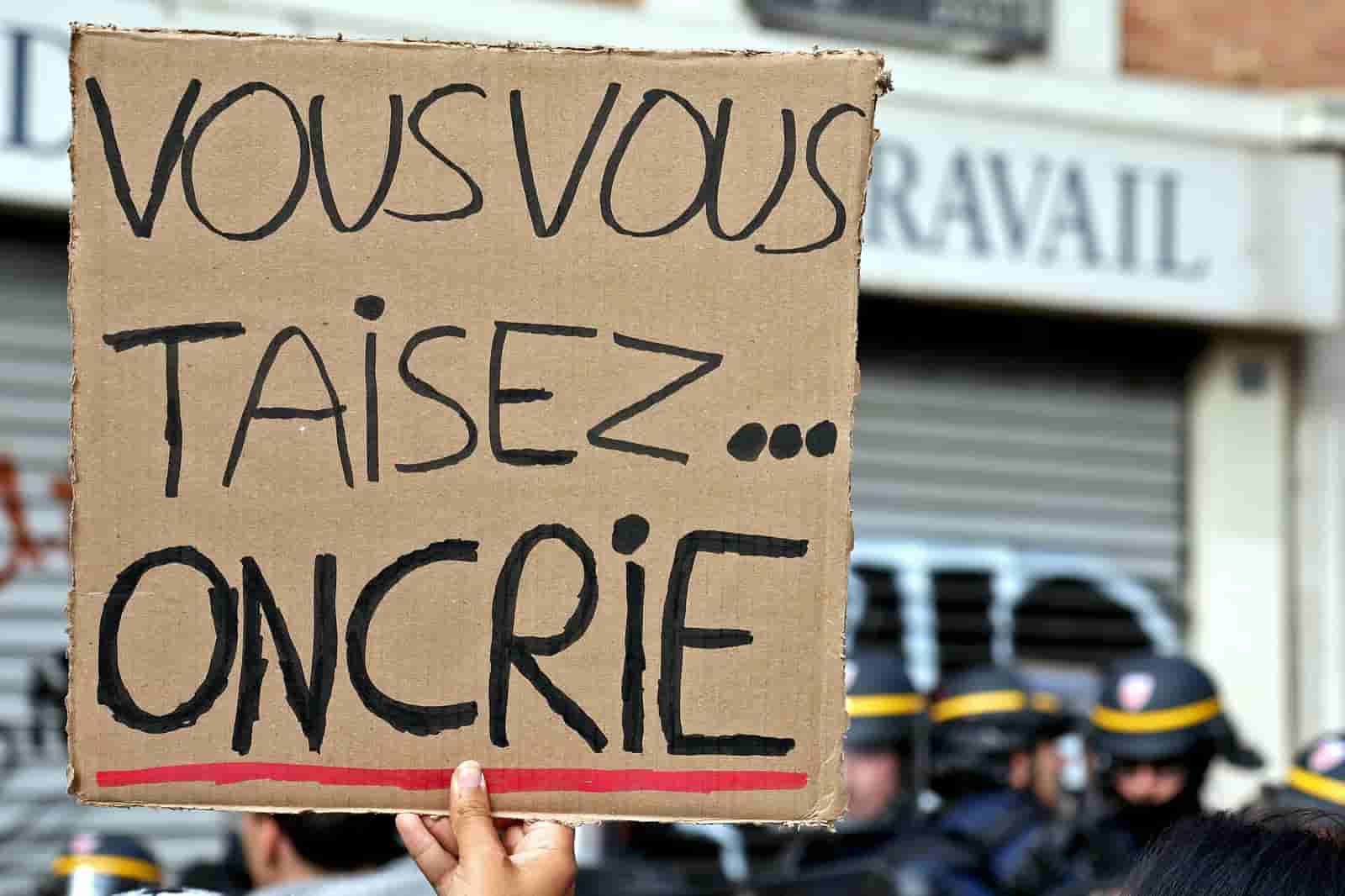
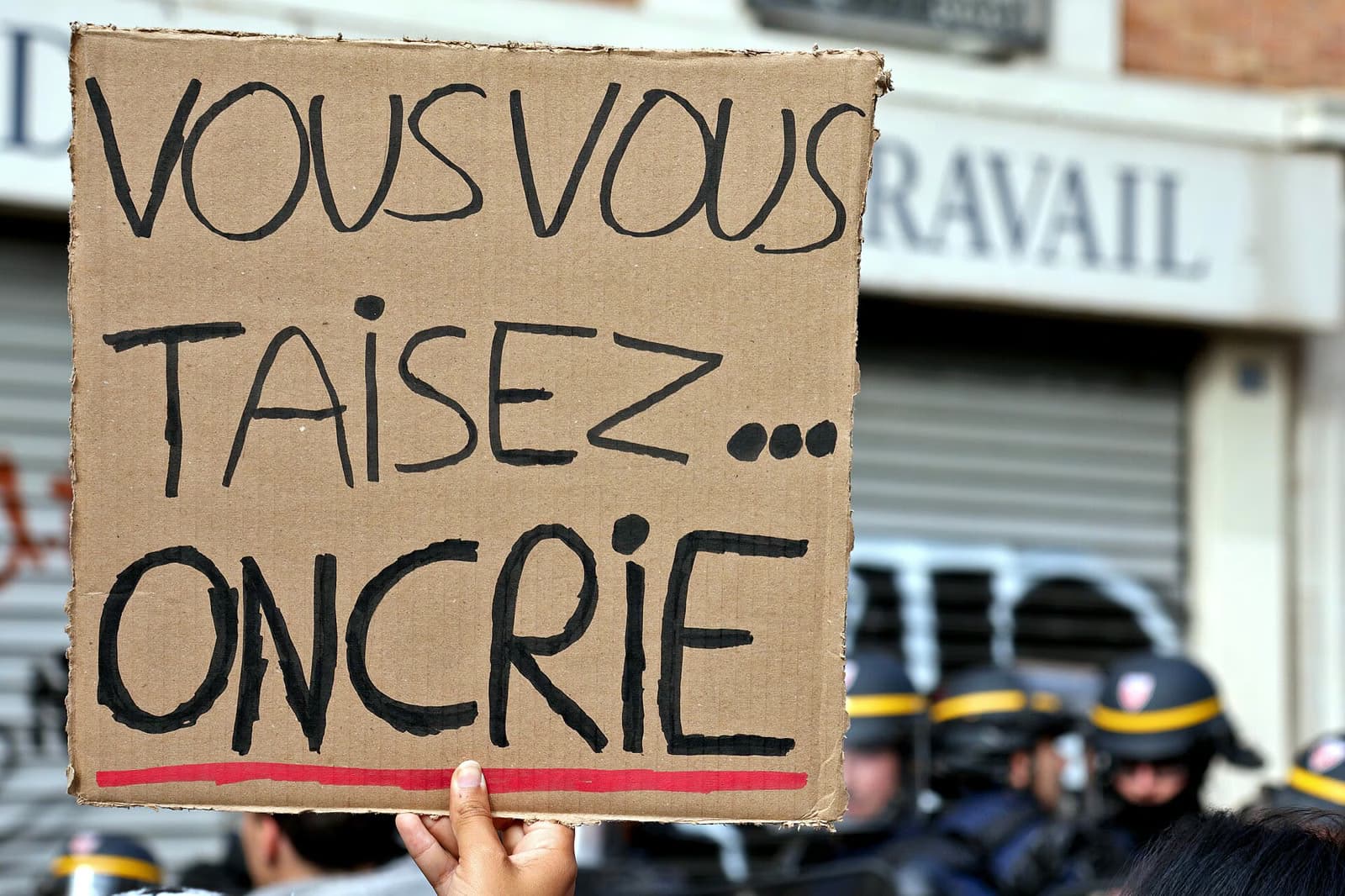
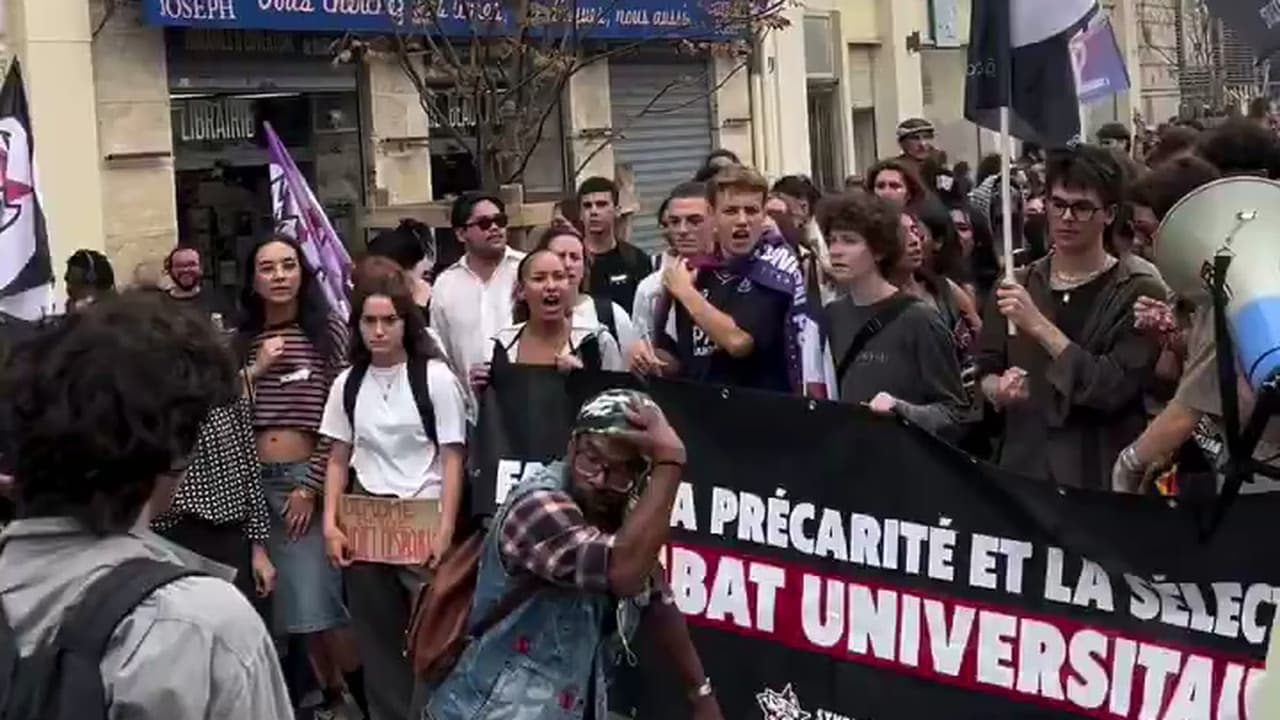
Footage filmed in the morning shows demonstrators standing in front of the famous glass pyramid with banners reading “365 days of austerity” and “French public services are falling apart.”
Lecornu: partial curfews, state of emergency possible
After an interministerial crisis meeting on Monday, Prime Minister Sébastien Lecornu announced that he had asked prefects to impose “partial and very localized” curfews from that evening to protect property, businesses and people. “There is no question of imposing a curfew on the whole of Paris,” he stressed.
Lecornu said the government was prepared to declare a state of emergency should it become necessary, though curfews appeared to be the most suitable tool for now. French media reported that the Paris curfew could cover the areas around Châtelet, Les Halles and République, while decisions for Lille, Marseille and Lyon rest with the prefects. In Marseille, authorities prohibited all demonstrations and gatherings on Monday from noon until 8 p.m.
The government also pledged that, from Tuesday, the state will bear the full cost of short-time work pay for retailers hit by looting and will set up a special fund to help them.
Who closed the Louvre, and why?
Museum management, quoted by AFP, said about 50 students from the École du Louvre, a higher-education institution inside the museum, were behind the closure. The CFDT union said students from the Beaux-Arts school were also taking part.
The students insist they are acting in solidarity with high school protests that have continued since mid-September and in opposition to what they describe as “police repression.” A leaflet they handed out near the museum said: “We are proud to announce to you that we are blocking the largest museum in the world.”
For its part, Louvre management said the movement had nothing directly to do with the museum, which was only being exploited to make the protesters heard. The museum’s website said it was closed “for the moment” due to a student protest, with no time set for reopening.
New footage from around midday shows the protesters lined up in front of the main entrance beneath the pyramid as visitors kept waiting in the courtyard. The CGT union, which supports the action without participating, said the museum would stay shut until at least noon.
The closure came on the day marking one year since French crown jewels worth an estimated 88 million euros were stolen from the Louvre. A strike notice submitted by museum employees in December 2025, seeking better pay and working conditions, also remains active because no final agreement has been reached with the Culture Ministry.
Background to the unrest
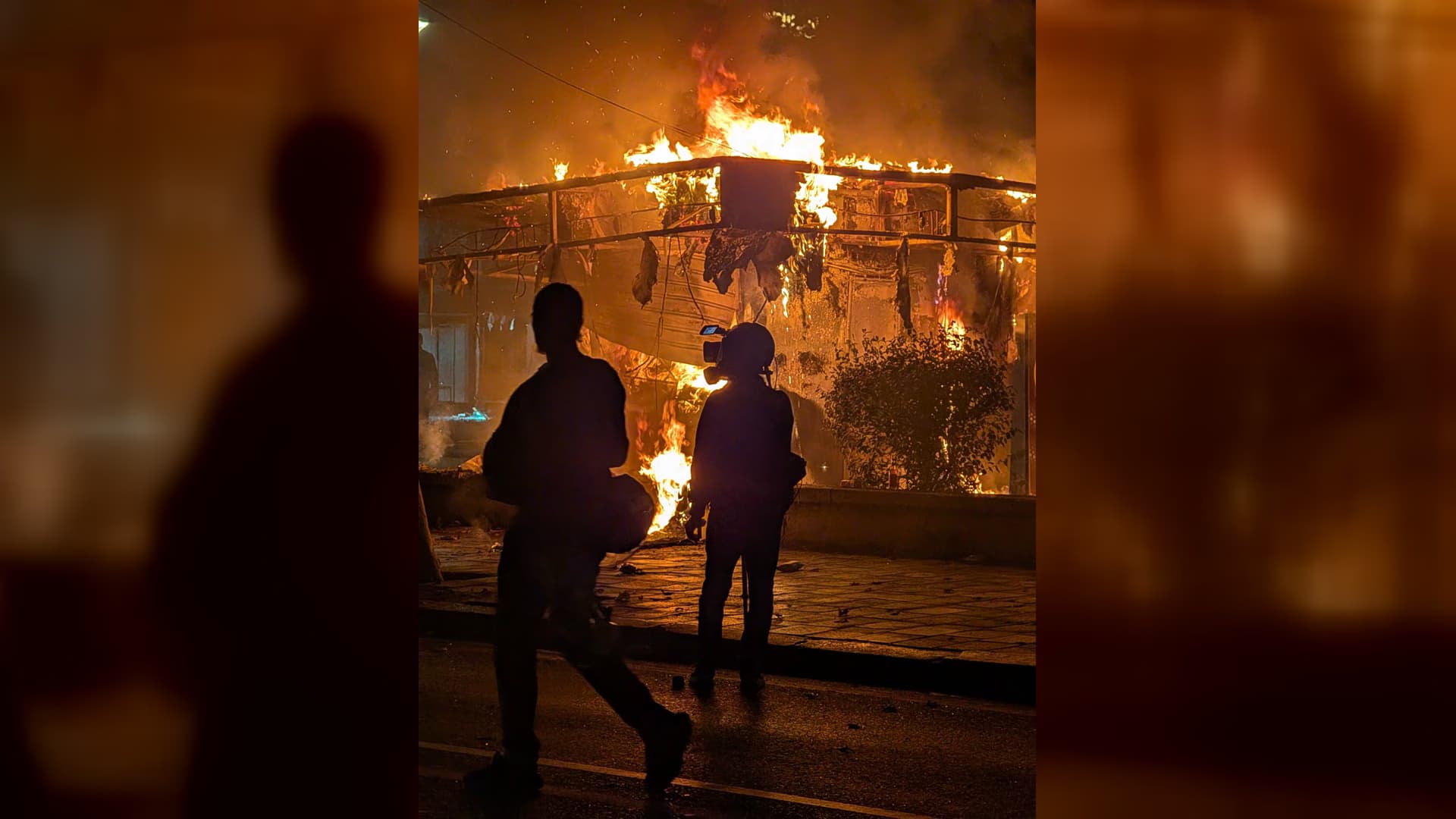
Cost-of-living protests held across France on Saturday, Oct. 17, turned into looting and arson in several cities, and the Interior Ministry reported 2,397 detentions and 997 injured police officers and gendarmes. President Emmanuel Macron delivered an address to the nation on Oct. 18, while Interior Minister Laurent Nuñez’s resignation was turned down.
AFP reported that the yellow vest coordination which organized Saturday’s protests has called for a new day of action on Oct. 24.
Stay Updated with Hilal Times
Subscribe to be informed about special news, developments and announcements. We will keep you informed.
By signing up, you agree to our Privacy Policy