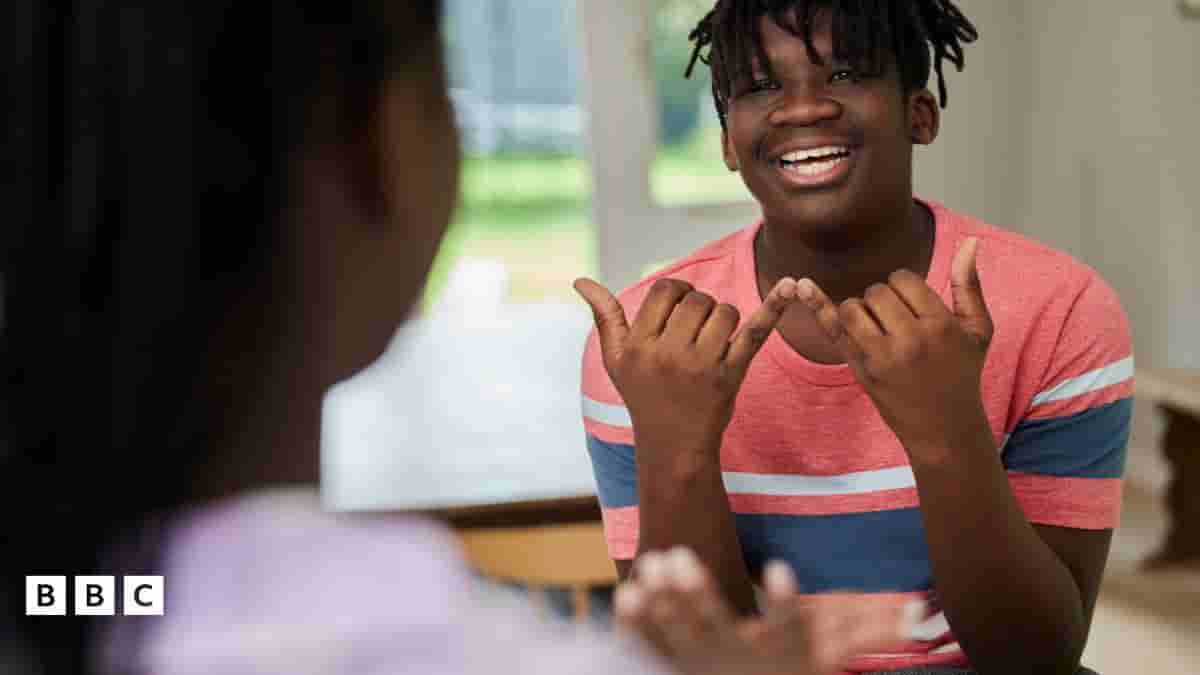
According to the results of the 2026 General Household Needs Survey by the Syrian Planning and Statistics Authority, 8.8% of families in the country have at least one child with a disability. The survey identified hearing and visual impairments as the most common types of disabilities among children.
Official data shows that hearing and visual impairments each account for 13.7% of disabilities among children, making them the most frequent types. The authority emphasized that these findings indicate the need to strengthen early detection and rehabilitation programs.
Ongoing Gaps in Care and Rehabilitation Needs
The survey results revealed that 71.7% of children with disabilities have access to specialized rehabilitation and health services. However, 28.3% urgently require basic support and care services.
The data also showed disparities in access to health services. While 71.9% of families can reach health services within 30 minutes, 23% of households travel between half an hour and an hour, and 5% spend more than an hour to reach the nearest health facility. This situation particularly highlights increased access challenges in rural and remote areas.
Cost Emerges as the Biggest Barrier
Data expert Mohammad Tawfiq Nahlawi stated that the published figures not only present statistical data but also point to the need for systematic intervention. He noted that the high rates of severe hearing and visual impairments at 13.7% indicate the necessity of making educational environments more inclusive.
According to Nahlawi, the largest factor behind the care gap is financial cost, accounting for 52.6%, followed by 31.6% due to service inadequacy and 5.3% due to distance.
The expert emphasized the importance of interactive maps that align service points with family needs, which could facilitate access and reduce costs.
Impact Extends from Education to Food Security
The same data showed that difficulties faced by children with disabilities in education increase due to economic and geographic factors. Nahlawi reported that school dropouts are linked 27.3% to economic reasons and 5.6% to geographic factors.
It was noted that more flexible education models are needed to help children with disabilities continue their education and support their future participation in the workforce.
The expert also highlighted the impact of disability on household food security. Referring to the 2025 Household Food Security Report, Nahlawi said that only 10.5% of households with disabled members have food security, compared to 18.6% of households without disabled members.
This difference stems from low-income families having to allocate a significant portion of their income to health and special needs. Nahlawi stated that integrating health and social data would enable better targeting of social protection programs.
Call for Access and Communication Standards in Public Services
The survey also found that 66.9% of families rely on government institutions for basic health services. Nahlawi pointed out that in a context with high hearing impairment, the lack of communication tools such as sign language creates a real barrier affecting diagnosis quality and service effectiveness.
He stressed the need to include access and communication standards in public institutions' performance criteria. Training staff in sign language and adapting infrastructure for people with mobility limitations would ensure fair and effective service access for all groups.
The Planning and Statistics Authority announced that the 10th phase of the 2026 Household Food Security Assessment will begin on June 27. The study will last 35 days and aims to create integrated databases monitoring demographic, economic, and social characteristics.
The authority urged citizens to cooperate with field teams and facilitate the completion of statistical forms. It was noted that researchers carry identification cards and official assignment documents.
According to the authority, publishing data in an open digital format is a fundamental step toward establishing modern data management. This approach offers more accurate analysis opportunities for academics, policymakers, and civil society, and can strengthen protection policies for vulnerable groups such as children with disabilities.