- BIST10011,151-0.01%
- USD49.76+0.22%
- EUR55.75+0.28%
- GOLD4,077.00+0.96%
- INTEREST36.00%-1.00
- BITCOIN80,694+0.86%
- October 27, 202612°
- BIST10011,151-0.01%
- USD49.76+0.22%
- EUR55.75+0.28%
- GOLD4,077.00+0.96%
- INTEREST36.00%-1.00
- BITCOIN80,694+0.86%
- October 27, 202612°
A local ceasefire begins in Ukraine's Oleshky through Melania Trump's mediation
A local ceasefire between Russia and Ukraine took effect in Oleshky, Kherson region, mediated by U.S. First Lady Melania Trump to allow humanitarian aid deliveries and evacuate stranded civilians.

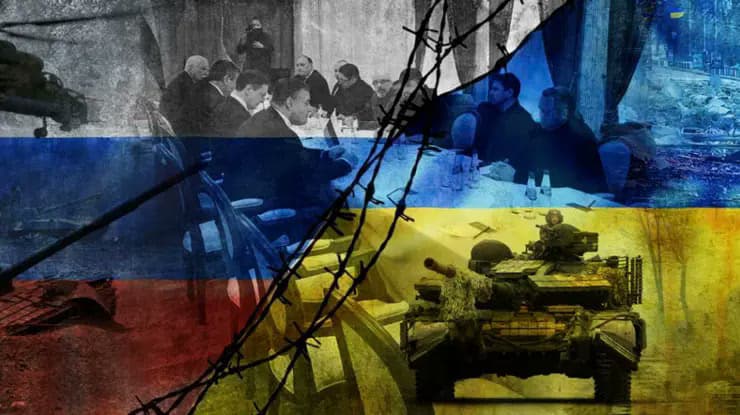
U.S. First Lady Melania Trump announced the start of a local ceasefire between Russia and Ukraine in Oleshky, in Ukraine's southern Kherson region, saying, "The ceasefire has begun" and explaining that its aim was to ensure the safe passage of humanitarian aid convoys.
The ceasefire took effect at 4 a.m. Tuesday Moscow time, two days before the date previously announced by the White House, October 29.
Both sides commit to the truce
Russian Chief of the General Staff Valery Gerasimov said Russian forces had halted fire along the Kherson axis and imposed a "temporary truce," adding that the safe passage of a humanitarian convoy to Oleshky would be ensured after engineering reconnaissance operations. Meanwhile, Ukrainian Marine Corps spokesperson Pavlo Drougal said, "The enemy is observing the ceasefire until 9 a.m."
Nearly 2,000 civilians stranded
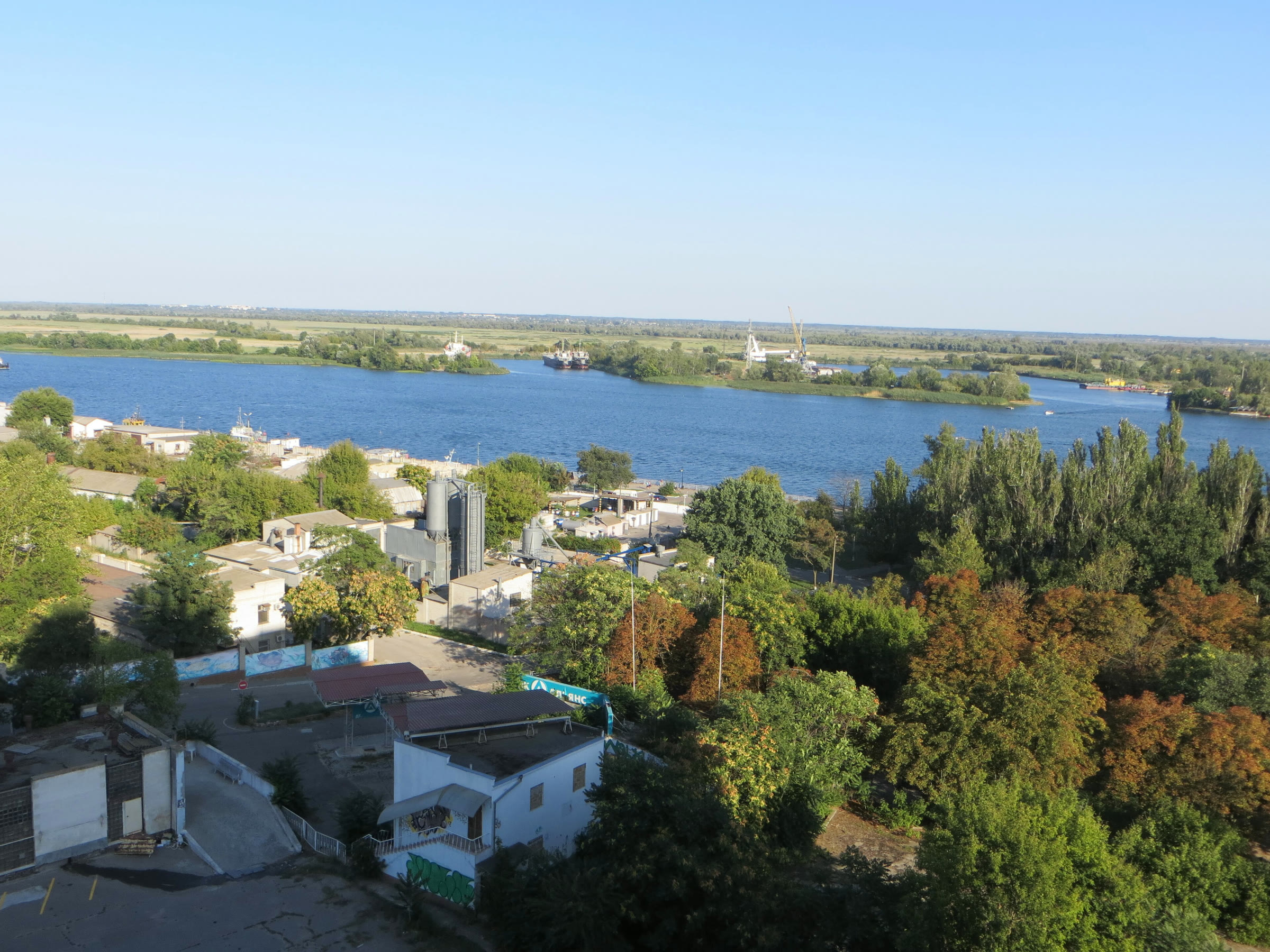
Oleshky lies on the eastern bank of the Dnipro River, opposite the Ukrainian-controlled city of Kherson, and has been controlled by Russian forces since the early days of the war in February 2022. About 24,000 people lived there before the war, and the White House estimates that between 1,700 and 2,000 people remain there, including elderly residents and around 50 children, amid severe shortages of food and medicine.
The agreement was negotiated by Ukrainian Parliament Commissioner for Human Rights Dmytro Lubinets and his Russian counterpart Yana Lantratova. Lubinets explained that the operation would take place in stages and include the truce, the delivery of aid and the free evacuation of civilians.
Kremlin spokesperson Dmitry Peskov stressed that the local truce did not mean a broader halt to the war, while Ukrainian President Volodymyr Zelenskyy warned that Russia might exploit demining operations to direct evacuated civilians toward its territory.
Have a story, event or announcement of your own?Send us your news on WhatsApp
Spotted an error in this story?Report it on WhatsApp
Share on all social platforms
Sponsored Ads
Featured Listings
Loading featured properties...
Stay Updated with Hilal Times
Subscribe to be informed about special news, developments and announcements. We will keep you informed.
By signing up, you agree to our Privacy Policy