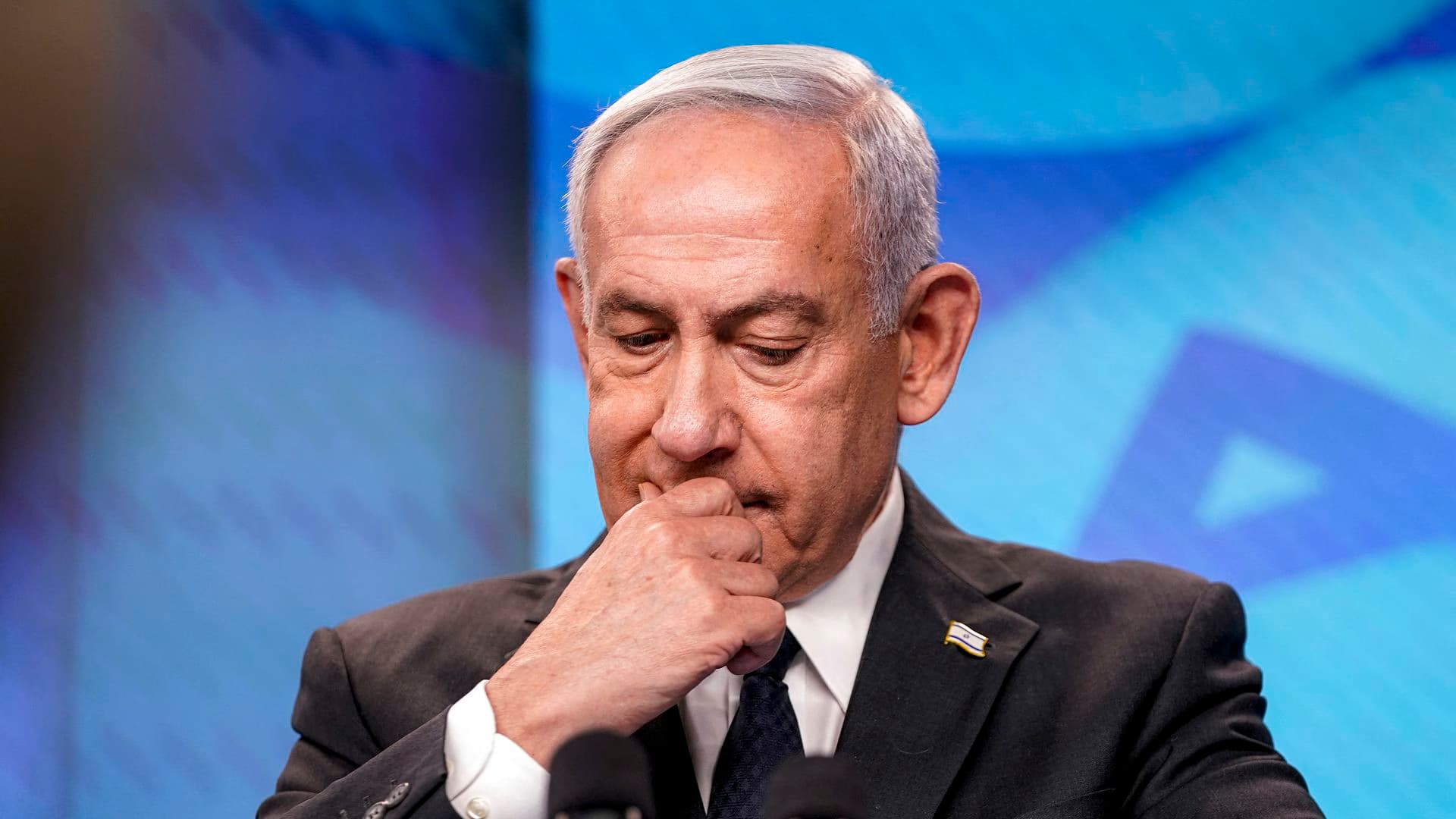
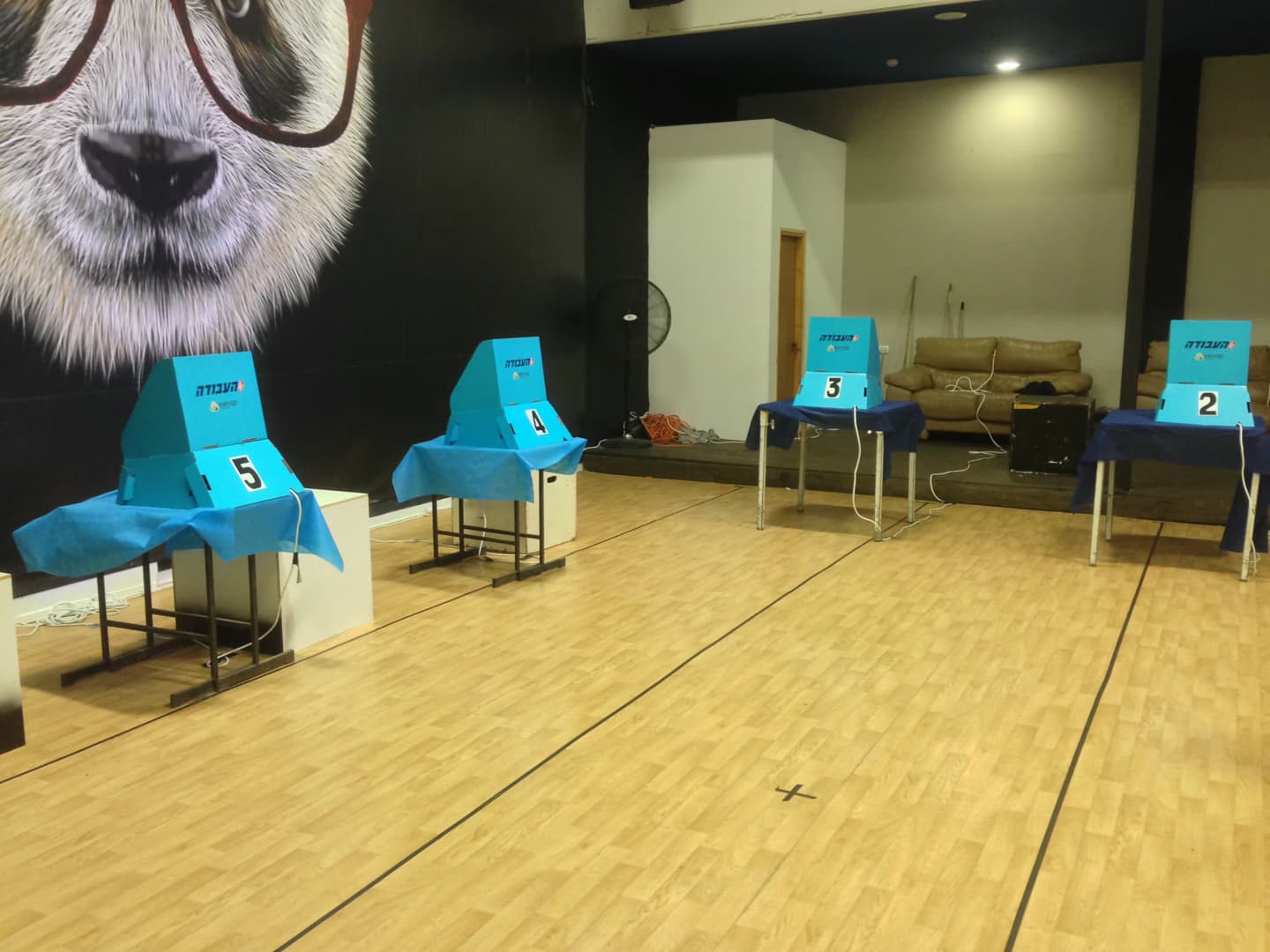
Voting in Israel's Knesset election ended as polling stations closed at 10 p.m. local time, after a tight race between Prime Minister Benjamin Netanyahu and opposition leader Gadi Eisenkot. Turnout stood at 74.3% as of 8 p.m., according to the Central Elections Committee.
Exit polls: Likud first, no majority
Exit polls aired by Israeli television channels as soon as polls closed showed Likud as the largest party. Channel 13 gave Likud 25 seats and Eisenkot's Yashar 23, while Channel 12 gave Likud 24 and Yashar 22. Channel 14, seen as close to Netanyahu, projected 30 seats for Likud and 19 for Yashar.
In terms of blocs, Netanyahu's camp stood at 50 seats in both the Channel 12 and Channel 13 polls, against 52 to 53 for the Eisenkot-led opposition bloc, while Arab parties won 17 to 18 seats. According to these polls, neither bloc reaches the 61 seats needed for a majority in the 120-seat Knesset. The Central Elections Committee will release official results through the night.
Request to extend voting rejected
Israel Hayom reported that Netanyahu's request to extend voting hours was rejected. The Likud party had earlier called for an extension amid high turnout at polling stations.
Text messages target a "left-wing government and Arab parties"
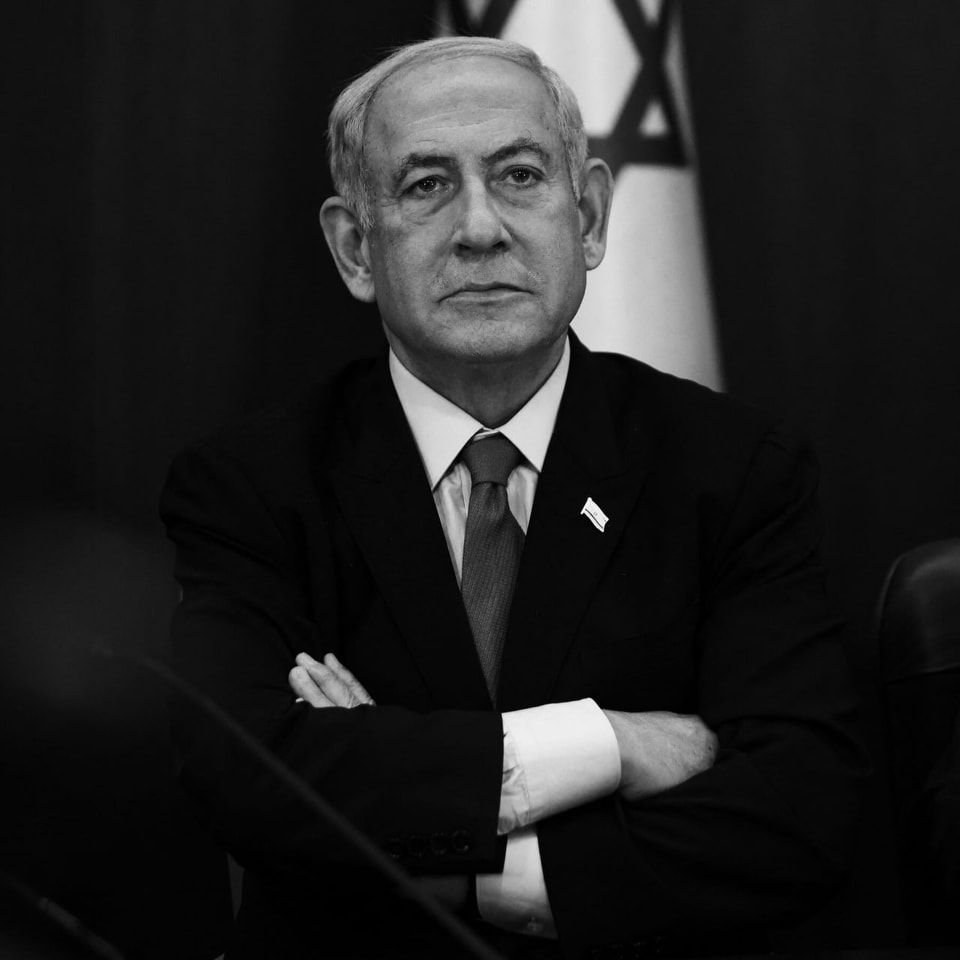
In the final hours of voting, Israeli citizens received text messages stating: "Last chance to prevent a left-wing government and Arab parties. Go out and vote now."
The messages came hours after Netanyahu warned his supporters that they could wake up to a "left-wing government," citing what he described as record turnout in Arab towns.
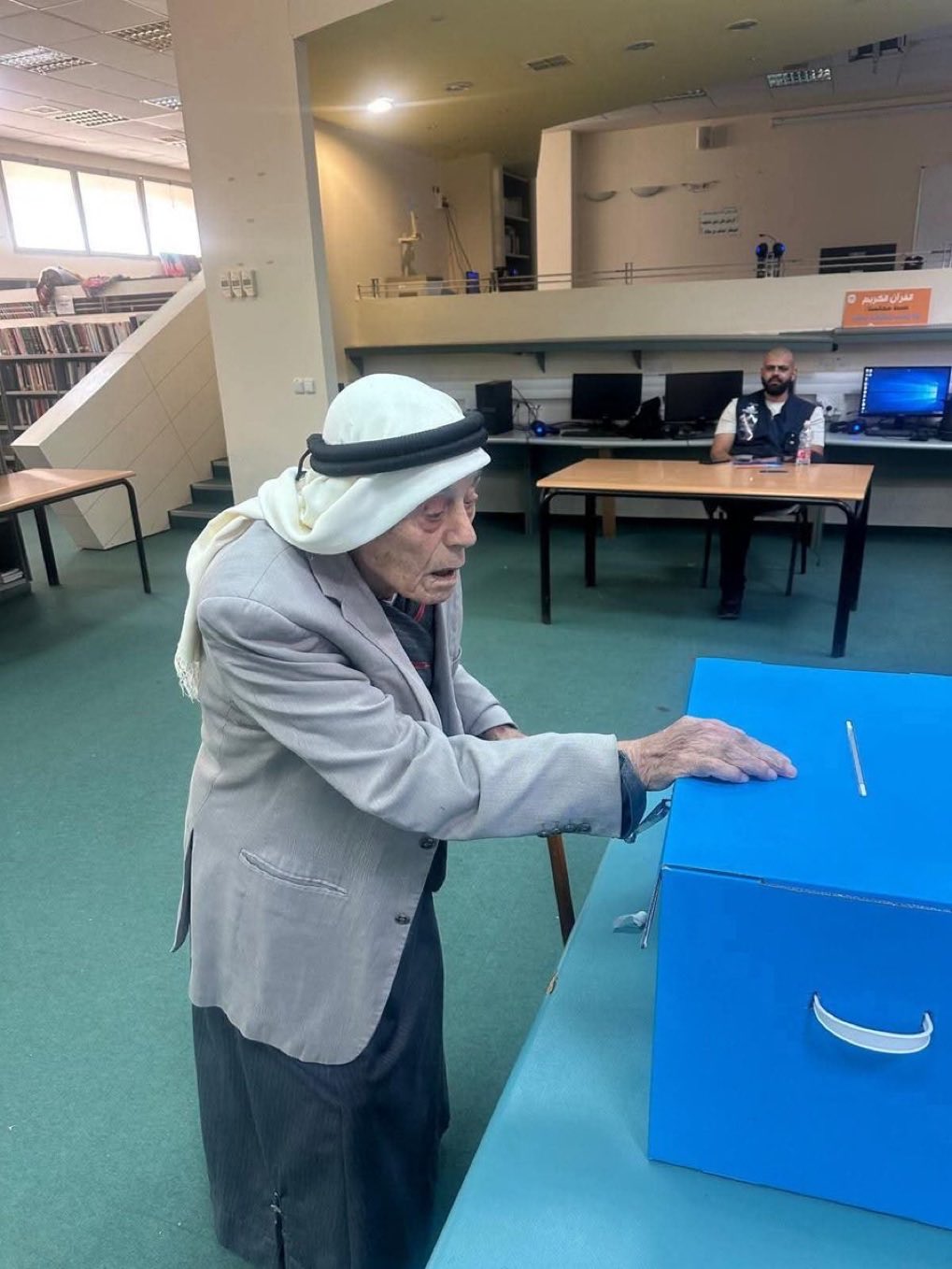
Arab voter aged 109
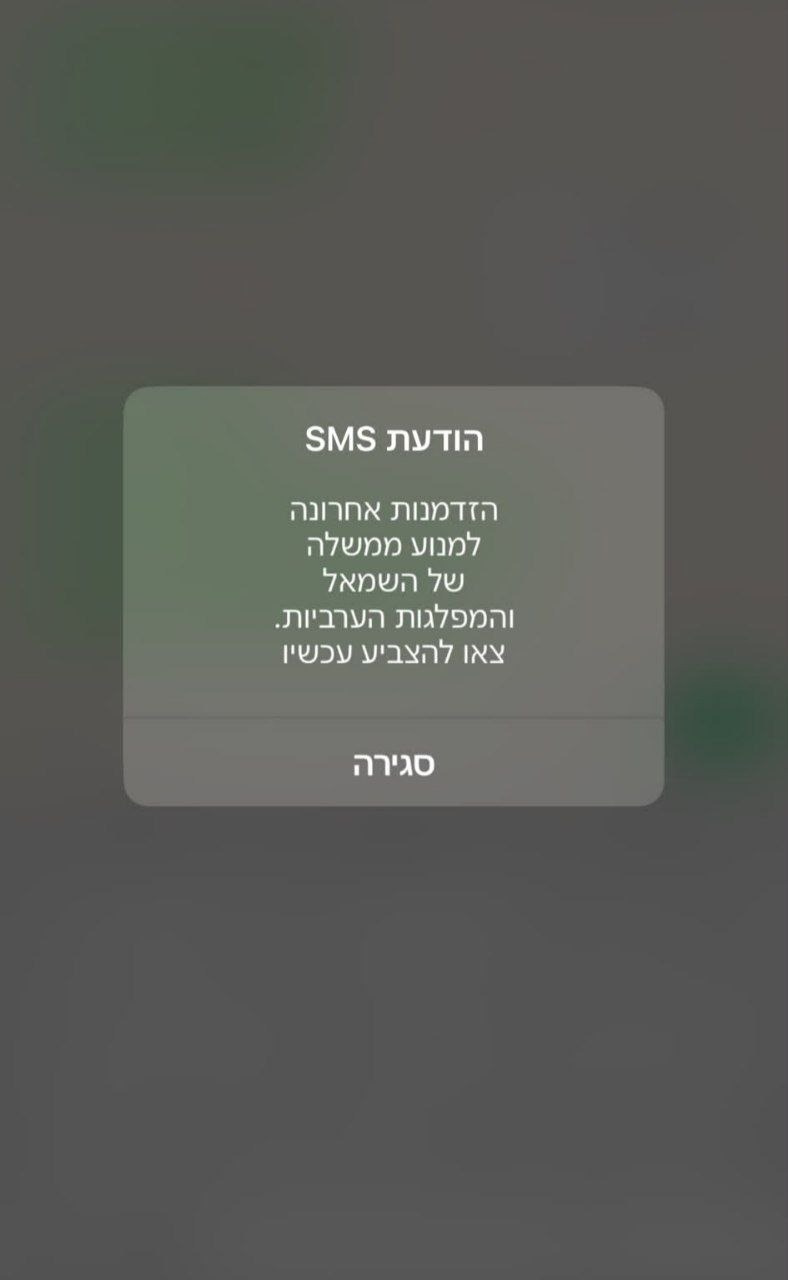
Arab towns recorded notable participation in the election, and an image was published showing a 109-year-old Arab man casting his ballot at a polling station.
East Jerusalem Palestinians excluded from voting
By contrast, around 391,400 Palestinians living in occupied East Jerusalem are not eligible to vote in the election, according to the Quds News Network. Israel treats them as "permanent residents" rather than citizens, despite the fact that they pay taxes, and Israeli law bars them from participating in general elections.
Polymarket gives Netanyahu 24% chance of staying in power
Before polls closed, the prediction platform Polymarket put Netanyahu's chances of staying in power after the election at just 24%. The final opinion polls before election day had shown Eisenkot's bloc ahead with 52 to 56 seats against 50 for Netanyahu's bloc.